Ena Muazin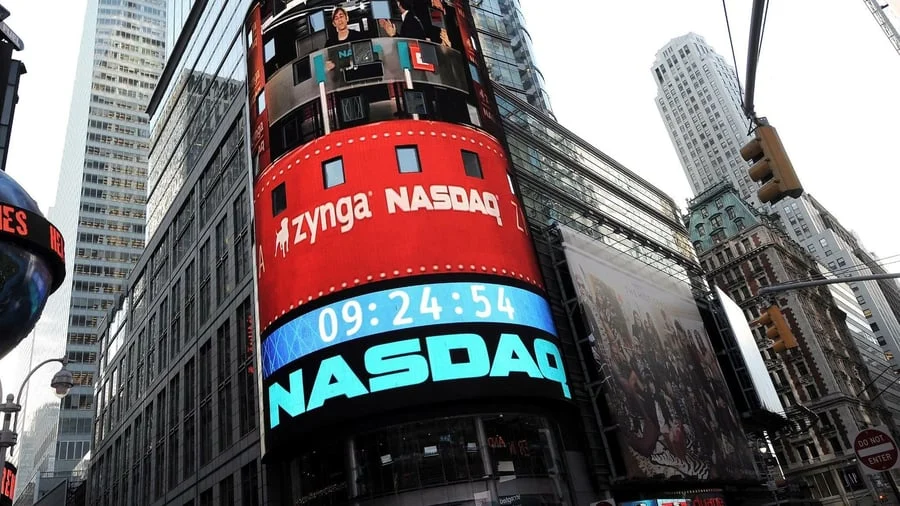
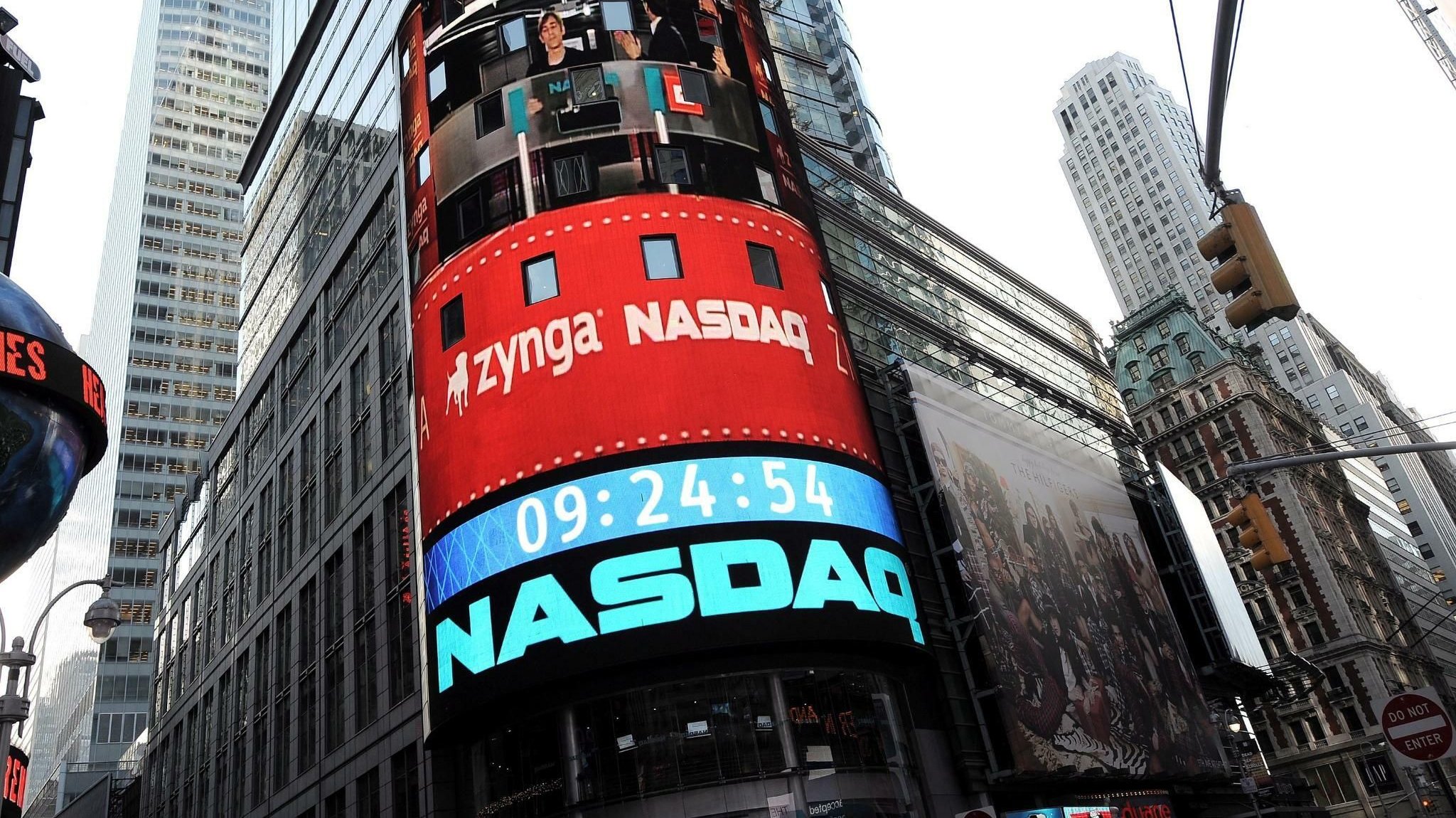
On February 27th, a moment of projected triumph illuminated the colossal LED facade of the Nasdaq in New York City. The iconic exchange displayed a congratulatory message to Thomas Lloyd, the asset manager focused on sustainable infrastructure, signaling an impending merger. According to a press release, the company aims to tackle complex energy sector challenges that "traditional players simply cannot handle at the necessary scale and speed." This public declaration of ambition, however, stands in stark contrast to the deepening crisis that has enveloped Thomas Lloyd for months, casting a long shadow over its ambitious stock market aspirations.
At the helm of this planned financial maneuver is CEO Michael Sieg, who intends to merge a Thomas Lloyd subsidiary with Roman DBDR Acquisition Corp. II, a Special Purpose Acquisition Company (SPAC) already listed on the Nasdaq. Dixon Doll Jr., CEO of Roman DBDR, expressed his enthusiasm, describing Thomas Lloyd as embodying a "rare combination of visionary leadership, operational depth, and market timing that defines transformative investment opportunities." The intricate details of this proposed merger were subsequently filed with the U.S. Securities and Exchange Commission (SEC).
Despite the Nasdaq’s celebratory display, Thomas Lloyd finds itself embroiled in a protracted crisis that threatens to derail its public market debut. For several months, preliminary insolvency proceedings have been underway for multiple entities within the Thomas Lloyd group. The gravity of the situation escalated in late January when Matthias Klein, identified as the "Europe CEO" and second-in-command to Sieg, was detained by the Lingen District Court. The court’s action was intended to ensure his compliance with "legally stipulated participation and information obligations." Klein reportedly spent a weekend in custody.
A Cascade of Financial Woes and Investor Concerns
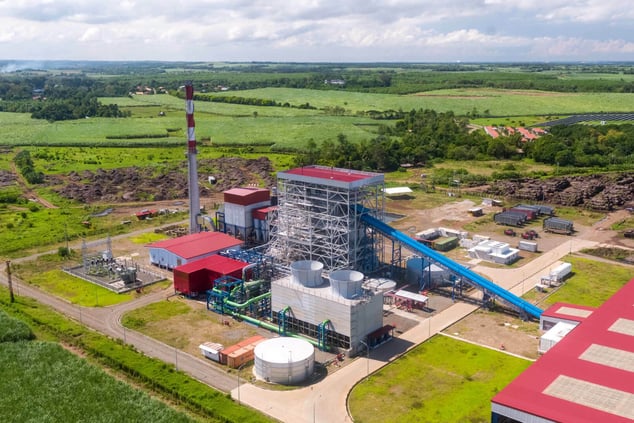
Thomas Lloyd has amassed approximately €1.7 billion from an estimated 30,000 investors, funds earmarked for the construction of solar and biomass power plants in Asia. However, instead of the promised lucrative returns, investors have been met with a litany of negative developments. These include the suspension of payouts, multi-million euro losses in its eco-investment funds, significant data breaches following hacker attacks, and the potential loss of solar installations. Consequently, a substantial number of investors are now grappling with the uncertainty of recovering their invested capital, making the news of an impending stock market listing particularly surprising and, for many, alarming.
Seeking Fresh Capital Amidst Operational Struggles
Some stakeholders harbor hopes that a listing on the Nasdaq could serve as a panacea for Thomas Lloyd’s multifaceted problems. The proposed merger with Roman DBDR offers a pathway to securing new capital without the immediate pressure of demonstrating robust operational success, a critical factor given the company’s current financial predicament.
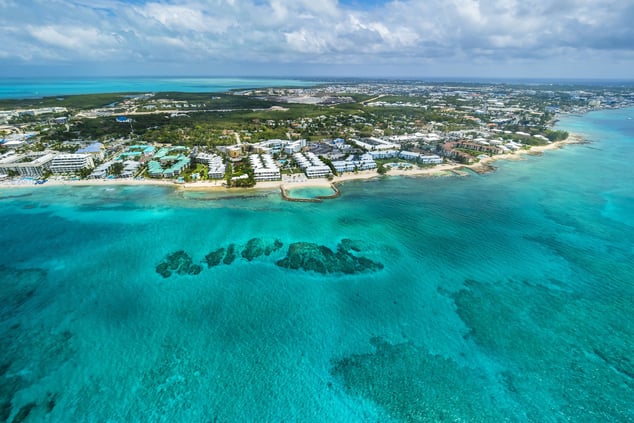
Roman DBDR, the SPAC involved in the merger, is a shell company registered on the Cayman Islands. This offshore financial hub is known for its minimal direct taxation, a common characteristic of entities designed to facilitate capital raising and mergers. While the SPAC’s principal place of business is listed in West Palm Beach, Florida, in an unassuming building that also houses a tennis equipment store, a nail salon, and a UPS outlet, its registration in a tax-favorable jurisdiction raises questions about its operational transparency. Attempts to reach the management of Roman DBDR have proven fruitless, with emails to their listed address bouncing back as undeliverable. Numerous inquiries to Handelsblatt’s private email addresses of key executives and board members have also gone unanswered.
The rationale behind Roman DBDR’s decision to partner with the embattled Thomas Lloyd remains unclear. Roman DBDR itself possesses substantial financial resources, having raised $236 million in capital following its own IPO in December 2024.
The Curious Case of CTIH and the Langen Connection
The merger plans also necessitate the involvement of Cleantech Infrastructure Holding GmbH (CTIH), located in Langen, a small town in Germany with a population of approximately 1,400. CTIH, operating from a modest office within a local bank branch, plays a pivotal role as the largest shareholder, holding a 48.5% stake in Thomas Lloyd GmbH (TLCS) in Amsterdam, the entity slated for the merger. The fusion plan, filed with the SEC, indicates CTIH’s agreement to act as the "seller" of these shares.

For a significant period, CTIH served as a conduit for investor funds from Thomas Lloyd’s cleantech funds, channeling them towards Asian projects. However, its financial health has deteriorated considerably. By the end of 2023, CTIH reported negative equity of €180 million, with no more recent financial data available.
Insolvency Proceedings and a Questionable Signature
The crucial involvement of CTIH in the merger is further complicated by its ongoing preliminary insolvency proceedings. CEO Michael Sieg, who personally managed CTIH’s operations, was disempowered by the Lingen District Court on February 20th. The court imposed a general moratorium on CTIH’s assets and appointed Christoph Morgen, a Hamburg-based lawyer, as the provisional insolvency administrator. Since this ruling, any actions concerning CTIH require Morgen’s explicit approval.
Christoph Morgen reportedly expressed surprise when, on February 27th – just seven days after the asset moratorium – the merger plan was published on the SEC website. The signature attributed to CTIH on the fusion agreement bore the name of Sieg, the company’s founder.
Morgen communicated to Handelsblatt that "since the order of the moratorium, CTIH can no longer enter into contracts. The power of disposal lies with me." He also indicated his intention to meticulously review the SEC filings and take any necessary protective measures.
Sieg’s Defense and the Disputed Approval
In response to inquiries, Sieg’s legal counsel issued a statement asserting that CTIH is "one of several shareholders of our client and is involved in the execution of the merger in this capacity." The attorney refuted any violation of the moratorium, explaining that "CTIH’s written consent to the merger agreement was granted on February 18, 2026, and held in escrow. At that time, there were no restrictions." This timeline is crucial, as it predates the court’s imposition of the moratorium on February 20th.
The legal implications for the planned Nasdaq listing remain uncertain. Neither Roman DBDR nor the SEC has responded to Handelsblatt’s inquiries regarding the situation. Sieg’s lawyer, however, conveyed a sense of calm, stating that "currently, no measures are pending at the TLCS level that would require further participation from the shareholders."

Doubts Over Valuations and Audited Financials
A specific detail within the merger press release has particularly raised concerns for the provisional insolvency administrator. Thomas Lloyd values the equity of the Amsterdam-based TLCS at $850 million, with CTIH’s share amounting to nearly half of this figure. While this would be welcome news for Morgen, he stated, "It is currently not comprehensible to me on what basis this valuation is founded."
Sieg declined to provide Handelsblatt with an explanation for this valuation. However, a company presentation filed with the SEC presents a different financial picture for TLCS, indicating a loss of nearly $50 million in 2025 and projecting a $15 million loss for 2026. These figures have not undergone independent auditing.
Further complicating matters are the requirements for audited financial statements. The legal framework in the Netherlands mandates the timely submission of audited financial reports to the commercial register. Failure to comply is considered an economic offense. According to the commercial register, Sieg is listed as the director of TLCS, yet he has not responded to inquiries regarding the missing annual financial statements. The absence of these audited financials poses a significant hurdle for the planned merger and Nasdaq listing, raising questions about the transparency and reliability of Thomas Lloyd’s financial reporting.

A Complex Financial Web: Data, Timeline, and Potential Implications
The intricate financial structure of Thomas Lloyd, coupled with the ongoing insolvency proceedings and the regulatory complexities of SPAC mergers, creates a precarious situation. The company’s strategy appears to rely heavily on injecting fresh capital through the Nasdaq listing to stabilize its operations and address investor concerns, rather than on immediate operational turnarounds.
The timeline of events leading up to the SEC filing is critical. The court’s moratorium on CTIH’s assets on February 20th, followed by the SEC filing on February 27th, creates a direct conflict. The assertion that CTIH’s consent was given prior to the moratorium, while potentially legally sound, raises questions about the timing and transparency of the communication with the insolvency administrator.
The implications of this situation are far-reaching. For the 30,000 investors who entrusted their capital to Thomas Lloyd, the prospect of recovery remains uncertain. The Nasdaq listing, if it proceeds, could offer a liquidity event for some, but the underlying financial stability of the merged entity will be paramount. The scrutiny from regulators like the SEC and the potential involvement of the insolvency administrator in challenging the merger’s validity could lead to significant delays or even a complete halt to the transaction.

Furthermore, the reliance on a SPAC registered in a tax haven, coupled with the opaque nature of its management and the unresolved financial issues of CTIH, casts a pall over the entire endeavor. Investors and market participants will be closely watching for further developments, seeking clarity on the legal standing of the merger agreement and the true financial health of Thomas Lloyd. The Nasdaq’s reputation as a platform for reputable companies could also be at stake if this merger proceeds without full transparency and resolution of the outstanding financial and legal issues.