Ella Zulfa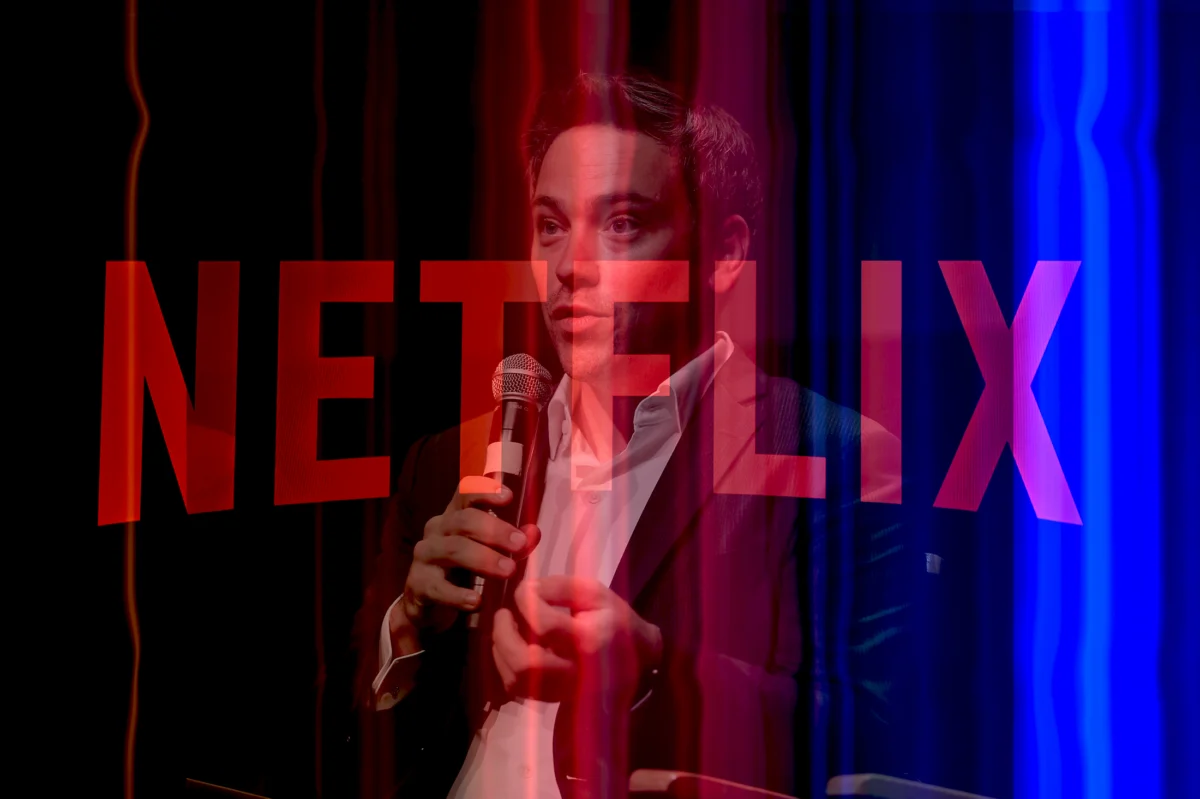
Kevin Baillie, formerly the Vice President and Head of Creative/Head of Studio at Eyeline Studios, Netflix’s visual effects division, has filed a lawsuit against the streaming behemoth alleging wrongful termination, disability discrimination, and the loss of severance pay. The legal action stems from an incident at a company retreat in January 2026, where Baillie disclosed his use of ketamine therapy for clinical depression following the death of his mother during a mandatory "Vulnerability-Trust exercise."
The lawsuit, reportedly filed in California and detailed by the California Post, asserts that Baillie’s disclosure of his medical treatment was a direct factor in his subsequent dismissal just two months later. Shockingly, the suit claims that Netflix’s own legal counsel admitted during the termination process that Baillie’s therapy had "factored into the termination." This admission, if true, could form a crucial element of Baillie’s disability discrimination claim, as employers are generally prohibited from terminating employees based on their medical conditions or treatments, especially when those conditions are protected under disability laws.
The Retreat and the Confession
The genesis of this high-profile lawsuit lies in a seemingly innocuous team-building event designed to foster open communication and camaraderie among employees. The "Vulnerability-Trust exercise" at the January 2026 retreat, held by Eyeline Studios, a subsidiary of Netflix, was intended to encourage a deeper sense of connection within the team. It was within this context that Kevin Baillie, a senior executive responsible for significant creative and studio operations within Netflix’s visual effects arm, chose to share a deeply personal aspect of his life. He revealed that he had been undergoing ketamine therapy to manage clinical depression, a condition exacerbated by the recent passing of his mother.
Ketamine therapy, while increasingly recognized as a viable treatment for certain mental health conditions like severe depression and PTSD, is still subject to varying perceptions and legal frameworks. Its use, particularly in a corporate setting and disclosed during a mandatory professional event, has now placed Netflix at the center of a legal storm.
The Investigation and Subsequent Termination
Following Baillie’s disclosure, Netflix initiated an internal investigation. According to the lawsuit, this investigation reportedly unearthed instances of profanity and alcohol consumption by Baillie. The suit specifically mentions a moment where Baillie performed a headstand while consuming a Guinness beer. While such behavior might be viewed as unprofessional in some contexts, Baillie’s legal team argues that it occurred within a broader company culture that, at times, appeared to condone or even encourage a more relaxed and informal atmosphere.
The lawsuit contends that Netflix’s actions were hypocritical, citing the alleged behavior of Eyeline Studios CEO Jeff Shapiro. Baillie’s suit claims that Shapiro maintained a personal bar in his office and, on at least one occasion, distributed beer to staff during a car ride to an awards show. This detail, if proven, suggests a potential double standard and could be used to argue that the company’s subsequent disciplinary actions against Baillie were selectively applied or based on a pretext.
Legal Claims and Demands
Kevin Baillie’s lawsuit outlines three primary claims: wrongful termination, disability discrimination, and lost severance pay.
- Wrongful Termination: This claim suggests that Baillie was terminated without a legally justifiable cause, particularly if his performance was otherwise satisfactory and the stated reasons for termination were either fabricated or discriminatory.
- Disability Discrimination: This is perhaps the most critical aspect of the lawsuit. By alleging that his disclosure of a medical condition and its treatment factored into his dismissal, Baillie is asserting that Netflix violated his rights under disability discrimination laws. These laws typically protect individuals with disabilities from adverse employment actions based on their condition. The admission by Netflix’s attorney that the therapy "factored into the termination" serves as a significant piece of evidence for this claim.
- Lost Severance Pay: Baillie is also seeking compensation for severance pay he believes he was contractually entitled to or that would have been provided under company policy. His termination, stemming from what he alleges to be discriminatory grounds, may have also deprived him of these financial benefits.
Baillie is requesting a jury trial, indicating his desire for a public adjudication of his claims and potentially seeking substantial damages.
The Broader Context of Workplace Culture and Mental Health
This case arrives at a time when discussions surrounding mental health in the workplace are gaining unprecedented traction. Companies are increasingly being called upon to create supportive environments for employees dealing with mental health challenges. The use of ketamine therapy, while still viewed with caution by some, is gaining acceptance within the medical community as a potent tool for treating severe depression, especially when traditional therapies have proven insufficient.
The lawsuit raises pertinent questions about the balance between an employer’s right to maintain a certain workplace conduct and an employee’s right to privacy and protection against discrimination based on their health status. It also highlights the complexities of corporate retreats, which, while intended for team building, can inadvertently create situations where personal disclosures may have unforeseen professional consequences.
Netflix’s Silence and Potential Implications
As of the reporting date, neither Netflix nor Eyeline Studios has issued a public statement in response to the lawsuit. This silence is typical in the early stages of high-profile litigation, as companies often opt to address such matters through their legal counsel.
However, the implications of this lawsuit for Netflix and other major corporations could be significant. A favorable outcome for Baillie could set a precedent, reinforcing the importance of robust anti-discrimination policies and careful handling of employee disclosures related to mental health. It could also lead to increased scrutiny of company retreat activities and the methods used for employee evaluations and terminations, particularly when sensitive personal information is involved.
The case underscores the evolving landscape of workplace law and the growing recognition of mental health as a protected characteristic. Employers are increasingly under pressure to demonstrate a genuine commitment to employee well-being, which extends beyond superficial wellness programs to encompass actual support, understanding, and adherence to anti-discrimination statutes. The outcome of Kevin Baillie’s lawsuit against Netflix will likely be closely watched by legal experts, HR professionals, and employees across the corporate world.
Timeline of Events (Based on Lawsuit Allegations)
- January 2026: Kevin Baillie attends a company retreat for Eyeline Studios, Netflix’s visual effects division. During a "Vulnerability-Trust exercise," he discloses that he is undergoing ketamine therapy for clinical depression following his mother’s death.
- March 2026 (approximately two months after the retreat): Kevin Baillie is terminated from his position as VP, Head of Creative/Head of Studio at Eyeline Studios. Netflix’s attorney reportedly admits that Baillie’s therapy "factored into the termination."
- July 2026 (reported by California Post): A lawsuit is filed by Kevin Baillie against Netflix, alleging wrongful termination, disability discrimination, and lost severance. The lawsuit details alleged instances of profanity and drinking by Baillie, as well as claims of a more permissive company culture promoted by Eyeline CEO Jeff Shapiro.
- August 4, 2026: The news of the lawsuit is publicly reported.
Supporting Data and Industry Context
The legal battles faced by major technology and entertainment companies regarding employment practices are not uncommon. In recent years, the tech industry, in particular, has seen a rise in litigation related to issues such as discrimination, wrongful termination, and alleged hostile work environments. While specific financial data related to Netflix’s legal settlements is not publicly disclosed in detail, large corporations often allocate substantial budgets to manage and resolve such disputes, with some settlements reaching millions of dollars.
The visual effects industry, known for its demanding schedules and high-pressure creative environments, has also been a subject of discussion regarding employee burnout and mental well-being. Reports from industry watchdogs and employee advocacy groups have highlighted the need for better work-life balance and more robust mental health support systems within studios. This lawsuit adds another layer to these ongoing conversations, focusing specifically on the legal ramifications of how disclosures about mental health treatment are handled by employers.
The increasing acceptance of treatments like ketamine therapy for mental health conditions, supported by clinical research demonstrating its efficacy for treatment-resistant depression, means that employers will increasingly encounter situations where employees are utilizing such methods. The legal framework surrounding these treatments and their protection under disability laws is still evolving, making cases like Baillie’s particularly significant in shaping future corporate policies and legal interpretations.
Potential Ramifications for Corporate Culture
If Baillie’s allegations are substantiated, the lawsuit could serve as a wake-up call for companies regarding their approach to employee mental health and the definition of acceptable workplace conduct. It highlights the critical need for:
- Clear and Consistent Policies: Companies must have well-defined policies on mental health support, anti-discrimination, and disciplinary actions that are applied equitably across all levels of the organization.
- Training for Management: Executives and managers require comprehensive training on how to handle sensitive employee disclosures, understand disability rights, and avoid discriminatory practices.
- Review of Workplace Culture: The lawsuit implicitly questions whether the company’s culture genuinely supports well-being or inadvertently creates environments where certain behaviors are overlooked until a convenient moment for disciplinary action arises.
- Legal Counsel’s Role: The alleged admission by Netflix’s attorney that the therapy "factored into the termination" is a crucial point. It suggests a potential disconnect between HR practices, legal advice, and the company’s stated commitment to employee welfare.
The legal proceedings will likely involve extensive discovery, including the examination of internal communications, performance reviews, and company policies. The eventual verdict or settlement could have lasting effects on how employers in the entertainment and technology sectors approach employee mental health, disability accommodations, and the termination process.