Ella Zulfa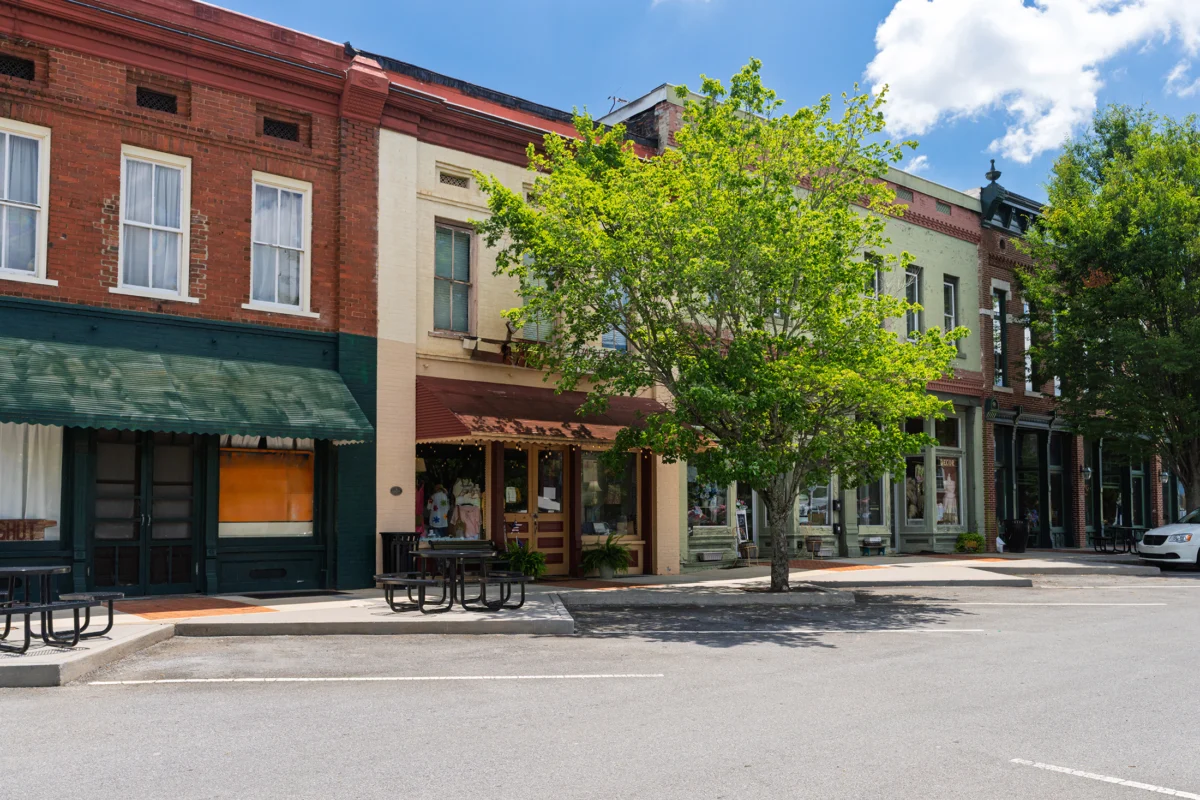
The prevailing narrative in the entrepreneurial world often centers on a select few metropolises: the gleaming towers of New York, the innovative hum of Silicon Valley, or the burgeoning tech hubs of Austin and Miami. To establish a venture outside these established ecosystems is frequently perceived as a nascent step, a "farm league" endeavor. However, a closer examination of the evolving landscape reveals a compelling counter-argument: mid-sized cities, particularly those anchored by major research universities, are emerging as formidable contenders, offering unique advantages that can foster robust and resilient entrepreneurial growth.
This shift is not merely anecdotal; it is supported by research and observed in the success stories of founders who have chosen to cultivate their ventures outside the traditional spotlight. For instance, Scott Shapiro, former Chief Innovation Officer of Lexington, Kentucky, has spearheaded research into what he terms "University Cities." These are mid-sized metropolitan areas, such as Lexington, Madison, Wisconsin, and Ann Arbor, Michigan, characterized by their strong ties to prominent research universities. Shapiro’s findings indicate that these cities offer a comparable level of talent, entrepreneurial spirit, and economic resilience to their larger counterparts, often at a significantly reduced cost. This economic efficiency, coupled with a unique community dynamic, provides founders with distinct advantages that are increasingly difficult to replicate in overcrowded, high-cost major metropolitan areas.
The Financial Runway: Resilience Through Reduced Costs
One of the most significant hurdles for any startup is financial sustainability. The astronomical costs associated with operating in major entrepreneurial hubs—high rents, competitive salary demands, and expensive office spaces—can drastically shorten a company’s "runway," the period it can operate before its capital is depleted. This financial pressure can force premature decisions and stifle innovation, especially when faced with inevitable setbacks.
Consider the stark financial disparities. Data from sources like the Council for Community and Economic Research (C2ER) consistently show that the cost of living and doing business in mid-sized cities is substantially lower than in major coastal or tech-centric metros. For example, housing costs in Lexington, Kentucky, can be as much as 50% lower than in San Francisco or New York City. Similarly, average salaries for skilled professionals, while competitive, are generally more affordable. This translates directly into a longer financial runway for startups.
The author’s personal experience underscores this point. In 2017, a clothing brand called Provisions, based in Lexington, faced an unexpected market shift that led to its closure. The financial implications of this failure, while personally impactful, were manageable. "In Lexington, the failure was tuition," the author notes, implying that the cost of learning from this setback was relatively low. This is in contrast to what might have occurred in a high-cost city: "If I’d been carrying San Francisco rent and payroll when Provisions went down, that story would have ended differently." This financial buffer allows founders to absorb the inevitable failures inherent in the entrepreneurial journey, treating them as valuable learning experiences rather than existential threats. The ability to experiment, fail, and iterate without risking financial ruin is a critical advantage.
Cultivating Influence: Becoming a Big Fish in a Smaller Pond
The entrepreneurial landscape in major cities can be intensely competitive. In Silicon Valley, for instance, thousands of companies may be vying for market share in similar niches. Even exceptional work can go unnoticed amidst the sheer volume of activity. In contrast, mid-sized markets offer a more manageable competitive environment.
In these locales, a commitment to quality and visibility can lead to a founder quickly establishing a strong local reputation. This is not about achieving global dominance overnight, but about building a solid foundation of trust and recognition within a defined community. A strong local reputation can directly translate into tangible business benefits, including customer loyalty and valuable referrals. According to research published by the Harvard Business Review, strong community ties and local brand recognition can significantly impact customer acquisition and retention, particularly for businesses serving local or regional markets.
Furthermore, the nature of networking and relationship-building often differs. In larger, more transient cities, professional interactions can feel transactional, with individuals constantly seeking their next opportunity. This can make the formation of genuine, collaborative business relationships challenging. Mid-sized cities, however, often foster a more interconnected and supportive business ecosystem. When the community is smaller, individuals are more likely to recognize and support each other’s endeavors. This can lead to organic collaborations, mentorship opportunities, and a reliable flow of referrals.
Bolt Marketing, the agency run by the author, actively cultivates this community spirit through regular events, happy hours, and panels. These gatherings are designed not for direct pitching, but for learning, networking, and fostering genuine connections. "Nobody’s pitching anybody," the author explains. "People show up to learn from each other and enjoy the company, and lasting relationships come out of that." This approach highlights how mid-sized markets can facilitate the development of deep, collaborative networks that are less common in the fast-paced, often impersonal environments of larger cities.
Talent Retention: The Power of Purposeful Living
Attracting and retaining top talent is a perennial challenge for businesses of all sizes. In hyper-competitive markets, employees may be constantly enticed by higher salaries and better opportunities elsewhere, leading to high turnover rates. This constant churn can disrupt team cohesion, erode institutional knowledge, and increase recruitment costs.
Mid-sized cities often present a compelling value proposition for employees. Factors such as lower housing costs, better work-life balance, and a stronger sense of community can make these locations attractive places to live and build a life. People often choose to reside in these areas not just for a job, but for a lifestyle that aligns with their personal values and priorities, such as proximity to family, access to outdoor recreation, or a more relaxed pace of life.
When employees can achieve a good quality of life—owning a home, raising a family, and pursuing meaningful work—they have less incentive to seek employment elsewhere. This stability can lead to lower turnover rates, allowing companies to retain valuable institutional knowledge and build stronger, more cohesive teams. The author observes that in markets like Lexington, "people live here on purpose. Family, affordability, lifestyle." This intentionality translates into a workforce that is more likely to be committed to their employers and their community. The result is a compounding effect: as talent stays longer, company culture has time to develop, and employees are more likely to grow within the organization, viewing it as a long-term career path rather than a temporary stepping stone.
Navigating the Nuances: Challenges and Strategic Considerations
While the advantages of mid-sized cities are compelling, it is crucial to acknowledge that no geography is without its limitations. The nature of a business must align with its location. For instance, a company heavily reliant on specific natural resources or a particular climate might find an unsuitable environment in certain mid-sized cities. A surfing company, for example, would not thrive in Omaha, Nebraska.
A more significant consideration for some startups is access to capital. While venture capital is increasingly decentralized, major coastal hubs often still concentrate a disproportionate amount of early-stage investment. Businesses that require substantial external funding might find more opportunities in established venture capital markets. Furthermore, the local market in a smaller city is inherently smaller, which may necessitate that some businesses plan for expansion beyond their immediate geographic area from the outset.
However, these constraints can also be catalysts for innovation and strategic development. The necessity of operating within a defined market can force founders to build more financially sound and operationally efficient businesses from the ground up. The limits of a mid-sized market can act as a crucible, sharpening an entrepreneur’s skills and forcing a more disciplined approach to growth and resource management. This can ultimately lead to more sustainable and resilient business models.
The Future of Entrepreneurship: Embracing the Unexpected
The rise of remote work, accelerated by the COVID-19 pandemic, has further eroded the argument for mandatory geographic concentration in entrepreneurship. Talent, clients, and capital are no longer tethered to specific zip codes in the way they once were. This seismic shift has democratized opportunity, allowing founders to build thriving businesses from virtually anywhere.
Choosing an "unexpected" location for a startup offers a unique strategic advantage. It allows a founder to stand out in a crowded market, build a team with a strong sense of local pride, and forge deep connections with a community that is invested in their success. This is not simply about being different; it is about building a distinct identity and a loyal support system.
The notion of the "farm league" founder is becoming increasingly outdated. The skills and resilience honed in mid-sized entrepreneurial ecosystems are precisely what build successful, enduring companies. As the cost of living and doing business in major metros continues to climb, and as remote work further decentralizes opportunity, the allure of the mid-sized market is poised to grow. Founders who embrace these less conventional locations are not settling for less; they are strategically positioning themselves for long-term success, proving that innovation and entrepreneurial ambition know no geographic boundaries. The farm league, after all, is where many of the greatest players are developed before they reach the major leagues.