Ella Zulfa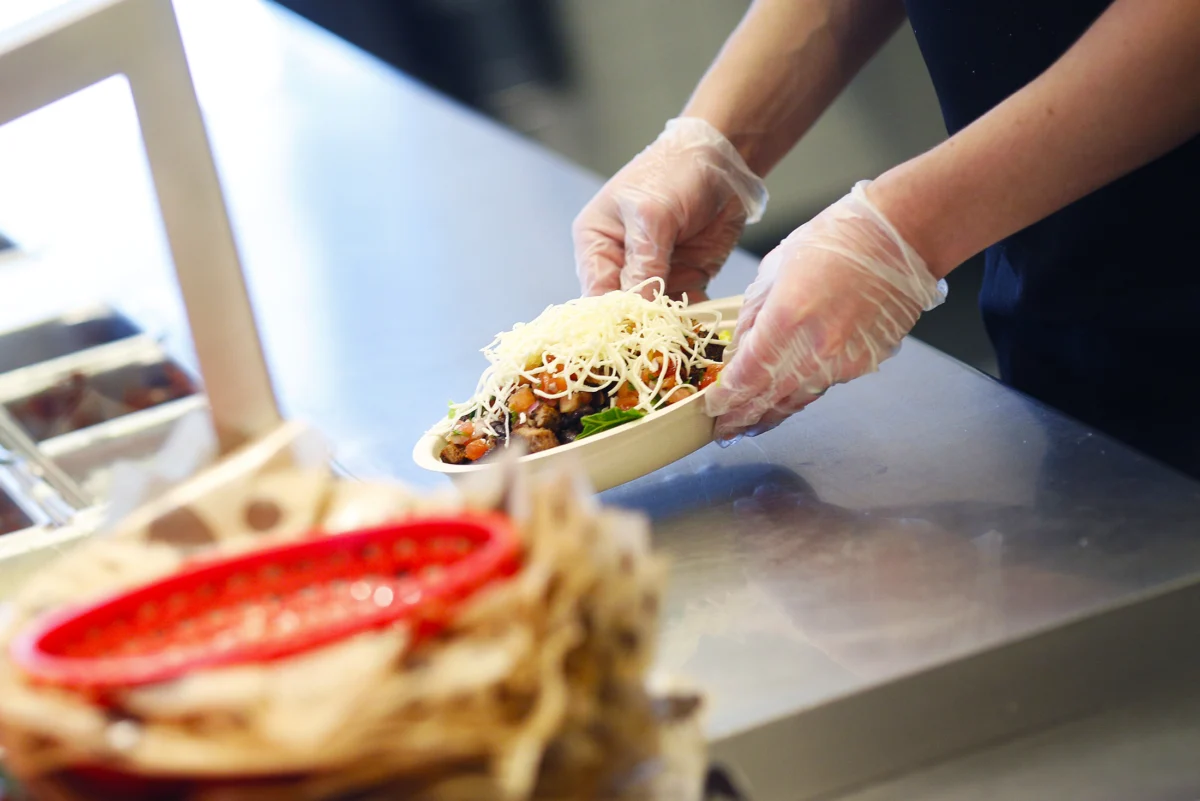
Steve Ells, the visionary behind the ubiquitous Chipotle Mexican Grill and the accidental inventor of the modern burrito bowl, is once again making waves in the fast-casual dining scene. In a recent interview with The Wall Street Journal, Ells revealed his latest venture, "Counter Service," a sandwich shop that is intentionally diverging from the very format that propelled his previous success. This pivot suggests a potential shift in consumer preferences and a recognition of saturation in the "bowl" market, a category Ells himself largely defined.
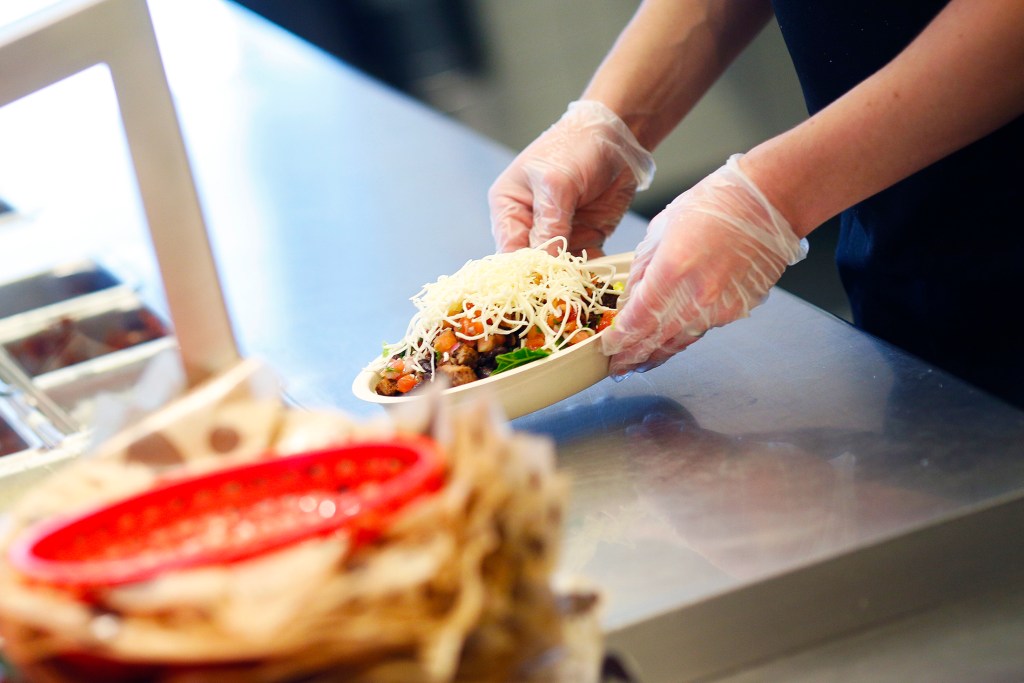
The genesis of the burrito bowl, now a staple on Chipotle’s menu and a global fast-food phenomenon, is attributed to an accidental creation in 2003. According to Ells, the concept emerged from a customer’s request for a bowl instead of a tortilla, a move that proved to be a masterstroke, catering to a growing demand for healthier and more customizable meal options. This innovation not only redefined fast-casual dining but also laid the groundwork for a significant portion of Chipotle’s explosive growth, contributing to its valuation soaring into the billions.
However, Ells now expresses a belief that consumers might be experiencing “slop bowl fatigue.” This provocative term hints at a potential oversaturation and a perceived lack of distinctiveness in the current fast-casual landscape, particularly within the bowl-centric segment. His new establishment, Counter Service, launched last year in New York City, represents a deliberate departure, focusing on the art of slow-roasted meats, artisanal bread, and meticulously crafted in-house sauces and relishes. This is a significant strategic shift from his immediate post-Chipotle endeavors, which included a foray into a robotics-driven vegan restaurant, a venture that highlighted his continued interest in technological integration within food service.
The Evolution of a Culinary Innovator
Steve Ells’s journey in the food industry is marked by a consistent pursuit of quality and a keen understanding of evolving consumer tastes. After stepping down as CEO of Chipotle in 2018, Ells remained involved as an executive chairman until his departure in 2020, allowing him to explore new culinary frontiers. His initial post-Chipotle venture, a vegan restaurant that explored the potential of automation, demonstrated his forward-thinking approach. However, this latest endeavor, Counter Service, appears to be a more grounded and traditional, albeit elevated, take on a classic fast-casual format: the sandwich.
The strategic decision to focus on slow-roasted meats and homemade bread is a direct counterpoint to the often standardized offerings found in many sandwich chains. Ells emphasizes the meticulous attention to detail at Counter Service. "The pieces of meat are not perfectly shaped like the things you see in these chain sandwich places," he stated in the Wall Street Journal interview, highlighting a commitment to authenticity and a less processed approach. This philosophy extends to the accompaniments: "We’re making all of our sauces and relishes and garnishes. It’s difficult to do these things." This dedication to in-house preparation underscores a belief that true culinary value lies in the effort and quality of ingredients, rather than sheer volume or speed of assembly.
Counter Service: A New Paradigm in Sandwich Craftsmanship
Counter Service aims to elevate the sandwich experience by focusing on a few core principles:
- Slow-Roasted Meats: Unlike pre-sliced or rapidly cooked meats, Counter Service utilizes slow-roasting techniques, a method that yields tender, flavorful, and texturally rich proteins. This approach requires more time and expertise but results in a superior product.
- Artisanal Bread: The foundation of any great sandwich, the bread at Counter Service is reportedly made in-house, suggesting a commitment to freshness, quality, and a distinctive texture that complements the slow-roasted fillings.
- In-House Sauces and Relishes: This is a critical differentiator. Many fast-casual establishments rely on commercially produced condiments. By crafting their own sauces and relishes, Counter Service aims to offer unique flavor profiles and a higher level of culinary sophistication. This also allows for greater control over ingredients and potential for seasonal variations.
- Technological Integration: While focusing on traditional culinary techniques, Ells hasn’t abandoned his interest in technology. Counter Service employs systems that flag incorrectly assembled orders, a feature that is part of a larger data-driven approach. This includes sales forecasting based on a sophisticated analysis of traffic, transit patterns, and weather data. This fusion of artisanal food preparation with intelligent operational technology is a hallmark of Ells’s modern approach to restaurant management.
Market Context and Potential Implications
The fast-casual dining sector has seen tremendous growth over the past two decades, with Chipotle being a prime example of its potential. The rise of the "build-your-own" model, epitomized by Chipotle’s bowls and burritos, empowered consumers with customization and perceived health benefits. However, the success of this model has also led to market saturation, with numerous competitors adopting similar strategies. This has, arguably, led to a situation where differentiation is becoming increasingly challenging.
Ells’s critique of "slop bowls" suggests that consumers may be seeking more than just convenience and customization; they may be yearning for a more curated and artisanal experience, even within the fast-casual framework. The sandwich, a universally understood and beloved food item, offers a familiar canvas for culinary innovation. By focusing on the quality of the core components – the protein, the bread, and the condiments – Ells is betting on a return to fundamentals, albeit executed with a modern sensibility and technological backing.
The expansion plans for Counter Service, with new locations slated for Charlotte and Dallas next year, indicate a strong belief in the concept’s scalability and market appeal beyond its initial New York City base. If successful, this move could signal a broader trend in the fast-casual industry, encouraging other brands to revisit traditional formats with a renewed emphasis on ingredient quality and artisanal preparation, potentially moving away from the one-size-fits-all approach that has characterized the bowl craze.
A Personal Culinary Evolution
Ells’s personal dining habits offer a compelling anecdote. After consuming Chipotle nearly every day for 27 years, he now reportedly dines at Counter Service with the same frequency. This personal endorsement, coming from the architect of the Chipotle phenomenon, carries significant weight. It suggests that Counter Service is not merely a business venture but a genuine expression of his current culinary passions and beliefs about what constitutes exceptional food.
The implications of this shift are multifaceted. For the broader restaurant industry, it could serve as a case study in adapting to evolving consumer desires. For consumers, it offers the promise of a more elevated and thoughtfully prepared sandwich experience. For Ells himself, it represents a new chapter, one where he aims to replicate his past success by fundamentally rethinking a different, yet equally popular, fast-casual staple. The success of Counter Service will be closely watched, as it could redefine what consumers expect from their everyday meals and signal the next evolutionary step in the ever-changing landscape of fast-casual dining. The legacy of the burrito bowl is undeniable, but Steve Ells appears determined to craft a new legacy, one built on the foundation of slow-roasted perfection and artisanal craft, proving that even the most successful innovations can evolve.