Ena Muazin
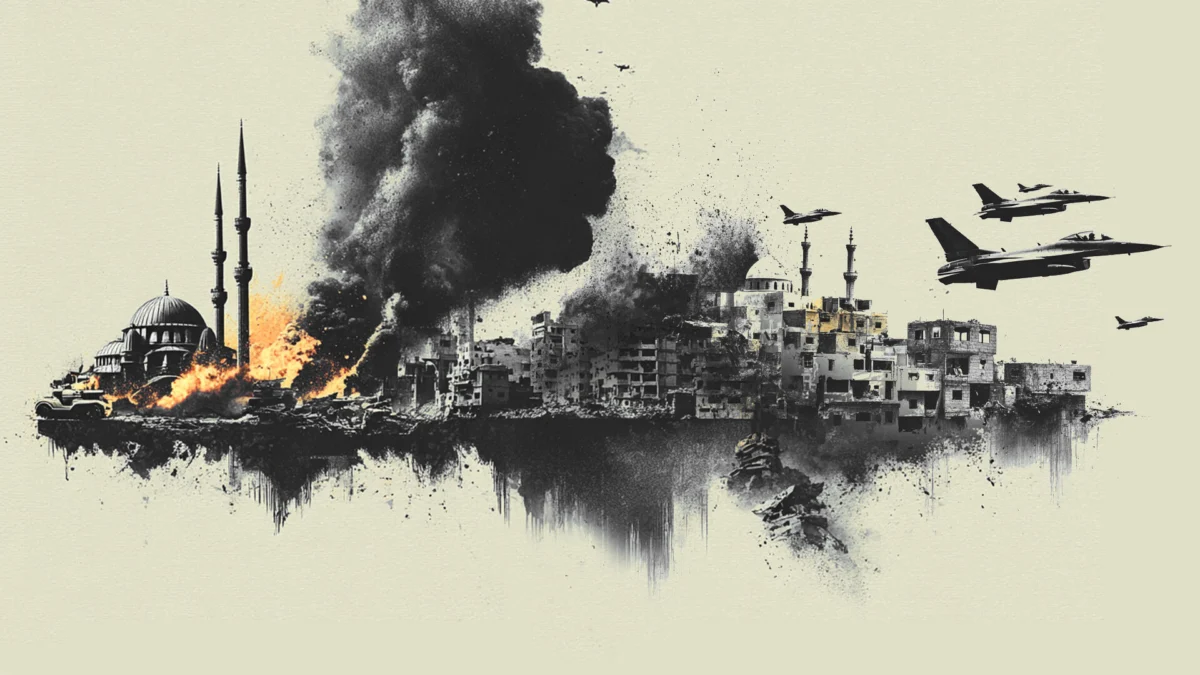
The escalating tensions and potential for a broader conflict involving Iran have cast a long shadow over the German economic outlook, prompting a sharp decline in financial experts’ sentiment. The widely watched barometer of economic expectations for the next six months plummeted dramatically in March, according to the latest survey by the Centre for European Economic Research (ZEW) in Mannheim. The index, which gauges the optimism of investors and analysts regarding future economic developments, dropped by an alarming 58.8 points to reach -0.5 points. This significant contraction from a positive outlook to a slightly negative one indicates a palpable shift in sentiment, with forecasters now anticipating a stagnation or even a mild contraction in economic activity in the coming half-year.
This outcome far exceeded the expectations of economists polled by Reuters, who had predicted a more moderate decline to 39.0 points. The stark divergence between the ZEW’s findings and economists’ prior forecasts underscores the intensity of the current economic anxieties, largely attributed to the volatile geopolitical situation in the Middle East. The ZEW survey, conducted among 178 investors and analysts, is a crucial indicator of market sentiment and often serves as a bellwether for future economic performance. The latest results suggest that the perceived risks associated with the Iran conflict have amplified, leading to a more cautious and pessimistic investment climate.
Escalating Geopolitical Tensions Fueling Economic Uncertainty
The root cause of this pronounced pessimism can be directly traced to the increasingly volatile situation in the Middle East, particularly concerning Iran. While the initial trigger for heightened tensions may have been specific incidents or policy shifts, the ripple effects have permeated global financial markets and significantly impacted the economic forecasts for Europe’s largest economy. The potential for a wider regional conflict, even if indirect, carries substantial economic implications. These include disruptions to global energy supplies, increased shipping costs and risks in vital trade routes, and a general increase in geopolitical risk premiums that dampen investment and consumer confidence.
The German economy, heavily reliant on exports and integrated into global supply chains, is particularly susceptible to such external shocks. Any disruption to energy imports, a critical component for German industry, could lead to production slowdowns and increased inflationary pressures. Furthermore, a prolonged period of heightened geopolitical uncertainty tends to stifle cross-border investment and trade, both of which are vital engines of German economic growth. The ZEW’s findings suggest that market participants are already factoring in these potential negative impacts, leading to a more cautious approach to future economic planning and investment decisions.
Timeline of Events and Shifting Market Sentiment
The period leading up to the March ZEW survey has been marked by a series of events that have progressively heightened geopolitical concerns. While a comprehensive timeline is complex and involves numerous diplomatic and military developments, key milestones have likely contributed to the recent downturn in economic sentiment.
Late 2023 – Early 2024: Initial escalations in regional proxy conflicts, often involving Iran-backed groups, began to draw increased international attention. These events, while not directly involving Iran in overt military confrontation, signaled a growing instability in the region.
January 2024: A series of retaliatory strikes and counter-strikes between Iran and some of its adversaries, including the United States and its allies, marked a significant increase in direct or near-direct confrontations. These actions raised fears of a broader conflagration.
February 2024: Continued military actions and diplomatic maneuvering in the region, coupled with statements from various international actors, kept the geopolitical situation at the forefront of global news and financial market discussions.
Early March 2024: The ZEW survey was conducted during this period of heightened awareness and concern regarding the potential for a wider Iran-related conflict. The timing of the survey, therefore, likely captured the prevailing anxieties of investors and analysts who were reassessing their economic outlook in light of these developments.
This chronological progression suggests a gradual but persistent increase in perceived risk, culminating in the sharp deterioration of economic expectations observed in the March ZEW survey. The lack of a clear de-escalation or a definitive resolution to the underlying tensions has likely contributed to the sustained pessimism.
Supporting Data: A Deeper Dive into Economic Indicators
To understand the full implications of the ZEW survey, it is essential to consider other relevant economic indicators that may be influenced by or reflect the current sentiment. While the ZEW index focuses on future expectations, existing data can provide a more nuanced picture of the current economic landscape.
Inflationary Pressures: The German economy has been grappling with inflation, and any disruption to energy supplies from the Middle East could exacerbate this issue. Oil prices, a direct barometer of geopolitical risk in the region, have shown volatility. For instance, Brent crude oil prices, which were trading around $75-80 per barrel in late 2023, have seen fluctuations, with spikes often correlating with heightened regional tensions. Any sustained increase in energy prices would translate into higher production costs for German businesses and reduced purchasing power for consumers, further dampening economic activity.
Export Performance: Germany’s strong export sector is a cornerstone of its economy. However, a global slowdown, potentially triggered or amplified by geopolitical instability, could lead to reduced demand for German goods. Data from Destatis, the German Federal Statistical Office, for the period leading up to March, might reveal early signs of slowing export orders, particularly from key trading partners in Europe and Asia, if they are also affected by global uncertainties.
Industrial Production: Germany’s industrial sector is energy-intensive. Any disruptions or significant price increases in energy could directly impact industrial output. Reports on industrial production from organizations like the Ifo Institute or official government statistics could show a weakening trend if companies begin to scale back operations due to cost pressures or supply chain concerns.
Consumer Confidence: While the ZEW survey primarily reflects the views of financial experts, consumer confidence is a crucial driver of domestic demand. If consumers perceive an increased risk of economic downturn due to geopolitical events, they may postpone major purchases, leading to a slowdown in retail sales and services. Surveys of consumer sentiment, such as those conducted by the GfK (Gesellschaft für Konsumforschung), would provide insights into this aspect.
Investment Trends: The negative ZEW sentiment directly points to a likely decline in investment. Data on capital expenditure by German companies, if available for the period, might indicate a more cautious approach to long-term investments, with a preference for liquidity and short-term hedging strategies.
The confluence of these potential economic pressures, amplified by the negative sentiment captured by the ZEW survey, paints a challenging picture for the German economy in the coming months.
Official Responses and Expert Analysis
The ZEW survey’s findings have inevitably drawn attention from economic policymakers and institutions. While direct official responses to a single survey might be limited, the trends it reveals are closely monitored.
Bundesbank and Government: The German central bank (Bundesbank) and the Ministry for Economic Affairs and Climate Action would undoubtedly be scrutinizing these results. Their analyses would likely focus on the duration and severity of the geopolitical tensions and their potential impact on inflation, growth, and employment. Policymakers might consider whether current monetary and fiscal policies are sufficiently robust to withstand external shocks.
International Organizations: Institutions like the International Monetary Fund (IMF) and the European Commission regularly assess the economic outlook for member states, including Germany. The ZEW’s pessimistic forecast would likely be factored into their upcoming reports, potentially leading to downward revisions of growth forecasts for the Eurozone as a whole.
Economists’ Perspectives: Beyond the ZEW survey itself, economists from various financial institutions and academic bodies are offering their interpretations. Many are likely to highlight the interconnectedness of global events and the German economy. The emphasis will be on the uncertainty surrounding the duration of the conflict and its potential to escalate, making it difficult to provide precise quantitative forecasts. The debate among experts will likely center on the probability of different scenarios, from a contained regional conflict to a more disruptive wider war, and their respective economic consequences.
Broader Impact and Implications for Germany and Beyond
The pessimism signaled by the ZEW survey extends beyond immediate economic indicators, touching upon broader implications for Germany and the wider European economic landscape.
Investment Climate: A sustained period of negative economic expectations can lead to a chilling effect on investment. German companies might delay or cancel expansion plans, and foreign direct investment could be redirected to regions perceived as more stable. This could hinder long-term growth potential and competitiveness.
Employment: While a slight contraction in expectations doesn’t immediately translate to mass job losses, a prolonged economic downturn could eventually impact the labor market. Companies facing reduced demand or increased costs might resort to hiring freezes or, in more severe cases, layoffs.
Trade Relationships: Germany’s strong reliance on global trade means that any disruption to international supply chains or a general decline in global demand could have significant repercussions. The conflict’s impact on energy prices also affects the competitiveness of German industries that are heavily reliant on energy imports.
Energy Security: The Middle East is a critical region for global energy supplies. Any instability there directly impacts oil and gas prices, which are vital for the German economy. The current situation reinforces the urgency for Germany to accelerate its transition to renewable energy sources and diversify its energy imports to reduce vulnerability to geopolitical shocks.
European Economic Cohesion: Germany plays a pivotal role in the European Union’s economy. A significant economic slowdown in Germany could have spillover effects on other member states, particularly those with strong trade ties. This could strain the economic cohesion of the Eurozone and necessitate coordinated policy responses.
In conclusion, the dramatic fall in the ZEW economic expectations index is a clear signal of the significant economic anxieties gripping Germany, largely driven by the escalating geopolitical situation involving Iran. The potential for energy price shocks, trade disruptions, and a general increase in global risk premiums has shifted the sentiment from cautious optimism to a more pessimistic outlook, with implications that extend far beyond immediate economic forecasts and underscore the interconnectedness of global stability and economic prosperity.