Ella Zulfa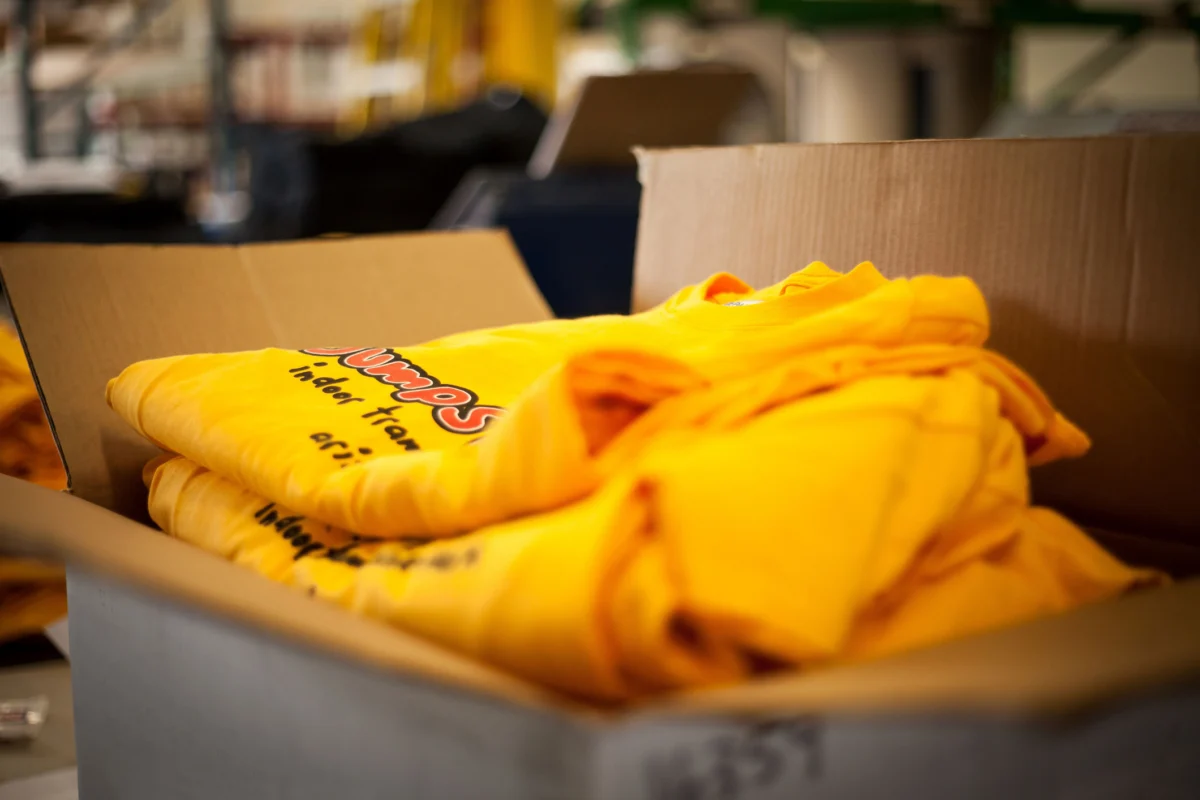
The proliferation of branded merchandise, from T-shirts to hoodies, has become a ubiquitous element of modern business culture. However, a critical examination of current pricing strategies reveals a disconnect between the actual cost of these items and the retail prices consumers are asked to pay. This practice, while seemingly a straightforward revenue stream, may be alienating customers and diminishing the potential brand-building power of merchandise. Businesses, particularly in the hospitality sector, are increasingly facing scrutiny for what appears to be an over-reliance on merchandise sales as a significant profit driver, often at the expense of customer perception and goodwill.
The Economics of Branded Apparel: A Closer Look at Costs
The fundamental cost of producing custom merchandise, such as T-shirts, hats, hoodies, and mugs, is remarkably accessible. Online platforms and wholesale distributors offer a wide array of customizable products with prices typically ranging from $5 to $15 per item, depending on material quality, design complexity, and order volume. While minimum order quantities and customization fees can add to the initial investment, the per-unit cost for the physical product remains relatively low. For instance, a basic Gildan Ultra Cotton T-shirt, a popular choice for promotional items, can be sourced for as little as $5-$7 in bulk, with custom printing adding an additional $2-$5 per shirt. Similarly, a standard fleece hoodie might cost between $15-$25 wholesale, before any branding.
Despite these modest production expenses, many businesses, particularly restaurants and bars, mark up these items significantly. Consumers frequently encounter T-shirts priced at $25-$40, hats at $20-$30, and hoodies upwards of $50, with some establishments charging as much as $80 for a single hoodie bearing their logo. This pricing strategy raises questions about the profit margins businesses are attempting to achieve and the underlying rationale for such substantial markups.
Customer Perceptions: The Growing Trend of "Nickel-and-Diming"
In an economic climate where consumers are increasingly sensitive to additional charges, the aggressive pricing of merchandise can exacerbate feelings of being overcharged. The hospitality industry, in particular, is often criticized for a litany of fees and surcharges that can accumulate, diminishing the overall value proposition for patrons. These can include credit card processing fees, minimum purchase requirements, table reservation fees, surcharges for specific dietary accommodations, and mandatory service charges.
When customers, already navigating these perceived financial pressures, are then confronted with a $80 hoodie, the reaction can be one of incredulité and resentment. This sentiment is often compounded by the often-unprepared nature of merchandise sales within these establishments. Anecdotal evidence suggests that staff may be unfamiliar with inventory, pricing, or even the existence of the merchandise, indicating that it may not be a primary focus for the business. This lack of dedicated sales infrastructure further suggests that the high price point may not be justified by operational efficiency or high sales volume.
Reimagining Merchandise: Strategies for Sustainable Brand Building
While the allure of immediate profit from merchandise is understandable, businesses are increasingly exploring alternative approaches that leverage branded products for broader, more sustainable benefits. These strategies aim to enhance customer loyalty, foster positive brand associations, and contribute to social good, rather than solely focusing on direct profit generation.
1. Charitable Partnerships: Merch with a Mission
One effective and increasingly popular strategy is to align merchandise sales with charitable causes. By designating a portion, or even all, of the profits from merchandise sales to a recognized charity, businesses can transform a potentially contentious transaction into a feel-good experience. Customers are more likely to purchase an item when they understand that their expenditure contributes to a meaningful cause.
- Data Point: Studies by organizations like Cone Communications have shown that 87% of consumers are more likely to buy a product from a company that advocates for an issue they care about. This indicates a strong consumer preference for socially responsible brands.
- Implication: This approach not only generates revenue but also enhances the company’s reputation and fosters a sense of community. Publicizing these charitable contributions, perhaps through a ceremonial check presentation or a dedicated section on the company website, can further amplify the positive impact and attract media attention.
2. Experiential Giveaways and Rewards
Instead of treating merchandise as a retail item, businesses can integrate it into their customer engagement strategies. Using branded apparel and accessories as prizes for contests, trivia nights, bingo, or other in-house events transforms the merchandise into a tangible reward for participation and loyalty.
- Context: This aligns with a broader trend in marketing that emphasizes experiences over transactional sales. By making merchandise an integral part of an enjoyable experience, businesses create positive emotional connections with their brand.
- Analysis: This strategy can drive foot traffic, encourage repeat visits, and generate organic social media content as winners proudly display their prizes. For example, a restaurant hosting a weekly trivia night could offer a branded T-shirt to the winning team, encouraging team participation and fostering a fun, competitive atmosphere.
3. Social Media Engagement and User-Generated Content
Leveraging social media platforms offers a dynamic way to utilize merchandise. Encouraging customers to share photos of themselves wearing or using branded products in exchange for rewards can generate significant user-generated content, which is often perceived as more authentic and trustworthy than traditional advertising.
- Example: A coffee shop could offer a free drink to any customer who posts a photo on Instagram wearing their branded hat, or a free entree to someone who shares a picture wearing their T-shirt from an exotic location. This incentivizes customers to become brand ambassadors, effectively promoting the business to their networks.
- Implication: This creates a viral marketing effect, expanding brand visibility at a relatively low cost. The engagement also provides valuable insights into customer demographics and geographic reach.
4. Rewarding Loyalty and High-Value Customers
For businesses with established customer bases, merchandise can serve as a powerful tool for recognizing and rewarding loyalty. Instead of expecting loyal patrons to purchase branded items at inflated prices, offering them as complimentary tokens of appreciation can significantly strengthen relationships.
- Chronology: For businesses that track customer spending and frequency (a practice increasingly facilitated by modern POS systems and CRM software), identifying top-tier customers is straightforward.
- Implementation: A simple "thank you" gift of a branded item for significant spending thresholds or for reaching loyalty program milestones can have a profound impact. For instance, a party of five spending $500 at a restaurant might receive a branded tote bag or a set of coasters as a gesture of appreciation. This reinforces their decision to patronize the establishment and encourages continued loyalty.
5. Strategic, Value-Driven Pricing
For businesses that do opt for direct merchandise sales, a fundamental shift towards value-based pricing is essential. Instead of aiming for exorbitant profit margins, businesses should consider pricing merchandise at a level that reflects its value as a souvenir and a symbol of brand appreciation, while still remaining accessible.
- Analysis: A T-shirt that costs $10 to produce could be reasonably priced at $15-$20. This allows for a modest profit margin while offering customers a perceived deal. The customer walks away feeling they have acquired a meaningful item at a fair price, reinforcing their positive experience with the brand.
- Data Point: According to marketing research firm Nielsen, price is a significant factor in purchasing decisions, with 64% of consumers citing it as a key consideration. By offering accessible pricing, businesses can increase sales volume and broaden their brand’s reach.
The Broader Impact: Building Brand Equity Through Appreciation
The way businesses approach merchandise sales has far-reaching implications for their overall brand equity. When merchandise is perceived as a cash grab, it can detract from the positive experiences customers have with the core products or services. Conversely, when merchandise is used as a tool for appreciation, community building, or social good, it can significantly enhance brand perception and foster deeper customer loyalty.
The current trend of excessively high markups on merchandise risks alienating a customer base that is already feeling the pinch of rising costs. Businesses that embrace more thoughtful and customer-centric merchandise strategies stand to gain not only from increased sales volume but also from enhanced brand reputation, greater customer engagement, and a more positive overall brand narrative. The true value of merchandise lies not in maximizing per-unit profit, but in its potential to create lasting positive impressions, foster community, and ultimately, contribute to the sustained growth and success of the business. By prioritizing customer appreciation and strategic brand building over aggressive profit maximization, businesses can unlock the full potential of their branded merchandise.