Ena Muazin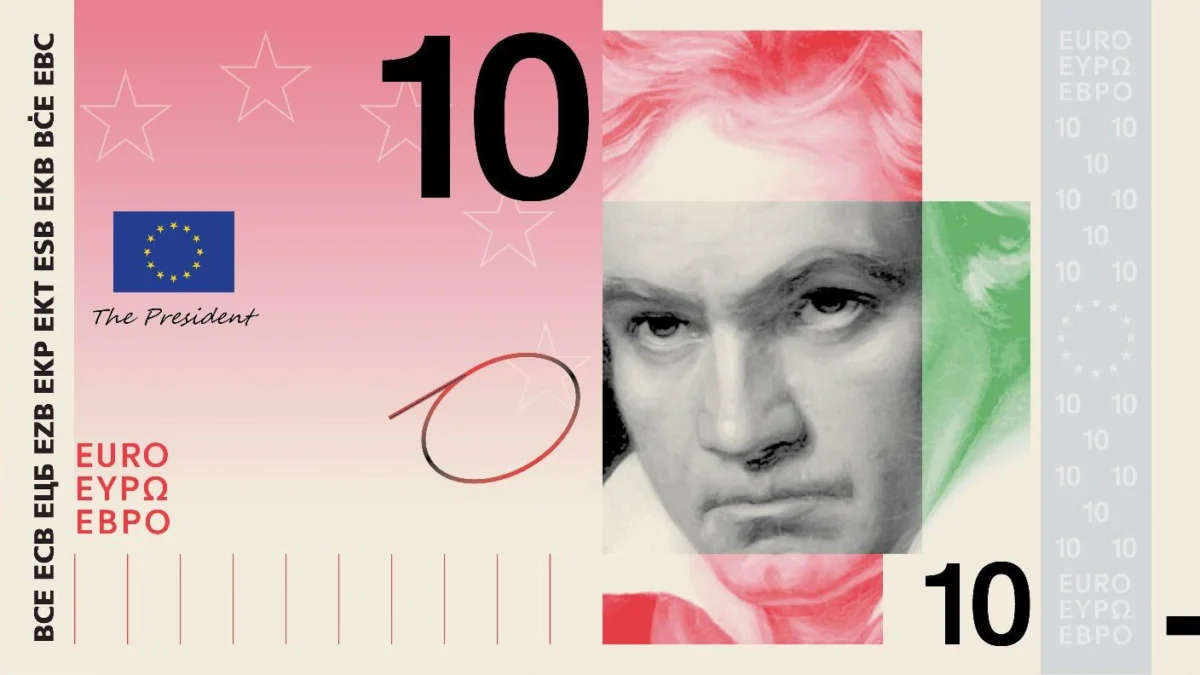
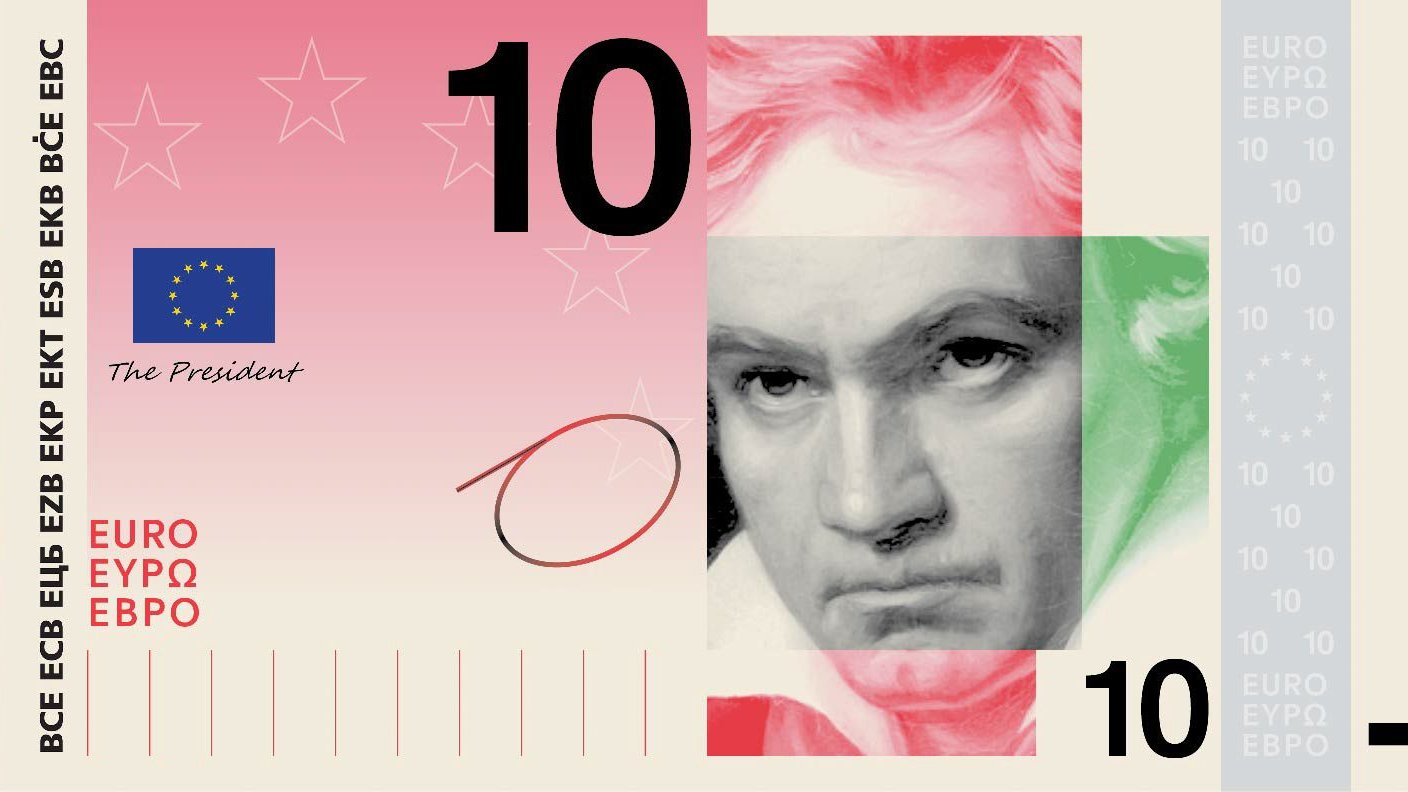
Frankfurt – The European Central Bank (ECB) has initiated a significant overhaul of the euro banknotes, a move that will see the currency receive a new design for the first time in over two decades. This strategic decision marks a departure from the current series of banknotes, which have been in circulation since their introduction in 2002. The ECB is actively engaging the public in this transformative process, inviting citizens across the Eurozone to participate in shaping the future appearance of their currency. Among the potential iconic figures being considered for the redesigned notes is Ludwig van Beethoven, the renowned classical composer, whose visage could soon grace European wallets.
A New Era for the Euro: Beyond Fictional Architecture
For more than twenty years, the euro banknotes have featured a consistent design language characterized by depictions of fictional architectural styles. This deliberate choice was intended to transcend national identities and symbolize a unified Europe, avoiding any association with specific historical figures, landmarks, or national narratives that could be perceived as favoring one member state over another. The current series, known as the "Europa series," was introduced to enhance security features and durability, with the first banknotes being released in 2013. However, the ECB’s latest initiative signifies a more profound evolution, aiming to imbue the currency with a renewed sense of identity and cultural resonance.
ECB President Christine Lagarde formally announced the redesign project, emphasizing its importance in reflecting the evolving identity of Europe. "More than a quarter of a century after the introduction of the euro, it is time for an update to make our banknotes more relatable to Europeans," Lagarde stated during a press conference. The central bank has outlined a multi-stage process to arrive at the final design, with public consultation being a cornerstone of this endeavor.
The Design Process: From Concept to Public Vote
The journey towards the new euro banknotes is a carefully orchestrated multi-phase initiative. The first phase, which has now commenced, involves extensive consultation with the public and various stakeholders. This includes engaging with citizens, industry professionals, and cultural institutions to gather diverse perspectives on what themes and imagery best represent modern Europe. The ECB has indicated that a shortlist of potential design themes will be developed based on this feedback.
Following the consultation, a dedicated jury, comprising experts from various fields such as art, history, and design, will be tasked with developing initial design concepts based on the selected themes. These concepts will then be presented to the public for a final vote. This democratic approach underscores the ECB’s commitment to ensuring the new banknotes are not only secure and functional but also resonate deeply with the people who use them daily.
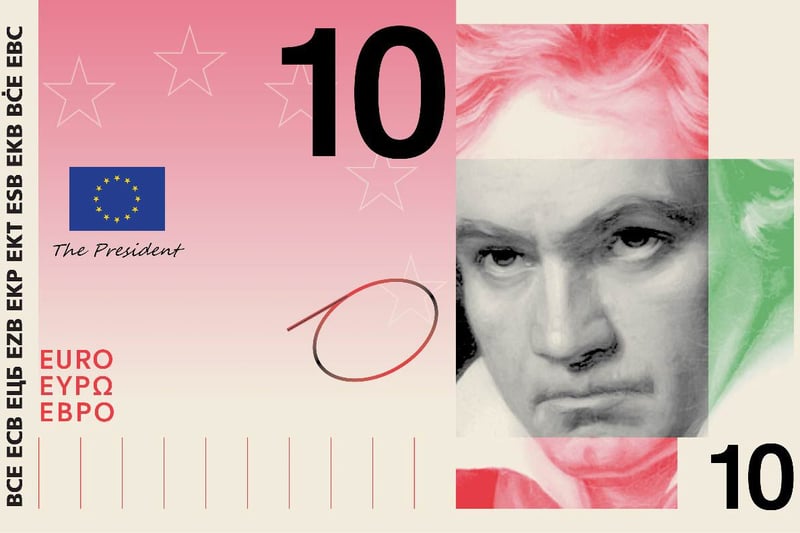
The potential inclusion of historical figures like Ludwig van Beethoven highlights a shift in approach. Beethoven, a German-born composer whose music has had a profound and lasting impact on global culture, represents a figure whose legacy transcends national borders and embodies artistic excellence and European heritage. His potential appearance on the €10 banknote, as suggested by preliminary visualizations, signifies a move towards recognizing and celebrating influential European cultural icons.
The Significance of the Euro and its Monetary Policy
The euro, introduced as an accounting currency in 1999 and as physical banknotes and coins in 2002, is the official currency of 20 of the 27 member states of the European Union. It is one of the world’s largest reserve currencies and a vital instrument for European economic integration. The ECB, headquartered in Frankfurt, Germany, is responsible for setting monetary policy for the eurozone, aiming to maintain price stability and ensure the smooth functioning of the financial system.

The current design of the euro banknotes comprises seven denominations: €5, €10, €20, €50, €100, €200, and €500. Each denomination features a different architectural style, progressing from classical to modern, symbolizing the openness and spirit of cooperation within the European Union. The security features on these banknotes are sophisticated, including watermarks, holograms, and microprinting, designed to prevent counterfeiting.
The decision to redesign the banknotes comes at a time when central banks globally are continuously updating their currency to incorporate advanced security features and reflect contemporary societal values. The move by the ECB to involve the public so directly in the design process is a notable step, aiming to foster a stronger connection between the currency and its users.

Background and Context: Evolving European Identity
The introduction of the euro was a landmark achievement in European integration, symbolizing a commitment to economic and political unity. The initial design of the banknotes, with their abstract architectural motifs, was a pragmatic solution to avoid nationalistic disputes. However, as Europe has evolved and its citizens have grown more accustomed to the euro, there has been a growing sentiment for the currency to reflect a more tangible and relatable aspect of European identity.
The increasing prevalence of digital payments and the ongoing evolution of currency technology also necessitate a forward-thinking approach to physical banknotes. While digital currencies and payment systems are becoming more prominent, banknotes continue to play a crucial role in everyday transactions, serving as a tangible symbol of sovereignty and a reliable store of value, especially during times of economic uncertainty or technological disruption.

Public Engagement: A Democratic Approach to Currency Design
The ECB’s commitment to public consultation is a significant aspect of this redesign. The bank has launched a dedicated website and initiated various communication channels to encourage broad participation. This inclusive approach aims to ensure that the final design reflects a consensus and a shared sense of ownership among the citizens of the Eurozone.
"We want to create euro banknotes that Europeans can identify with and be proud of," a spokesperson for the ECB commented. "This process is an opportunity for everyone to contribute to shaping a symbol of our shared European identity." The bank has stressed that while public opinion will be a guiding factor, the final decision will also consider the recommendations of the expert jury, ensuring a balance between popular appeal and artistic merit.

The potential inclusion of cultural figures like Beethoven, Leonardo da Vinci, or Marie Curie are among the suggestions being considered. These individuals represent diverse fields of human achievement and embody the intellectual and artistic richness of the European continent. The selection of such figures would imbue the banknotes with a deeper narrative, celebrating the continent’s contributions to art, science, and culture.
Implications and Future Outlook
The redesign of the euro banknotes is more than just an aesthetic update; it signifies a strategic effort by the ECB to strengthen the euro’s connection with its citizens and reinforce its status as a global currency. By inviting public participation, the ECB is not only enhancing the relatability of the banknotes but also fostering a sense of collective ownership and pride in the European project.

The process is expected to take several years, with the introduction of the new banknotes anticipated in the latter half of the decade. This timeline allows for thorough research, design development, production, and distribution. The ECB will need to manage the transition carefully, ensuring a smooth replacement of the old banknotes with the new series, while also maintaining the security and integrity of the currency.
The successful implementation of this redesign could lead to increased public engagement with the euro, potentially boosting confidence in the currency and its role in the European economy. Furthermore, it presents an opportunity to highlight the enduring cultural heritage of Europe, a continent that has been a cradle of innovation and artistic expression for centuries. As the ECB embarks on this significant undertaking, the eyes of Europe will be on Frankfurt, watching as the future of the euro begins to take shape, one design element at a time. The process itself serves as a powerful reminder of the ongoing evolution of European identity and the shared values that bind its diverse nations together.