Gilang Muhammad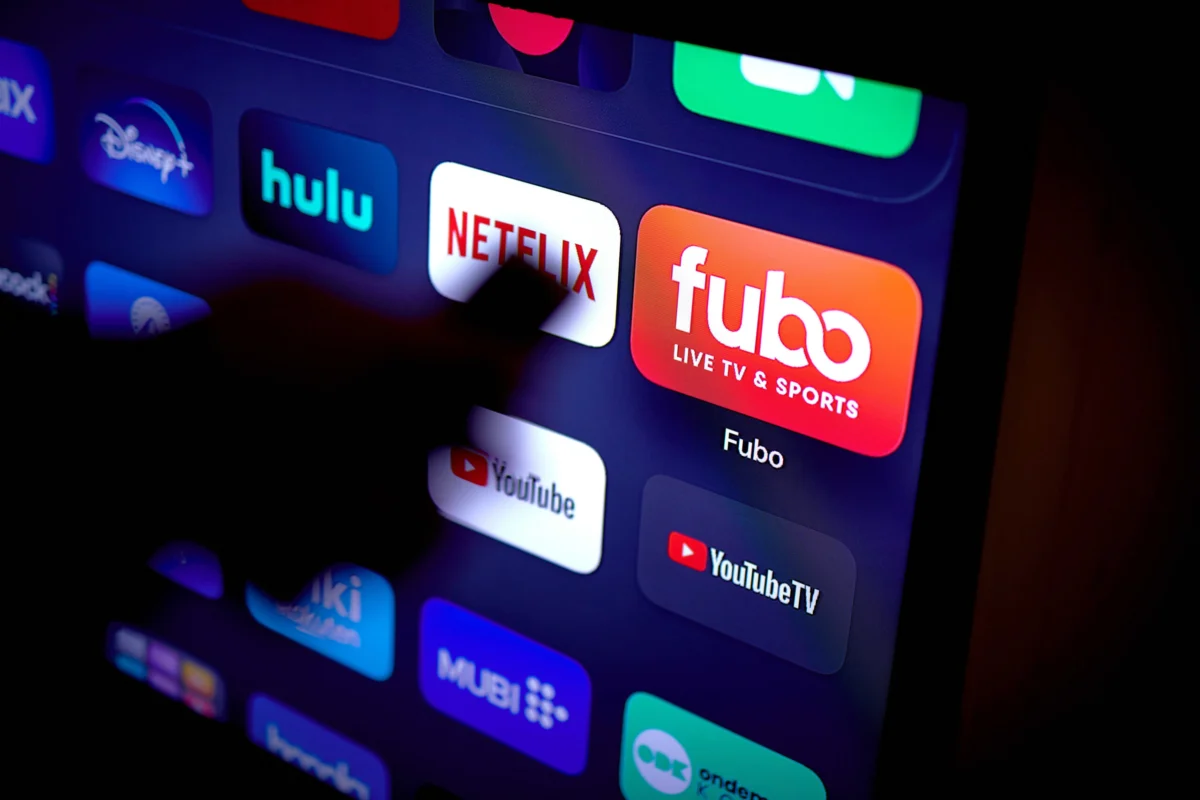
For decades, video games have stood as a ubiquitous and often affordable go-to hobby for millions of Americans, including Alyx Green. However, in recent years, this cherished pastime, alongside a spectrum of other leisure activities, has become increasingly unattainable for the 31-year-old Illinois graduate student, emblematic of a broader economic phenomenon dubbed "funflation." Green, once an avid purchaser of the latest gaming releases, now navigates a landscape of escalating costs by opting for cheaper alternatives from smaller studios, turning to more traditional board and card games, or, in a striking adaptation, simply watching others complete popular titles on YouTube rather than playing them himself. "The price has been going up," Green lamented, reflecting a widespread sentiment. "It’s just hard to keep up."
The term "funflation" initially emerged to describe the sharply higher prices for live, out-of-home experiences such as concerts and sporting events, which saw significant price surges following the lifting of pandemic lockdowns. The pent-up demand accumulated during periods of forced isolation, combined with supply chain disruptions and inflationary pressures, propelled ticket prices for major events to unprecedented highs. Consumers, eager to re-engage with social activities, often absorbed these increases. However, the economic strain previously confined to external entertainment is now insidiously creeping into the very sanctuaries of home leisure. A wave of recent price hikes from some of the world’s largest technology and entertainment companies, including Amazon, Apple, and Netflix, has transformed even at-home pastimes like streaming movies or playing video games into significant financial burdens for consumers like Green.
The Broadening Scope of "Funflation": From Stadiums to Living Rooms
Exclusive data analyzed for CNBC by PNC Financial Services reveals a tangible shift in consumer behavior. As pricing pressures intensified, the average American consumer notably pulled back on home entertainment spending in June compared to the previous year. This retrenchment was particularly pronounced among younger demographics, with Gen Z and Millennial consumers each cutting their entertainment-related transactions by approximately 4%. Brian LeBlanc, PNC’s senior economist, observed this trend with concern, stating, "Funflation is back in 2026. We’re seeing that very clearly in things like travel, entertainment, concerts. Now, we’re also starting to see it more in home leisure." This marks a significant evolution of "funflation," indicating that the economic squeeze on discretionary spending has permeated nearly every facet of recreational life.
The timeline of these price adjustments underscores the pervasive nature of this trend. In mid-2025, Apple initiated its third price increase in as many years for its Apple TV+ service. This was followed by similar moves in late 2025 from entertainment giants Disney and Warner Bros. Discovery for their respective streaming platforms, Disney+ and HBO Max. The new year brought no respite, with Spotify announcing subscription price increases in January 2026, followed by Amazon hiking the price of its ad-free Prime Video tier and Netflix raising prices across all its streaming plans in March 2026. The gaming sector soon mirrored these trends. In May 2026, Nintendo announced an 11% increase in the price of its highly anticipated Switch 2 console in the U.S. Just a month later, in late June, both Microsoft’s Xbox division and Apple confirmed price hikes for their devices, with Apple acknowledging the "not welcome news" in an official statement.
Hardware Hits: The Gaming Industry’s Struggle
The gaming industry, long a bastion of relatively stable hardware pricing (adjusted for inflation and technological advancements), has been particularly affected. Companies have largely attributed these increases to the soaring cost of components, primarily driven by an acute memory chip crunch. This crunch, in turn, is a direct consequence of the insatiable demand from the burgeoning artificial intelligence sector, which requires vast quantities of high-performance memory. AI development has rapidly consumed available chip manufacturing capacity, driving up prices for all electronic device manufacturers.
Deborah Weinswig, founder of Coresight Research, warned that these significant price increases could inevitably price out a substantial segment of consumers, particularly those already grappling with broader economic anxieties. The implications are not lost on industry leaders. Asha Sharma, CEO of Xbox, expressed profound concern in recent interviews, stating that gaming is becoming increasingly unaffordable. "We’ve reached a point where it will be hard to imagine that mass audiences can afford thousands of dollars to spend on a console generation," Sharma remarked during a Fortune event early last month. This acknowledgment of an affordability crisis within the gaming industry is significant, leading Microsoft to re-evaluate its strategy. The company announced thousands of layoffs within its Xbox unit in early July 2026 and plans to spin off several gaming studios, signaling a strategic pivot towards making less-costly hardware and potentially diversifying its revenue streams beyond premium console sales. This move highlights the profound impact of "funflation" on even the largest players in the entertainment sector, forcing them to adapt to evolving consumer purchasing power.
Reversing a Trend: The End of Cheap Tech and the Cost of Power
Historically, computers and related electronic devices experienced a continuous decline in price, adjusted for inflation and increasing capacity, due to advancements in manufacturing efficiency and economies of scale. This disinflationary trend provided consistent relief for shoppers, making technology more accessible over time. However, Elizabeth Renter, a senior economist at NerdWallet, notes that this long-standing trend has begun to reverse. As component costs, especially for memory chips, continue their upward trajectory, the era of ever-cheaper tech appears to be drawing to a close, adding another layer to the "funflation" dilemma.
Compounding the cost of devices is the surging expense of electricity required to power them. Homebodies, spending more time indoors and utilizing these devices, alongside essential appliances like air-conditioning units during increasingly hot summers, are facing significantly higher utility bills. Government data indicates that electricity prices have skyrocketed by 45% since the beginning of 2019. This dramatic increase is partially attributable to supply shocks tied to geopolitical events, notably the Russian invasion of Ukraine in 2022, which disrupted global energy markets, and the subsequent war with Iran in 2026, further exacerbating energy price volatility and contributing to inflationary pressures across the board. The interplay of expensive hardware and costly electricity creates a double burden for consumers seeking in-home entertainment.

"Streamflation" and Shifting Viewing Habits
The phenomenon of "streamflation" has become a particularly sharp point of contention for consumers. Following the earlier price increases from Disney+, HBO Max, and Apple TV+ in 2025, the first half of 2026 saw a cascade of similar announcements from other major players. Spotify raised its premium subscription prices in January, citing increased operating costs and the need to invest in new content. Netflix, a pioneer in the streaming space, followed suit in March, raising prices across all its plans, a move it has periodically undertaken to fund its extensive original content production. Amazon also increased the price for its ad-free Prime Video tier in March, reflecting a broader industry trend towards monetizing content more aggressively.
These repeated price hikes have forced consumers to re-evaluate their streaming habits. Fiona Williams, a 40-year-old project manager, epitomizes this adaptive strategy. She regularly subscribes to services to watch specific content, then cancels them to keep her monthly spending manageable, often maintaining no more than one at a time. In some instances, she skips subscriptions altogether. For example, rather than purchasing a Peacock membership for the newest season of the popular dating show "Love Island," Williams opts to follow along with the latest developments by watching clips and summaries on social media platforms. "It’s a balancing act," Williams explained. "But I’m never maintaining more than one at a time, because it’s just too expensive."
This consumer fatigue has created an opportunity for alternative models. Tubi, the free, ad-supported streaming service from Fox Corp., has seen its viewership numbers, in some cases, exceed those of its subscription-based rivals. Executives at Fox have openly bet that consumers, tired of the relentless march of monthly subscription costs, would be increasingly willing to endure advertisements in exchange for free content. This strategic gamble appears to be paying off, indicating a potential shift in the streaming landscape as consumers prioritize cost-effectiveness.
Beyond Screens: Alternative Leisure and Data Disparities
The Akron, Ohio, resident, Fiona Williams, has also found solace and affordability in an entirely different form of downtime: reading books. This traditional pastime offers a stark contrast to the inflationary trends observed in digital entertainment. The Bureau of Labor Statistics (BLS) provides compelling data on these divergent paths. Since the start of 2019, the price of subscribing to or renting videos and video games has surged by a staggering 53%. Over the same period, TV services climbed by 27%, and music subscriptions increased by 14%. In sharp contrast, the prices of recreational books have actually fallen by 4%, making them an increasingly attractive and cost-effective leisure option in an inflationary environment. This highlights a significant disparity in how "funflation" impacts various leisure categories, pushing consumers towards activities that have maintained or even reduced their costs.
Persistent Out-of-Home "Funflation" and Broader Implications
While the focus has broadened to in-home entertainment, out-of-home "funflation" categories continue to exert upward pressure on prices. PNC’s data analysis for 2026 confirms annual inflation spikes in sectors like sporting events and amusement park visits. These service categories are once again a significant contributor to the core personal consumption expenditures (PCE) price index, which is the Federal Reserve policymakers’ preferred measurement of inflation. This indicates that the central bank’s efforts to manage overall inflation are complicated by persistent price increases in discretionary spending areas.
A prime example of this persistent out-of-home "funflation" is the 2026 FIFA World Cup, co-hosted by the U.S., Canada, and Mexico. TicketData reported that the median ticket price for matches in the U.S. has topped an astonishing $900. When questioned about widespread fan anger over these exorbitant costs, FIFA President Gianni Infantino offered a justification rooted in scarcity and opportunity. He told CNBC that attending a World Cup match in the U.S. represented a "once-in-a-lifetime opportunity," asserting that demand far outstripped that of previous tournaments. While this perspective acknowledges the unique nature of the event, it does little to assuage the financial concerns of average fans.
Economists are increasingly warning that sustained higher prices on recreational activities, whether enjoyed at home or out, can significantly intensify the average consumer’s economic pessimism. The University of Michigan’s closely followed consumer sentiment index has plummeted to record lows in recent months, reflecting widespread anxieties about inflation, economic stability, and the ability to maintain living standards. For individuals like Alyx Green, the impact is deeply personal and extends beyond mere financial inconvenience. "The ability to play games and get out of my own life for a second was a major way for me to have some sort of happiness," Green explained, articulating a sentiment likely shared by many. "Now, the overall economy is getting worse, and I don’t have any distractions from it."
The pervasive "funflation" thus represents more than just a squeeze on discretionary income; it is eroding a critical outlet for stress relief and personal well-being for many Americans. As companies grapple with rising component costs and geopolitical instabilities, and as consumers face an increasingly expensive landscape for both essential goods and cherished leisure activities, the implications for economic stability and societal contentment remain significant and complex. The adjustments being made by consumers, from seeking free alternatives to abandoning hobbies, and the strategic shifts undertaken by corporations like Microsoft and Fox, underscore a transformative period in how Americans engage with and afford their entertainment.
— CNBC’s Natalie Rice contributed to this report.