Ella Zulfa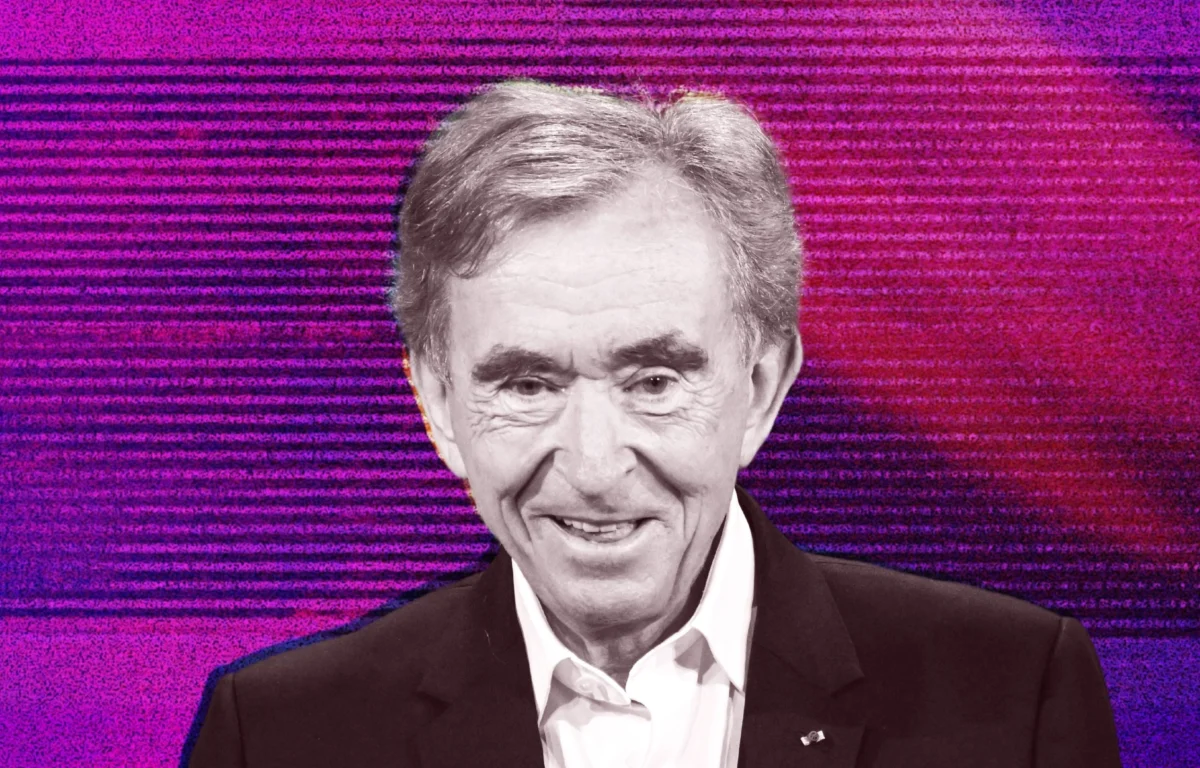
Bernard Arnault, the formidable chairman of LVMH Moët Hennessy Louis Vuitton, has long been a figure shrouded in an aura of unyielding business acumen. For over a decade, the moniker "the wolf in cashmere" has been a consistent descriptor, painting a portrait of a shrewd and perhaps ruthless leader navigating the opulent world of luxury goods. Similarly, he has been dubbed "the Terminator," a testament to his relentless pursuit of market dominance and the acquisition of prestigious brands. Yet, in a surprising turn of events, it appears that a single, unexpectedly humorous social media post has achieved what millions of dollars in philanthropic endeavors and brand-building initiatives failed to accomplish: a significant shift in his public perception.
For years, Arnault, the world’s wealthiest individual according to various financial publications, embarked on a concerted effort to humanize his image. This strategic campaign involved substantial investments in cultural institutions and high-profile sponsorships. The rationale was clear: by associating LVMH and its umbrella of luxury brands with esteemed artistic endeavors and globally recognized events, Arnault aimed to soften his reputation and imbue his empire with a sense of cultural gravitas.
A Decade of Image Management: Philanthropy and Sponsorships
The timeline of Arnault’s image-conscious efforts stretches back at least ten years, coinciding with a period of intense scrutiny on his business practices and personal dealings. Among the most significant investments were those in the arts and culture. LVMH has been a prominent patron of various museums and art foundations, sponsoring exhibitions and contributing to restoration projects. This approach aimed to position Arnault not just as a businessman, but as a custodian of heritage and a supporter of creativity, a narrative often associated with the very luxury brands he commands.
One of the most visible initiatives was LVMH’s substantial commitment to the rebuilding of Notre Dame Cathedral in Paris following the devastating fire in April 2019. Arnault and his family pledged €200 million (approximately $224 million at the time) towards the restoration efforts, a move widely reported and lauded. This philanthropic gesture, while undoubtedly contributing to a positive narrative, was seen by some as a strategic alignment with a national treasure, further embedding LVMH and its chairman within the cultural fabric of France.
Beyond cultural patronage, Arnault also turned to the realm of major sporting events. LVMH became a premium partner of the Paris 2024 Olympic Games, a decision that generated considerable buzz. This sponsorship offered unparalleled visibility on a global stage, connecting the LVMH brand with the values of excellence, performance, and international unity. The association with the Olympics was intended to project an image of dynamism and global leadership, further distancing Arnault from the "ruthless" label.
The Le Monde Investigation and the "Wolf in Cashmere" Persona
Despite these extensive efforts, the "wolf in cashmere" persona persisted. This enduring image was, in part, fueled by the nature of the luxury industry itself, which often thrives on exclusivity, aspiration, and a degree of mystique. Arnault’s business model, characterized by strategic acquisitions and a relentless focus on profitability, also contributed to his reputation as a formidable and sometimes unforgiving negotiator.
A critical turning point that brought this long-standing image into sharp relief was an investigative series published by the esteemed French newspaper Le Monde. The series, which delved into the inner workings of LVMH and Arnault’s business empire, reportedly presented a critical perspective on the group’s operations and Arnault’s leadership style. While the specific details of the investigation were not fully elaborated in the initial reports, such deep dives often scrutinize aspects of corporate governance, labor practices, and market influence, potentially reinforcing existing perceptions of power and control.
The X Factor: A Sarcastic Open Letter Goes Viral
It was in response to this Le Monde series that Bernard Arnault unleashed what would become a watershed moment in his public relations strategy. Instead of issuing a formal rebuttal or engaging in a protracted legal battle, Arnault opted for a less conventional approach. He penned a three-page open letter, which was subsequently published on X, formerly known as Twitter, through the LVMH press account.
The content of this letter marked a significant departure from the expected corporate communication. Rather than directly refuting the claims made by Le Monde, Arnault adopted a tone of self-aware humor and playful sarcasm. He reportedly poked fun at some of the more peculiar accusations leveled against him and the group. One anecdote that garnered particular attention involved a humorous take on being accused of requiring visitors who wore Hermès ties to change their attire, a detail that, while likely exaggerated or taken out of context by the investigative report, served as a perfect springboard for Arnault’s witty response.
The strategic brilliance of this approach lay in its unexpectedness. The billionaire, known for his reserve and meticulous control, demonstrated a willingness to be vulnerable and to laugh at himself. This stark contrast to his long-cultivated image immediately captured the attention of the public and the media.
The Virality and the Impact on Public Perception
The open letter, disseminated across X, achieved remarkable traction. Within a short period, it garnered over 8 million views, a significant metric for any piece of content, let alone a formal response from a corporate leader. The widespread dissemination was amplified by organic sharing and commentary, suggesting a broad resonance with its unconventional approach.
The impact of this post extended beyond mere viewership numbers. It elicited praise from influential figures in the business and financial world, most notably billionaire investor Bill Ackman. Ackman, a prominent voice on social media and a keen observer of corporate strategies, publicly lauded Arnault’s response, highlighting its effectiveness in humanizing the LVMH chairman. This endorsement from a respected peer likely lent further credibility and amplified the positive reception of Arnault’s maneuver.
The success of the letter was so profound that it emboldened Arnault to take a further step in engaging with the platform. Just days after the open letter went viral, Arnault, at the age of 77, created his own X account. His inaugural post was a personal expression of gratitude to those who had shared and engaged with his open letter. This move, characterized by its genuine appreciation and direct address to the online community, further cemented the shift in his public persona. This personal thank-you message quickly amassed over 11.5 million views, demonstrating a sustained and heightened level of interest in Arnault’s online presence and his newfound approach to public communication.
Analysis: The Power of Authenticity and Self-Deprecation
The case of Bernard Arnault offers a compelling case study in modern reputation management. For years, LVMH and its chairman invested heavily in traditional public relations strategies: grand gestures of philanthropy, high-profile sponsorships, and carefully curated brand messaging. While these efforts undoubtedly contributed to the overall strength and prestige of the LVMH empire, they seemingly failed to dislodge the deeply ingrained image of a formidable and perhaps intimidating business magnate.
The viral success of the sarcastic open letter suggests a broader trend: the increasing value placed on authenticity and human connection in the digital age. In a world saturated with polished corporate messaging, a moment of genuine, self-deprecating humor can cut through the noise and resonate more powerfully than any meticulously crafted campaign. Arnault’s willingness to acknowledge, and even playfully mock, the criticisms directed at him demonstrated a level of confidence and self-awareness that is often lacking in high-profile figures.
This shift can be analyzed through several lenses:
- The "Humanization" Effect: By allowing a glimpse of his personality and sense of humor, Arnault became more relatable. The "wolf in cashmere" became a person who could be amused by the very descriptions used to characterize him. This humanization is crucial in an era where consumers and stakeholders increasingly seek connection with the brands and leaders they engage with.
- The Power of Social Media as a Direct Channel: X (formerly Twitter) provided Arnault with a direct, unmediated platform to communicate with the public. Bypassing traditional media outlets allowed for a more personal and immediate exchange, fostering a sense of direct dialogue.
- The Impact of Unexpectedness: The corporate world often operates with a degree of predictability. Arnault’s response was a deviation from the norm, and this element of surprise likely contributed to its viral spread and positive reception.
- The Evolving Definition of "Luxury": While luxury has historically been associated with exclusivity and perfection, there is a growing appreciation for brands and leaders who exhibit authenticity and a willingness to engage with imperfections. Arnault’s approach tapped into this evolving definition, suggesting that true luxury can also encompass wit and self-awareness.
Broader Implications for Corporate Communication
The implications of Arnault’s recent success extend beyond his personal brand. For corporations and their leaders, this incident serves as a powerful reminder that while substantial investments in PR and corporate social responsibility are important, they may not always be sufficient to shape public perception.
The lesson is clear: sometimes, a little bit of humanizing mess, a dose of self-deprecating humor, and a willingness to engage directly and authentically on social media can be far more effective in softening a ruthless image than millions spent on traditional image-building exercises. The digital landscape offers unprecedented opportunities for leaders to connect with their audiences on a more personal level, and when wielded with wit and intelligence, these platforms can become powerful tools for redefining reputation.
As Bernard Arnault, the titan of the luxury industry, continues to lead LVMH, his recent foray into viral humor suggests a new chapter in his public life. The "wolf in cashmere" may have found a more palatable, and perhaps more effective, way to navigate the complexities of public perception in the 21st century – by embracing the power of a well-timed, and remarkably funny, tweet. The long-term impact of this shift will undoubtedly be observed as Arnault and LVMH continue to engage with the public, but the immediate takeaway is that in the arena of reputation, sometimes, wit trumps wealth.