Lina Wu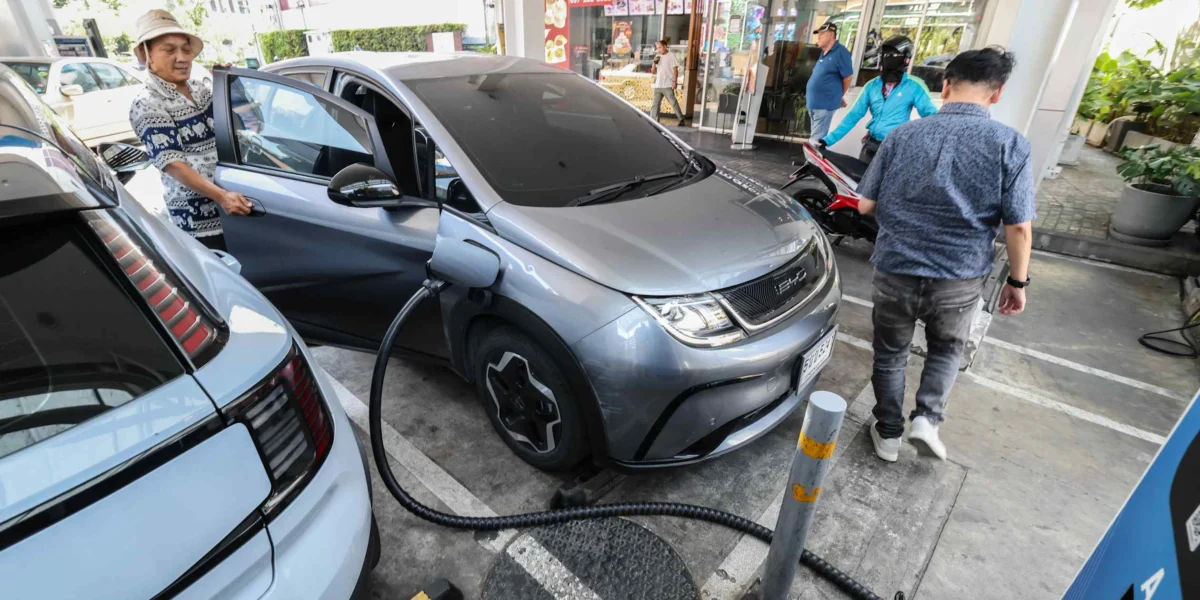
Thailand’s auto sector exhibited continued signs of recovery in July, marking the strongest increase in domestic vehicle sales since January and the first return to production growth since March, a testament to the burgeoning electric vehicle (EV) market and a stabilizing economic environment. The Kingdom, long a regional powerhouse in automotive manufacturing and sales, has navigated a complex period of economic headwinds and shifting consumer preferences, with recent data indicating a significant upswing. This resurgence is not merely a statistical anomaly but reflects deeper trends in consumer adoption of new energy vehicles and a gradual easing of supply chain constraints that had previously hampered production.
July Sales Surge Signals Shifting Consumer Preferences
In July, domestic vehicle sales in Thailand experienced a notable uptick, representing the most substantial month-on-month increase recorded since the beginning of the year. While specific figures for July were not detailed in the initial report, this acceleration in sales underscores a growing consumer appetite for new vehicles. This surge is particularly significant given the prevailing economic conditions, which have seen inflation and interest rate concerns impacting consumer spending across various sectors. The automotive market, often a sensitive barometer of economic health, appears to be rebounding with renewed vigor.
The driving force behind this sales boom is undeniably the rapid expansion of the electric vehicle segment. With an increasing number of manufacturers launching competitive EV models and government incentives designed to promote adoption, consumers are demonstrating a strong preference for electric alternatives. This trend is mirrored globally, but Thailand’s commitment to becoming a regional EV hub has accelerated this transition. Public charging infrastructure is expanding, and the variety of EV models available, catering to different price points and consumer needs, is growing exponentially. This burgeoning demand for EVs has not only boosted overall sales figures but has also incentivized further investment in local production and assembly of these vehicles.
Production Rebounds: A Crucial Indicator of Sector Health
Beyond sales, the return of vehicle production to growth in July, for the first time since March, is a critical indicator of the sector’s recovering health. For months, automotive manufacturers in Thailand have grappled with challenges ranging from semiconductor shortages to logistical disruptions, which have impacted their ability to meet demand. The current growth in production suggests that these supply chain bottlenecks are gradually easing, allowing factories to ramp up output. This is crucial for sustaining sales momentum and for maintaining Thailand’s position as a key automotive manufacturing base in Southeast Asia.
The revival in production is likely a result of several converging factors. Global supply chains, while still facing some pressures, have shown signs of stabilization. Furthermore, manufacturers have likely diversified their sourcing strategies and implemented more resilient production models. The increasing demand for EVs also necessitates a ramp-up in the production of specific components and vehicles, contributing to the overall growth figures. This renewed production capacity will be vital for meeting both domestic and export market needs, bolstering the industry’s contribution to the Thai economy.
Background: Thailand’s Automotive Landscape and the EV Transition
Thailand has historically been a cornerstone of automotive manufacturing in Southeast Asia, often referred to as the "Detroit of Asia." The country has attracted significant foreign direct investment from global automakers, establishing a robust ecosystem of parts suppliers and assembly plants. For decades, the sector has been a major contributor to Thailand’s GDP and employment. However, the global shift towards electrification presented both an opportunity and a challenge.
Recognizing the transformative potential of EVs, the Thai government has been actively promoting the transition. Initiatives have included tax incentives for EV purchases, subsidies for manufacturers investing in local EV production, and ambitious targets for EV adoption. The "30@30" policy, aiming for 30% of automotive production to be electric vehicles by 2030, is a prime example of this forward-looking strategy. This policy has encouraged major players, including Chinese manufacturers like BYD, to establish a significant presence in the Thai market, both through sales and local production.
The image accompanying the initial report, depicting a BYD electric vehicle being charged at a public station in Bangkok, is a potent visual representation of this ongoing transformation. BYD, a leading global EV manufacturer, has made substantial inroads into the Thai market, with its vehicles becoming increasingly visible on the roads. This increased presence is not only a result of successful marketing and competitive pricing but also reflects the growing acceptance of EVs by Thai consumers. The expansion of charging infrastructure, as illustrated in the photograph, is a critical enabler of this transition, addressing one of the primary concerns for potential EV buyers.
Supporting Data and Industry Trends
While specific July sales and production figures require further official release, industry analysts have been tracking several key trends that support the observed recovery. Data from the Federation of Thai Industries (FTI) has previously indicated that the automotive industry faced significant challenges in late 2022 and early 2023 due to global semiconductor shortages and rising raw material costs. This led to production cuts and slower sales growth for traditional internal combustion engine (ICE) vehicles.
However, the narrative began to shift in late 2023 and early 2024 with the accelerated introduction of new EV models and more aggressive pricing strategies from manufacturers. For instance, reports from the first quarter of 2024 indicated a significant year-on-year increase in EV sales, often exceeding 100% in some months. This rapid growth in the EV segment has provided a crucial buffer against any lingering weaknesses in the ICE market.
Looking at production, the rebound in July suggests that the challenges of securing critical components like semiconductors have lessened. Manufacturers have also become more adept at managing inventory and production schedules in a dynamic global environment. The increasing localization of EV production, including battery manufacturing, further strengthens Thailand’s position and reduces reliance on imported components, thereby improving production stability.
Reactions and Official Responses
The positive developments in July are likely to be met with cautious optimism from industry stakeholders and government officials. Representatives from the FTI and the Ministry of Industry have consistently emphasized the importance of the automotive sector to Thailand’s economy and have been vocal about their commitment to supporting its transition to EVs.
Following the initial reports of sales and production increases, it can be inferred that officials would likely express satisfaction with the trajectory of the recovery. They may reiterate the government’s commitment to policies that foster investment in EV manufacturing and promote consumer adoption. Statements would likely highlight the success of current incentive programs and potentially signal future measures to further bolster the sector.
Automakers themselves would undoubtedly welcome the improved sales and production figures. For manufacturers heavily invested in EV technology, such as BYD, MG, and the established Japanese players who are increasingly introducing hybrid and electric options, this trend validates their strategic direction. They would likely express confidence in the Thai market’s potential and may announce further expansion plans or new model introductions.
Broader Impact and Implications
The sustained recovery of Thailand’s auto sector has far-reaching implications.
- Economic Growth: A strong automotive sector is a significant contributor to Thailand’s GDP. Increased production and sales translate into higher manufacturing output, job creation, and export revenues, all of which are vital for overall economic growth.
- Foreign Investment: The positive trajectory of the sector, particularly in the burgeoning EV space, is likely to attract further foreign direct investment. Thailand’s established manufacturing base, coupled with its government’s supportive policies, makes it an attractive destination for global automakers and component suppliers looking to tap into the Southeast Asian market.
- Environmental Goals: The shift towards EVs, driven by increased sales and production, aligns with Thailand’s commitment to reducing carbon emissions and improving air quality, particularly in urban centers like Bangkok. This transition is crucial for meeting national and international environmental targets.
- Technological Advancement: The growth of the EV market fosters innovation and the adoption of new technologies within the automotive industry and related sectors, such as battery technology, charging infrastructure, and digital services.
- Consumer Benefits: For consumers, the recovery means greater vehicle availability and potentially more competitive pricing. The growing availability of EVs also offers consumers more environmentally friendly and potentially cost-effective transportation options in the long run.
However, challenges remain. The global economic outlook is still subject to uncertainties, and the automotive industry is sensitive to fluctuations in consumer confidence and disposable income. The transition to EVs also requires substantial investment in charging infrastructure, grid capacity, and workforce retraining. The continued success of Thailand’s auto sector will depend on its ability to navigate these complexities and capitalize on the opportunities presented by the global shift towards sustainable mobility. The July data offers a strong indication that Thailand is on the right track, leveraging its manufacturing prowess to embrace the future of automotive transportation.