Farhan Pambudi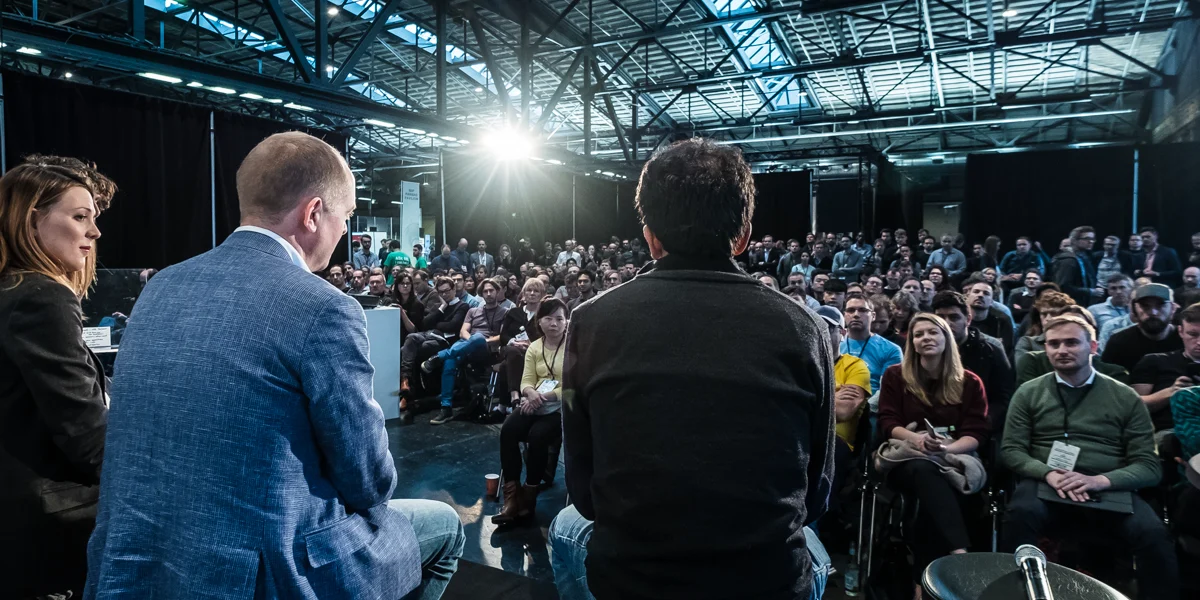
The countdown has officially begun for one of the global technology sector’s most anticipated gatherings, as TechCrunch Disrupt 2026 prepares to return to the Moscone West convention center in San Francisco from October 13 to 15. With the deadline for speaker applications set for 11:59 p.m. PT tonight, the organizers have issued a final invitation to founders, venture capitalists, industry operators, and technical experts to submit their proposals. This annual event serves as a primary barometer for the health and direction of the global startup ecosystem, providing a platform where the next generation of "unicorns" and technological breakthroughs are often first identified.
For over a decade, TechCrunch Disrupt has functioned as a cornerstone of the Silicon Valley calendar, and the 2026 iteration aims to address a rapidly shifting landscape characterized by the maturation of artificial intelligence, new challenges in fintech regulation, and the evolving requirements of global digital infrastructure. The event is expected to draw more than 10,000 attendees, ranging from early-stage entrepreneurs seeking their first seed rounds to seasoned institutional investors managing multi-billion-dollar portfolios.
The Strategic Importance of Disrupt 2026 in the Current Tech Climate
The timing of TechCrunch Disrupt 2026 is significant, occurring during a period of intense transformation within the technology industry. As the "hype cycle" surrounding initial generative AI breakthroughs begins to transition into a phase of practical implementation and scaling, the industry is looking for leaders who can provide actionable roadmaps for the future. The 2026 agenda is specifically designed to highlight several key pillars of innovation: artificial intelligence, scaling strategies, fintech, infrastructure, robotics, and the broader future of innovation.
Historically, Disrupt has been the stage where companies like Dropbox, Fitbit, and Cloudflare gained early momentum. By inviting a diverse range of speakers—from the "boots on the ground" operators to the strategic minds at major VC firms—TechCrunch aims to facilitate a high-level exchange of ideas that can help steer the industry through current economic uncertainties. The 2026 event will place a particular emphasis on "scaling," a topic that has become increasingly critical as founders move away from the "growth at all costs" mentality of previous years toward a model of sustainable, profitable expansion.
Detailed Session Formats: Breakouts and Roundtables
To ensure a productive exchange of information, TechCrunch Disrupt 2026 has structured its content into two primary formats, each catering to different styles of learning and networking.
High-Impact Breakout Sessions
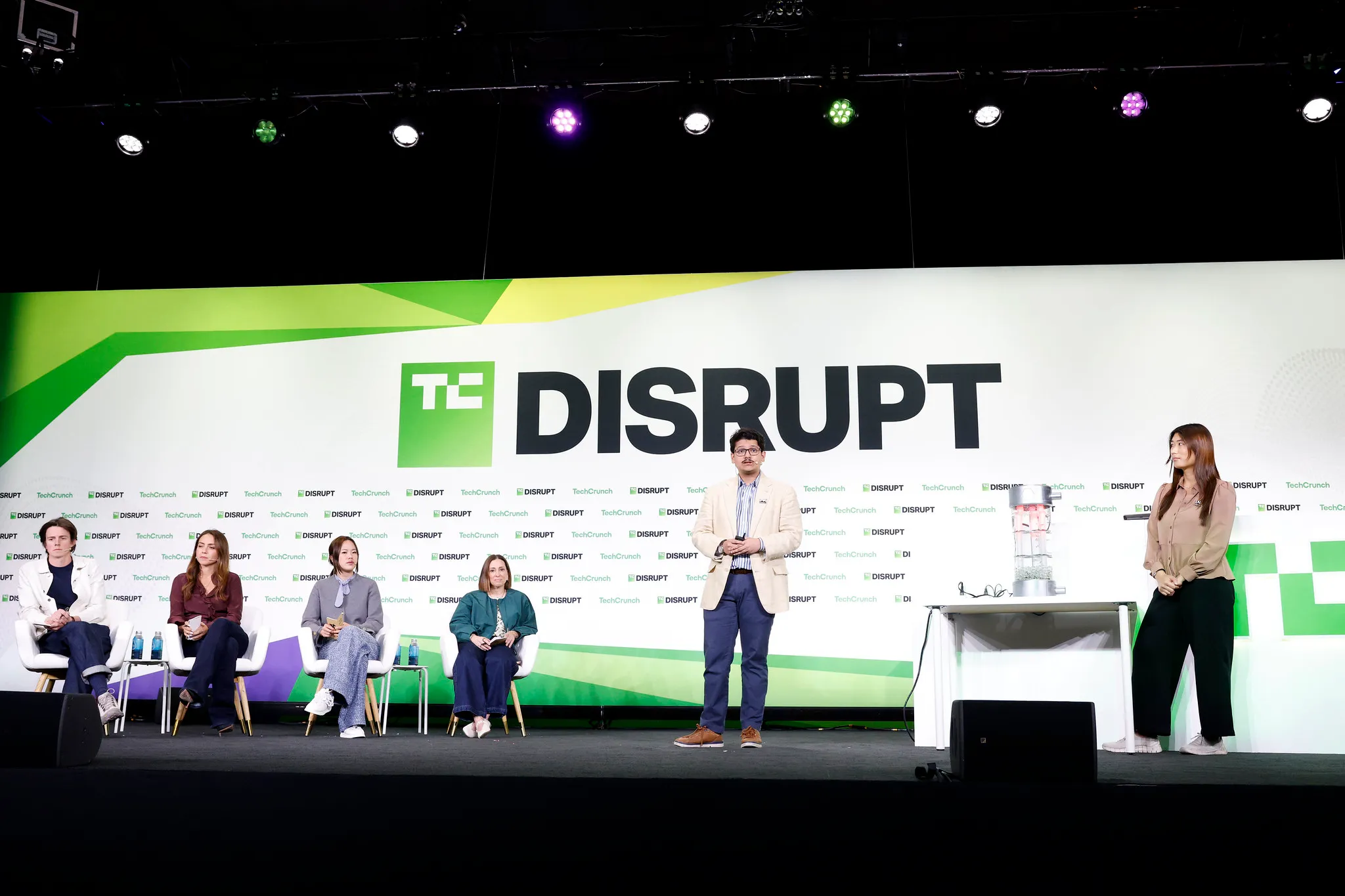
Breakout sessions are designed for speakers who wish to present structured insights to a larger audience. These sessions are 30 minutes in duration and can accommodate up to four speakers, including a moderator. A significant portion of the session—20 minutes—is dedicated to a live Q&A with the audience. With a capacity of approximately 100 attendees, these sessions are intended to bridge the gap between high-level keynote speeches and intimate group work. They are ideal for experts who have developed specific frameworks or have data-driven case studies to share regarding market trends or operational efficiency.

Collaborative Roundtables
The Roundtable format represents a more informal, yet highly focused, approach to knowledge sharing. These 30-minute discussions are limited to 40 participants and explicitly forbid the use of slides or traditional audiovisual presentations. The goal is to foster genuine conversation and peer-to-peer learning. Roundtables are particularly effective for addressing nuanced industry challenges, such as navigating the complexities of AI ethics, managing remote engineering teams, or discussing the intricacies of late-stage liquidity in a volatile market.
The Selection Process: A Multi-Tiered Approach to Quality
The path to the Disrupt stage is rigorous, reflecting the high standards of the TechCrunch editorial team. The application process is not merely a submission of names but a proposal of specific, valuable content.
- Editorial Review: Every application submitted by tonight’s deadline will undergo a thorough review by TechCrunch’s editors. This initial phase ensures that the topics are timely, the speakers are qualified, and the content is free from overt promotional bias.
- Audience Choice Vote: In a move to democratize the event’s programming, finalists from the editorial review will be put to a public vote. TechCrunch readers and the broader tech community will have the opportunity to vote for the sessions they find most compelling. This "Audience Choice" element ensures that the final schedule reflects the actual interests and needs of the people who will be attending the conference.
- Final Programming: Once the votes are tallied, the successful applicants are notified and integrated into the official three-day schedule.
This process is designed to filter out generic corporate presentations in favor of "hard-won" insights from individuals who have navigated the realities of building and funding modern technology companies.
Historical Context and the San Francisco "AI Renaissance"
The return to Moscone West is symbolic. San Francisco has undergone a significant narrative shift over the last few years. While headlines once focused on "tech flight," the city has seen a massive resurgence as the global epicenter of artificial intelligence. By hosting Disrupt 2026 in the heart of the city, TechCrunch is leaning into this "AI Renaissance."
Data from the past several Disrupt events suggest that the geographic concentration of talent still plays a vital role in deal-making. According to previous event reports, thousands of meetings are held during the three-day window, often leading to millions of dollars in committed capital. The 2026 event aims to capitalize on this density, providing a physical venue for the digital-first era’s most important conversations.
Industry Implications: Why Speaking at Disrupt Matters
For founders and experts, taking the stage at Disrupt is often a career-defining moment. Beyond the immediate visibility to 10,000 attendees, the content is frequently covered by international media outlets, amplifying the speaker’s message to a global audience.
Industry analysts suggest that in an era where digital noise is at an all-time high, physical stages like those at Disrupt provide a "signal" that helps investors and potential partners identify market leaders. For a robotics startup or a fintech infrastructure provider, being selected to speak is a form of validation that can significantly shorten the sales cycle or the fundraising process.

Furthermore, the emphasis on infrastructure and robotics in the 2026 call for content suggests a shift toward "hard tech." As software-as-a-service (SaaS) markets become increasingly saturated, the industry is looking toward the physical world for the next wave of disruption. Speakers who can articulate how AI will interact with physical systems or how decentralized infrastructure will support the next generation of the internet are expected to be in high demand.
Chronology of the Disrupt 2026 Cycle
To understand the scope of the event, one must look at the timeline leading up to the October showcase:
- May 2026: Final Call for Content. This is the critical window for experts to stake their claim on the agenda.
- Summer 2026: Editorial review and the launch of the Audience Choice voting platform. This period involves intense community engagement and promotion by the finalists.
- Late Summer 2026: Announcement of the final speaker lineup and the release of the full conference schedule.
- October 13–15, 2026: The live event at Moscone West. This includes the Startup Battlefield competition, keynote addresses, breakout sessions, and networking events.
Conclusion: A Final Opportunity for Tech Leaders
As the clock ticks toward the 11:59 p.m. PT deadline, the urgency for potential speakers is clear. TechCrunch Disrupt 2026 is positioning itself not just as a conference, but as a defining moment for the technology industry as it enters the second half of the decade.
The organizers are looking for individuals who do not just observe the industry but actively shape it. Whether through a data-rich breakout session or a high-engagement roundtable, the speakers selected for 2026 will have a unique opportunity to influence the trajectory of the tech ecosystem. For those with actionable insights and real-world experience, the window to apply is closing, but the potential impact of participating in Disrupt 2026 remains vast.
The tech community now looks toward tonight’s deadline, after which the focus will shift to the Audience Choice vote and the eventual gathering of 10,000 leaders in San Francisco this October. The conversations started during this application phase will undoubtedly become the headlines of tomorrow.