Farhan Pambudi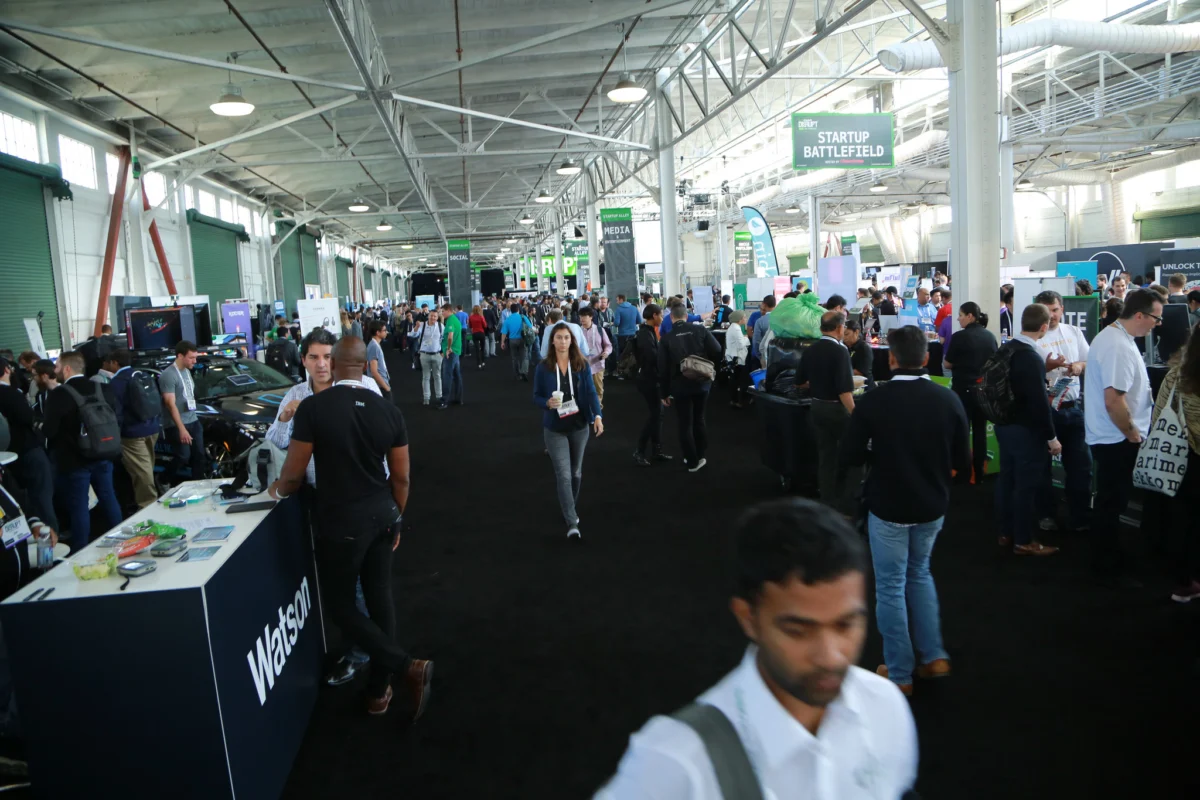
The window for emerging technology companies to secure a dedicated physical presence at one of the industry’s most influential gatherings is rapidly closing, with exhibit table bookings for TechCrunch Disrupt 2026 scheduled to terminate tonight, Friday, September 18, at 11:59 p.m. PT. This deadline marks the final opportunity for startups to integrate into the official Expo Hall floor, a space traditionally viewed as a primary catalyst for venture capital engagement and strategic partnership formation. As the tech ecosystem continues to navigate a complex funding environment, the urgency to secure face-to-face time with institutional investors has transformed this year’s booking process into a highly competitive, first-come, first-served race for visibility.
TechCrunch Disrupt 2026 is slated to take place from October 13 to 15 at the Moscone West convention center in San Francisco. The event is expected to draw a crowd exceeding 10,000 attendees, comprising a diverse cross-section of the global tech economy, including founders, venture capitalists, operators, and high-level corporate executives. For the startups participating, the Expo Hall serves as a three-day live demonstration platform, allowing them to showcase proprietary technologies to an audience specifically looking for the next wave of market-disrupting products.
Strategic Significance of the Expo Hall and Exhibit Packages
The $12,500 exhibit package offered for the 2026 summit is designed as a comprehensive entry point for growth-stage and early-stage startups. The package includes a 6-foot by 30-inch exhibit table for the duration of the three-day event, along with 10 team passes, providing broad access for staff to engage in lead generation and networking. Beyond the physical footprint, the package grants founders access to specialized networking infrastructure, most notably the Deal Flow Café and dedicated Investor-to-Founder Networking sessions. These curated environments are engineered to bypass the traditional frictions of "cold" outreach, facilitating direct conversations between those seeking capital and those looking to deploy it.
Industry analysts suggest that the value of such exhibit spaces has risen in recent years as digital marketing costs have climbed and the efficacy of remote networking has plateaued. According to data from various trade show organizers, leads generated through in-person product demonstrations have a 30% higher conversion rate into follow-up meetings compared to leads acquired through digital webinars or social media outreach. For a startup, the Expo Hall is not merely a display area but a high-density environment where the cost of customer acquisition can be significantly lowered through concentrated networking.
Event Chronology and Key Deadlines
The path to TechCrunch Disrupt 2026 follows a strict timeline that dictates the level of access and the cost of participation for various stakeholders. The conclusion of exhibit table bookings tonight represents the first major administrative hurdle for the 2026 cycle. Following this, the next critical date on the calendar is September 25, which marks the end of regular ticket pricing. Prospective attendees who miss the exhibit deadline can still participate as general attendees, with the potential to save up to $200 on registration fees if they book before the price increase takes effect next week.

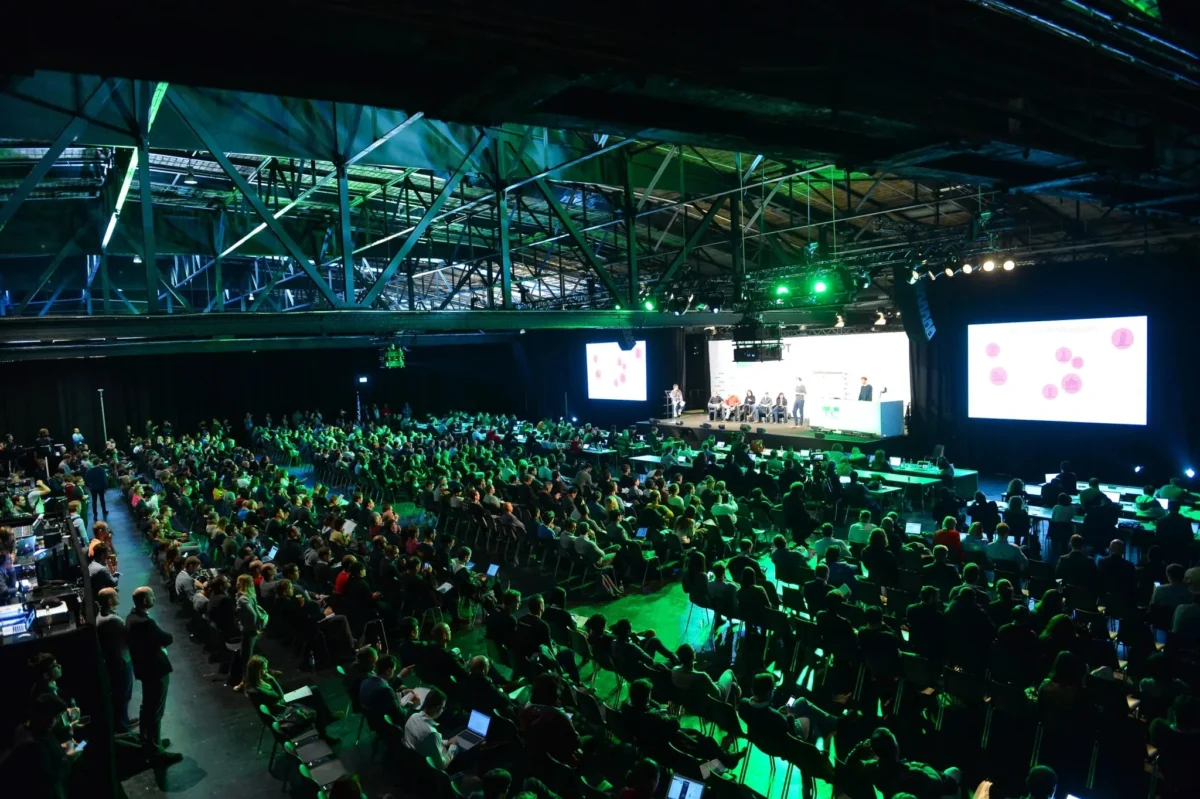
The event itself, spanning mid-October, is structured to maximize the density of information exchange. The three-day summit will feature over 200 sessions across six industry-specific stages, providing deep dives into sectors such as artificial intelligence, sustainability, fintech, and SaaS. The Startup Battlefield 200—an elite cohort of startups selected by TechCrunch editors—will also be a focal point, running parallel to the general Expo Hall activities. This chronological progression from the September administrative deadlines to the October live event underscores the logistical scale required to host one of the world’s largest concentrations of tech talent.
Contextualizing the San Francisco Tech Landscape in 2026
The return to Moscone West is a symbolic and strategic choice for TechCrunch. San Francisco has seen a significant resurgence as the global epicenter of artificial intelligence development, with a reported 40% of all venture capital in the United States flowing into Bay Area-based companies in the previous fiscal year. By hosting the event in the heart of the city, Disrupt 2026 taps into a localized density of talent and capital that is difficult to replicate in other tech hubs.
Furthermore, the 2026 summit arrives at a time when the "Series A Crunch" remains a significant topic of discussion among founders. While seed-stage funding has remained relatively accessible, the bar for Series A and B rounds has risen, requiring startups to demonstrate not only innovative technology but also clear paths to revenue and market fit. The Expo Hall acts as a proving ground where founders can gather real-time feedback from the market, potentially refining their pitches and business models in the days leading up to high-stakes investor meetings.
Supporting Data: The Impact of Disruptive Showcasing
Historical data from previous iterations of TechCrunch Disrupt suggests a strong correlation between event participation and subsequent funding success. Companies that have debuted or exhibited at Disrupt have collectively raised billions of dollars in follow-on funding. Notable alumni of the event’s various programs include household names like Dropbox, Mint, and Fitbit, all of which utilized the platform to gain initial momentum.
In a survey of previous Disrupt attendees, approximately 75% of founders reported that the primary benefit of exhibiting was the ability to meet investors they would otherwise not have had access to. Additionally, 60% of exhibitors noted that the event led to at least one significant partnership or customer contract within six months of the show. These statistics highlight the "Disrupt Effect," where the concentrated media coverage and the presence of top-tier VCs create a halo effect for participating startups, elevating their brand profile within a crowded marketplace.
Inferred Reactions from Founders and Investors
While official statements regarding the 2026 deadline are focused on logistical compliance, the sentiment among the founder community is one of calculated urgency. Many early-stage CEOs view the $12,500 investment as a significant but necessary portion of their marketing budget. The consensus among founders is that the cost of the table is often offset by the efficiency of having 10,000 potential leads come to them, rather than the founders having to travel for individual meetings.

On the investor side, the Expo Hall is viewed as a "living database." Venture capitalists often utilize the AI-powered matchmaking tools provided by the event to filter for startups within their specific thesis areas—such as "Generative AI for Enterprise" or "Climate Tech Infrastructure." For investors, the value lies in the ability to see a live demo and meet the founding team in person, which remains a critical component of the due diligence process. The closure of the exhibit bookings tonight effectively sets the menu of options for these investors come October.
Broader Implications for the Global Tech Ecosystem
The closure of exhibit bookings for TechCrunch Disrupt 2026 serves as a bellwether for the health of the startup ecosystem. A sold-out Expo Hall indicates a robust appetite for growth and a willingness among startups to invest in physical presence despite economic headwinds. It also reflects the ongoing relevance of San Francisco as a hub for innovation, even as other cities like Austin, Miami, and London compete for tech dominance.
The implications of the sessions held across the six industry stages will likely resonate throughout the following year. As 250+ tech leaders take the stage to discuss the future of the industry, the themes established at Disrupt often become the talking points for the next fiscal year’s investment cycles. For companies not exhibiting, the focus shifts to the 200+ sessions and the AI-powered matchmaking services, which allow general attendees to maintain a high level of connectivity.
As the 11:59 p.m. PT deadline approaches, the finalization of the Expo Hall floor plan will move the event into its next phase of production. For the startups that have secured their place, the next month will be spent on demo preparation and outreach strategy. For those who miss the window, the focus will turn to the remaining ticket tiers and the opportunity to engage with the ecosystem as participants in the sessions and networking events that define the Disrupt experience. The tech world now looks toward October 13, when the doors to Moscone West will open to reveal the companies that managed to claim their spot before the clock ran out.