Putri Inara
The sports and digital media landscapes have recently converged on a singular realization: the strategies governing the growth of physical communities often mirror those required for digital success. Pickleball, a sport characterized by its hybrid origins and rapid accessibility, has emerged as more than a recreational trend; it has become a case study in strategic engagement and scalable growth. For digital content creators and professional bloggers, the mechanics of the game—from the "dink" shot to the management of the "kitchen"—provide a blueprint for navigating the increasingly competitive attention economy.
The Historical Context of Pickleball: From Backyard Experiment to Global Phenomenon
The origins of pickleball date back to 1965 on Bainbridge Island, Washington. It was conceived by three fathers—Joel Pritchard, Bill Bell, and Barney McCallum—who sought to create a recreational activity that the entire family could play together. Utilizing a badminton court, lowered nets, and improvised equipment including handmade plywood paddles and a perforated plastic ball, the founders established a sport that borrowed elements from tennis, badminton, and table tennis.
The trajectory of the sport remained relatively niche for several decades until a massive surge in the early 2020s. According to the Sports & Fitness Industry Association (SFIA), pickleball has been the fastest-growing sport in the United States for three consecutive years. By 2023, the number of participants had climbed to approximately 8.9 million in the U.S. alone, representing a 158.6% increase over a three-year period. This growth pattern parallels the evolution of blogging, which transitioned from personal weblogs (vlogs) in the late 1990s to a multi-billion-dollar content marketing industry that now serves as the backbone of digital commerce and brand authority.
Strategic Commonalities: The Micro-Growth Model
The primary lesson for digital publishers lies in the sport’s "start small" philosophy. Pickleball began as a localized solution to boredom and evolved through grassroots enthusiasm. Similarly, the most successful digital properties often begin with a narrow focus—a single post or a specific niche—before scaling into comprehensive content hubs.
Industry analysts note that the barrier to entry in pickleball is remarkably low, requiring minimal specialized equipment compared to sports like golf or ice hockey. This mirrors the "low-friction" entry point of blogging, where a creator can launch a platform with minimal overhead. However, in both fields, the transition from amateur to professional requires a shift from mere participation to tactical execution.
The Power of Simplicity: The ‘Dinking’ Strategy in Content Design
In the technical lexicon of pickleball, a "dink" is a soft, controlled shot intended to land in the opponent’s non-volley zone, or "the kitchen." The objective of the dink is not to overpower the opponent but to control the pace of the game and wait for a strategic opening.
In the context of digital publishing, "dinking" represents the art of radical simplicity. As information density increases, readers increasingly favor content that is digestible, well-structured, and devoid of unnecessary jargon. Professional content strategy now emphasizes:
- Clarity over Complexity: High-performing articles often utilize shorter paragraphs and clear headings.
- Strategic Pacing: Delivering value in small, consistent increments rather than overwhelming the reader with a "hard sell" or overly dense technical data.
- User Experience (UX): A clean layout and intuitive navigation function as the "soft touch" that keeps a reader engaged without causing cognitive fatigue.
Community Dynamics: The Rally as a Feedback Loop
A "rally" in pickleball is a sustained exchange of shots that requires both players to remain focused and reactive. For a blogger, the rally is the interaction between the creator and the audience. Data from digital marketing firms like HubSpot suggest that blogs with active comment sections and high social media engagement see a 30% higher retention rate than those that function as one-way communication channels.
The modern "rally" in blogging involves:
- Direct Engagement: Responding to user comments to foster a sense of belonging.
- Live Interaction: Utilizing Q&A sessions or webinars to bridge the gap between the screen and the person.
- Feedback Integration: Using audience insights to shape future content, effectively "returning the serve" with information the audience has specifically requested.
Navigating the ‘Kitchen’: Strategic Positioning and Boundaries
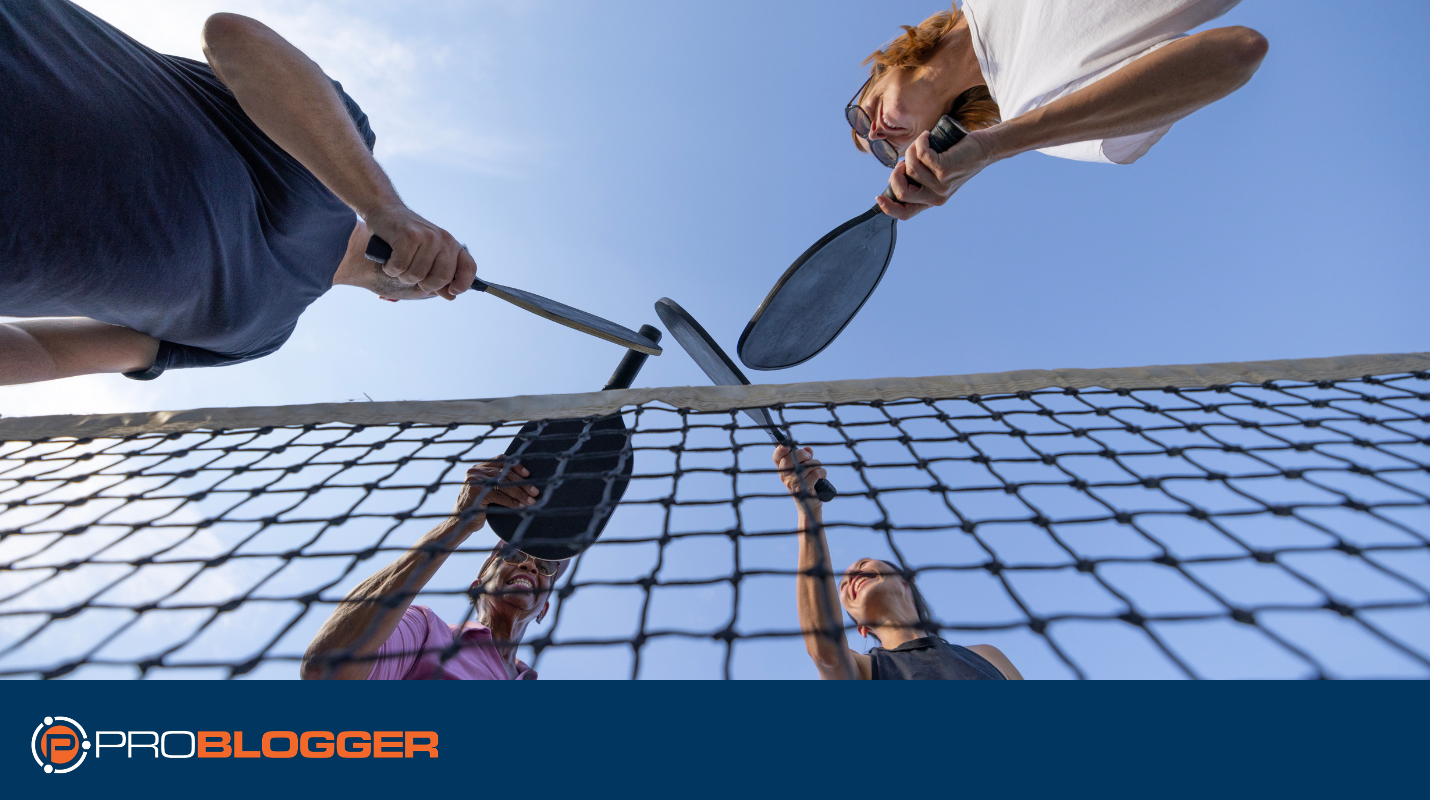
One of the most distinctive rules in pickleball involves the "kitchen," a seven-foot non-volley zone near the net. Players are prohibited from volleying (hitting the ball out of the air) while standing inside this zone unless the ball has already bounced there. This rule prevents players from dominating the game through sheer physical proximity and force.
For content creators, the "kitchen" represents the "sweet spot" of brand positioning. It is the delicate balance between being authoritative and being overbearing. Strategic positioning involves:
- Niche Identification: Knowing exactly where to stand in the market to fill a gap that larger competitors have overlooked.
- Ethical Boundaries: Avoiding "hard-sell" tactics that can alienate an audience, much like an illegal volley in the kitchen can cost a player a point.
- Audience Alignment: Ensuring that the content remains relevant to the audience’s needs rather than the creator’s ego.
Resilience and the ‘Whiff’: Analyzing Failure in Content Cycles
In sports, a "whiff" occurs when a player swings and misses the ball entirely. In the digital space, this equates to a content piece that fails to gain traction, an SEO strategy that yields no results, or a product launch that lacks interest.
Statistical analysis of digital content suggests that even top-tier publishers experience a "whiff" rate. Not every post will go viral; however, the journalistic approach to these failures is rooted in data analysis. Professional bloggers utilize tools such as Google Analytics and SEMrush to determine why a particular "swing" missed. Was the timing off? Was the "serve" (the headline) not compelling enough? By treating each failure as a data point, creators can refine their technique for the next "match."
Adaptation in a Changing Digital Environment
The digital landscape is currently undergoing a period of rapid transformation, driven by the integration of Artificial Intelligence (AI) and shifts in search engine algorithms. Just as a pickleball player must adapt to an opponent’s varying styles, bloggers must adapt to changing market conditions.
The chronology of digital adaptation has accelerated:
- 2010-2015: Focus on keyword stuffing and volume.
- 2015-2020: Shift toward mobile-first indexing and high-quality "E-E-A-T" (Experience, Expertise, Authoritativeness, and Trustworthiness).
- 2020-Present: Integration of AI-assisted research and a return to community-centric, human-led storytelling.
Those who fail to adapt their "technique" in the face of these changes risk becoming obsolete, much like a player who refuses to learn modern paddle technology or court positioning.
Impact and Implications: The Intersection of Passion and Strategy
The broader implication of the pickleball-blogging analogy is the necessity of balancing passion with rigorous strategy. Industry observers note that the most successful bloggers are those who, like dedicated athletes, find genuine enjoyment in the process. When a creator is passionate about their subject matter, the "enthusiasm" functions as a natural hook for the audience.
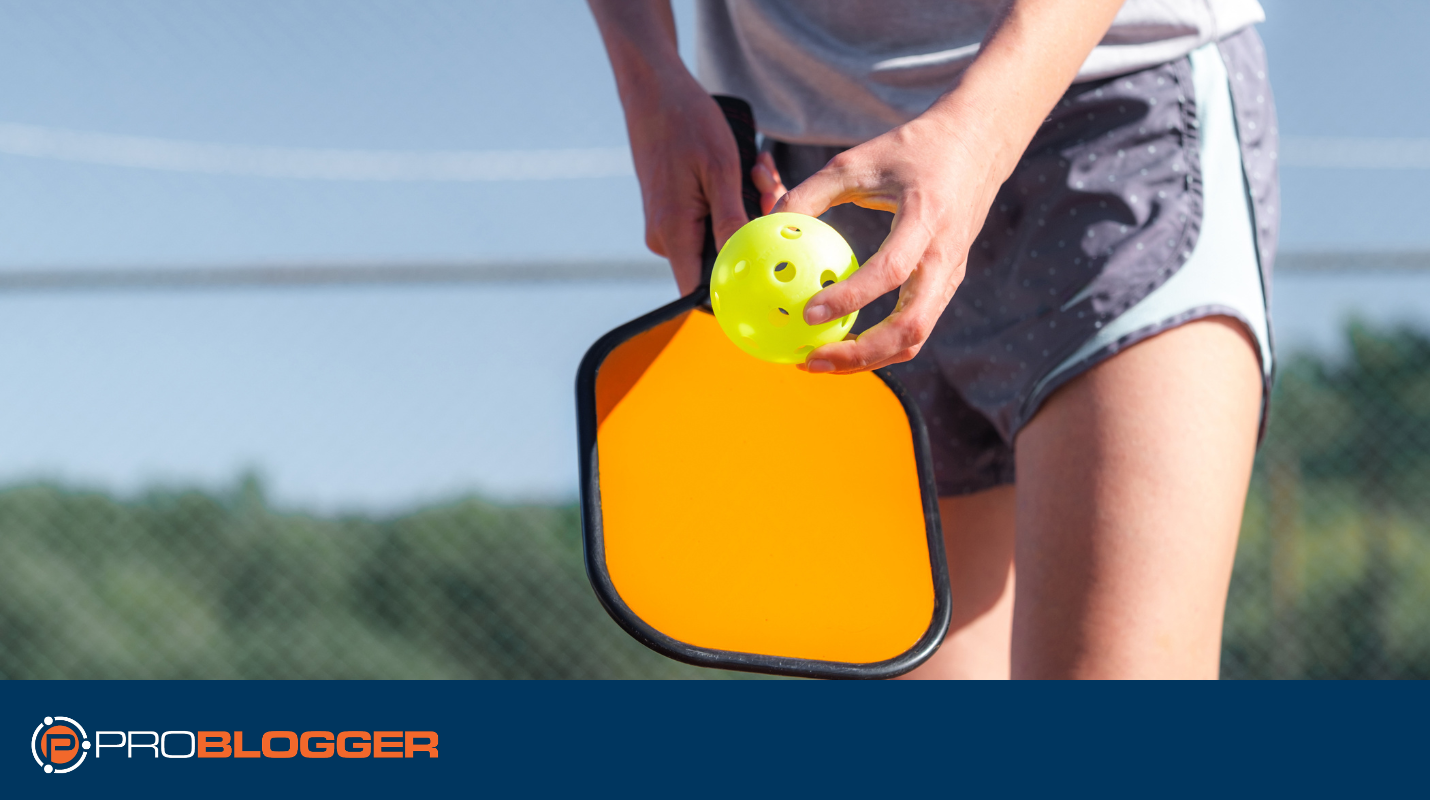
Furthermore, the social nature of pickleball highlights a critical shift in the digital economy: the move toward "social commerce" and "community-led growth." The sport’s success is attributed largely to its ability to bring people together, a feat that successful blogs replicate through shared interests and collaborative learning.
Conclusion: The Professional Path Forward
The transition from a casual hobbyist to a professional digital publisher requires a disciplined approach to "the game." By adopting the principles of pickleball—starting with a clear foundation, mastering the art of the "dink," respecting the boundaries of the "kitchen," and maintaining a resilient attitude toward "whiffs"—bloggers can build sustainable, high-impact platforms.
As the creator economy continues to mature, the lessons from the court remain clear: success is rarely the result of a single "power shot." Instead, it is the result of strategic positioning, consistent rallies, and the ability to find joy in the competitive landscape. Whether holding a paddle or a keyboard, the objective remains the same: stay focused, serve strong, and remain adaptable to the ever-changing flow of the game.