Lina Wu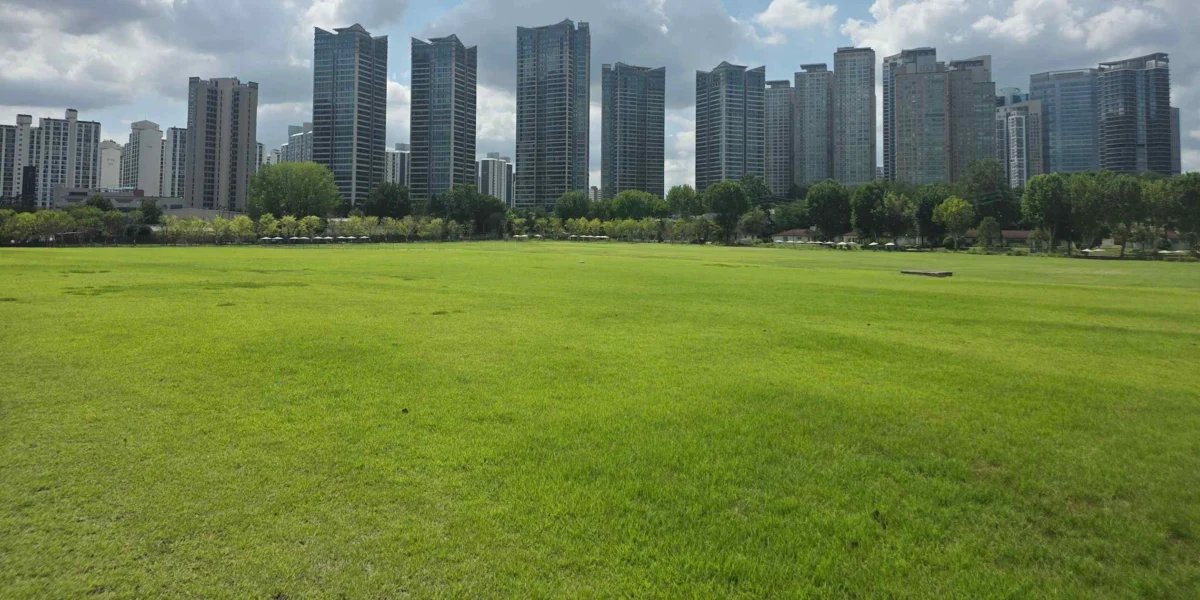
For decades after the end of World War II, the U.S. military’s Yongsan Garrison occupied about 80% of a leafy swath of prime Seoul real estate. The sprawling base was used as a command headquarters and to provide housing for some of the thousands of American soldiers and diplomats stationed in South Korea. The site, a significant portion of which was handed back to South Korea in 2018, is now at the heart of a contentious debate regarding its future utilization. The core of the disagreement lies between two competing visions: transforming the vast tract into a grand public park, a move championed by environmentalists and urban planners, or developing it for much-needed housing, a priority for the city’s burgeoning population and a significant concern for its government.
The Yongsan Garrison, a symbol of the enduring U.S. military presence in South Korea since the Korean War, spanned approximately 2.5 square kilometers (nearly 1 square mile) in the heart of Seoul. Its sheer size made it a unique urban landscape, a green lung amidst the dense metropolis, yet also a physical barrier that divided the city for much of its history. The gradual return of the land, a process that began in earnest with the Yongsan Relocation Plan, has opened a critical juncture for Seoul’s urban development and its relationship with its past. The initial handover in 2018 marked a significant milestone, signifying a shift in the geopolitical landscape and presenting South Korea with an unprecedented opportunity to reclaim and reimagine a pivotal piece of its capital city.
A Long Road to Reclamations: The History of Yongsan Garrison
The U.S. military established its presence in Yongsan shortly after the end of World War II, consolidating its command and logistical operations in the strategically vital peninsula. Throughout the Korean War and the subsequent decades of Cold War tension, Yongsan Garrison served as the nerve center for U.S. Forces Korea (USFK), housing tens of thousands of personnel and their families. This prolonged occupation profoundly shaped the urban fabric of Seoul, with the base’s perimeter fence acting as a physical and psychological barrier, largely inaccessible to the Korean populace.
The idea of returning the Yongsan Garrison to South Korea gained momentum in the early 21st century, driven by a confluence of factors: a changing geopolitical environment, growing Korean national pride, and a desire for urban redevelopment within Seoul. Negotiations between the U.S. and South Korean governments were complex, involving discussions on troop realignment, environmental remediation, and the future use of the returned land. The Yongsan Relocation Plan, formalized in the mid-2000s, outlined the gradual transfer of U.S. military installations, including Yongsan Garrison, to South Korea. This ambitious plan aimed to consolidate U.S. forces at a new, larger base in Pyeongtaek, south of Seoul, thereby freeing up valuable urban real estate.
The official handover of the main Yongsan Garrison site to South Korea in 2018 was a landmark event, celebrated as a significant step towards national sovereignty and urban renewal. However, the process of actual redevelopment has been protracted, marked by environmental assessments, public consultations, and differing visions for the land’s future. The site itself is a complex tapestry of former military buildings, open green spaces, and areas requiring significant remediation due to decades of military use.
The Competing Visions: Park vs. Housing
The debate over the future of Yongsan Garrison’s reclaimed land is primarily framed by two diametrically opposed proposals: the creation of a national park and the development of residential housing.
The "Grand Park" Proposal:
Proponents of a large-scale public park, often spearheaded by environmental organizations, urban planning experts, and a segment of the public, envision Yongsan as Seoul’s answer to Central Park in New York or Hyde Park in London. Their arguments are rooted in the pressing need for green spaces in an increasingly dense urban environment. Seoul, despite its efforts, faces challenges with air quality and a lack of accessible natural landscapes for its citizens. A park of this magnitude, they argue, would offer invaluable recreational opportunities, improve environmental sustainability through increased tree cover and biodiversity, and serve as a vital public amenity for generations to come.
- Supporting Data & Arguments:
- Green Space Deficit: Seoul has a per capita green space availability that lags behind many other major global cities. For instance, while cities like Tokyo have over 10 square meters of green space per capita, Seoul’s figure hovers around 6 square meters, with much of it concentrated in peripheral areas.
- Environmental Benefits: A substantial park could help mitigate the urban heat island effect, absorb carbon dioxide, improve air quality, and provide crucial habitats for urban wildlife. Studies on similar large urban parks have shown measurable improvements in local microclimates and biodiversity.
- Public Health and Well-being: Access to green spaces is directly linked to improved mental and physical health, reduced stress levels, and increased social cohesion.
- Cultural and Historical Preservation: The park could incorporate elements that acknowledge the site’s history, potentially preserving certain structures or creating memorial spaces, while transforming the majority into a natural sanctuary.
The "Housing Solution" Proposal:
Conversely, the South Korean government and many real estate developers emphasize the urgent need for housing, particularly affordable options, in Seoul. The city’s population, though facing a declining birth rate, continues to be one of the most densely populated in the world, with housing prices remaining a significant concern for many residents. Developing the Yongsan site for housing, they contend, would help alleviate this pressure, provide homes for thousands, and stimulate economic activity through construction and related industries.
- Supporting Data & Arguments:
- Housing Shortage: Seoul has a chronic housing shortage, with demand consistently outstripping supply. The average price of an apartment in Seoul has seen significant increases over the past decade, making homeownership increasingly unattainable for young people and middle-income families. Data from the Korea Real Estate Board shows a consistent rise in housing prices, particularly in desirable central locations.
- Economic Stimulus: Large-scale housing development projects can create thousands of jobs, boost construction-related industries, and contribute significantly to the local and national economy.
- Urban Density and Efficiency: Proponents argue that building housing on such a prime central location is an efficient use of urban land, reducing sprawl and bringing more people closer to employment centers and public transportation.
- Government Mandates: The government has set ambitious targets for increasing housing supply to stabilize the market and address affordability issues, making a prime location like Yongsan a logical candidate for development.
Stakeholder Reactions and Political Undercurrents
The debate is not merely an academic exercise; it involves various stakeholders with vested interests and differing priorities.
- Environmental Advocacy Groups: These organizations have been vocal in their support for the park. They often cite international best practices and the long-term ecological and social benefits of preserving such a significant urban green space. Statements from groups like the Korea Federation for Environmental Movements have consistently emphasized the "once-in-a-lifetime" opportunity to create a "green lung" for Seoul.
- Urban Planners and Architects: Many within this professional sphere advocate for a mixed-use approach, acknowledging both the need for green space and housing. However, the emphasis often leans towards creating a holistic urban environment that balances residential needs with public amenities and ecological considerations.
- Government Officials: The Seoul Metropolitan Government and the central government face the difficult task of balancing competing demands. While acknowledging the need for housing, they also recognize the significant public appetite for green space and the legacy of the Yongsan Garrison. Decisions are often influenced by public opinion polls and political considerations, with the ruling party often pressured to deliver tangible housing solutions.
- Real Estate Developers and Industry Associations: These groups naturally advocate for development, highlighting the economic benefits and their capacity to deliver housing projects efficiently. They often point to the potential for creating mixed-use communities with integrated amenities.
- Local Residents: While general public opinion often favors green spaces, residents in nearby districts might have more nuanced views, considering factors like traffic congestion, noise pollution from construction, and the potential impact on property values.
The political dimension is also significant. The decision on Yongsan’s future can become a potent political issue, with different parties aligning themselves with either the park or housing agenda. The outcome can be seen as a reflection of a government’s priorities: whether it prioritizes immediate economic and social needs like housing or long-term environmental and quality-of-life investments.
Analysis of Implications: A Long-Term Vision for Seoul
The decision regarding Yongsan Garrison’s future will have profound and lasting implications for Seoul and South Korea.
If a Park is Prioritized:
- Enhanced Quality of Life: Seoul would gain a world-class urban park, significantly improving the quality of life for its residents and becoming a major tourist attraction.
- Environmental Resilience: The city would bolster its environmental resilience, mitigating climate change impacts and improving public health.
- Economic Opportunity: While immediate economic returns might be lower than housing development, a major park could spur economic activity through tourism, recreation, and related businesses in the long run.
- Symbolic Significance: It would stand as a powerful symbol of South Korea’s progress, environmental consciousness, and commitment to public well-being.
If Housing is Prioritized:
- Alleviated Housing Crisis: The development could provide much-needed housing units, potentially stabilizing or even reducing housing prices in the long term, making them more accessible.
- Economic Growth: It would generate significant economic activity through construction and investment.
- Urban Density and Efficiency: It would contribute to a more compact and efficient urban form, reducing outward sprawl.
- Potential for Public Criticism: Critics might argue that this represents a missed opportunity for a once-in-a-generation chance to create a significant public amenity, potentially leading to dissatisfaction.
A Hybrid Approach:
Many observers and experts suggest that a balanced, hybrid approach might be the most pragmatic solution. This could involve designating a substantial portion of the land for a public park while allocating other sections for carefully planned residential development, potentially including affordable housing components and mixed-use facilities. Such an approach would aim to capture the benefits of both visions, creating a vibrant, livable, and environmentally sustainable urban district. However, achieving consensus on the exact allocation and design of such a hybrid model presents its own set of complex challenges.
The legacy of Yongsan Garrison is multifaceted, representing a historical presence, a strategic asset, and now, a canvas for Seoul’s future. The ongoing debate underscores the critical choices cities face in balancing development needs with environmental preservation and the quality of life for their citizens. The final decision will undoubtedly shape the urban landscape and the lives of millions in Seoul for decades to come. The process of transformation, from a military stronghold to a symbol of urban renewal, is a testament to South Korea’s dynamic development and its aspirations for a sustainable and livable future. The world watches as Seoul navigates this pivotal moment in its urban history.