Lina Wu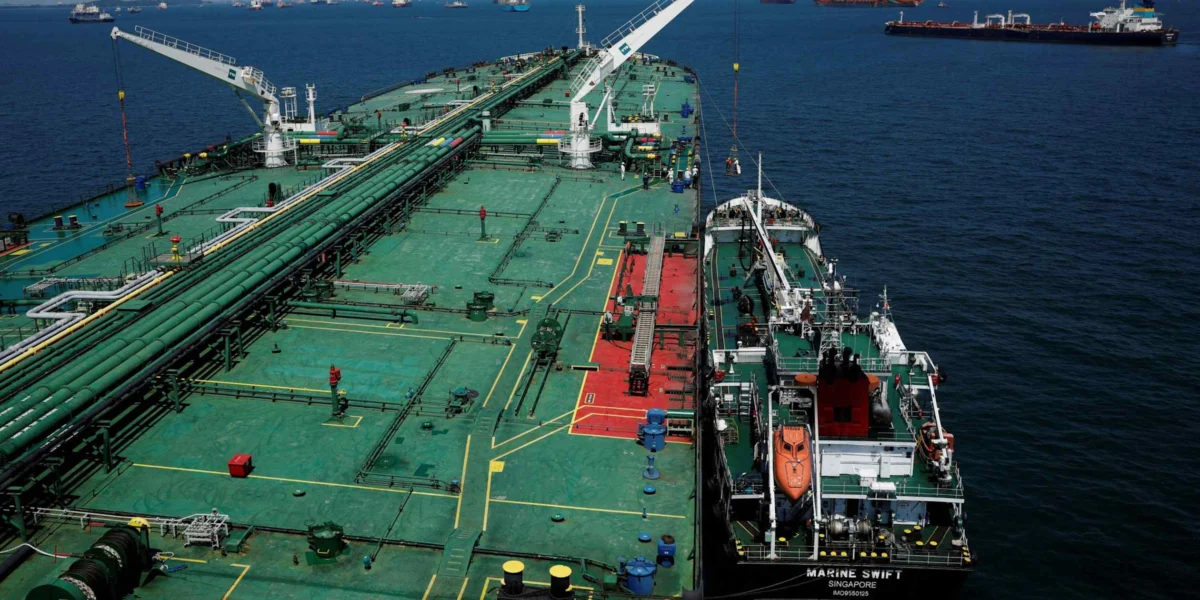
TOKYO — Saudi Arabia and the United Arab Emirates are set to play a pivotal role in bolstering Asia’s strategic oil reserves, a move designed to enhance regional energy security in a world increasingly vulnerable to supply disruptions. This initiative, revealed through information obtained by Nikkei, signifies a concerted effort by two of the world’s leading oil producers to support a region heavily reliant on energy imports but historically lacking substantial stockpiles. The agreement is expected to see these Gulf nations not only assist in the physical accumulation of reserves but also commit to offering priority supplies during emergency situations.
The move comes at a critical juncture for global energy markets, which have experienced heightened volatility in recent years due to geopolitical tensions, unexpected demand surges, and disruptions to traditional supply routes. Asia, as the engine of global economic growth and a massive consumer of energy, is particularly susceptible to these fluctuations. The lack of robust strategic reserves across many Asian countries has long been a concern for policymakers and industry leaders, making the region’s energy security a persistent challenge.
A Growing Need for Energy Security in Asia
Asia’s insatiable demand for energy is well-documented. The continent accounts for a significant portion of global oil consumption, a figure projected to continue growing as developing economies expand and populations increase. Countries like China, India, Japan, and South Korea are among the world’s largest importers of crude oil, with a substantial percentage of these imports originating from the Middle East. This deep dependence creates inherent vulnerabilities. A disruption in the Strait of Hormuz, a critical chokepoint for oil transport, or geopolitical instability in the producing regions, could have immediate and severe repercussions on Asian economies, leading to soaring prices, potential shortages, and economic slowdowns.
Historically, many Asian nations have prioritized just-in-time inventory management to reduce storage costs, leading to lean stockpiles of crude oil and refined products. While this approach can be efficient in stable times, it leaves them exposed when unforeseen events occur. The global energy landscape has shifted dramatically in recent years, underscoring the inadequacy of such a strategy. The COVID-19 pandemic, the war in Ukraine, and subsequent supply chain crises have highlighted the importance of strategic reserves as a buffer against external shocks.
The Strategic Partnership: Saudi Arabia and UAE’s Commitment
The initiative involving Saudi Arabia and the UAE represents a significant commitment from key players in the Organization of the Petroleum Exporting Countries (OPEC) to address this critical gap. While specific details of the agreement are still emerging, sources indicate that the two Middle Eastern giants will provide technical expertise, financial support, and potentially direct supply commitments to help Asian countries build and maintain adequate strategic reserves.
Key aspects of the initiative are understood to include:
- Reserve Accumulation: Saudi Arabia and the UAE are expected to assist Asian nations in identifying suitable locations for storing reserves, potentially including offshore facilities or existing port infrastructure. They may also offer preferential pricing or financing mechanisms for the acquisition of crude oil to be added to these reserves.
- Priority Supply Agreements: In the event of an emergency, such as a natural disaster, conflict, or significant supply disruption, the agreement reportedly includes provisions for Saudi Arabia and the UAE to prioritize the supply of oil to participating Asian nations. This would ensure a more reliable flow of energy when it is most needed, mitigating the impact of shortages.
- Knowledge Transfer and Technical Assistance: Beyond physical reserves, the partnership is likely to involve the sharing of best practices in reserve management, including storage technologies, inventory tracking, and emergency response protocols. This transfer of expertise can help Asian countries develop more robust and efficient national energy security strategies.
The involvement of Saudi Arabia and the UAE is strategically significant. As the world’s largest and third-largest oil exporters, respectively, they possess the production capacity and the logistical infrastructure to undergird such an ambitious undertaking. Their commitment signals a recognition of the interconnectedness of global energy markets and a willingness to invest in the stability of key consuming regions.
A Timeline of Evolving Energy Security Concerns
The impetus for this strategic initiative can be traced back to a series of events that have progressively heightened awareness of energy security vulnerabilities in Asia:
- 2019: Attacks on Saudi Aramco facilities and the subsequent disruption to oil production underscored the fragility of global supply chains and the potential for regional conflicts to impact energy markets. Asian economies, heavily reliant on Middle Eastern crude, felt the immediate impact of price spikes.
- 2020-2021: The COVID-19 pandemic led to unprecedented demand destruction followed by a rapid rebound. Supply chain bottlenecks, coupled with a surge in demand as economies reopened, created a volatile market environment. Many Asian countries found their already low reserves insufficient to weather the storm, leading to concerns about economic recovery.
- 2022: The invasion of Ukraine by Russia sent shockwaves through global energy markets. Sanctions on Russian oil and gas led to a dramatic reordering of energy flows, pushing prices to record highs and highlighting the risks of over-reliance on specific suppliers or trade routes. Asian nations found themselves competing for alternative supplies, often at significantly higher costs.
- 2023-2024: Continued geopolitical tensions in the Middle East, coupled with increasing demand from emerging economies, have kept energy markets on edge. This sustained period of uncertainty has solidified the resolve of many Asian governments to bolster their energy security.
This evolving backdrop has created a fertile ground for the current initiative. The proactive stance by Saudi Arabia and the UAE suggests a forward-looking approach to energy diplomacy, aimed at ensuring stable demand for their products while simultaneously fostering regional stability.
Supporting Data: Asia’s Energy Import Dependency
To understand the significance of this development, examining key data points related to Asia’s energy landscape is crucial:
- Import Dependency: According to the International Energy Agency (IEA), Asia accounts for over 60% of the world’s total oil imports. Countries like Japan and South Korea are virtually 100% dependent on imported oil. China and India, while having domestic production, still rely heavily on imports to meet their growing energy needs.
- Strategic Reserve Levels: While the United States and European nations maintain substantial strategic petroleum reserves, many Asian countries have historically held significantly lower levels. For instance, Japan aims to maintain 90 days of oil stock, while South Korea targets 100 days. However, these targets are often met through a combination of government-held reserves and industry stocks, and the actual availability in a crisis can be complex. China has been steadily building its strategic petroleum reserve, but it is still considerably smaller than that of the US.
- Projected Demand Growth: The IEA forecasts that Asia will account for the majority of global oil demand growth over the next decade, further amplifying the need for secure and stable supply chains.
The proposed initiative directly addresses this imbalance, aiming to equip Asian nations with the necessary buffers to withstand supply shocks and price volatility.
Potential Reactions and Implications
The news of this impending agreement is likely to be met with a mix of relief and cautious optimism across Asia. Governments that have been grappling with energy security concerns will see this as a welcome development.
Inferred Reactions and Analysis:
- Governments of Importing Nations: Many Asian governments, particularly those in Northeast and Southeast Asia, are expected to welcome the initiative. They will likely engage in detailed discussions with Saudi Arabia and the UAE to tailor the reserve-building programs to their specific needs and capacities. The commitment to priority supplies in emergencies would be a particularly valuable component, offering a significant psychological and practical boost to national security planning.
- Energy Companies and Traders: Oil majors and trading houses operating in Asia will also be closely watching developments. The increased stability in supply and potential for larger reserve builds could lead to more predictable market conditions, although it might also influence short-term trading dynamics.
- Geopolitical Analysts: Geopolitically, this move could be interpreted as a strengthening of energy ties between the Middle East and Asia, potentially diversifying energy partnerships and reducing reliance on other traditional suppliers. It could also signal a more unified approach to energy security within the broader Asian region.
- Economic Impact: By mitigating the risk of severe energy price spikes and supply shortages, this initiative could contribute to greater economic stability in Asia. Businesses would face less uncertainty regarding energy costs, and consumers would be shielded from the worst effects of price volatility. The ability to draw on reserves during a crisis could prevent economic downturns from becoming prolonged.
However, the success of this initiative will hinge on several factors, including the specifics of the financial and logistical arrangements, the willingness of all parties to adhere to the agreed-upon terms, and the ability of Asian nations to effectively integrate these new reserves into their existing energy security frameworks.
The Broader Impact: A More Resilient Global Energy System
The collaboration between Saudi Arabia, the UAE, and Asian nations represents a significant step towards a more resilient global energy system. By proactively addressing Asia’s energy security vulnerabilities, these producers are not only securing long-term demand for their vital exports but also contributing to global economic stability.
The initiative underscores a growing recognition that energy security is a shared responsibility. In an increasingly interconnected world, disruptions in one region can have ripple effects across the globe. By strengthening the energy buffers in one of the world’s most dynamic economic zones, Saudi Arabia and the UAE are investing in a more stable and predictable future for the entire energy landscape. This move could set a precedent for similar collaborations in other regions facing similar energy security challenges, ultimately contributing to a more robust and secure global energy future. The long-term implications for international energy diplomacy and the architecture of global energy markets are substantial, marking a new chapter in the relationship between major energy producers and key consuming nations.