Putri Inara
The rapid ascension of pickleball from a niche backyard pastime to a global athletic phenomenon has provided more than just a surge in recreational participation; it has become a case study in strategic growth and community engagement. As the sport continues to dominate headlines and municipal budgets across North America and beyond, industry analysts have identified significant parallels between the mechanics of the game and the success of digital content creation. By examining the structural evolution of pickleball, content creators and professional bloggers can extract actionable insights into audience retention, brand positioning, and long-term sustainability in an increasingly competitive digital marketplace.
The Historical Context and Chronological Evolution of Pickleball
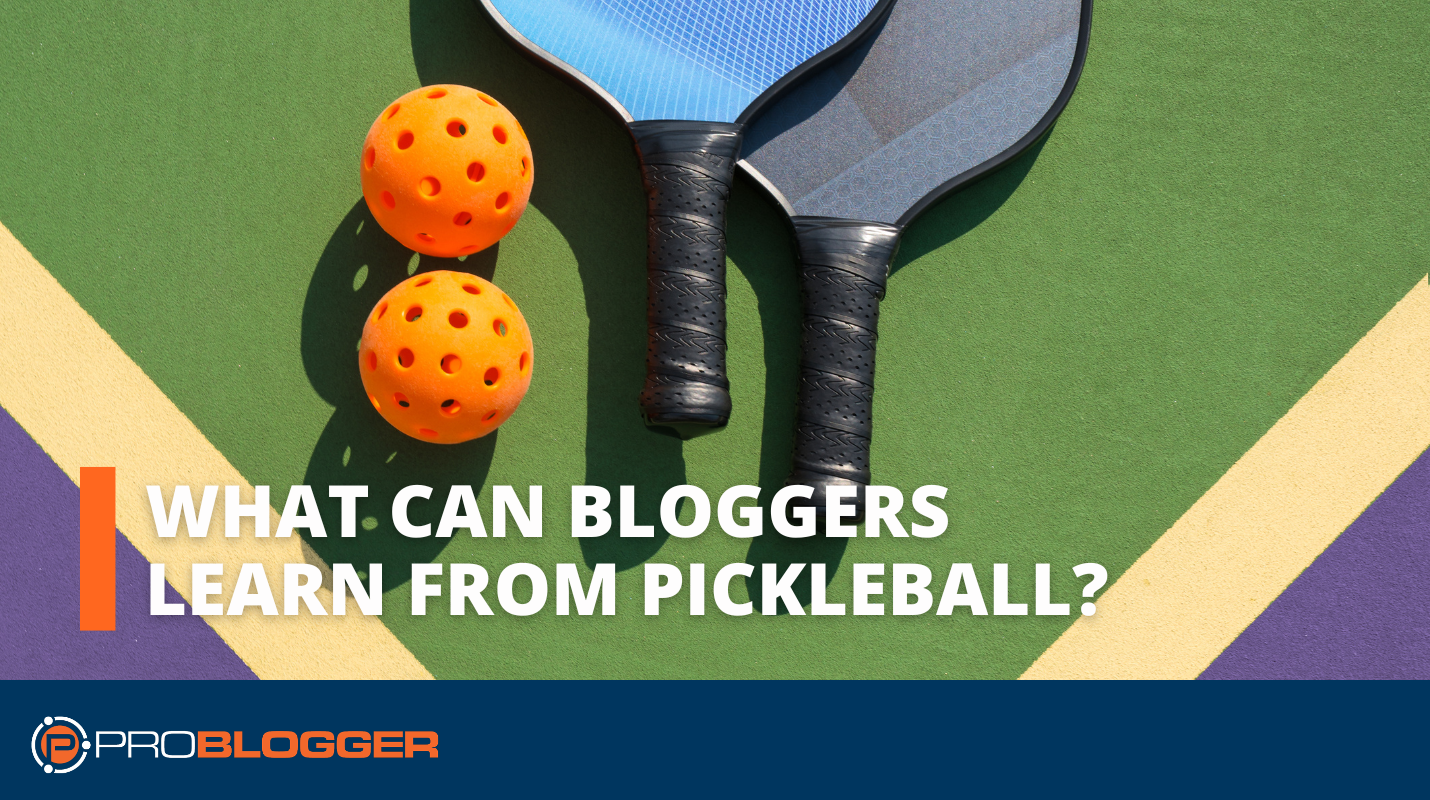
To understand the strategic value of pickleball, one must first examine its origins, which mirror the humble beginnings of many successful digital platforms. The sport was conceptualized in 1965 on Bainbridge Island, Washington, by Joel Pritchard, Bill Bell, and Barney McCallum. Facing a lack of equipment for a standard badminton game, the founders improvised using a perforated plastic ball and wooden paddles. This "start with what you have" ethos is a foundational principle in the blogging industry, where many high-traffic domains began as simple, low-cost projects.
The timeline of the sport’s growth highlights a slow build followed by an exponential surge. For decades, pickleball remained a localized activity, primarily popular in retirement communities due to its low-impact nature. However, the period between 2010 and 2020 saw a shift as the sport began to formalize through organizations like the USA Pickleball Association (USAPA). The COVID-19 pandemic acted as a significant catalyst; in 2021 and 2022, pickleball was named the fastest-growing sport in the United States for the second consecutive year by the Sports & Fitness Industry Association (SFIA). By 2023, participation had reached an estimated 36.5 million players in the U.S. alone, representing a 158.6% increase over three years.
For digital publishers, this chronology serves as a reminder that "overnight success" is often the result of decades of foundational work. Just as pickleball required a standardized set of rules and professional associations to scale, a blog requires consistent SEO frameworks and editorial standards to transition from a personal hobby to a professional content hub.
Strategic Parallels: The Technical Analysis of Content and Gameplay
The tactical elements of pickleball offer a unique framework for evaluating content strategy. In professional play, success is rarely determined by raw power; rather, it is determined by placement, patience, and the ability to control the "non-volley zone."
The Strategic Utility of the ‘Dink’
In pickleball, a "dink" is a soft, controlled shot that lands in the opponent’s non-volley zone (the "kitchen"). Its purpose is to force the opponent into a difficult position while maintaining a steady rhythm. In the context of digital publishing, "dinking" represents the art of simplification. As information density increases across the internet, the ability to distill complex data into digestible, high-value content has become a competitive advantage.
Journalistic analysis suggests that clear, jargon-free communication functions as a strategic dink—it controls the pace of the reader’s experience and ensures they are not overwhelmed. Data from readability studies indicate that content written at an accessible level (typically a 7th to 9th-grade reading level) tends to see higher engagement and lower bounce rates, even among highly educated audiences.
Navigating the Non-Volley Zone: Maintaining Audience Boundaries
The "kitchen" or non-volley zone in pickleball is a restricted area near the net where players cannot hit the ball in the air. This requires players to find a "sweet spot" where they can be aggressive without violating the rules. For bloggers, this sweet spot is the delicate balance between value-driven content and monetization.
Market research into consumer behavior reveals a growing "ad-blindness" among digital audiences. When a creator oversteps by being too "salesy" or distant, they lose the trust of their community—essentially "stepping into the kitchen." A strategic content creator maintains a position where engagement occurs naturally, ensuring that promotional efforts are balanced with genuine utility.
Iterative Resilience and the ‘Whiff’
Even professional athletes experience a "whiff"—a complete miss of the ball. In the high-stakes environment of professional blogging, a "whiff" is a post that fails to gain traction or a strategy that yields a negative ROI. However, the culture of pickleball emphasizes immediate recovery and preparation for the next serve.
Data-driven content creators utilize these misses as learning opportunities. By analyzing metrics such as click-through rates (CTR) and dwell time on low-performing posts, publishers can refine their editorial calendars. The sport teaches that the volume of "swings" (content output) is often just as important as the accuracy of a single "shot" (a viral post).
Supporting Data: Growth Metrics and the Creator Economy
The synergy between pickleball and blogging is further supported by economic data. According to a 2023 report by Goldman Sachs, the creator economy is estimated to be a $250 billion industry, with the potential to double by 2027. This growth mirrors the commercialization of pickleball, which has seen a massive influx of venture capital, professional leagues (such as Major League Pickleball), and high-profile celebrity endorsements.
The SFIA’s 2023 Topline Participation Report noted that pickleball’s growth is no longer confined to older demographics; the fastest-growing segment of players is now those under the age of 24. This demographic shift is mirrored in the blogging world, where younger "Gen Z" creators are moving away from traditional social media platforms in favor of owned-media assets like newsletters and niche blogs to escape algorithm volatility.
| Metric | Pickleball (2021-2023) | Blogging/Creator Economy (2021-2023) |
|---|---|---|
| Growth Rate | 158.6% (Participation) | 22% CAGR (Revenue) |
| Primary Catalyst | Social Accessibility | Demand for Niche Expertise |
| Strategic Focus | Community Engagement | Community-Led Growth (CLG) |
Industry Reactions and Expert Perspectives
Professional digital marketers have begun to adopt the terminology of "community-led growth," a concept that is inherent to the pickleball experience. In a statement regarding the sport’s impact on social infrastructure, park and recreation officials have noted that pickleball courts foster significantly more social interaction than traditional tennis courts due to their smaller size and "open play" formats.
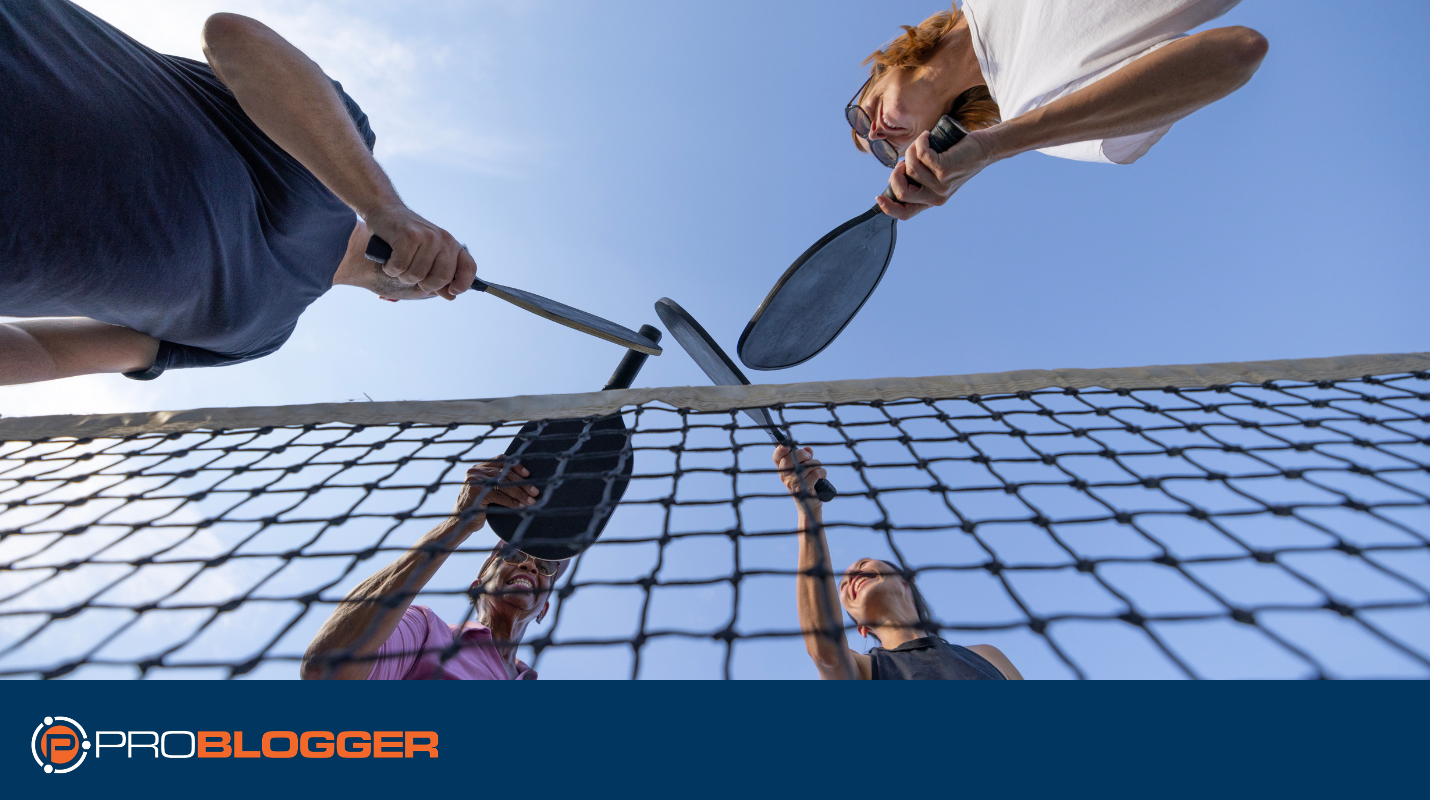
Digital strategy experts argue that bloggers must emulate this "open play" environment. "The modern reader is no longer a passive consumer; they are a participant," says one industry analyst. "Just as pickleball players rally together, bloggers must facilitate a two-way dialogue through comments, forums, and interactive media. The ‘rally’ is the metric that matters most in the 2024 digital landscape."
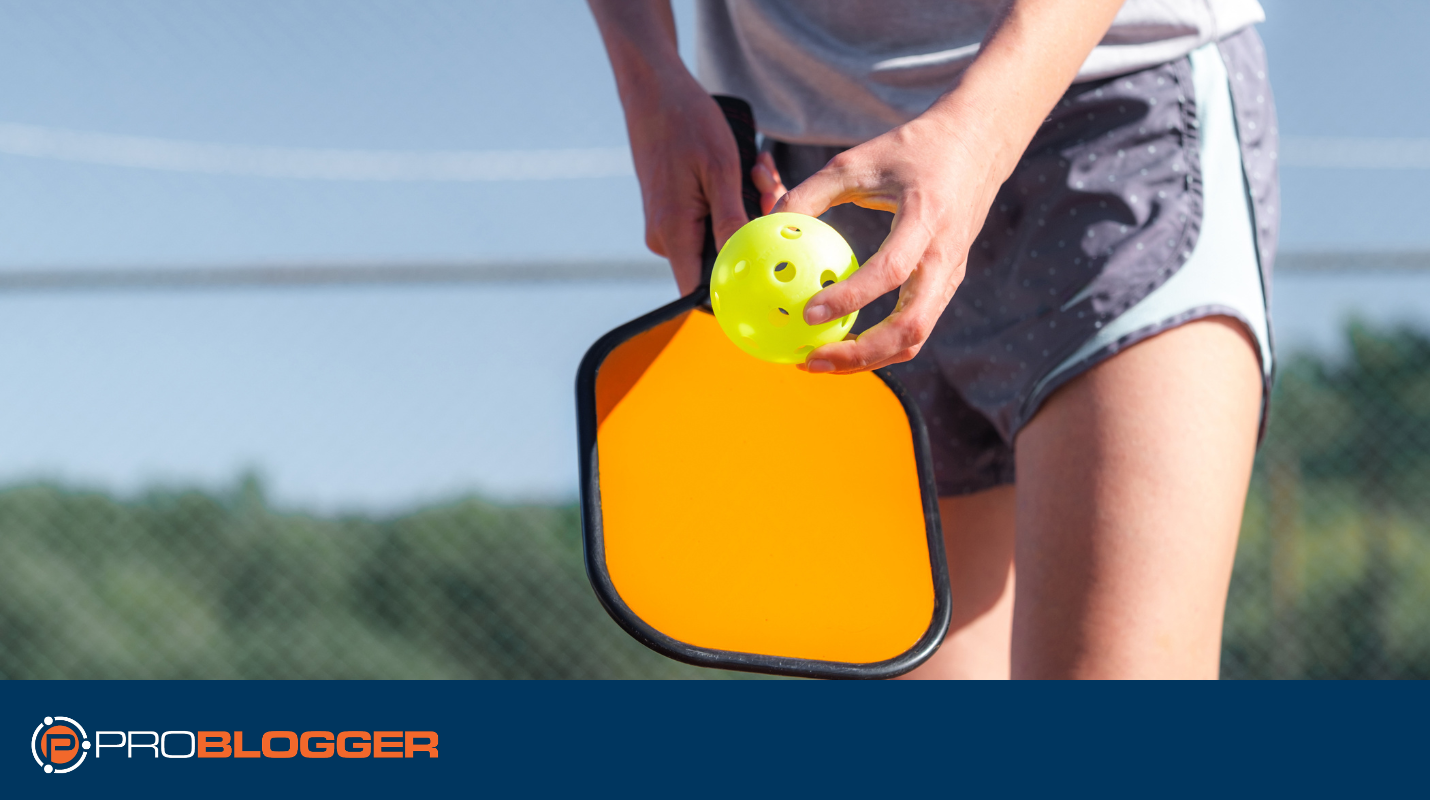
Furthermore, the concept of "serving strong" is frequently cited in journalism schools as the "hook." In pickleball, the serve must be underhand and land in the diagonal service court. In blogging, the "serve" is the headline and the lead paragraph. It must be technically compliant (SEO-friendly) but strategically aggressive enough to capture attention in a crowded feed.
Broader Impact and Long-Term Implications
The convergence of sports strategy and digital publishing points toward a broader trend: the "gamification" of professional development. As the barriers to entry for content creation continue to drop, the differentiator between a successful brand and a failed one is no longer technical skill, but rather the application of strategic discipline.
Pickleball’s success is attributed to its "low barrier to entry and high ceiling for mastery." This is the gold standard for content design. A blog should be easy for a new reader to enter (accessibility) but offer enough depth to keep them returning (mastery/authority).
In conclusion, the lessons derived from the pickleball court are not merely metaphorical; they are grounded in the realities of human psychology and market dynamics. The sport’s emphasis on community, strategic simplicity, and resilient adaptation provides a blueprint for any creator looking to build a sustainable presence in the digital age. As the creator economy matures, those who "keep their eye on the ball" and maintain a "strong serve" will likely find themselves at the forefront of their respective niches, turning a simple platform into a thriving, international phenomenon. The game of content creation, much like pickleball, is won through a combination of joy and meticulous strategy. For those willing to pick up the paddle, the court is open.