Ena Muazin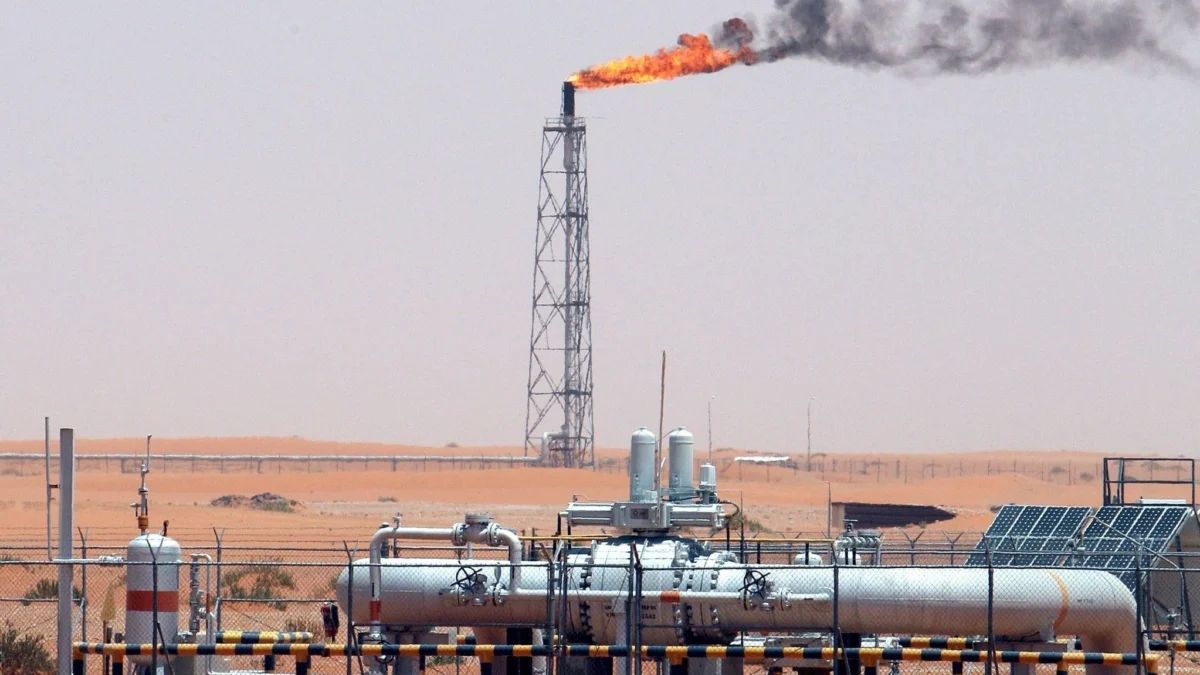
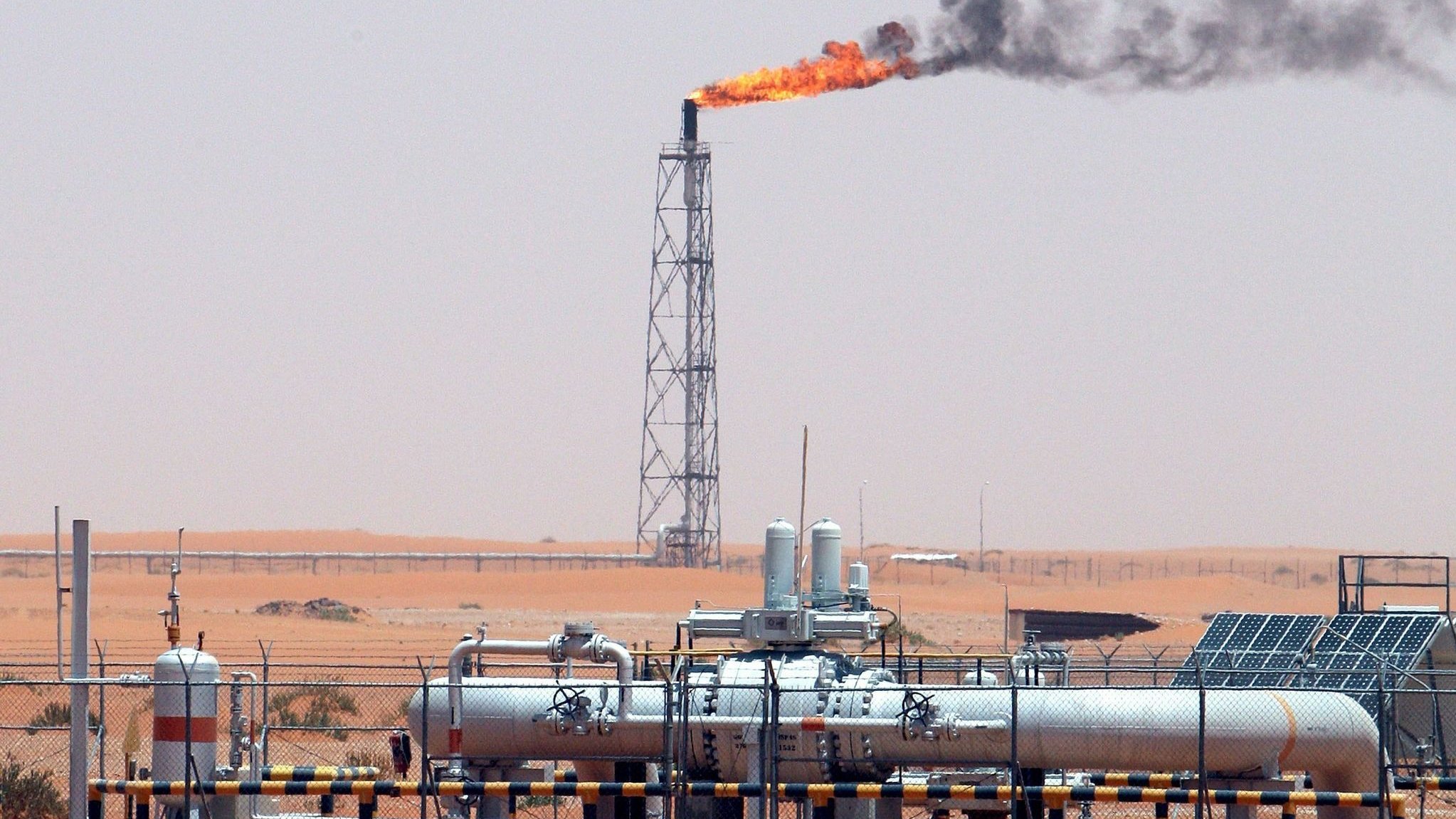
London – Amidst an escalating global energy crisis, exacerbated by ongoing geopolitical tensions and conflicts, the Organization of the Petroleum Exporting Countries (OPEC) and its allies, collectively known as OPEC+, have announced plans to increase their oil production. The group, which includes major oil-producing nations and key non-OPEC partners such as Russia, revealed following an online meeting that their target for September would be an increase of approximately 188,000 barrels per day. This decision comes at a critical juncture, as global oil prices have shown a significant upward trend, directly impacting economies worldwide and fueling inflationary pressures.
The announcement, made by the seven member countries of the OPEC+ coalition, signals a strategic maneuver to inject more supply into a market that has been increasingly strained. The move is perceived by some as an attempt to stabilize volatile oil prices, which have been a significant concern for consumers and policymakers alike. However, analysts caution that an increase in production quotas does not automatically translate into a proportional rise in actual oil reaching the global market. Several factors, including existing production capacities, technical limitations, and strategic considerations by member states, can influence the final output.
Background and Context of the Decision
The decision by OPEC+ to raise production targets is not an isolated event but rather a continuation of a trend observed since the onset of recent global conflicts, particularly the war in Ukraine. For months, the organization has been incrementally increasing its output quotas on a monthly basis. This latest adjustment represents a more substantial increase, reflecting a perceived need to address market imbalances and potentially mitigate the impact of supply disruptions stemming from geopolitical instability.
The international oil market has been in a state of flux, with prices reacting sharply to events that threaten supply chains. The Strait of Hormuz, a critical chokepoint for a significant portion of global oil exports, has been a focal point of concern. Any disruption to this waterway, which is vital for transporting oil from Saudi Arabia and other Gulf nations, can have immediate and far-reaching consequences on global supply and prices. The current geopolitical climate has heightened these concerns, making the decisions of OPEC+ particularly impactful.
The price of Brent crude, a global benchmark for oil prices, has seen a notable surge. Since the initial attacks involving major powers and Iran in late February, the price per barrel has risen by approximately 26 percent, currently hovering around $88 (approximately €75). This price increase has been attributed, in part, to the ongoing tensions and the threat of potential supply disruptions, with Iran having previously responded to escalations by threatening to block key shipping routes.
Analysis of Production Capacity and Market Impact
While OPEC+ has set a higher production target, the actual impact on global supply hinges on the ability of member nations to meet these new quotas. In recent months, several major producers, including Saudi Arabia, have not consistently reached their previously assigned production limits. This shortfall can be attributed to a variety of factors, including maintenance issues, adherence to previous agreements, and strategic decisions to manage their reserves.
The discrepancy between stated targets and actual production has been a recurring theme in the oil market. Analysts point out that simply raising the ceiling does not guarantee increased output. For instance, countries with significant spare capacity might be able to ramp up production, but others may face technical or logistical challenges. The global demand for oil also plays a crucial role. As economies recover from pandemic-related slowdowns, demand is increasing, but the pace of recovery and the extent of this demand can influence how effectively the increased supply can be absorbed.
The role of OPEC+ in managing global oil prices is significant. The organization, headquartered in Vienna, coordinates the production quotas of its member states with the explicit aim of influencing market prices. This delicate balancing act involves considering global demand, geopolitical events, and the economic interests of its members. The current decision reflects a complex interplay of these factors, with the organization seeking to navigate a challenging and unpredictable market environment.
Reactions and Potential Implications

While official statements from OPEC+ emphasize their commitment to market stability, reactions from consuming nations have been mixed. Some countries, heavily reliant on oil imports, have expressed cautious optimism, hoping that the increased supply will help temper rising energy costs. Others remain concerned about the broader geopolitical implications and the potential for further volatility.
The decision to increase production, even if not fully realized in immediate output, could be interpreted as a signal to the market that major producers are attempting to ease supply constraints. This could, in turn, exert some downward pressure on prices, although the extent of this effect will depend on a multitude of factors. The ongoing conflict in the Middle East and its potential to impact the Strait of Hormuz remains a significant wild card. Any escalation or further threat to this vital shipping lane could quickly negate the positive impact of increased production targets.
Furthermore, the global transition towards renewable energy sources continues to be a long-term factor influencing oil demand. However, in the short to medium term, oil remains a critical component of the global energy mix. Decisions by major producers like OPEC+ therefore have a direct and immediate impact on economic stability, inflation, and the cost of living for billions of people worldwide.

Historical Context of OPEC+ Decisions
The OPEC+ alliance, formed in 2016, brought together OPEC members and other major oil producers, most notably Russia. This expanded group wields considerable influence over global oil supply and prices. The group’s interventions in the market have historically aimed to prevent price crashes, such as the one experienced in 2014-2016, and to ensure a degree of price stability that benefits both producers and consumers.
During periods of high demand and tight supply, OPEC+ has often been urged by major consuming nations, particularly the United States, to increase production to alleviate price pressures. Conversely, when supply has been abundant and prices have fallen, the group has implemented production cuts to support market stability. The current situation presents a complex challenge, with both supply constraints and geopolitical risks contributing to elevated prices.

The specific increase of 188,000 barrels per day for September is a notable figure, but it is important to contextualize it within the broader global oil market. Global oil demand is estimated to be in the range of 100 million barrels per day. Therefore, while a significant increase, it represents a relatively small percentage of total global consumption. The effectiveness of this decision will also be judged against the backdrop of potential disruptions and the overall balance of supply and demand.
Looking Ahead: Factors Influencing Future Oil Markets
Several factors will continue to shape the trajectory of oil prices and production decisions in the coming months:

- Geopolitical Developments: The ongoing conflict in Ukraine and tensions in the Middle East remain primary drivers of market uncertainty. Any further escalation or de-escalation in these regions will have a significant impact on supply and prices.
- Global Economic Growth: The pace of global economic recovery and the potential for recession in major economies will influence oil demand. A strong economic rebound would likely increase demand, while a slowdown could dampen it.
- OPEC+ Cohesion: The ability of OPEC+ to maintain a unified front and adhere to its production decisions is crucial. Internal disagreements or a breakdown in cooperation could lead to increased market volatility.
- Technological Advancements and Energy Transition: While the immediate focus is on current supply, the long-term trend towards renewable energy and electric vehicles will continue to influence investment decisions and future demand for fossil fuels.
- Spare Capacity: The amount of unused oil production capacity held by key producers, particularly Saudi Arabia and the UAE, is a critical buffer against supply shocks. The utilization of this spare capacity will be closely monitored.
The decision by OPEC+ to increase oil production targets is a significant development in the ongoing efforts to manage global energy markets. While the immediate impact on prices remains to be seen, the move signals an intent to address supply concerns amidst a complex geopolitical landscape. The coming months will be critical in observing how these targets are met and how the broader market dynamics evolve in response to this latest announcement.