Ena Muazin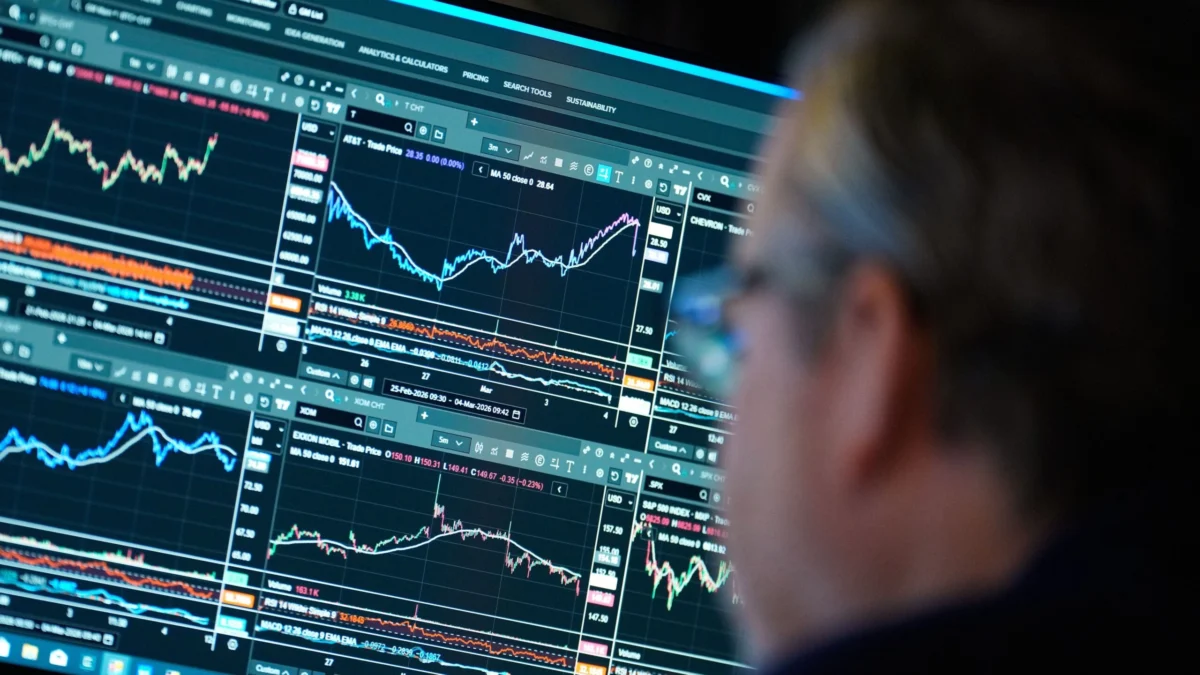
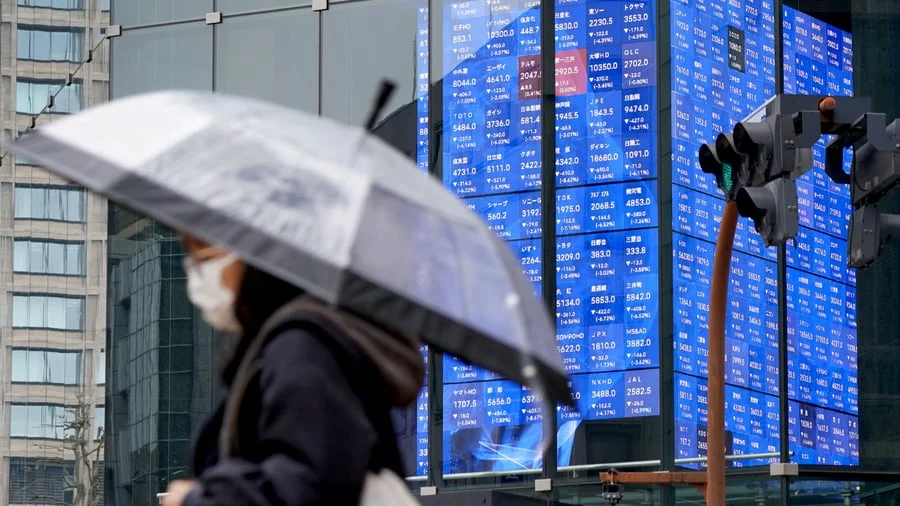
In an era marked by geopolitical instability and unpredictable economic shifts, a growing number of investors are prioritizing capital preservation and seeking refuge in assets that exhibit resilience against market fluctuations. The ongoing conflict in the Middle East, for instance, has triggered significant volatility across global exchanges, with daily price swings of over five percent becoming increasingly common. This turbulent environment was starkly illustrated by the Beiersdorf stock’s approximately 20 percent decline on March 2, 2026, marking its largest single-day loss in at least half a century. Such events underscore the critical need for investors to identify assets that can weather these storms.

Against this backdrop, Handelsblatt has identified five stocks within the Dow Jones, Euro Stoxx 50, DAX, and MDAX indices that demonstrate remarkably low price volatility over extended periods. These companies not only offer a degree of stability but also present attractive dividend yields, a combination highly sought after by risk-averse investors. The analysis, which focused on the volatility of these major indices, reveals companies that have consistently maintained their value, even when broader market sentiment experiences sharp downturns.
Understanding Volatility in Investment
Volatility, in financial terms, measures the degree of variation of a trading price series over time. It is commonly used as a measure of the risk of a given investment. A higher volatility means the price of the asset is likely to fluctuate more, and more suddenly, in a given period. Conversely, lower volatility implies that an asset’s price has been more stable. For investors, understanding volatility is key to aligning their investment strategies with their risk tolerance.

The Handelsblatt’s investigation specifically quantifies this by calculating the annualized percentage deviation of a stock’s price from its mean value. This metric provides a standardized way to compare the price stability of different companies across various market segments. The objective was to pinpoint companies whose share prices have moved less dramatically than the broader market, suggesting a more robust underlying business model or a defensive sector positioning.
The Search for Stability and Income
The selection criteria for these five stocks were twofold: low volatility and high dividend yield. This dual focus reflects a strategic approach to investing in uncertain times. Low volatility offers a hedge against potential capital erosion, while a high dividend yield provides a consistent stream of income, enhancing the overall return on investment. This is particularly appealing as investors seek to offset inflation and generate passive income without exposing their portfolios to excessive risk.
The chosen indices – the Dow Jones (representing large-cap US companies), the DAX and MDAX (key German stock market indices), and the Euro Stoxx 50 (a benchmark for large European companies) – represent a broad cross-section of established and influential global businesses. By analyzing companies within these benchmarks, the study ensures that the identified stable stocks belong to well-established entities with significant market presence.
Identifying the Resilient Performers
While the specific names of the five stocks are not detailed in the provided text, the article indicates that one particular industry features prominently, with two companies from the same sector making the list. This suggests that certain industries inherently possess characteristics that lend themselves to greater stability, often due to the essential nature of their products or services, or their regulatory environments.

These companies are considered relatively stable because investors, during turbulent market periods, place a high value on annual payouts. This indicates a preference for companies that can reliably distribute profits to shareholders, signaling financial health and a commitment to investor returns. Such companies often operate in defensive sectors, meaning their demand remains relatively stable regardless of economic conditions. Examples of such sectors typically include utilities, consumer staples, and healthcare.
Context of Market Instability
The current market climate is heavily influenced by a confluence of global events. The conflict in the Middle East, beyond its immediate humanitarian impact, has far-reaching economic consequences. It affects energy prices, supply chains, and investor sentiment, leading to increased uncertainty and, consequently, higher market volatility. Fluctuations in commodity prices, particularly oil and gas, can directly impact the profitability of many industries and the purchasing power of consumers, rippling through stock markets.

Furthermore, broader economic factors such as inflation rates, interest rate policies by central banks, and concerns about global economic growth contribute to the volatile environment. The rapid pace of technological change and shifts in consumer behavior also play a role, creating both opportunities and risks for companies. In such an environment, companies with strong balance sheets, diversified revenue streams, and a history of consistent performance are more likely to exhibit lower volatility.
The Significance of Dividends in Volatile Markets
Dividend payments are a crucial component of total shareholder return, especially in periods of market uncertainty. For many investors, particularly retirees or those seeking stable income, dividends are not just a bonus but a primary source of financial support. Companies with a consistent track record of paying and increasing dividends are often perceived as more mature, financially sound, and shareholder-friendly.

The dividend yield, calculated as the annual dividend per share divided by the stock’s current market price, is a key metric. A higher dividend yield means investors receive a larger income relative to the price they pay for the stock. When combined with low volatility, a high dividend yield creates a compelling investment proposition: a stable asset that also generates a substantial income stream, offering a buffer against market downturns and a reliable source of return.
Broader Market Trends and Investor Behavior
The search for stability is a recurring theme in investment strategy during times of heightened uncertainty. Following major geopolitical events or economic crises, there is often a discernible shift in investor behavior towards perceived "safe-haven" assets. While gold and government bonds are traditional safe havens, equities can also offer stability if they belong to companies with resilient business models.

The emphasis on companies within major indices like the Dow Jones, Euro Stoxx 50, DAX, and MDAX suggests a focus on established, blue-chip companies. These companies generally have longer operating histories, diversified business operations, and access to capital, which allows them to navigate economic downturns more effectively than smaller, less established firms. Their inclusion in major indices also means they are subject to greater scrutiny from analysts and investors, potentially leading to more transparent financial reporting and corporate governance.
Implications for Investment Strategy
The findings from Handelsblatt’s analysis offer valuable insights for investors looking to navigate the current market landscape. By focusing on companies that demonstrate both low volatility and high dividend yields, investors can potentially construct portfolios that are more resilient to market shocks while simultaneously generating income.

This strategy aligns with the principles of value investing and dividend growth investing. Value investors seek undervalued assets, and often, stable companies with consistent earnings are trading at reasonable valuations. Dividend growth investors focus on companies that not only pay dividends but also increase them over time, indicating a healthy and growing business. The identified stocks appear to satisfy these criteria, suggesting they could be attractive additions to a diversified investment portfolio.
Future Outlook
The geopolitical situation and economic outlook remain dynamic. While the specific companies are not named, the methodology employed by Handelsblatt points towards a sector or a group of companies that have historically proven their ability to maintain value and reward shareholders. As market conditions continue to evolve, investors will likely remain vigilant, seeking out such stable anchors within their portfolios. The sustained interest in low-volatility, high-dividend stocks is a testament to the enduring investor preference for security and income in an unpredictable financial world. The identified companies, by exhibiting these characteristics, offer a potential roadmap for those seeking to safeguard and grow their wealth amidst global uncertainties.