Ena Muazin
Germany’s leading financial publication, Handelsblatt, has meticulously analyzed the latest quarterly disclosures from the 1,000 largest institutional investors in the United States. These filings, mandated by the U.S. Securities and Exchange Commission (SEC), offer a rare glimpse into the strategic maneuvers of powerful players in the global financial arena. The analysis reveals a notable shift in investment focus, with a discernible move away from traditional U.S. assets and an increasing appetite for European equities, particularly within the German DAX index. This pivot is attributed by market observers to a confluence of factors, including geopolitical uncertainties and evolving global economic landscapes.
The Mandate of Transparency: Understanding SEC Filings
Institutional investors managing significant portfolios in the United States are subject to regular disclosure requirements. The primary mechanism for this transparency is Form 13F, a quarterly report filed with the SEC. This form details the holdings of investment managers who exercise investment discretion over accounts holding at least $100 million in publicly traded securities. The filings are made public with a time lag, typically within 45 days of the quarter’s end. This delay, while intended to prevent front-running, still provides valuable insights into the strategies of major funds, hedge funds, pension funds, and other institutional players.
The latest disclosures, covering the fourth quarter of the past fiscal year, were due in mid-February. Handelsblatt’s comprehensive review of these filings, encompassing over a thousand of the largest portfolios, sought to identify emerging trends and specific stock preferences among these influential investors. The sheer volume of data—spanning hundreds of thousands of equities, bonds, and options—necessitates sophisticated analytical tools and deep market expertise to extract meaningful patterns.
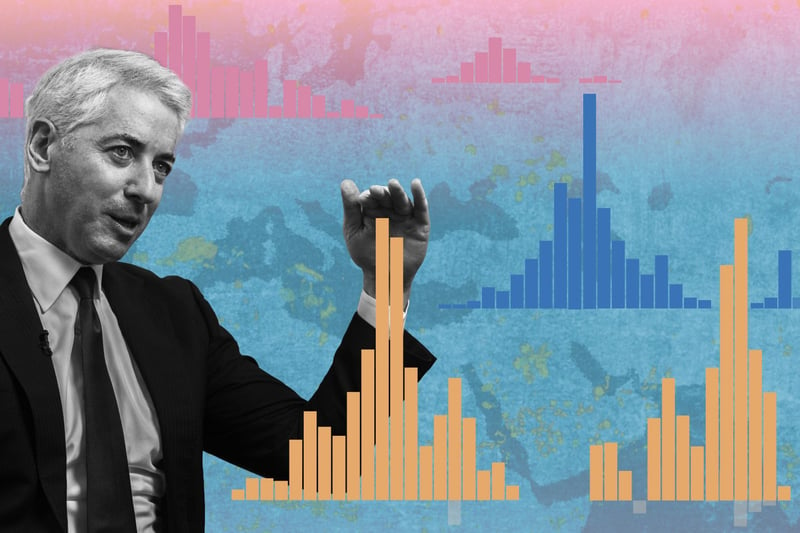
A Strategic Realignment: The Exodus from U.S. Equities
The analysis by Handelsblatt highlights a significant reallocation of capital by U.S. institutional investors. For years, the U.S. stock market has been the dominant destination for global investment capital, fueled by robust economic growth, innovation, and a relatively stable political environment. However, recent quarterly reports indicate a discernible cooling of this enthusiasm.
Several contributing factors are believed to be driving this shift:
- Geopolitical Volatility: The unpredictable foreign policy and trade stances adopted by the Trump administration have introduced a layer of uncertainty into the U.S. market. Investors, particularly those with long-term horizons, are increasingly wary of policies that could disrupt established trade relationships and economic stability. The ongoing "trade war" with China, for instance, has created ripple effects across global supply chains and investment strategies.
- The Iran Conflict and its Ramifications: While the direct impact of the Iran conflict on the U.S. economy may be localized, its broader implications for global stability and energy markets cannot be overlooked. Experts suggest that such geopolitical flare-ups, even if seemingly distant, contribute to a general risk-off sentiment, prompting investors to diversify their holdings across more stable or potentially undervalued regions.
- Valuation Concerns in U.S. Markets: After a prolonged period of growth, some segments of the U.S. stock market may be perceived as overvalued by certain institutional investors. This could lead them to seek opportunities in markets offering more attractive valuations and higher potential for growth.
Europe and Emerging Markets: The New Frontiers
In contrast to the observed outflow from U.S. assets, the Handelsblatt analysis points to a growing interest in European and emerging market equities. This strategic pivot suggests a global search for diversification and new growth engines.
- Europe’s Resurgence: European markets, which have faced their own set of challenges in recent years, are now seen by some institutional investors as offering compelling opportunities. Factors contributing to this renewed interest may include:
- Attractive Valuations: Certain European stock markets may present more attractive entry points compared to their U.S. counterparts, offering higher dividend yields and lower price-to-earnings ratios.
- Stabilizing Economic Conditions: Despite ongoing Brexit uncertainties and regional economic variations, there are signs of stabilization and recovery in key European economies.
- Sectoral Opportunities: Europe boasts strong sectors in areas like automotive, luxury goods, pharmaceuticals, and industrial manufacturing, which may align with the investment mandates of these institutions.
- Emerging Market Appeal: Countries such as China and Brazil are also reportedly benefiting from this strategic realignment. Emerging markets, despite their inherent volatility, offer the potential for higher growth rates and diversification benefits. As global trade patterns evolve and domestic consumption in these regions expands, they become increasingly attractive to investors seeking to capitalize on long-term growth narratives.
Focus on the DAX: Specific German Equities in Demand
The Handelsblatt report specifically highlights a heightened interest in German blue-chip companies listed on the DAX index. This indicates that the shift towards Europe is not merely a broad-brush approach but involves targeted investments in specific, well-established companies within the continent’s largest economy. While the article does not explicitly name the favored DAX components, it suggests that these are companies perceived to be resilient, well-managed, and poised for future growth.

Potential reasons for this specific focus on DAX companies include:
- Strong Fundamentals: Many DAX-listed companies are global leaders in their respective industries, boasting strong balance sheets, innovative products, and established international market presence.
- Resilience to Global Shocks: German companies, particularly those in the industrial and automotive sectors, have a long history of navigating complex global economic environments and demonstrating resilience.
- Dividend Payouts: Many DAX companies are known for their consistent and attractive dividend payouts, which can be a significant draw for institutional investors seeking steady income streams.
- Potential for European Recovery: As a bellwether for the European economy, a strong performance in the DAX can signal broader economic health and growth prospects for the region.
Expert Commentary: A Strategic Shift, Not a Panic Sell-off
Market analysts suggest that this observed shift in institutional investment strategies is a calculated realignment rather than a panicked response. Thomas Kruse, Chief Investment Officer at the French asset management firm Amundi, commented on the phenomenon, noting its relative rarity. "This is quite unusual," Kruse stated. "It’s not something that happens every few years." His observation underscores the significance of the current trend, suggesting it reflects a more fundamental re-evaluation of global investment opportunities.

The implications of this widespread portfolio reallocation are multifaceted:
- Impact on U.S. Markets: A sustained reduction in institutional investment in the U.S. could potentially lead to increased volatility and slower growth in U.S. equity markets, particularly if other investors follow suit.
- Boost for European and Emerging Markets: Increased capital inflows into European and emerging markets could spur economic growth, support currency valuations, and lead to higher asset prices in these regions.
- Opportunities for Retail Investors: While institutional investors operate on a different scale and with different objectives, their strategic shifts can sometimes signal broader market trends that retail investors may wish to consider, albeit with appropriate caution and due diligence.
Looking Ahead: Navigating an Evolving Investment Landscape
The quarterly disclosures from U.S. institutional investors provide a valuable, albeit lagged, barometer of global investment sentiment. The current trend of shifting capital away from U.S. markets and towards Europe and emerging economies, with a particular focus on select DAX components, suggests a strategic response to an increasingly complex and uncertain global economic and geopolitical landscape.

As investors continue to adapt to evolving political dynamics, trade relations, and potential geopolitical conflicts, the importance of diversification and a global perspective in investment strategies becomes ever more critical. The ongoing analysis of these institutional filings will remain a crucial tool for understanding the direction of global capital flows and identifying the key drivers shaping the future of financial markets. The coming quarters will likely reveal whether this trend is a temporary adjustment or a more profound, long-term recalibration of global investment priorities.