Lina Wu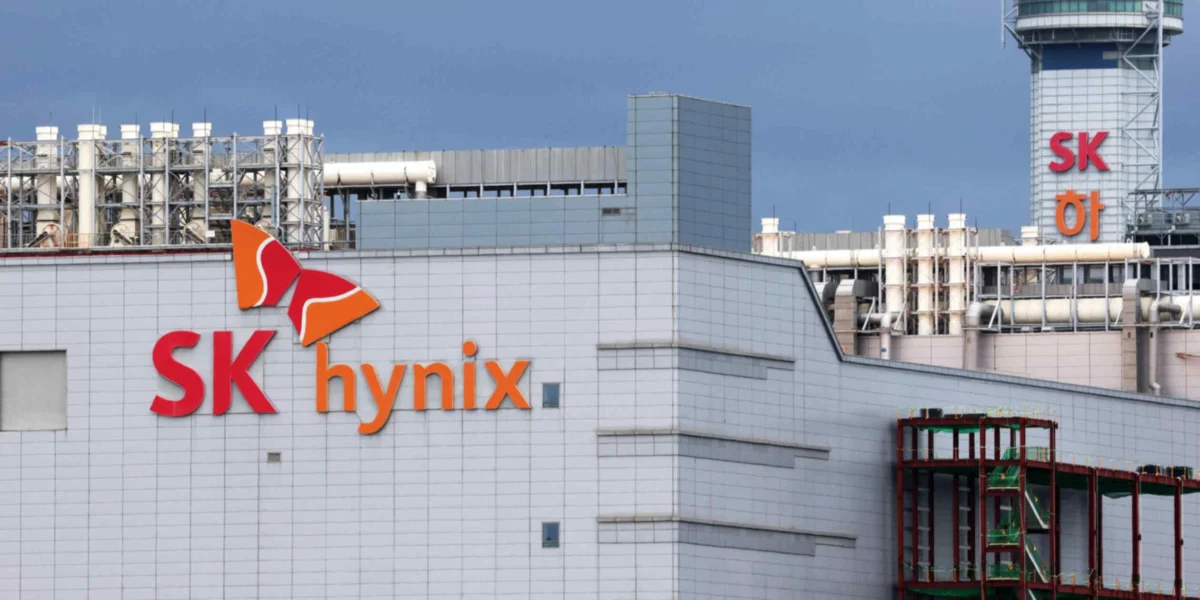
Northeast Japan’s Miyagi prefecture has launched an ambitious bid to attract South Korean memory chip giant SK Hynix to establish a state-of-the-art manufacturing facility within its borders. This strategic initiative, however, faces considerable headwinds, not only from intense lobbying efforts by the United States but also from Seoul’s cautious stance on approving new foreign ventures, largely driven by apprehensions regarding the potential leakage of advanced semiconductor technologies. The prefecture’s overtures underscore a broader global race for semiconductor manufacturing dominance and highlight the intricate geopolitical and economic considerations at play in the highly sensitive electronics industry.
A Strategic Push for Semiconductor Reshoring
The proposal from Miyagi Prefecture is part of a wider Japanese strategy to bolster its domestic semiconductor manufacturing capabilities. Following a series of global supply chain disruptions, particularly exacerbated by the COVID-19 pandemic, nations worldwide have prioritized reshoring and diversifying their production of critical components like semiconductors. Japan, historically a powerhouse in electronics, has seen its market share in chip manufacturing diminish over the past few decades, prompting a concerted effort by the government and regional authorities to revive its industry.
Miyagi Prefecture, located in the Tohoku region, is no stranger to advanced manufacturing. It hosts established industrial clusters and possesses a skilled workforce, making it a potentially attractive location for a high-tech facility like an SK Hynix plant. The prefecture likely envisions that such an investment would not only create substantial employment opportunities but also stimulate local economic growth, foster technological innovation, and integrate Japan more deeply into the global semiconductor value chain. The specific type of cutting-edge memory chip plant sought is likely to focus on advanced DRAM (Dynamic Random-Access Memory) or NAND flash memory, crucial components for everything from smartphones and computers to data centers and artificial intelligence applications.
The United States Factor: A Geopolitical Overlay
The competition for SK Hynix’s investment is not confined to regional economic incentives. The United States has also been actively courting the South Korean company, advocating for increased chip production within North America. This push is driven by Washington’s strategic imperative to reduce reliance on East Asian chip supplies, particularly from Taiwan, which faces ongoing geopolitical tensions. The US has been a significant market for semiconductors and views domestic production as a matter of national security and economic resilience.
SK Hynix, as one of the world’s leading memory chip manufacturers alongside Samsung Electronics, is a highly sought-after partner for any nation aiming to strengthen its semiconductor ecosystem. The company’s expertise in advanced memory technologies and its substantial production capacity make its investment decisions critical for global supply chain stability. The dual lobbying efforts from Japan and the US create a complex negotiation landscape for SK Hynix, forcing the company to weigh various economic, political, and strategic factors.
Seoul’s Dilemma: Technology Leakage Concerns
Adding another layer of complexity to the situation is South Korea’s government’s cautious approach to approving new foreign facilities for its major semiconductor players. The primary concern revolves around safeguarding proprietary technology and intellectual property. South Korea has invested heavily in research and development to achieve its leading position in the memory chip market, and there is a palpable anxiety about advanced technologies falling into the hands of competitors or being used in ways that could undermine South Korea’s strategic interests.
This reluctance to approve foreign ventures is not unique to SK Hynix. South Korean authorities have historically maintained a degree of oversight on overseas investments by their national champions, particularly in highly sensitive sectors like semiconductors. The approval process often involves rigorous vetting to ensure that technology transfer is managed responsibly and that national interests are protected. For SK Hynix, this means that any decision to build a new plant abroad, even if driven by business imperatives, will likely require significant consultation and approval from the South Korean government. This internal hurdle could significantly influence the timeline and feasibility of projects in countries like Japan.
Background Context: The Evolving Semiconductor Landscape
The current landscape of semiconductor manufacturing is characterized by intense competition, escalating technological sophistication, and growing geopolitical significance. For decades, East Asia, particularly South Korea, Taiwan, and Japan, has dominated the production of advanced memory chips. However, recent years have seen a concerted global effort to diversify manufacturing bases, driven by supply chain vulnerabilities exposed by the pandemic and by national security concerns.
- Early 2000s – Mid 2010s: Japan was a dominant force in memory chip manufacturing, with companies like Toshiba and Hitachi playing major roles. However, a combination of factors, including intense price competition and shifts in market demand, led to a decline in Japan’s share.
- Late 2010s – Present: South Korea, led by Samsung and SK Hynix, has emerged as the undisputed leader in DRAM and NAND flash memory production. Taiwan has excelled in foundry services, manufacturing chips designed by other companies, notably TSMC. The US has focused on chip design and research but has lagged in advanced manufacturing capacity.
- 2020 onwards: The COVID-19 pandemic and subsequent supply chain disruptions highlighted the global dependence on a few key regions for chip production. This spurred significant policy initiatives in the US, Europe, and Japan to incentivize domestic chip manufacturing. The CHIPS and Science Act in the US, for instance, aims to provide billions of dollars in subsidies and tax credits to encourage semiconductor manufacturing and R&D within the country.
This broader context explains why Miyagi Prefecture’s bid is part of a larger national and international trend. Japan’s renewed focus on semiconductor manufacturing, symbolized by the establishment of the Rapidus consortium aimed at producing next-generation logic chips, indicates a long-term strategic commitment. However, success in memory chips, where SK Hynix is a global leader, represents a different but equally critical facet of this revival.
Potential Implications of an SK Hynix Plant in Miyagi
The establishment of an SK Hynix plant in Miyagi Prefecture, if it materializes, would have several significant implications:
- For Japan: It would represent a major victory in its efforts to reindustrialize and regain a foothold in advanced semiconductor manufacturing. It would also enhance Japan’s resilience against future supply chain shocks and potentially foster a more robust domestic technology ecosystem. The prefecture itself would benefit from job creation, technological transfer, and economic stimulus.
- For SK Hynix: A Japanese facility could diversify its manufacturing footprint, reducing reliance on a single country and potentially offering access to new markets and government incentives. It could also serve as a strategic move to strengthen ties with a key global economy.
- For South Korea: While the government’s concerns are valid, the potential loss of a manufacturing base to a close economic partner like Japan could be viewed with some apprehension. However, if managed correctly with robust IP protection agreements, it could also represent a strategic alliance that benefits both nations.
- For the Global Semiconductor Market: Increased production capacity, particularly in advanced memory chips, could contribute to market stability and potentially alleviate future supply shortages. However, it also signifies the ongoing geopolitical maneuvering and competition that shapes the industry.
Navigating the Hurdles: A Complex Negotiation
The path forward for Miyagi Prefecture’s proposal is far from straightforward. SK Hynix will need to meticulously weigh the economic benefits, government incentives, and the political climate in both Japan and South Korea. The US’s continued lobbying efforts will also exert pressure. Furthermore, the technical and logistical challenges of establishing a cutting-edge chip plant are immense, requiring significant investment, skilled labor, and a stable supply of raw materials and energy.
The success of Miyagi’s bid will hinge on its ability to offer a compelling package of incentives, infrastructure, and assurances that can overcome the geopolitical considerations and Seoul’s technological safeguarding concerns. For SK Hynix, the decision will be a strategic balancing act, aiming to maximize its global competitiveness while navigating the increasingly complex geopolitical currents that define the modern semiconductor industry. The coming months will likely see intense diplomatic and commercial negotiations as all parties involved strive to secure their strategic interests in this critical technological domain.