Gilang Muhammad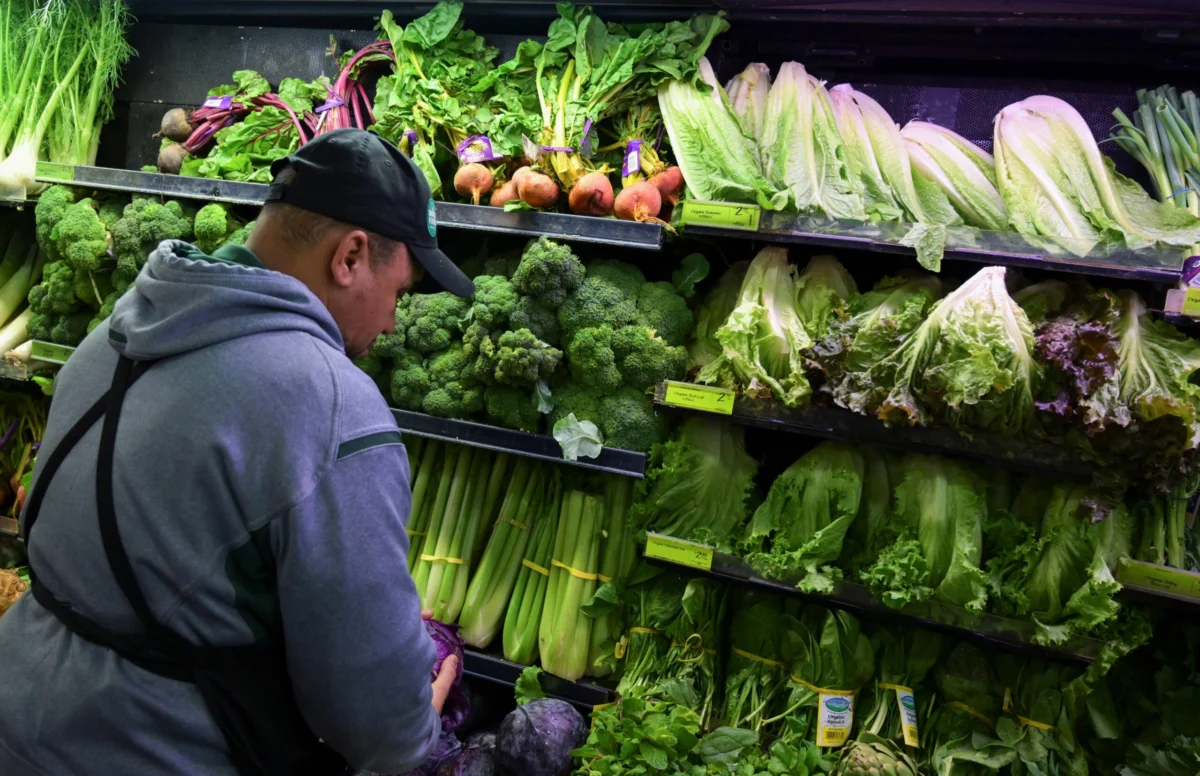
The American lettuce market experienced an unprecedented collapse in July, with prices plummeting by a record 16.4% from June, according to seasonally adjusted data released Wednesday by the Bureau of Labor Statistics. This dramatic deflation, the largest one-month decline on record for the leafy green, is directly attributed to a widespread cyclospora outbreak that has eroded consumer confidence and led diners nationwide to shun fresh salads and produce. The downturn marks a sharp reversal from earlier in the summer when lettuce prices had reached all-time highs, underscoring the extreme volatility now characterizing key segments of the food supply chain.
The Outbreak’s Genesis and Escalation
The cyclospora outbreak, a multi-state public health crisis, began to surface in early summer, with an increasing number of reported cases of cyclosporiasis, an intestinal illness caused by the microscopic parasite Cyclospora cayetanensis. This parasite is typically spread when people ingest food or water contaminated with infected feces, often linked to imported fresh produce. Symptoms, which can include watery diarrhea, loss of appetite, weight loss, abdominal cramps, nausea, and fatigue, can last for weeks or even months if untreated, posing a significant public health challenge.
By late July, health authorities, including the Food and Drug Administration (FDA) and the Centers for Disease Control and Prevention (CDC), had intensified their investigations. Their focus narrowed to iceberg lettuce processed at a Taylor Farms facility in central Mexico, identifying it as the likely origin point for the waterborne parasite’s recent spread. Following the FDA’s findings and in cooperation with health officials, Taylor Farms voluntarily initiated a recall of products sourced from the implicated location, though the exact reach and duration of contaminated produce in the supply chain remained a complex challenge to fully ascertain. The Michigan Department of Health, initially issuing broad warnings, later eased its specific lettuce advice as reports of cyclosporiasis began to decline, signaling a potential containment, but not before widespread alarm had already taken hold.
Market Dynamics: From All-Time Highs to Record Lows
The 16.4% month-over-month price drop for lettuce in July represents a staggering shift in market dynamics. This decline was not merely significant within the produce sector; lettuce posted the sharpest month-over-month deflation within the consumer price index’s broader food category, which saw overall prices tick up a modest 0.1% in the same period. "It’s very likely due to the cyclospora outbreak and consumers just not wanting to buy lettuce right now," explained Jeremy Horpedahl, an associate economics professor at the University of Central Arkansas. "The consumer is just wanting to stay away from this product, regardless of price."
This record plunge pulled lettuce prices back from the all-time highs observed earlier in the summer. Prior to July, lettuce had been on a sustained upward trajectory, with prices still up around 7.5% in July compared to a year ago, more than double the pace of overall price growth seen across the closely followed CPI basket. This earlier surge was driven by a confluence of macroeconomic and geopolitical factors. The ongoing conflict in Iran, for instance, had significantly boosted fertilizer prices globally, impacting agricultural input costs across the board. Simultaneously, President Donald Trump’s mass deportations of undocumented workers had resulted in increased labor costs for many U.S. farms, which rely heavily on seasonal agricultural labor, further pushing up the price of produce like lettuce.
The volatility in lettuce prices echoes recent fluctuations seen in other essential food items, notably eggs. Over the past few years, egg prices surged dramatically following outbreaks of bird flu, which decimated poultry flocks and severely curtailed supply. However, as the industry recovered and supply rebounded, egg costs have since fallen drastically, illustrating a "boom-and-bust" price cycle that has become increasingly common in agricultural markets susceptible to external shocks, whether disease outbreaks or geopolitical events.
Industry Response and Consumer Behavior Shifts

The cyclospora outbreak had immediate and profound effects on the restaurant industry and consumer purchasing habits. Several restaurant chains that feature lettuce prominently in their menu items reported a noticeable drop in traffic, even if their specific supplies were confirmed to be uncontaminated. The pervasive public concern over food safety created a halo effect, leading many diners to avoid leafy greens altogether.
Brett Schulman, CEO of the fast-casual Mediterranean chain Cava, acknowledged these "broader consumer concerns" around leafy greens and fresh produce during a recent CNBC interview, noting they had affected near-term sales towards the end of its second quarter. However, Schulman also expressed cautious optimism, reporting that sales trends had begun to rebound, suggesting a potential, albeit slow, recovery in consumer confidence for some establishments.
Data from NielsenIQ underscored the severity of the consumer pullback. Dollar sales of prepackaged salads, a significant segment of the fresh produce market, plunged by a stark 14% during the four weeks ended July 25, when compared to the same period a year ago. This decline highlights how swiftly and dramatically public health advisories and media coverage of outbreaks can alter purchasing patterns, even for convenient, everyday items.
For shoppers grappling with years of higher-than-preferred inflation levels, sharp price declines in a staple like lettuce would ordinarily be welcome news. However, Horpedahl emphasized that consumers are unlikely to capitalize fully on these cost reductions given the lingering worries around food safety. "Consumers are not going to rush out and buy this now just because it’s cheaper," Horpedahl stated. "It’s fallen because nobody wants it." This sentiment underscores a critical distinction: price elasticity diminishes significantly when fundamental trust in product safety is compromised.
Public Health Context and Broader Implications
The cyclospora outbreak is not an isolated incident. The U.S. has experienced several cyclospora outbreaks linked to fresh produce in recent years. Notable past incidents include outbreaks traced to prepackaged salads from Fresh Express and to McDonald’s salads, both of which led to widespread illness and significant recalls. These recurring events highlight persistent vulnerabilities within the complex global food supply chain, particularly concerning fresh produce that often travels long distances and involves multiple processing steps.
The FDA and CDC continue to play crucial roles in identifying the sources of such outbreaks, issuing public health advisories, and working with the food industry to enhance safety protocols. These efforts often involve rigorous traceback investigations, environmental assessments of growing and processing facilities, and recommendations for improved agricultural practices, sanitation, and water quality management. For consumers, public health officials consistently advise thoroughly washing all produce, though it’s important to note that cyclospora can be notoriously resistant to typical washing methods, making source control paramount.
Looking ahead, the dramatic swing in lettuce prices and the underlying cyclospora crisis carry significant implications for the agricultural sector, food safety regulations, and long-term consumer purchasing habits. For growers and distributors, such outbreaks represent not only immediate financial losses due to recalls and reduced demand but also potential long-term damage to brand reputation and market access. The incident will likely spur renewed calls for stricter oversight, more robust testing regimes, and greater transparency throughout the international produce supply chain.
Moreover, the episode may contribute to a broader re-evaluation by consumers of the risks associated with fresh, ready-to-eat produce. While the convenience of pre-cut and pre-washed salads is undeniable, recurring outbreaks could lead to a sustained shift towards home preparation or a preference for cooked vegetables, impacting an industry that has heavily invested in fresh-cut convenience. The market’s sharp reaction to the cyclospora outbreak serves as a potent reminder of the delicate balance between supply chain efficiency, cost, and the paramount importance of food safety in maintaining consumer trust.
— CNBC’s Amelia Lucas contributed reporting to this article.