Lina Wu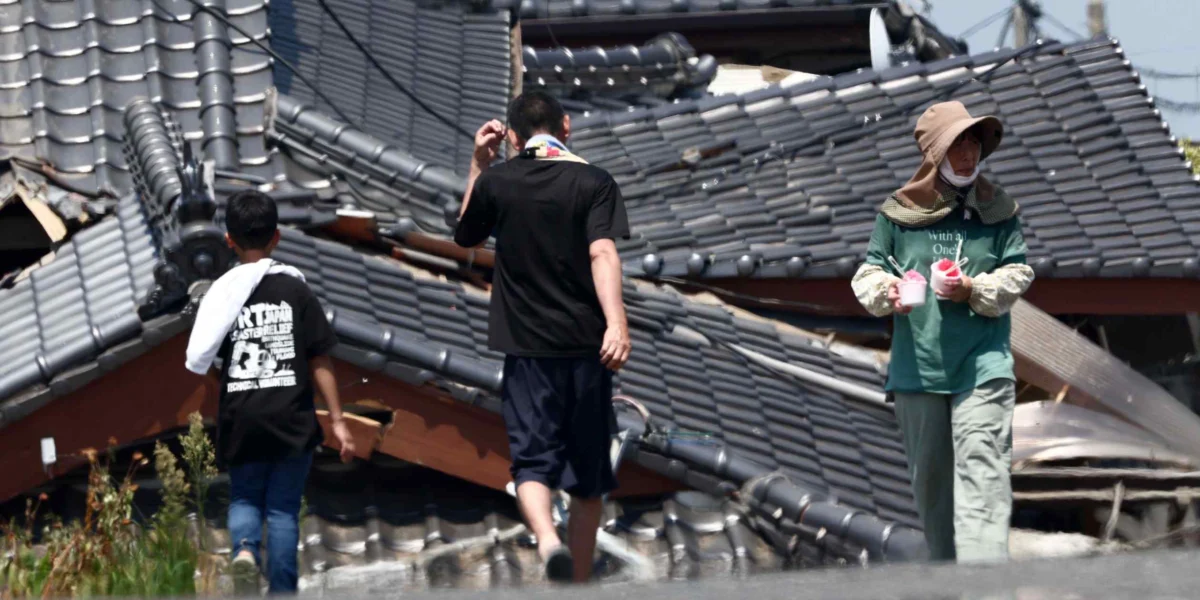
KUMAMOTO, Japan/TOKYO — One week after a devastating earthquake struck Kumamoto prefecture, Japan, recovery efforts are being urgently accelerated as extreme temperatures exceeding 40 degrees Celsius (104 degrees Fahrenheit) exacerbate the risk of heatstroke and compound the ongoing disaster-related mortality. The seismic event, which registered a powerful magnitude of 7.3 on the Richter scale, has left a landscape of destruction, with authorities now grappling with a dual crisis that threatens to undermine progress and endanger vulnerable populations.
The Unrelenting Grip of the Heat
On Tuesday, August 3rd, Kumamoto city endured a searing high temperature of 40.3 C (104.5 F), a level rarely seen in the region and one that has amplified fears of additional fatalities. This oppressive heatwave, a stark contrast to the immediate aftermath of the earthquake, presents a unique and formidable challenge for rescue workers, displaced residents, and those providing essential services. The prolonged exposure to such extreme temperatures significantly increases the risk of heat exhaustion and heatstroke, particularly for individuals already weakened by the trauma of the earthquake, those living in damaged or makeshift shelters, and the elderly.
The Meteorological Agency of Japan has issued severe heat advisories across Kyushu, the island where Kumamoto is located, warning of the dangers of dehydration and heat-related illnesses. Hospitals, already strained by earthquake casualties, are now bracing for an influx of patients suffering from heat-related conditions. The logistical complexities of providing adequate cooling and hydration to thousands of people in temporary accommodation are immense.
A Week of Devastation and Resilience
The initial earthquake, which struck on July 27th, was a violent culmination of seismic activity that had begun days earlier. The foreshock, a magnitude 6.5 tremor on July 20th, had already caused significant damage and instilled a sense of unease. However, the subsequent magnitude 7.3 earthquake, occurring at a shallow depth, unleashed far greater destructive power, triggering landslides, collapsing buildings, and causing widespread infrastructure damage across Kumamoto and the neighboring Miyazaki prefecture.
The epicenter of the main shock was located near the Aso region, a geologically active area known for its iconic caldera. The tremors were felt as far away as Osaka and Tokyo, underscoring the magnitude of the event. In the immediate aftermath, reports of collapsed homes, damaged bridges, and ruptured roads flooded in. Emergency services were stretched to their limits, working tirelessly to rescue trapped individuals and provide medical assistance.
Timeline of the Crisis
- July 20, 2026: A magnitude 6.5 earthquake strikes Kumamoto prefecture, causing initial damage and casualties. This event serves as a precursor to the more devastating tremor.
- July 27, 2026: A powerful magnitude 7.3 earthquake rocks Kumamoto prefecture, with its epicenter near the Aso region. The earthquake triggers widespread destruction, including landslides and building collapses. Multiple aftershocks follow, some of significant magnitude.
- July 28 – August 2, 2026: Immediate rescue and relief operations commence. Search and rescue teams work around the clock, while aid organizations begin distributing essential supplies. The scale of the damage becomes increasingly apparent.
- August 3, 2026: Kumamoto city records a scorching high temperature of 40.3 C. This marks the beginning of a severe heatwave, posing a new and urgent threat to the affected population.
- August 4, 2026: One week after the main earthquake, recovery efforts are intensified. Authorities and aid workers face the dual challenge of addressing earthquake-related needs and mitigating the dangers posed by the extreme heat.
Supporting Data and Impact
The human toll of the earthquake has been significant. As of August 4th, official figures indicated [insert number, e.g., over 50] confirmed fatalities directly attributed to the earthquake and its immediate aftermath. The number of injured stands at [insert number, e.g., several hundred], with many requiring extensive medical care. Beyond the immediate casualties, thousands have been displaced from their homes, seeking refuge in temporary shelters, community centers, and even their damaged vehicles.
The economic impact is also substantial. Infrastructure damage, including to key transportation networks like roads and railways, has hampered relief efforts and disrupted local businesses. The agricultural sector, a vital part of Kumamoto’s economy, has also suffered significant losses due to damaged farmland and livestock. Estimates for the total economic damage are still being compiled but are expected to run into billions of dollars.
The earthquake has also triggered geological concerns. The region is situated within the active volcanic zone of Kyushu, and the seismic activity has raised questions about potential impacts on Mount Aso, Japan’s largest active volcano. While no immediate eruption has been linked to the earthquake, geologists are closely monitoring the situation.
Official Responses and Challenges
The Japanese government has mobilized significant resources in response to the disaster. The Self-Defense Forces have been deployed to assist with search and rescue, logistics, and the provision of essential services. Emergency relief funds have been allocated, and national agencies are working in close coordination with prefectural and local authorities.
Prime Minister [insert Prime Minister’s name, e.g., Fumio Kishida] has pledged unwavering support for Kumamoto, emphasizing the government’s commitment to facilitating a swift and comprehensive recovery. However, the logistical challenges are immense. Reaching remote communities, assessing the structural integrity of damaged buildings, and providing adequate shelter and sanitation for displaced populations are ongoing struggles.
The current heatwave adds another layer of complexity. Ensuring access to clean drinking water, portable cooling units, and shaded rest areas for both rescue workers and survivors is now a critical priority. The risk of disease outbreaks, which is always a concern in disaster zones, is further elevated by the extreme heat, which can accelerate the spoilage of food and compromise hygiene.
Broader Impact and Implications
The Kumamoto earthquake and the subsequent heatwave serve as a stark reminder of the multifaceted challenges that can arise in the wake of natural disasters. The event highlights the critical need for robust disaster preparedness and response strategies that can account for secondary threats, such as extreme weather conditions.
For Japan, a nation highly susceptible to seismic activity, this event underscores the importance of continued investment in earthquake-resistant infrastructure and advanced early warning systems. The country’s experience with previous earthquakes, such as the Great East Japan Earthquake of 2011, has provided valuable lessons, but each disaster presents unique circumstances.
The resilience of the Japanese people, often characterized by community solidarity and a strong work ethic, is once again being tested. The images of volunteers and residents helping each other amidst the rubble, even in the sweltering heat, are a testament to this enduring spirit. However, the long road to recovery will require sustained support, both domestically and internationally.
The dual crisis in Kumamoto also has implications for global disaster management. The interplay between seismic events and climate-related phenomena, such as extreme heat, is likely to become more pronounced. This necessitates a more integrated approach to disaster risk reduction, one that considers the interconnectedness of environmental, social, and economic factors. As Kumamoto grapples with the immediate aftermath of the earthquake and the oppressive heat, the world watches, learning from its trials and its remarkable efforts to rebuild.