Gilang Muhammad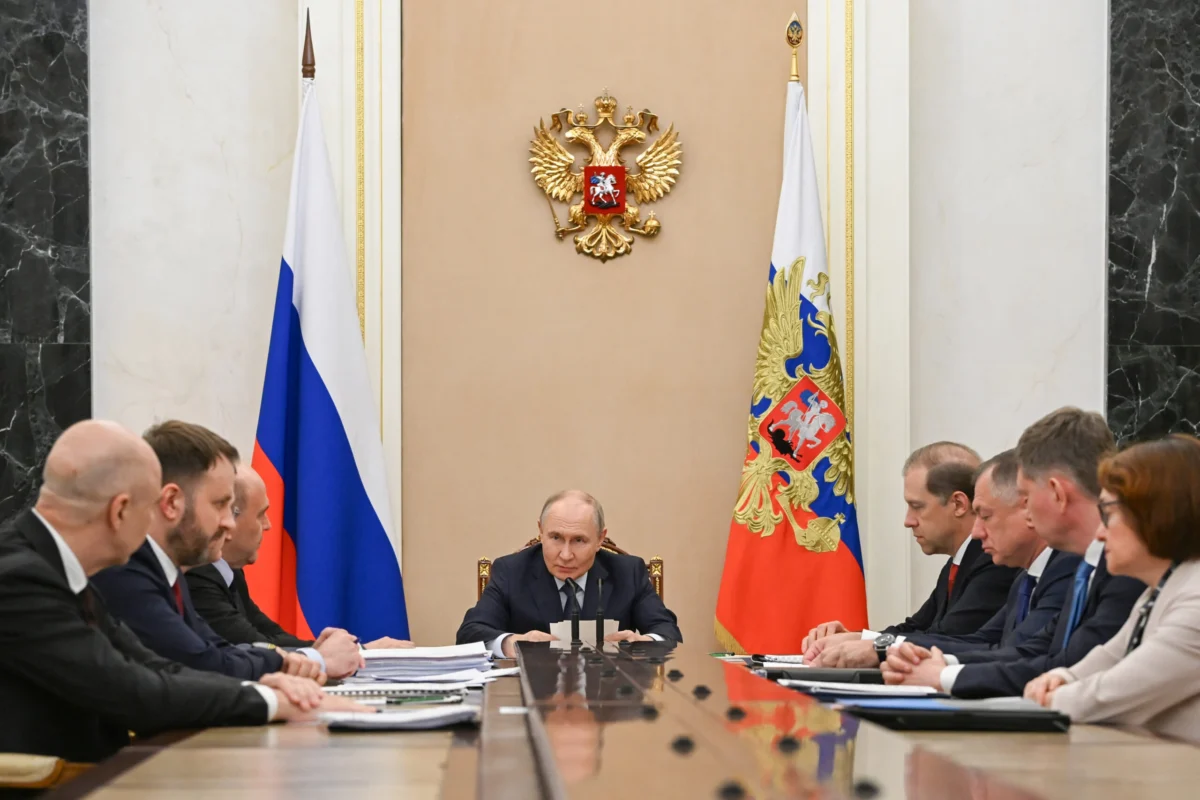
Moscow, Russia – The Kremlin’s tightly controlled economic narrative has been challenged and swiftly reaffirmed with the dismissal of Andrei Klepach, the former chief economist of Russia’s state-controlled development bank VEB.RF. Klepach, a respected figure and former deputy economy minister, was reportedly fired on Sunday, August 15, 2026, following the public circulation of his stark assessment that Russia cannot prevail in a prolonged economic war of attrition against the West and Ukraine, forecasting a significant social crisis. This move starkly underscores Moscow’s increasingly zero-tolerance policy towards any public dissent or criticism of its protracted military campaign in Ukraine, now in its fifth year since the full-scale invasion in early 2022.
The dismissal of a prominent economist for his frank analysis highlights a widening chasm between the official portrayal of a robust and resilient Russian economy, championed by government officials, and the sobering realities articulated by some of the nation’s most experienced financial minds. Klepach’s warnings, initially presented to fellow economists in May, gained wider traction after being reported in Russian-language media on August 14, 2026, precipitating his swift removal.
Klepach’s Dire Warnings and the Unraveling Narrative
Andrei Klepach, a figure with deep roots in Russia’s economic establishment, had served as the chief economist for VEB.RF, Russia’s state development corporation, a crucial institution for financing large-scale national projects. His credentials as a former deputy economy minister lend considerable weight to his pronouncements, making his critique particularly potent and, seemingly, intolerable to the authorities.
In a speech delivered on May 21, 2026, to a gathering of economists, Klepach offered an unvarnished assessment of Russia’s long-term economic prospects. According to a translated transcript, he declared, "In this war of attrition, we will not win the competition. We’re under the illusion that everything will collapse [in the West]. It hasn’t, and it won’t. Our costs are mounting." His analysis directly contradicted the prevalent state media narrative that Western sanctions were faltering and that Russia’s economy was adapting successfully.
Klepach further elaborated on his pessimistic outlook, predicting not an economic collapse, but a widening lag behind global economies, inevitably leading to severe societal consequences. "I believe Russia won’t collapse, but I’m almost certain that we’ll end up in a social crisis. We won’t collapse economically, but our lag will widen, with all the ensuing consequences," he added. This forecast of a "social crisis" is particularly alarming, evoking historical parallels and suggesting potential for widespread unrest or instability, a specter the Kremlin is keen to avoid.
The independent Russian outlet, The Bell, citing unnamed sources familiar with the situation, was among the first to report that Klepach’s dismissal was a direct consequence of his scathing economic assessment. While CNBC could not independently verify this report, the timing and context strongly suggest a punitive response to public dissent, especially concerning such a sensitive topic as the war’s sustainability.
A Chronology of Economic Strain and Dissent
The events leading to Klepach’s dismissal are part of a broader pattern of escalating economic pressures and the Kremlin’s attempts to control the narrative:
- February 24, 2022: Russia launches a full-scale invasion of Ukraine, triggering an unprecedented wave of international sanctions aimed at crippling its economy and war machine.
- Throughout 2022-2025: Western sanctions intensify, targeting Russia’s financial sector, energy exports, technology access, and key individuals. Despite initial shocks, the Russian economy demonstrates unexpected resilience, fueled by elevated oil and gas prices and significant government spending on the military-industrial complex. However, signs of strain begin to emerge, including labor shortages, inflation, and a growing budget deficit.
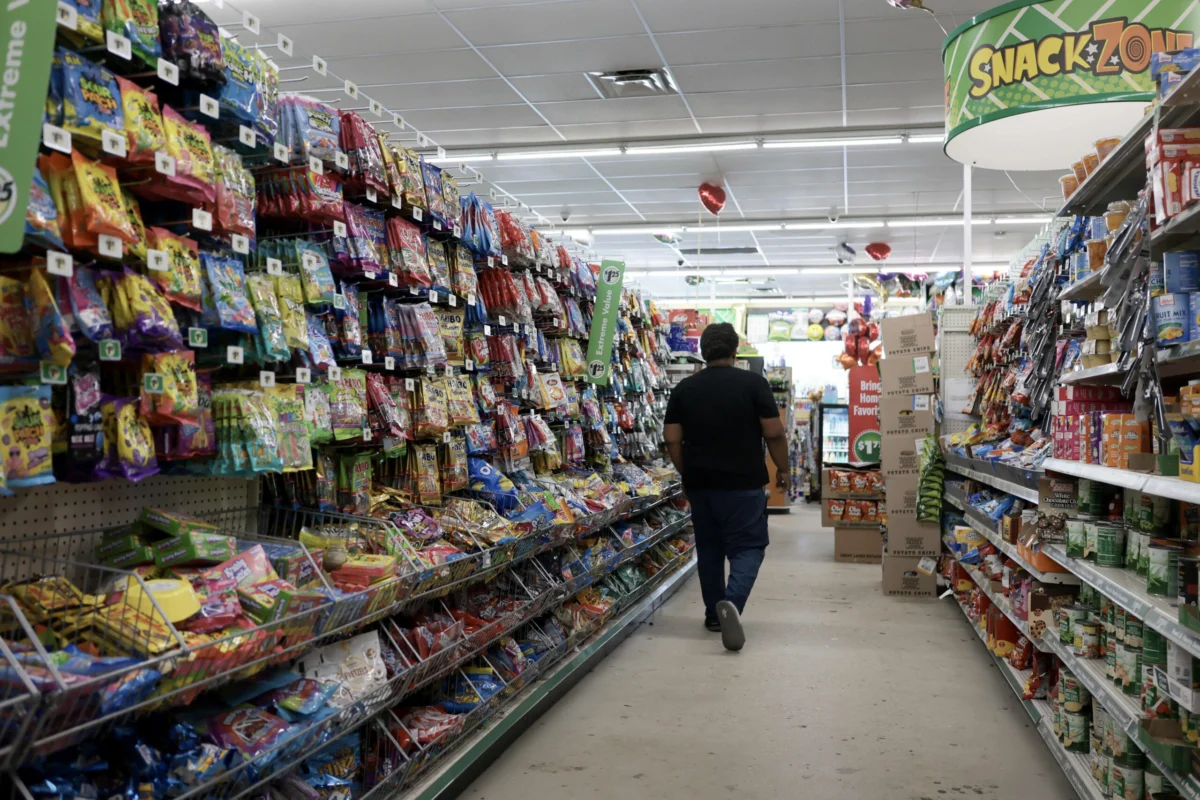
- July 10, 2026: A billboard in Moscow proudly declares "Pride of Russia!" honoring a participant in the military action in Ukraine. Juxtaposed, a Neftmagistral gas station pylon shows a stark "no gasoline" sign, a visible indicator of potential supply chain issues or localized shortages that contradict the official narrative of abundance.
- May 21, 2026: Andrei Klepach delivers his unvarnished economic assessment, warning of Russia’s inability to win a prolonged war of attrition and predicting a social crisis due to widening economic lag.
- August 14, 2026: Klepach’s comments, made months prior, are widely reported in Russian-language media, bringing his dissenting views into the public sphere.
- August 15, 2026 (Sunday): Andrei Klepach is dismissed from his position as chief economist at VEB.RF, just a day after his critical report gained public prominence.
- August 16, 2026 (Monday): International analysts and commentators react to Klepach’s dismissal, highlighting the suppression of independent economic analysis within Russia.
Russia’s Defiant Economic Stance Amidst Growing Strain
Despite the internal warnings from figures like Klepach, Russian government officials continue to project an image of economic strength and resilience. They consistently argue that the economy is robust and healthy, having successfully weathered "unprecedented foreign pressure."
The Russian embassy to the U.K. reiterated this defiant stance to CNBC, asserting that Russia’s fiscal position remains "significantly stronger" than that of many Western economies. The embassy pointed to Russia’s foreign public debt, estimated at around $57 billion, which they claim is "considerably less" than the amounts the U.S., U.K., Italy, or France spend on debt servicing alone. "The Russian economy remains resilient, as does the will of our people," a spokesperson for the Russian Embassy stated via email.
Furthermore, the embassy spokesperson dismissed the effectiveness of international sanctions, stating, "Attempts to undermine Russia through economic pressure have not produced the results their authors expected." They turned the argument back on Western nations, claiming that "the West — including the UK — is itself paying a substantial price for its reckless sanctions policy. British businesses have lost access to the Russian market, while disrupted supply chains and higher energy and commodity costs have imposed additional costs on the U.K. economy."
Underlying Economic Realities and Supporting Data
While official rhetoric remains unwavering, external analyses and some internal indicators suggest a more complex picture. Russia’s wartime economy has indeed defied initial predictions of collapse, driven by massive government spending on defense and social programs, adaptation to sanctions, and redirection of trade towards non-Western partners, particularly China and India.
- GDP Growth: After an initial contraction in 2022, Russia’s GDP returned to modest growth in 2023 and 2024, often attributed to the expansion of the military-industrial complex and state-funded projects. However, this growth is largely concentrated in sectors directly supporting the war effort, potentially masking stagnation or decline in civilian-oriented industries. The International Monetary Fund (IMF) revised its growth forecasts for Russia upwards in early 2026, acknowledging the adaptation, but cautioned about the long-term sustainability and structural distortions.
- Inflation: High government spending and persistent supply chain issues have fueled inflation, impacting the purchasing power of ordinary Russians. The Central Bank of Russia has repeatedly raised interest rates to combat inflationary pressures, signaling underlying economic instability.
- Budget Deficit: Despite robust oil and gas revenues in certain periods, increased military expenditures have led to a widening budget deficit, forcing the government to tap into its National Wealth Fund and increase borrowing. This trend is unsustainable in the long run without significant revenue increases or spending cuts.
- Labor Shortages: The mobilization of hundreds of thousands of men for military service, coupled with a significant exodus of skilled workers and professionals since 2022, has created acute labor shortages across various sectors. This demographic pressure hampers productivity and long-term economic growth.
- Oil & Gas Reliance: While Russia successfully rerouted much of its oil and gas exports, particularly to Asian markets, Western price caps and sanctions have reduced its overall revenue potential compared to pre-war levels. Furthermore, the long-term shift away from European markets necessitates costly infrastructure adjustments and leaves Russia vulnerable to price fluctuations in a more limited market.
- Technological Lag: Sanctions on advanced technology imports are slowly but surely degrading Russia’s industrial and technological base, particularly in sectors like aviation, automotive manufacturing, and high-tech industries. This widening technological gap is precisely what Klepach warned could lead to a significant lag.
- Drone Attacks: Recent long-range Ukrainian drone attacks on Russian oil refineries and logistics hubs, such as those targeting delivery warehouses and fuel infrastructure, have brought Russia’s wartime economy into sharper focus. These attacks, while not catastrophic, introduce new vulnerabilities, disrupting supply chains, increasing fuel costs, and forcing Russia to divert resources to defense and repair.
Expert Reactions: Alarm Among "Best Economic Minds"
The news of Klepach’s dismissal resonated deeply among international observers and economists familiar with Russia. Anders Aslund, a prominent Swedish economist and former senior fellow at the Atlantic Council, expressed little surprise at the development. "In an eminent analysis, he concluded that Russia could not win a war of attrition against Ukraine and that Russia was likely to end up in a social crisis as in 1917," Aslund commented via X (formerly Twitter) on Sunday, drawing a stark historical parallel. The reference to 1917, the year of the Russian Revolutions, underscores the potential for profound societal upheaval.
Nigel Gould-Davies, a senior fellow for Russia and Eurasia at the International Institute for Strategic Studies, lauded Klepach’s capabilities. "I have long said the best economic minds in Russia are the most alarmed. This again confirms it," Gould-Davies stated via social media on Monday, implying that those with the deepest understanding of Russia’s economic intricacies are the most concerned about its trajectory. This sentiment suggests that the suppression of Klepach’s views might be preventing a more accurate and critical assessment from reaching the highest levels of decision-making.
Broader Implications: Suppressing Truth and Fueling Uncertainty
The dismissal of Andrei Klepach carries significant implications beyond his personal career. It signals a chilling effect for other economists and officials within Russia, reinforcing the message that dissenting economic analysis, especially if it touches upon the war’s sustainability, is unacceptable. This suppression of expert opinion could lead to policy decisions based on incomplete or overly optimistic information, potentially exacerbating underlying economic vulnerabilities.
Moreover, the incident highlights the Kremlin’s deep-seated concern about internal stability. The explicit mention of a "social crisis" by Klepach likely touched a raw nerve, as the regime prioritizes maintaining public order and loyalty amidst the ongoing conflict. By silencing such warnings, the government aims to prevent any erosion of public confidence in its ability to manage the war and the economy.
The war in Ukraine, initially envisioned as a swift operation, has evolved into a grinding conflict of attrition. Klepach’s analysis suggests that Russia’s centralized, state-driven economic model, while capable of mobilizing resources for warfare in the short term, lacks the innovation, efficiency, and adaptability to outcompete technologically advanced and globally integrated Western economies over an extended period. The widening technological gap, demographic challenges, and the long-term impact of sanctions will continue to pose fundamental challenges to Russia’s economic prospects.
In conclusion, the dismissal of Andrei Klepach serves as a stark reminder of the tight grip the Kremlin maintains over public discourse, particularly concerning the economic realities of its war in Ukraine. While officials continue to project an image of defiance and strength, the silencing of critical voices like Klepach’s suggests an underlying anxiety about the true cost of the conflict and the potential for deep-seated economic and social repercussions that could ultimately prove more challenging than any external pressure. The long-term implications for Russia’s economy, its social cohesion, and its global standing remain profoundly uncertain.