Lina Wu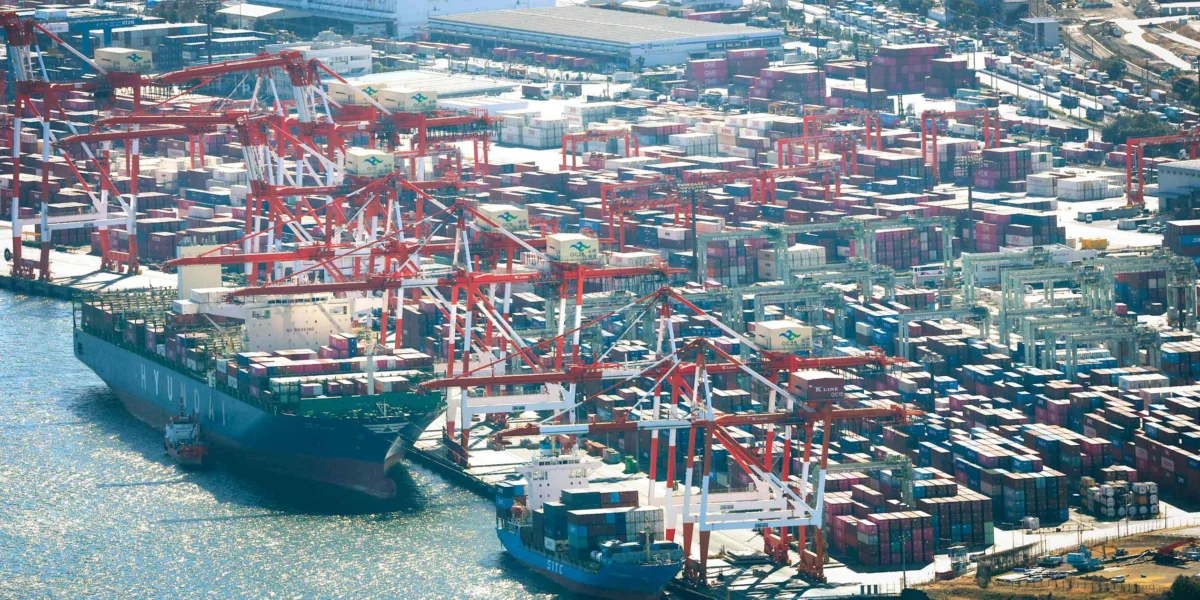
Japan’s economy is facing increasing pressure as imports surged by a significant 28% in July, pushing the nation into its third consecutive monthly trade deficit. While exports continued their upward trajectory for the eleventh month in a row, the robust growth in imports outpaced the gains in outbound shipments, signaling a potential shift in the balance of international trade for the world’s third-largest economy. The latest figures, released by the Ministry of Finance on Thursday, paint a complex picture of Japan’s engagement with the global marketplace, highlighting both resilient export performance and a growing appetite for foreign goods.

The growing trade deficit, a recurring theme in recent months, raises questions about the sustainability of Japan’s economic recovery and its ability to maintain its competitive edge in key export markets. While the yen’s depreciation in previous periods had been a boon for exporters, the current scenario suggests that the cost of imported goods, particularly energy and raw materials, is significantly impacting the nation’s trade balance. This situation necessitates a closer examination of the underlying factors driving import growth and their implications for domestic industries and consumer prices.
Export Momentum Continues Amidst Rising Import Costs
Official data revealed that Japan’s exports, measured in value terms, experienced an uptick for the eleventh consecutive month in July. This sustained export growth underscores the continued demand for Japanese products in international markets, a testament to the quality and innovation associated with Japanese manufacturing. However, the headline figure of a widening trade deficit overshadows this positive export trend.

The precise figures released by the Ministry of Finance indicate that total export value in July reached ¥8,450 billion (approximately $56.3 billion USD), marking a year-on-year increase of 7.5%. This growth was largely propelled by strong performance in key sectors such as automobiles, machinery, and electronic components. The automotive sector, a cornerstone of Japan’s export economy, saw a notable increase in shipments, driven by recovering global demand and the successful rollout of new models. Similarly, demand for advanced machinery and high-tech electronic parts from countries across Asia and North America contributed significantly to the export figures.
Conversely, imports surged by a substantial 28% year-on-year in July, reaching ¥10,980 billion (approximately $73.2 billion USD). This dramatic increase in the cost of inbound goods is the primary driver behind the widening trade deficit. The surge in imports can be attributed to several factors, most notably the escalating prices of crude oil, liquefied natural gas (LNG), and other essential commodities. Global energy markets have been volatile, with geopolitical tensions and supply chain disruptions contributing to higher prices. Japan, heavily reliant on imports for its energy needs, is particularly susceptible to these fluctuations.

Furthermore, the depreciation of the Japanese yen against major currencies in recent times, while beneficial for exporters by making their goods cheaper abroad, simultaneously makes imports more expensive. This dual effect creates a complex economic landscape where the benefits of a weaker yen for exports are partially offset by the increased cost of essential imported goods.
A Third Consecutive Monthly Deficit: A Growing Concern
The persistent monthly trade deficits are becoming a significant point of concern for policymakers and economists. July marked the third consecutive month where imports exceeded exports, a pattern that deviates from periods of sustained trade surpluses that have historically characterized Japan’s economic strength. The cumulative trade deficit for the first seven months of 2026 now stands at a substantial ¥4,200 billion (approximately $28 billion USD), a sharp contrast to the surplus recorded during the same period in the previous year.

The implications of a sustained trade deficit are multifaceted. It can exert downward pressure on the yen, potentially leading to further increases in import costs and inflationary pressures. A chronic deficit can also signal a loss of competitiveness in certain domestic industries if they are unable to compete with cheaper imported goods. For consumers, this can translate into higher prices for a range of products, impacting household budgets and overall consumer spending.
Background Context: A Shifting Global Economic Landscape
The current trade figures emerge against a backdrop of significant global economic shifts. The post-pandemic recovery has been uneven, with supply chain bottlenecks and geopolitical uncertainties continuing to impact international trade flows. The ongoing conflict in Eastern Europe, for instance, has had a profound effect on energy markets, driving up prices for oil and gas, commodities that Japan heavily imports.

Moreover, the global push towards decarbonization and the transition to renewable energy sources are also influencing trade patterns. While this presents opportunities for Japanese companies at the forefront of green technology, it also means a continued reliance on imported raw materials and components for these new industries.
Historically, Japan has been a formidable export powerhouse, renowned for its high-quality manufactured goods, particularly in the automotive, electronics, and machinery sectors. For decades, trade surpluses were a defining feature of its economic narrative, contributing to its status as a global economic leader. However, the recent trend of deficits suggests a potential recalibration of this long-standing position. Factors such as the aging population and shrinking domestic market, coupled with the rise of competing manufacturing hubs in other Asian nations, have added complexity to Japan’s trade dynamics.

Chronology of Recent Trade Performance
To understand the current situation, it is helpful to look at the recent trade performance:
- Late 2025 – Early 2026: Japan experienced a period of moderate export growth, supported by a depreciating yen and recovering global demand following pandemic-related disruptions. However, import costs began to climb due to rising commodity prices.
- April 2026: The trade deficit began to emerge more consistently, as import growth started to outpace export gains.
- May 2026: The second consecutive monthly trade deficit was recorded, raising initial concerns among economists.
- June 2026: The trend continued, solidifying the pattern of monthly deficits and signaling a more persistent challenge.
- July 2026: The latest data confirmed the third consecutive monthly deficit, with a significant surge in imports driving the imbalance.
This chronological overview highlights a gradual but discernible shift in Japan’s trade balance, moving from a consistent surplus to a more precarious deficit position.

Potential Reactions and Official Analysis
While no immediate official statements were released following the July trade data, it is anticipated that the Ministry of Finance and the Bank of Japan will closely monitor these trends. In previous instances of widening trade deficits, government officials have emphasized the importance of a balanced approach, acknowledging both the benefits of export competitiveness and the challenges posed by import costs.
Economists specializing in the Japanese economy are likely to offer varied perspectives. Some may point to the temporary nature of commodity price fluctuations and express confidence in Japan’s underlying export strength. They might suggest that as global energy markets stabilize or as Japan diversifies its energy sources, the trade balance could improve.

Others, however, may voice concerns about structural issues. They might argue that the continued reliance on imported fossil fuels, coupled with a potentially insufficient pace of transition to renewable energy, poses a long-term risk to Japan’s trade balance and energy security. The aging demographic and its impact on labor force availability and domestic demand could also be cited as contributing factors to the evolving trade landscape.
Broader Impact and Future Implications
The sustained trade deficits have several potential implications for Japan’s economic future:

- Inflationary Pressures: Higher import costs can contribute to imported inflation, leading to a general increase in the price level of goods and services within Japan. This can erode consumer purchasing power and impact business profitability.
- Yen Volatility: A persistent trade deficit can put downward pressure on the yen. While a weaker yen can boost exports, it also exacerbates the cost of imports, creating a potentially self-defeating cycle if not managed carefully.
- Investment Decisions: Businesses, both domestic and foreign, will be closely watching the trade balance as an indicator of economic health. Persistent deficits could influence investment decisions, potentially leading to reduced foreign direct investment if economic stability is perceived to be at risk.
- Government Policy: The widening deficit may prompt the government to consider policy interventions. These could range from measures to promote domestic energy production and efficiency to strategies aimed at diversifying import sources or providing targeted support to industries struggling with high input costs.
- Global Competitiveness: While Japan’s exports remain strong, the growing deficit suggests a need for continued innovation and strategic adaptation to maintain and enhance its global competitiveness in the face of evolving international trade dynamics.
The recent trade data from Japan presents a complex economic picture. While the resilience of its export sector remains a positive signal, the significant surge in imports and the resulting third consecutive monthly trade deficit underscore the challenges posed by global commodity prices and currency fluctuations. The coming months will be crucial in determining whether this trend is a temporary anomaly or a more sustained shift in Japan’s economic trajectory. Policymakers and businesses alike will need to navigate this evolving landscape with careful analysis and strategic foresight.