Lina Wu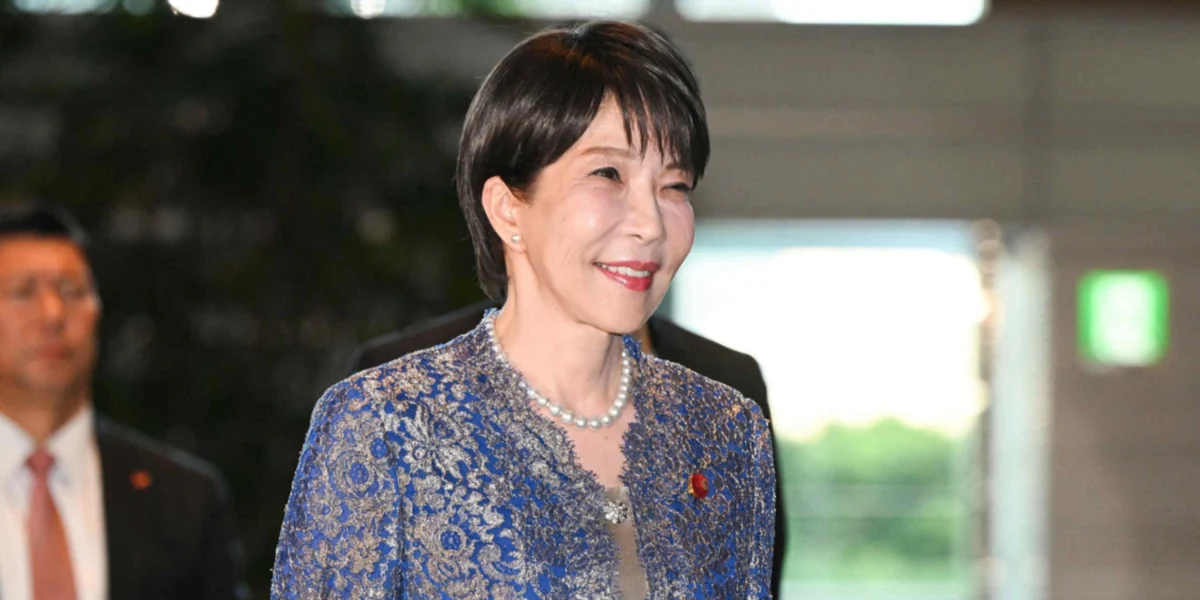
Japan’s Prime Minister Sanae Takaichi, having navigated her first year in office with a remarkably steady approval rating, is now confronting a complex and escalating array of domestic and international challenges. Her recent cabinet reshuffle, primarily aimed at reconfiguring parliamentary leadership roles in both the upper and lower houses, signals a strategic recalibration as she prepares to tackle issues ranging from the vital management of U.S.-Japan relations to the pressing need to diversify Japan’s energy sources and reduce its dependence on Middle Eastern oil. The coming months will be a critical test of Takaichi’s leadership, demanding astute diplomacy, decisive policy-making, and the ability to forge broad consensus within a sometimes fractious political landscape.
Navigating the Geopolitical Tightrope: The U.S.-Japan Alliance Under Scrutiny
The cornerstone of Japan’s foreign policy for decades has been its robust alliance with the United States. As global power dynamics continue to shift, particularly with the rise of China and ongoing instability in various regions, the strength and adaptability of this alliance are paramount. Prime Minister Takaichi faces the immediate task of reinforcing this partnership while also navigating potential friction points.
Key Areas of Focus:
- Defense Cooperation and Burden Sharing: Japan’s commitment to increased defense spending, a significant policy shift initiated under previous administrations and likely to be continued under Takaichi, requires careful coordination with Washington. Discussions surrounding the positioning of U.S. forces in Japan, the modernization of Japan’s Self-Defense Forces, and joint military exercises will be crucial. Data from the Stockholm International Peace Research Institute (SIPRI) indicates a consistent upward trend in Japan’s defense expenditure, reaching approximately $54.1 billion in 2022, a notable increase that underscores the nation’s commitment to its security.
- Economic Interdependence and Trade: While the alliance is primarily security-focused, economic ties are equally important. Takaichi will need to manage trade relations with the U.S., addressing any potential disputes or imbalances while seeking opportunities for greater collaboration in emerging technologies and critical supply chains. The recent global emphasis on supply chain resilience, particularly in semiconductors and rare earth minerals, presents both challenges and opportunities for deepening economic cooperation.
- Regional Security Architecture: The U.S.-Japan alliance is a key component of a broader Indo-Pacific security framework. Takaichi’s government will be instrumental in working with the U.S. and other regional partners, such as Australia and India, to counter potential threats and promote a free and open Indo-Pacific. This includes addressing issues related to freedom of navigation, maritime security, and diplomatic engagement with regional players.
Background Context: The U.S.-Japan Security Treaty, signed in 1951 and revised in 1960, has been the bedrock of peace and stability in East Asia. However, the evolving regional security environment, marked by North Korea’s persistent missile tests and China’s assertive maritime activities, necessitates continuous adaptation and strengthening of this alliance. Takaichi’s predecessor laid significant groundwork in this area, but the continuity and evolution of these policies under her leadership are critical.
Energy Security: The Imperative to End Middle Eastern Oil Dependence
Japan’s heavy reliance on imported oil, particularly from the Middle East, has long been a strategic vulnerability. Recent global energy market volatility, exacerbated by geopolitical conflicts and supply chain disruptions, has amplified this concern. Prime Minister Takaichi’s administration is under immense pressure to accelerate the diversification of energy sources and reduce this dependence.
Strategic Imperatives:
- Renewable Energy Expansion: Japan has set ambitious targets for renewable energy adoption. Takaichi’s government will need to accelerate investment and policy support for solar, wind, and geothermal power. Challenges include land availability, grid integration, and the significant upfront capital investment required. Japan’s current renewable energy mix, while growing, still lags behind some developed nations. For instance, while renewables contributed approximately 20% to Japan’s total primary energy supply in 2021, the nation still relies heavily on imported fossil fuels.
- Nuclear Power’s Role: The future of nuclear power remains a contentious issue in Japan following the 2011 Fukushima Daiichi disaster. Takaichi’s stance on restarting idled nuclear reactors and potentially developing new ones will be a significant policy decision. Proponents argue it offers a stable, low-carbon energy source, while opponents cite safety concerns and waste disposal challenges. Japan’s Ministry of Economy, Trade and Industry (METI) has indicated a continued role for nuclear power in the nation’s energy mix, aiming for it to constitute 20-22% of electricity generation by 2030.
- Diversifying Fossil Fuel Imports: While the long-term goal is to reduce fossil fuel dependence, in the interim, diversifying the sources of imported natural gas and oil is crucial. This involves strengthening relationships with energy producers in Southeast Asia, Australia, and North America, and investing in liquefied natural gas (LNG) infrastructure.
- Energy Efficiency and Conservation: Alongside supply-side measures, promoting energy efficiency across industries and households is a cost-effective way to reduce overall demand. Takaichi’s government may need to implement stronger incentives and regulations to encourage widespread adoption of energy-saving technologies and practices.
Timeline and Context: Japan’s energy security concerns were starkly highlighted during the oil crises of the 1970s. The Fukushima disaster in 2011 led to the shutdown of all nuclear power plants, further increasing reliance on imported fossil fuels. The ongoing war in Ukraine and its impact on global energy markets have reignited these concerns, making energy diversification a top priority. The government’s "Green Growth Strategy" aims to achieve carbon neutrality by 2050, with a significant portion of this transition reliant on a secure and diversified energy supply.
Domestic Political Landscape and Parliamentary Management
The success of Prime Minister Takaichi’s agenda hinges on her ability to effectively manage the domestic political scene and maintain stability within her ruling coalition. The recent cabinet reshuffle suggests a focus on ensuring parliamentary continuity and effective legislative passage.
Key Considerations:
- Maintaining Coalition Harmony: The Liberal Democratic Party (LDP) governs in coalition with the Komeito party. Maintaining a harmonious relationship and addressing any policy disagreements is essential for legislative stability. The composition of the cabinet often reflects the balance of power within the coalition.
- Parliamentary Strategy: Appointing experienced lawmakers to key positions in both the House of Representatives and the House of Councillors is critical for steering legislation through the Diet. This includes ensuring strong floor managers and effective committee leadership. The timing of elections for both houses of the Diet will also influence Takaichi’s legislative strategy.
- Public Opinion and Approval Ratings: While Takaichi has enjoyed strong support, sustained challenges and economic headwinds can erode public confidence. Her administration will need to communicate its policies effectively and demonstrate tangible progress to maintain public backing. The average approval rating for Takaichi’s cabinet, as reported by various Japanese media outlets since October last year, has consistently hovered around the 50-60% mark, indicating a relatively stable base of public support.
Analysis of the Reshuffle: The cabinet reshuffle, while appearing focused on parliamentary roles, also allows Takaichi to inject new energy and perspectives into her administration. The rotation of ministers can be a tool to reward loyalty, promote rising stars, and reassign individuals to portfolios where their skills might be best utilized. This is a standard practice in Japanese politics aimed at ensuring governmental efficiency and political resilience.
Broader Implications and Future Outlook
Prime Minister Takaichi’s leadership is at a pivotal juncture. The success of her administration in addressing the critical challenges of U.S.-Japan relations and energy security will have profound implications for Japan’s economic stability, national security, and its role on the global stage.
- Economic Resilience: A diversified energy portfolio and a robust U.S. alliance are crucial for Japan’s economic resilience in an increasingly uncertain global environment. Stability in energy prices and secure supply chains are vital for maintaining industrial competitiveness and consumer confidence.
- Regional Stability: Japan’s active engagement in regional security, in concert with its allies, plays a significant role in maintaining peace and stability in the Indo-Pacific. Effective diplomacy and a strong defense posture are key to navigating regional tensions.
- Japan’s Global Standing: Takaichi’s ability to effectively manage these complex issues will shape Japan’s image and influence internationally. Demonstrating strong leadership and a clear vision for the future will be essential for the nation’s continued prominence in global affairs.
The coming year will undoubtedly be demanding for Prime Minister Takaichi. Her strategic adeptness in navigating the intricate web of international alliances, domestic policy imperatives, and public expectations will determine the trajectory of her premiership and the future of Japan. The decisions made and the policies implemented in response to these pressing challenges will be closely watched both domestically and internationally.