Lina Wu
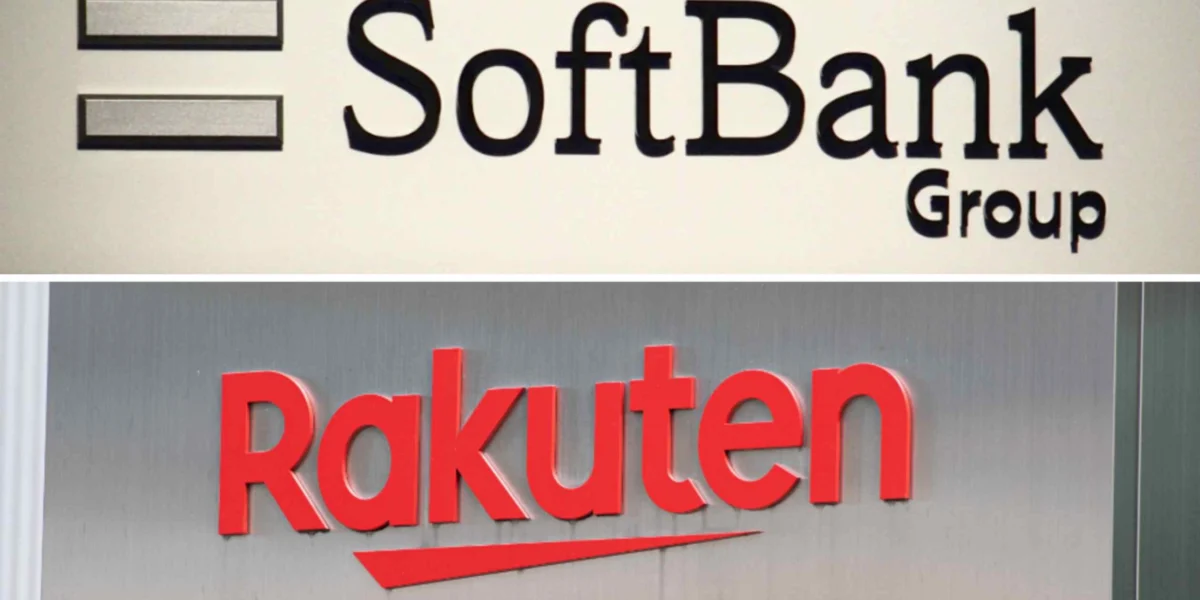
TOKYO — Japan’s corporate bond market, specifically targeting retail investors, has surged to an unprecedented level in 2026, with major technology conglomerates like SoftBank Group and Rakuten Group spearheading this significant expansion. This record-breaking issuance comes amid a backdrop of increasing interest rates, which are proving to be a potent magnet for individual investors eager to capture more attractive yields compared to traditional savings products.
The Surge in Retail Bond Investment
The year 2026 has witnessed a remarkable uptick in the volume of corporate bonds offered to the Japanese public. Data compiled from financial markets indicates that the cumulative value of these issuances has surpassed all previous annual records. This trend is not merely a marginal increase; it represents a fundamental shift in how Japanese retail investors are approaching their savings and investment strategies. Traditionally known for their conservative investment habits, characterized by a preference for low-risk, low-return products, a growing segment of the Japanese populace is now actively seeking out higher yields offered by corporate bonds.
This increased appetite is directly correlated with the Bank of Japan’s sustained monetary policy adjustments. After years of near-zero or negative interest rates, the central bank has gradually, yet perceptibly, raised its benchmark rates. While these increases may appear modest by international standards, they have been substantial enough to disrupt the established financial landscape in Japan. The ripple effect has made fixed-income instruments, particularly corporate bonds with their relatively higher coupon rates, a far more appealing proposition for individuals looking to grow their wealth.
SoftBank and Rakuten: Leading the Charge
At the forefront of this retail bond issuance boom are two of Japan’s most prominent technology giants: SoftBank Group and Rakuten Group. Both companies have successfully tapped into the retail investor market this fall, raising substantial sums of capital through well-received bond offerings. These issuances are not just about raising funds; they signal a strategic move by these tech behemoths to diversify their funding sources and leverage the growing pool of individual investors seeking income-generating assets.
SoftBank Group, known for its aggressive investment strategies and its portfolio of technology companies worldwide, has historically relied on a mix of bank loans, corporate bonds, and equity financing. The decision to issue bonds directly to retail investors reflects a calculated effort to broaden its investor base and potentially secure funding at more favorable terms, especially in an environment where institutional investors might be more cautious. The company’s robust brand recognition and its involvement in cutting-edge technology sectors likely provide a degree of confidence to individual investors, making its bonds an attractive option.
Similarly, Rakuten Group, a diversified e-commerce, fintech, and telecommunications giant, has also been actively engaging with retail investors. Rakuten’s diverse business operations and its extensive customer network provide a strong foundation for its financial activities. By issuing retail bonds, Rakuten aims to further solidify its financial standing and provide its loyal customer base with an opportunity to invest in the company’s growth. This approach can also foster greater customer loyalty and engagement, creating a virtuous cycle.
Background and Chronology of the Trend
The groundwork for this surge in retail bond issuance was laid over several years. The prolonged period of ultra-low interest rates in Japan had made traditional savings accounts and government bonds yield very little. This environment forced many individual investors to either accept minimal returns or venture into riskier asset classes like equities or foreign investments, often with limited knowledge or risk tolerance.
Around the early to mid-2020s, a gradual but discernible shift began. As economic conditions evolved and the Bank of Japan signaled potential policy normalization, financial institutions started exploring more innovative ways to attract retail capital. Corporate bond markets, which had traditionally been the domain of institutional investors, began to be re-examined for their potential to offer higher yields to a wider audience.
The fall of 2026 marked a particularly active period for these retail bond issuances. Companies, sensing the growing investor interest and the favorable interest rate environment, accelerated their plans to launch public offerings. SoftBank and Rakuten, with their significant capital requirements and strong market presence, were strategically positioned to capitalize on this trend. Their successful issuances this fall serve as benchmarks, potentially encouraging other corporations to follow suit in the near future.
Supporting Data and Market Dynamics
The increased issuance volume is not an isolated event. Broader financial market data supports this trend. For instance, the Nikkei Stock Exchange, a key barometer of Japanese financial activity, has reported a substantial increase in the number of listed corporate bonds available to retail investors. Furthermore, the average coupon rates offered on these bonds have risen by an estimated 0.5 to 1.5 percentage points compared to offerings from three to five years prior. This increase, while seemingly small, represents a significant boost in potential returns for investors accustomed to sub-1% yields.
The demand for these bonds has also been robust. Reports from underwriters and financial advisors indicate that many retail bond issuances have been oversubscribed, meaning that the amount of money investors wanted to commit exceeded the amount of bonds being offered. This strong demand allows issuing companies to price their bonds favorably, securing capital at competitive rates.
Moreover, the types of companies issuing retail bonds are becoming more diverse. While technology giants are prominent, other sectors, including manufacturing, utilities, and even some retail companies, are also exploring this avenue. This diversification suggests that the appeal of retail bonds is not limited to specific industries but is a broader market phenomenon driven by investor demand and evolving interest rate conditions.
Potential Investor Reactions and Analysis
The influx of individual investors into the corporate bond market is a significant development with several implications. For investors, it offers an opportunity to diversify their portfolios beyond traditional assets and potentially achieve higher returns on their savings. However, it also introduces new risks. Corporate bonds, while generally less volatile than equities, carry credit risk, meaning there is a possibility that the issuing company may default on its debt obligations. Retail investors need to be adequately informed about these risks and conduct thorough due diligence before investing.
Financial advisors and wealth management firms are likely experiencing increased demand for guidance on corporate bond investments. Educational initiatives aimed at improving financial literacy among retail investors, particularly concerning fixed-income instruments and risk assessment, are becoming increasingly crucial.
For the issuing companies, tapping into the retail market offers a more stable and potentially cheaper source of long-term funding compared to relying solely on banks or institutional investors. It can also democratize investment, allowing a broader segment of the population to participate in the growth of leading Japanese corporations.
Broader Impact and Future Implications
The record-breaking issuance of corporate bonds for retail investors in 2026 signals a maturing of the Japanese capital markets and a growing sophistication among individual investors. This trend could have several long-term implications:
- Diversification of Funding Sources: Japanese companies may become less reliant on traditional bank lending, leading to a more robust and diversified corporate finance landscape.
- Increased Financial Literacy: The heightened interest in corporate bonds could spur greater efforts to educate the public about investment principles, risk management, and financial planning.
- Stimulation of Domestic Investment: By offering attractive yields, these bonds can encourage more domestic savings to be invested within Japan, rather than flowing into overseas markets.
- Potential for Market Volatility: As more retail investors enter the market, it could lead to increased volatility, especially if there are sudden shifts in interest rates or economic sentiment. Careful regulation and investor protection measures will be paramount.
The success of SoftBank and Rakuten in this market segment is likely to pave the way for further issuances from other major corporations. As the Bank of Japan continues its monetary policy adjustments, the appeal of corporate bonds for retail investors is expected to remain strong. The coming years will be critical in observing how this evolving market dynamic shapes Japan’s financial ecosystem, fostering both opportunities for investors and new avenues for corporate growth. The trend underscores a fundamental shift in Japanese financial behavior, moving from passive saving to more active wealth management.