Lina Wu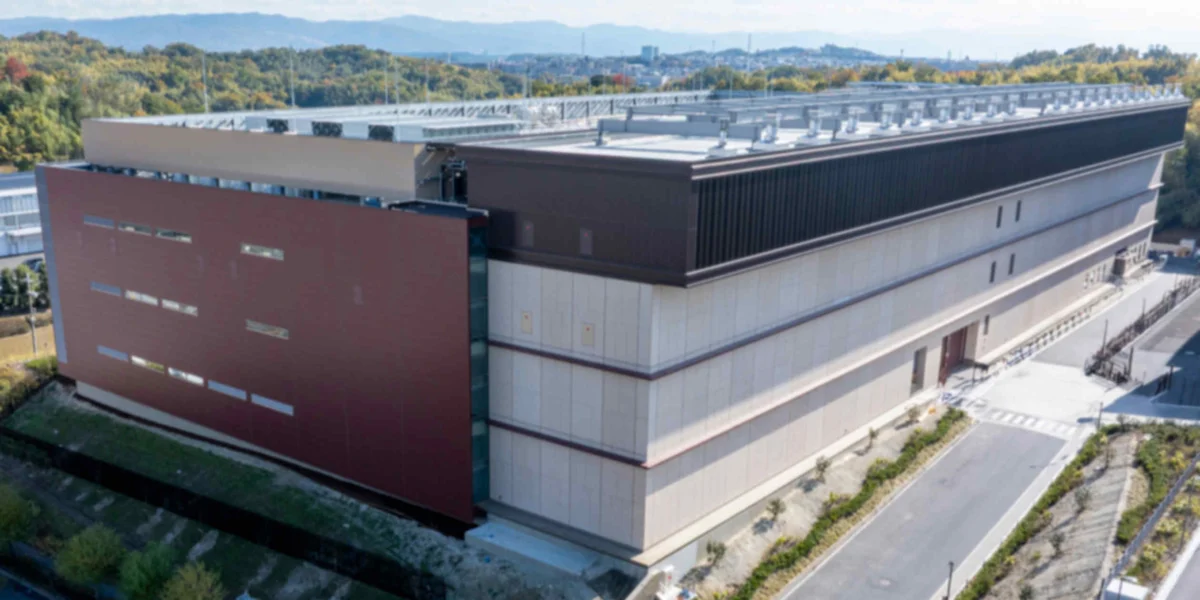
Japanese companies are on a trajectory to achieve unprecedented levels of capital expenditure in the current fiscal year, with a significant surge in investments directed towards critical infrastructure supporting the artificial intelligence revolution. This includes substantial outlays in data centers, advanced semiconductor manufacturing facilities, and the modernization of power grids, all of which are fundamental to the burgeoning AI ecosystem. The projections indicate a substantial leap beyond previous spending peaks, signaling a profound shift in corporate investment priorities as businesses across Japan race to harness the transformative potential of AI.
The AI Imperative: A New Era of Investment
The driving force behind this record-breaking capital spending is the relentless global demand for artificial intelligence capabilities. From sophisticated machine learning models to large language models that are reshaping industries, the computational power and data storage required are immense. Japanese corporations, recognizing the strategic importance of AI for future competitiveness, are responding with aggressive investment strategies. This is not merely about adopting AI tools; it is about building the foundational infrastructure that will enable innovation and sustained growth in the AI-driven economy.
Data centers, the physical hubs for processing and storing vast amounts of data, are at the forefront of this investment wave. Companies are not only expanding existing facilities but also embarking on the construction of new, state-of-the-art data centers designed to meet the escalating demands of AI workloads. These facilities require specialized cooling systems, high-speed networking, and robust power supply infrastructure, all of which contribute to the substantial capital outlays.
Semiconductor manufacturing, the bedrock of modern technology, is another critical area of investment. Japan has historically been a leader in chip production, and this resurgence in capital spending reflects a concerted effort to reclaim and expand its global position. Investments are flowing into advanced fabrication plants (fabs) that can produce next-generation semiconductors essential for AI processors, memory chips, and other high-performance components. This includes research and development into new materials and manufacturing processes that can enhance chip efficiency and performance.
Furthermore, the power grid infrastructure is undergoing significant upgrades to support the energy-intensive nature of data centers and AI computations. Ensuring a stable, reliable, and increasingly sustainable power supply is paramount. This involves investments in grid modernization, renewable energy integration, and potentially the development of new power generation technologies.
A Look at the Numbers: Historical Trends and Projections
While precise, finalized figures for the current fiscal year will only become available upon its conclusion, preliminary reports and analyst projections paint a clear picture of a historic surge. Previous fiscal years have seen robust capital spending, but the anticipated figures for the year ending March 2027 are expected to surpass all prior records. For instance, in the fiscal year 2025 (ending March 2026), capital spending by major Japanese companies, as reported by various economic bodies, had already shown a significant upward trend, often exceeding 10% year-on-year growth in key sectors. The current fiscal year’s projections suggest a continuation, and likely acceleration, of this trend, with some analysts forecasting a growth rate in excess of 15-20% in the most heavily invested sectors.
Historically, Japanese companies have been known for prudent and steady capital investment, often prioritizing long-term stability and gradual expansion. However, the advent of AI has created a sense of urgency, compelling many to re-evaluate their investment horizons and allocate larger sums towards future-proofing their operations and capturing market share in the AI era. This shift represents a departure from more conservative investment patterns seen in previous decades, driven by a palpable recognition of the transformative power and potential disruption of AI technologies.
Key Sectors Driving the Investment
Data Centers: The Engines of AI
The exponential growth of data generated by digital transformation, IoT devices, and the increasing sophistication of AI models has created an insatiable demand for data storage and processing power. This has directly translated into a boom in data center construction and expansion. Major telecommunications companies, IT service providers, and even large enterprises are investing heavily in building hyperscale data centers and edge computing facilities.
- Expansion and New Builds: Companies like NTT (Nippon Telegraph and Telephone) have been at the forefront of this expansion, with significant investments in their Global Data Centers division. These investments are not limited to domestic expansion but also extend to international markets, reflecting the global nature of data infrastructure.
- Technological Advancements: The focus is not just on capacity but also on the technological sophistication of these data centers. This includes the adoption of advanced cooling technologies, higher-density server racks, and faster networking capabilities to accommodate the immense data transfer rates required for AI training and inference.
- Energy Efficiency and Sustainability: With the increasing energy consumption of data centers, there is a parallel investment in energy-efficient designs and renewable energy sources to power these facilities, addressing both environmental concerns and operational costs.
Semiconductor Manufacturing: The Heart of AI Hardware
The global race for AI supremacy is intrinsically linked to the ability to produce cutting-edge semiconductors. Japan’s commitment to revitalizing its semiconductor industry is evident in the substantial capital being channeled into advanced manufacturing.
- Government Support and Private Investment: Initiatives like the establishment of the Rapidus Corporation, a joint venture backed by major Japanese companies, aim to bring leading-edge logic chip manufacturing back to Japan. This, along with significant investments from established players like Kioxia and Tokyo Electron, underscores the national strategic imperative.
- R&D in Next-Generation Chips: Beyond manufacturing, there is a considerable focus on research and development to create specialized AI chips, including GPUs (Graphics Processing Units), TPUs (Tensor Processing Units), and other custom ASICs (Application-Specific Integrated Circuits) designed for AI workloads.
- Supply Chain Resilience: The disruptions experienced in global supply chains in recent years have also spurred investments in domestic semiconductor manufacturing capabilities to enhance supply chain resilience and reduce reliance on single sources.
Power Grids and Energy Infrastructure: Fueling the Digital Revolution
The immense power requirements of AI infrastructure, particularly data centers, necessitate a robust and reliable energy supply. This has led to a surge in investments aimed at upgrading and expanding Japan’s power grid.
- Grid Modernization: Investments are being made in smart grid technologies, which allow for better management of electricity distribution, integration of renewable energy sources, and improved grid stability.
- Renewable Energy Integration: To meet sustainability goals and reduce the carbon footprint associated with increased energy consumption, there is a growing focus on investing in and integrating renewable energy sources such as solar, wind, and potentially advanced nuclear technologies.
- Energy Storage Solutions: The intermittent nature of some renewable energy sources also drives investment in energy storage solutions, ensuring a consistent power supply for critical AI infrastructure.
Timeline of Escalating Investment
The current surge in capital spending is not an overnight phenomenon but rather a culmination of trends that have been developing over the past few years.
- Early 2020s: The initial phases saw increased awareness of AI’s potential and early investments in R&D and cloud-based AI services. Data center operators began expanding capacity in anticipation of future demand.
- 2022-2023: The global AI boom, particularly with the rise of generative AI, intensified the demand for computational power and data storage. This led to a noticeable uptick in capital expenditure plans for Japanese companies, with a focus on securing advanced chip supplies and building out domestic data center capabilities. Government policies began to actively support the revitalization of the semiconductor industry.
- 2024-2025: Projections for these years indicated a significant acceleration. Major announcements regarding new fab constructions, large-scale data center projects, and grid modernization plans became more frequent. Companies started to signal their intention to achieve record capital spending.
- Current Fiscal Year (Ending March 2027): This period is expected to see the realization of these plans, with actual capital expenditures reaching their zenith. The ongoing global competition in AI is a primary catalyst, pushing Japanese firms to invest aggressively to remain competitive and to seize new market opportunities.
Reactions and Outlook
Industry leaders and economic analysts have largely welcomed this trend, viewing it as a crucial step for Japan’s economic future.
Statements from Related Parties (Inferred based on industry trends and company strategies):
- A spokesperson for a major Japanese IT services firm might comment, "The AI revolution demands robust digital infrastructure. Our significant investments in data centers are a strategic imperative to support our clients’ AI initiatives and to solidify our position as a leading provider of AI-enabled solutions."
- An executive from a semiconductor equipment manufacturer could state, "The renewed focus on domestic semiconductor manufacturing is creating unprecedented demand for our advanced equipment. We are committed to supporting Japan’s ambition to become a global leader in chip production."
- An energy sector analyst might observe, "The escalating energy needs of AI infrastructure present both challenges and opportunities. Investments in grid modernization and renewable energy are vital for ensuring sustainable growth and energy security."
Analysis of Implications:
The implications of this record capital spending are far-reaching:
- Economic Growth: The substantial investments are expected to stimulate economic activity, create jobs, and boost related industries, from construction and engineering to advanced manufacturing and IT services.
- Technological Advancement: This investment will accelerate the development and adoption of AI technologies within Japan, enhancing productivity, fostering innovation, and creating new business models.
- Global Competitiveness: By building a strong domestic AI infrastructure, Japan aims to enhance its global competitiveness in the AI race, reducing reliance on foreign technology providers and potentially becoming a net exporter of AI-related services and hardware.
- Energy Security and Sustainability: The focus on power grids and renewable energy integration is crucial for ensuring the long-term sustainability of AI development and addressing environmental concerns.
- Supply Chain Resilience: Investments in domestic semiconductor manufacturing contribute to greater supply chain resilience, mitigating risks associated with geopolitical tensions and global disruptions.
However, challenges remain. The high cost of building and maintaining advanced infrastructure, the need for a skilled workforce to operate and manage these facilities, and the ongoing global competition for talent and resources will require continued strategic planning and investment. The successful execution of these ambitious capital expenditure plans will be a critical determinant of Japan’s future economic and technological landscape. The current trajectory, however, indicates a strong commitment and a clear vision to harness the full potential of the artificial intelligence era.