Farhan Pambudi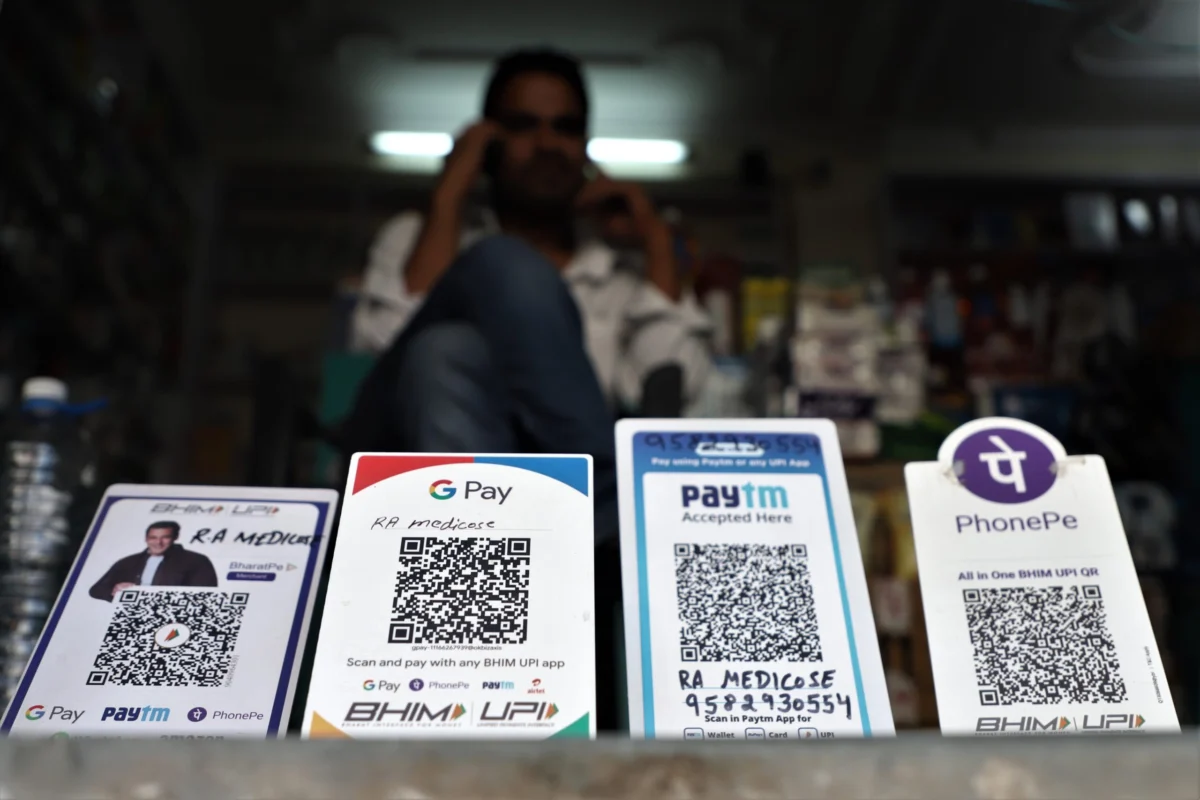
The Government of India has formally initiated a legislative process that could fundamentally alter the economic architecture of the Unified Payments Interface (UPI), the nation’s premier digital payments network. By introducing new legislation that provides the legal framework for an overhaul of the current "zero-merchant-discount-rate" (MDR) regime, the government is signaling a shift toward a more commercially sustainable model for digital transactions. This move, which has been the subject of intense debate between financial institutions, fintech startups, and regulatory bodies for several years, marks a pivotal moment in India’s journey toward becoming a cashless economy.
For nearly four years, the Indian digital payments ecosystem has operated under a policy where businesses and merchants were not required to pay fees for accepting UPI payments. This policy, aimed at maximizing adoption and dislodging the dominance of cash, has been highly successful in terms of volume but has faced increasing criticism from the financial sector regarding its long-term viability. The new proposal suggests a strategic pivot: maintaining the consumer-friendly, free-of-cost nature of UPI for individuals while introducing a fee structure for merchants, particularly those handling high-value transactions.
The Evolution of UPI: From Experiment to Infrastructure
To understand the significance of the proposed legislative change, it is essential to trace the trajectory of the Unified Payments Interface. Launched in 2016 by the National Payments Corporation of India (NPCI)—an umbrella organization for operating retail payments and settlement systems—UPI was designed to facilitate instant, real-time inter-bank transactions through a mobile platform.
The system saw moderate growth until January 2020, when the Indian government took the radical step of scrapping the Merchant Discount Rate (MDR) on all UPI and RuPay transactions. The goal was clear: remove every possible barrier to entry for small shopkeepers and large retailers alike. By making the service free for merchants, the government effectively turned UPI into a public good, similar to roads or digital highways.
The strategy worked beyond expectations. According to data from the NPCI, UPI transactions reached a staggering record of 23.66 billion in July 2024 alone. The total value of these transactions reached approximately ₹29.88 trillion (roughly $313.4 billion). Today, UPI accounts for the vast majority of retail digital payments in India, used by everyone from roadside vegetable vendors to luxury showrooms. However, this explosive growth has come with a massive increase in infrastructure costs, including server maintenance, cybersecurity, and the technical processing of billions of micro-transactions.
The Financial Strain of a "Free" Network
While the zero-MDR policy was a catalyst for adoption, it created a revenue vacuum for the entities that power the network. Banks, which provide the underlying settlement infrastructure, and fintech companies, which provide the consumer-facing apps, have largely relied on government subsidies to cover their operational costs. In the 2023-2024 Union Budget, the Indian government allocated approximately ₹2,000 crore ($240 million) to incentivize UPI and RuPay transactions.
Industry leaders have argued that these incentives are insufficient to cover the actual costs of innovation and security. The debate has often pitted the Ministry of Finance, which prioritized financial inclusion and low costs for the public, against the Reserve Bank of India (RBI) and private sector players, who argued that a "free" model stifles private investment and creates risks for the system’s resilience.
Amrish Rau, the Chief Executive of the prominent fintech firm Pine Labs, recently voiced the industry’s sentiment, stating that for UPI to reach 90% penetration and expand globally, the ecosystem requires continued investment. Rau noted that allowing the industry to recover costs from merchants—while keeping peer-to-peer (P2P) and consumer payments free—would place the network on a more sustainable footing. The sentiment reflects a broader consensus among fintech executives that the "public good" model must eventually transition into a "sustainable utility" model.
Analyzing the Proposed Fee Structure
The recently introduced legislation does not immediately impose a specific fee or a universal tax on transactions. Instead, it acts as an "enabling act," granting the government and the central bank the legal authority to define and implement charges at a later date. This flexibility allows regulators to fine-tune the policy to avoid hurting small businesses while capturing revenue from larger commercial entities.
Market analysts and brokerage firms have already begun modeling the potential impact of this shift. A report by the global investment firm Jefferies suggests that if the government introduces merchant charges on higher-value transactions, the payments industry could see a significant revenue windfall. Assuming a modest fee of 15 to 30 basis points (0.15% to 0.30%), the industry could generate between ₹50 billion and ₹100 billion ($525 million to $1.05 billion) in annual revenue by the 2028 fiscal year.
Furthermore, a report by Bernstein highlights a crucial data point: transactions above ₹2,000 (approximately $24) account for only about 4% of total UPI transaction volumes but represent nearly 70% of the total transaction value. This disparity provides a logical path for regulators. By exempting small-ticket transactions (micro-payments) from fees, the government can protect the "common man" and small vendors while taxing the high-value transactions that dominate the network’s monetary value.
Impact on Market Leaders: PhonePe and Google Pay
The potential reintroduction of MDR is of particular consequence to the dominant players in the Indian digital payments market. Currently, Walmart-owned PhonePe and Alphabet’s Google Pay control nearly 80% of the UPI market share by transaction volume. For years, these companies have burned through capital to acquire users, offering a service that yields little to no direct revenue from the transactions themselves.
The introduction of merchant fees could transform these companies from high-growth, high-burn entities into revenue-generating powerhouses. However, the exact benefit to these firms remains uncertain. The distribution of any collected MDR must be split between the "Remitter Bank" (the sender’s bank), the "Beneficiary Bank" (the merchant’s bank), the "Payment Service Provider" (the app used), and the NPCI.
If the legislation favors banks over third-party application providers (TPAPs) like Google Pay and PhonePe, the fintech giants may still struggle to achieve profitability solely through UPI. Conversely, if the revenue-sharing model is balanced, it could lead to a surge in fintech valuations and a new wave of IPOs in the Indian tech sector.
Global Implications and the "UPI International" Vision
India’s decision to monetize UPI is being watched closely by the international community. The Indian government has been aggressively promoting UPI as a global alternative to established networks like Visa and Mastercard. Currently, UPI-based payments are live or in various stages of implementation in countries including Singapore, the United Arab Emirates, France, Mauritius, Nepal, and Sri Lanka.
For other nations considering adopting the UPI architecture, the shift toward a sustainable merchant-fee model provides a blueprint for how a state-sponsored digital payment system can coexist with private enterprise. It demonstrates that while a "zero-fee" entry is effective for market penetration, a mature digital economy requires a mechanism for reinvestment.
The global expansion of UPI is not just about technology; it is about financial diplomacy. By creating a cross-border payment link, India aims to reduce the cost of remittances and provide its diaspora with a seamless way to transact. A sustainable domestic model ensures that the NPCI and Indian banks have the capital necessary to maintain the high technical standards required for international interoperability.
Timeline of Key Events in India’s Digital Payment Shift
The transition from a cash-heavy economy to a digital-first one has been marked by several critical milestones:
- April 2016: NPCI launches the Unified Payments Interface (UPI) pilot.
- November 2016: Demonetization of high-value currency notes accelerates the search for digital alternatives.
- January 2020: The Government of India mandates a zero-MDR policy for UPI and RuPay, effectively making them free for merchants.
- 2021–2023: UPI transactions see exponential growth, crossing 10 billion monthly transactions. The government introduces annual subsidy packages to compensate banks.
- August 2024: Introduction of the new legislation to create a legal framework for potential merchant fees, following record-breaking transaction volumes in July.
Conclusion: Balancing Innovation with Inclusion
The proposed legislation represents a sophisticated balancing act. On one hand, the Indian government remains committed to financial inclusion, ensuring that the millions of citizens who have recently joined the formal economy are not deterred by new costs. On the other hand, it recognizes that a digital infrastructure processing trillions of rupees cannot remain indefinitely dependent on the national exchequer.
By targeting large merchants and high-value transactions, the government aims to create a self-sustaining ecosystem. If successful, this transition will provide the necessary capital for the next generation of financial technology—ranging from advanced AI-driven fraud detection to the seamless integration of UPI with the Digital Rupee (CBDC).
As the bill moves through the legislative process, the specific details regarding the "threshold" for fees and the "percentage" of the MDR will be the most anticipated figures in the Indian financial sector. For now, the message from New Delhi is clear: UPI has achieved the scale it needs to stand on its own feet, and the era of the "completely free" digital highway is evolving into a more mature, commercially viable future.