Farhan Pambudi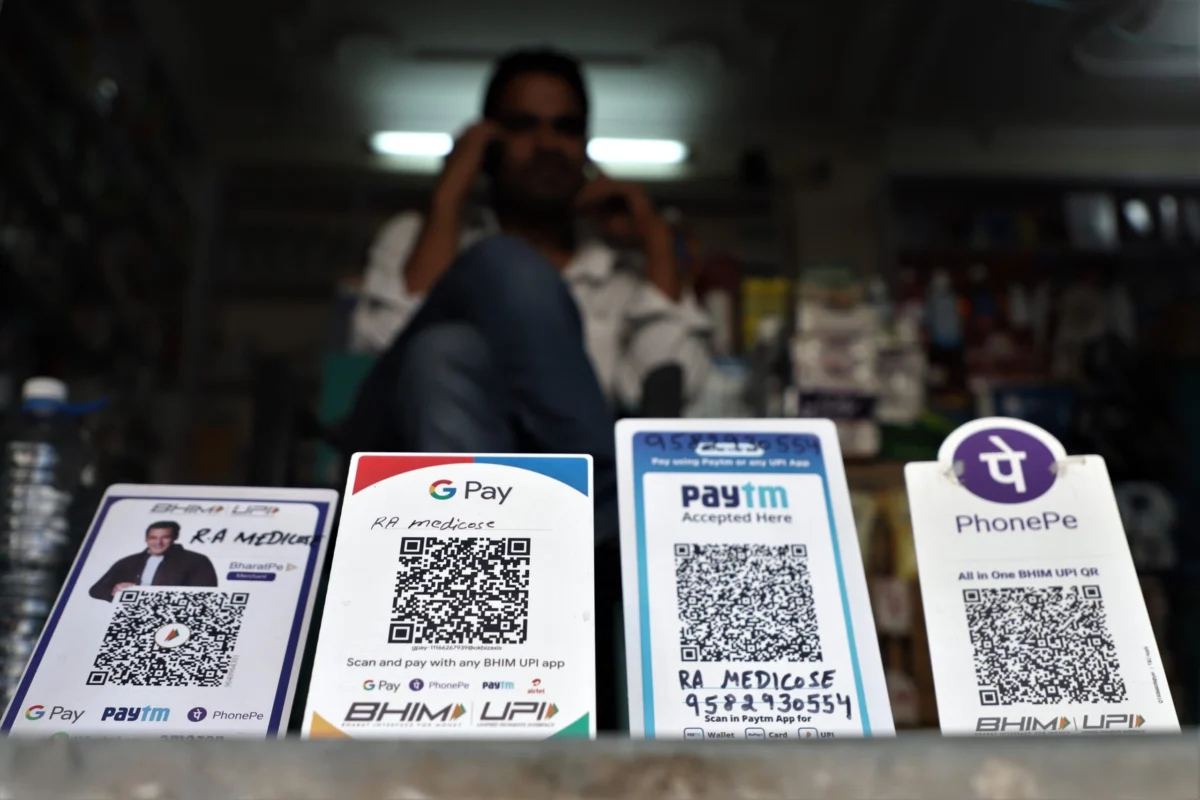
The Indian government has initiated a landmark shift in its digital payments landscape by introducing legislation that could dismantle the long-standing "zero-fee" structure of the Unified Payments Interface (UPI). This legislative move marks a pivotal moment for the world’s most successful real-time payment system, potentially allowing for the reintroduction of Merchant Discount Rates (MDR) on specific transaction categories. By establishing the legal groundwork for a fee-based model, the government aims to address the growing concerns regarding the financial sustainability of the digital infrastructure that has become the backbone of the Indian economy.
Since 2020, India has operated under a zero-MDR regime for UPI, a policy designed to maximize digital adoption by ensuring that neither consumers nor merchants incurred costs for transactions. However, as the network scales to unprecedented heights, the burden of maintaining the massive technological and security infrastructure has fallen heavily on the state and participating financial institutions. The new proposal seeks to balance the objective of financial inclusion with the economic realities of operating a global-standard payments network.
The Legislative Framework and the End of the Zero-MDR Era
The legislation recently tabled in the Indian Parliament provides the government and the central bank with the statutory authority to restructure how UPI transactions are monetized. While the bill does not immediately impose a specific fee schedule, it removes the legal barriers that previously mandated a zero-fee environment. This flexibility allows the Ministry of Finance and the Reserve Bank of India (RBI) to calibrate charges based on merchant size, transaction value, or payment type.
The zero-MDR policy was originally implemented in January 2020 to eliminate friction in the transition from cash to digital payments. At that time, the government argued that the social benefits of a digitized economy outweighed the loss of transaction revenue. To compensate banks and payment service providers, the government provided annual subsidies—most recently totaling approximately ₹2,000 crore ($240 million)—to cover operational costs. However, industry stakeholders have long argued that these incentives are insufficient given the exponential growth in transaction volumes.
A Chronology of UPI’s Meteoric Rise
To understand the necessity of this legislative shift, one must look at the trajectory of UPI since its inception in 2016 by the National Payments Corporation of India (NPCI).
- 2016–2017: The Launch and Demonetization: UPI was launched to simplify inter-bank transfers. The late 2016 demonetization of high-value currency notes acted as a catalyst, forcing millions of Indians to explore digital alternatives.
- 2018–2019: The Entry of Big Tech: The entry of Google Pay and PhonePe transformed UPI from a banking tool into a consumer phenomenon, utilizing QR codes to reach street-side vendors.
- 2020: The Zero-MDR Mandate: To further accelerate adoption during the pandemic, the government scrapped merchant fees. This move led to a massive surge in small-ticket "P2M" (Person-to-Merchant) transactions.
- 2021–2023: Global Expansion and Dominance: UPI began its international journey, signing agreements with nations like Singapore, France, and the UAE. Domestically, it surpassed credit cards and debit cards in both volume and value.
- 2024: The Sustainability Crisis: With transaction volumes hitting record highs every month, the cost of processing, fraud prevention, and server maintenance began to outpace the government’s ability to subsidize the network.
In July 2024 alone, UPI processed a staggering 23.66 billion transactions with a total value of ₹29.88 trillion (approximately $313.4 billion). This scale has made the current subsidy-led model increasingly difficult to justify in the long term.
The Economic Rationale: Sustainability and Innovation
The primary driver behind the potential return of merchant fees is the need for a self-sustaining ecosystem. Fintech companies and banks have argued that the lack of a revenue stream from UPI has stifled innovation and limited investments in cybersecurity.
Amrish Rau, CEO of the prominent fintech firm Pine Labs, noted that for UPI to achieve 90% penetration and maintain its status as a global leader, the industry requires significant capital. According to Rau, allowing the industry to recover costs from merchants—while keeping consumer-to-consumer (P2P) payments free—would put the network on a more stable financial footing. This sentiment is echoed across the banking sector, where institutions have seen their traditional revenue from debit card fees dwindle as customers migrate to UPI.
A report by Jefferies suggests that the introduction of merchant charges could be a game-changer for the industry’s bottom line. The brokerage estimated that if a fee of 15 to 30 basis points (0.15% to 0.30%) were applied to higher-value transactions, it could generate between ₹50 billion and ₹100 billion ($525 million to $1.05 billion) in annual revenue by the 2028 fiscal year. This revenue would be distributed among the various players in the "four-party model," which includes the remitter bank, the beneficiary bank, the payment service provider (like PhonePe or Google Pay), and the NPCI.
Targeted Implementation: Focusing on Large Merchants
Recognizing the political and economic sensitivity of reintroducing fees, the government is expected to take a surgical approach. Reports indicate that the Ministry of Finance is considering a model where only "large merchants" are charged, leaving small vendors and "kirana" (neighborhood) stores exempt.
Data from brokerage firm Bernstein supports this tiered approach. Their analysis reveals that while transactions above ₹2,000 (roughly $24) account for only about 4% of the total transaction volume, they represent nearly 70% of the total transaction value. By targeting these higher-value transactions, the government could generate significant revenue for the banking system without discouraging the use of UPI for everyday micro-payments, such as buying groceries or tea.
This strategy mimics the existing structure for UPI transactions made via RuPay credit cards or Prepaid Payment Instruments (PPI) wallets, which already carry merchant fees for transactions above a certain threshold. Expanding this logic to standard bank-to-bank UPI transfers would provide a consistent revenue stream for the entities managing the infrastructure.
Implications for Market Leaders: PhonePe and Google Pay
The proposed legislation will have a profound impact on the "Big Two" of India’s digital payments: Walmart-owned PhonePe and Alphabet’s Google Pay. Together, these two apps command nearly 80% of the UPI market share.
Under the current zero-MDR regime, these companies have largely operated UPI as a "loss leader," using the massive user base to sell secondary financial services like insurance, mutual funds, and personal loans. The introduction of merchant fees could transform their core payment business from a cost center into a direct revenue generator. However, the extent of this benefit depends on the "interchange" structure—the rules governing how much of the merchant fee is kept by the app versus how much is paid to the banks involved in the transaction.
Global Repercussions and the Path Forward
India’s decision to monetize UPI is being closely monitored by the international community. Countries such as Singapore, the UAE, Mauritius, Nepal, and France have already integrated or are in the process of integrating UPI-like systems for cross-border payments. A successful transition to a fee-based model in India would provide a blueprint for these nations on how to scale a public digital good into a commercially viable enterprise.
Furthermore, the move is seen as a necessary step for the "UPI Global" initiative. To compete with established international networks like Visa and Mastercard, UPI must prove that it can generate the capital necessary for global marketing, legal compliance, and technical support without relying indefinitely on the Indian taxpayer.
Analysis of Potential Challenges
Despite the clear economic benefits, the reintroduction of MDR is not without risks.
- Merchant Pushback: Small and medium-sized enterprises (SMEs) have become accustomed to free digital payments. Any perceived "tax" on their revenue could lead to a resurgence in cash transactions, potentially reversing some of the gains made in formalizing the economy.
- Complexity of Distribution: Determining the fair split of fees between the various stakeholders remains a contentious issue. Banks argue they bear the brunt of the infrastructure and settlement costs, while fintechs argue they drive user acquisition and interface innovation.
- Consumer Sentiment: While the fees are intended for merchants, there is a risk that some businesses may pass these costs on to consumers in the form of surcharges, which could dampen the user experience that made UPI popular.
Conclusion
The introduction of this legislation represents a maturing of the Indian digital payments ecosystem. By moving away from a purely subsidized model, India is signaling that UPI has reached a level of ubiquity where it no longer requires "training wheels" to survive. The shift toward a sustainable, revenue-generating model is likely to encourage further investment in the sector, enhance security protocols, and provide the financial muscle needed to take India’s fintech prowess to the global stage. As the government prepares to finalize the specifics of the fee structure, the industry awaits a decision that will define the next decade of digital finance in the world’s most populous nation.