Putri Inara
The digital publishing landscape has undergone a radical transformation over the past two decades, transitioning from a collection of personal weblogs to a multi-billion-dollar creator economy. However, as the technical barriers to entry have vanished, a new challenge has emerged: the saturation of content. Industry data suggests that over 7 million blog posts are published daily, yet a significant majority fail to gain traction or build a loyal audience. Research into user engagement indicates that while search engine optimization (SEO) and technical proficiency are necessary for discovery, "personality" serves as the primary driver for retention and brand loyalty. This report examines how ten industry-leading bloggers have utilized personalization strategies to distinguish themselves in a crowded marketplace, analyzing the broader implications for digital media strategy.
The Evolution of Personal Branding in Digital Media
The concept of the "personal brand" was first popularized in the late 1990s, but its application in blogging has evolved through three distinct phases. The first phase (1994–2004) was characterized by the "Online Diary," where personalization was inherent but often lacked commercial structure. The second phase (2005–2015) saw the rise of the "Niche Authority," where bloggers prioritized SEO and information delivery over personal narrative. We are currently in the third phase, the "Human-Centric Brand," where technical excellence is commoditized, and the unique voice of the creator is the only defensible competitive advantage.
A 2023 study by the Content Marketing Institute revealed that 81% of consumers need to trust a brand before they consider buying from them. In the blogging world, this trust is built through a strategic infusion of personality.
Case Study 1: Visual Narrative and Family Branding (YTravel)
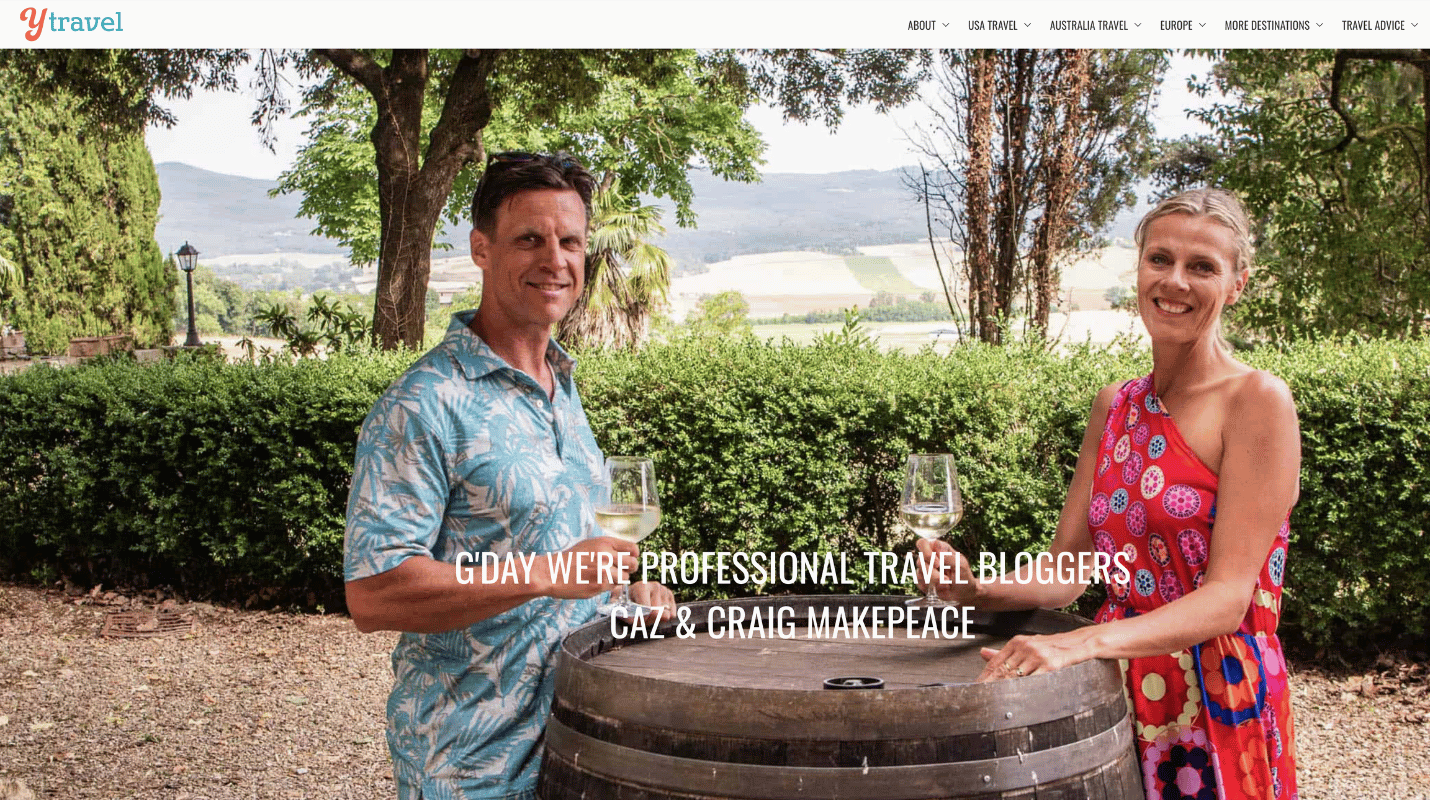
Caz and Craig of YTravel have successfully navigated the highly competitive travel niche by leveraging high-quality, personal photography. Unlike traditional travel guides that focus solely on landscapes, YTravel centers on the human experience of travel. By featuring "smiley," candid photos of their family, they transform a generic travel tip into a relatable narrative.
From a journalistic perspective, this approach utilizes the "Identifiable Victim Effect" (or in this case, the Identifiable Hero Effect), where audiences are more likely to connect with specific individuals than with abstract concepts. Data from HubSpot indicates that content with relevant images receives 94% more views than content without. YTravel’s success demonstrates that personalization is not just about the author’s face; it is about documenting the reality of the niche through a personal lens.
Case Study 2: Quirky Authority and Humor (Smart Passive Income)
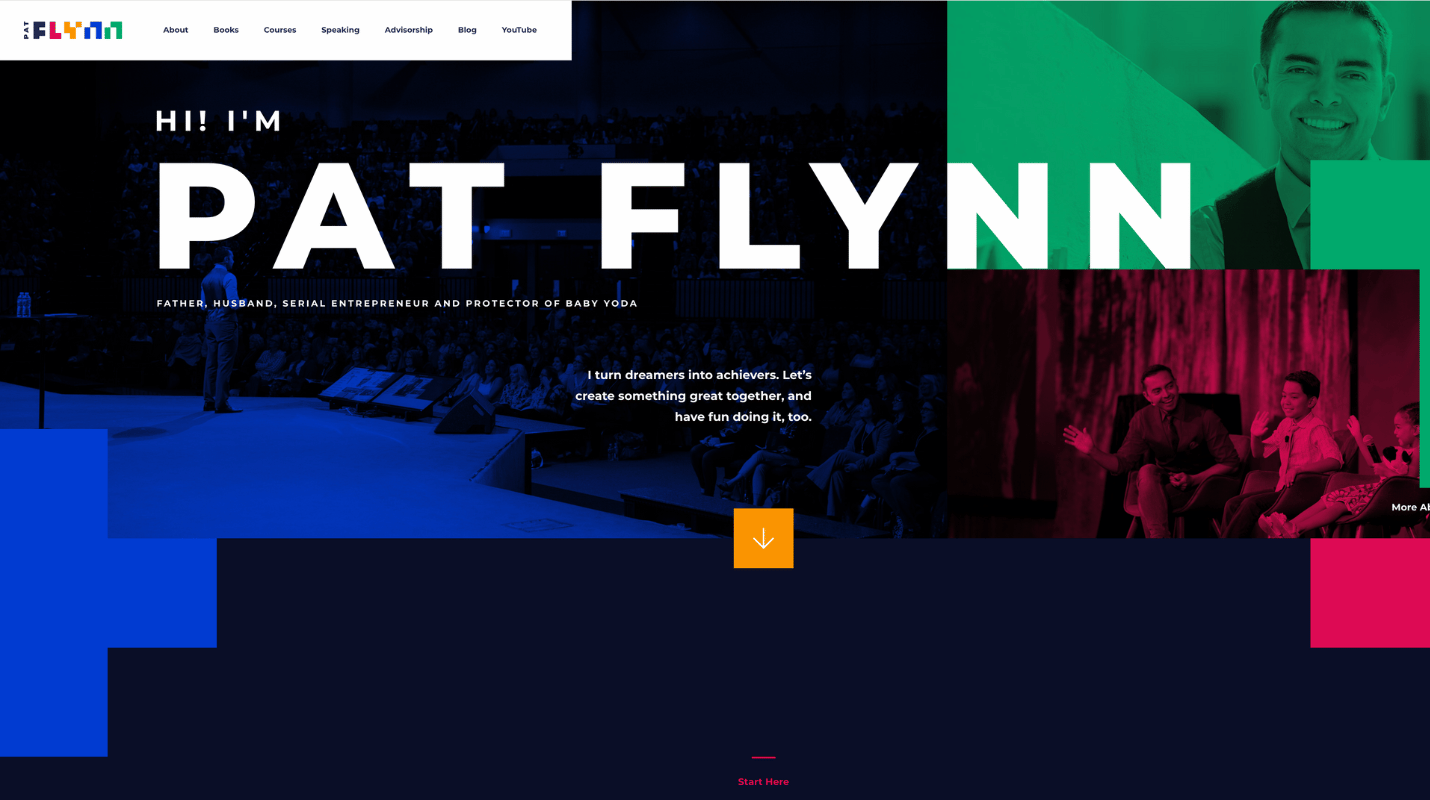
Pat Flynn of Smart Passive Income (SPI) represents the "Transparent Entrepreneur" model. Flynn’s blog immediately establishes a personal connection through a blend of professional credentials and self-deprecating humor. By labeling himself as a "protector of Baby Yoda" alongside "serial entrepreneur," he lowers the psychological barrier between the expert and the learner.
This strategy addresses a common issue in business blogging: the "Expert Paradox," where high levels of authority can sometimes alienate a novice audience. By injecting personality, Flynn creates a "parasocial relationship"—a one-sided relationship where the audience feels they know the creator personally. This leads to higher conversion rates on affiliate products and courses, as the audience views the recommendation as coming from a friend rather than a salesperson.
Case Study 3: The Polarizing Power of Authenticity (Shannon Kelly White)
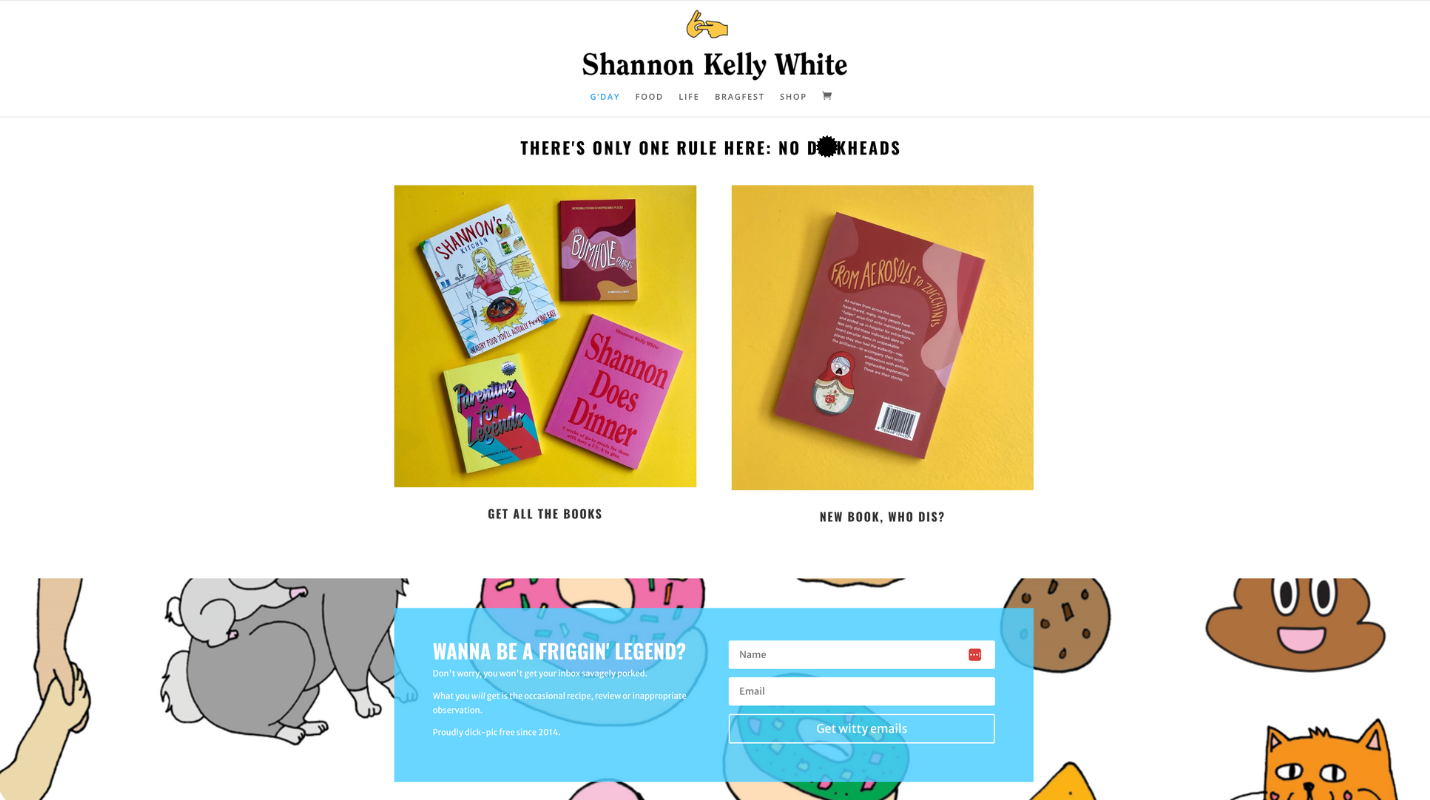
Shannon Kelly White employs a strategy that many corporate brands fear: polarization. By using "salty language" and an unfiltered tone, White creates a strong, identifiable brand voice. In a journalistic context, this is known as "In-Group/Out-Group" dynamics. While her style may alienate a portion of the general public, it fosters intense loyalty among her target demographic.
Market analysis shows that "middle-of-the-road" brands often struggle in the digital age. White’s approach proves that being "everything to everyone" is a recipe for invisibility. Her blog serves as a case study in how a distinct linguistic style can function as a gatekeeper, ensuring that the community remains composed of high-affinity readers.
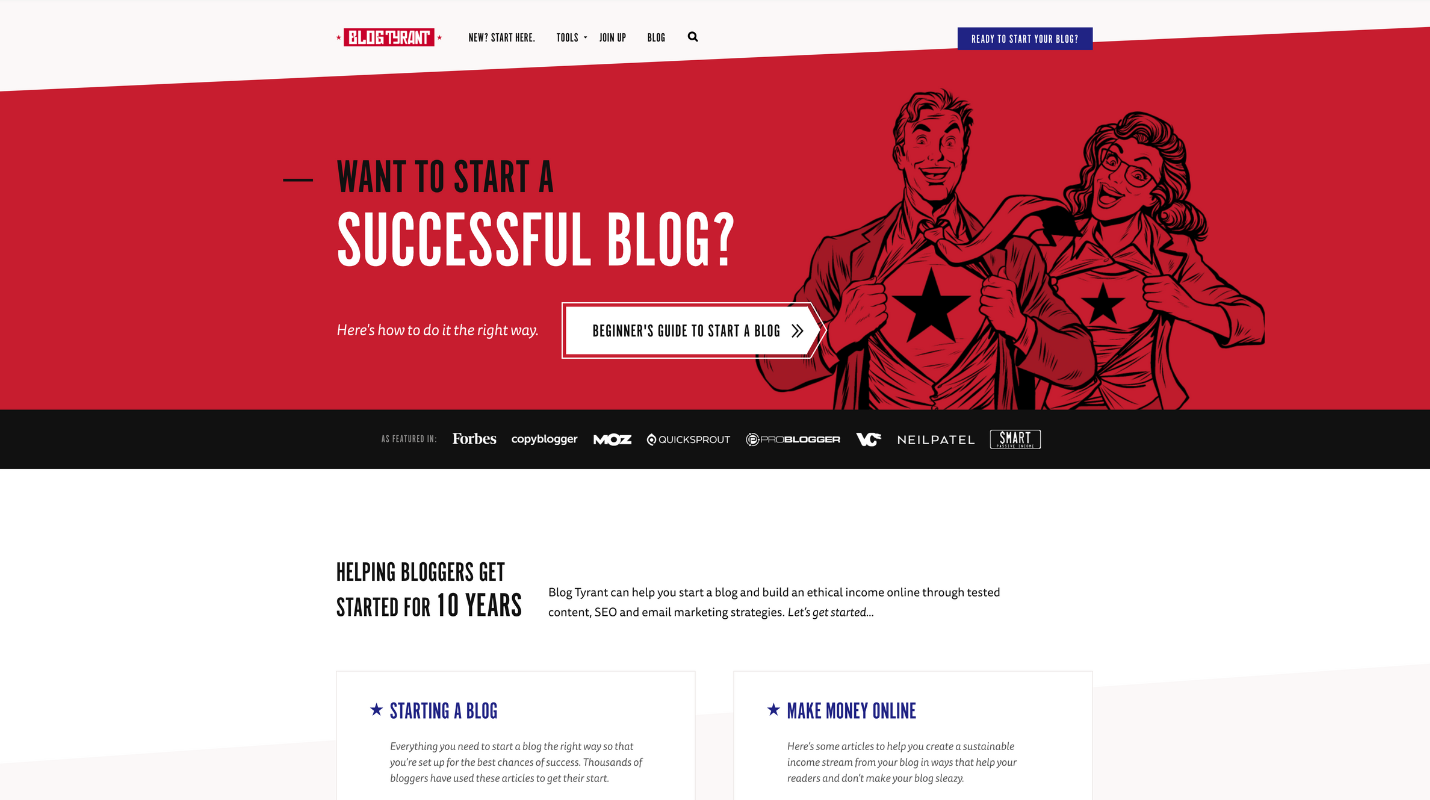
Case Study 4: Visual Identity through Custom Illustration (Blog Tyrant)
Ramsey of Blog Tyrant utilizes a custom avatar—a red-shirted superhero—to anchor his brand. This move shifts the personalization from the physical person to a symbolic representation. In the psychology of branding, mascots and consistent illustrations can increase brand recognition by up to 80%.
This method is particularly effective for bloggers who may be "camera-shy" or who wish to build a brand that is larger than their own physical identity. The "Tyrant" avatar appears across all platforms, from the website header to free reports, creating a cohesive visual language that signals professional stability and creative investment.
Case Study 5: The "About Page" as a Strategic Hub (A Beautiful Mess)
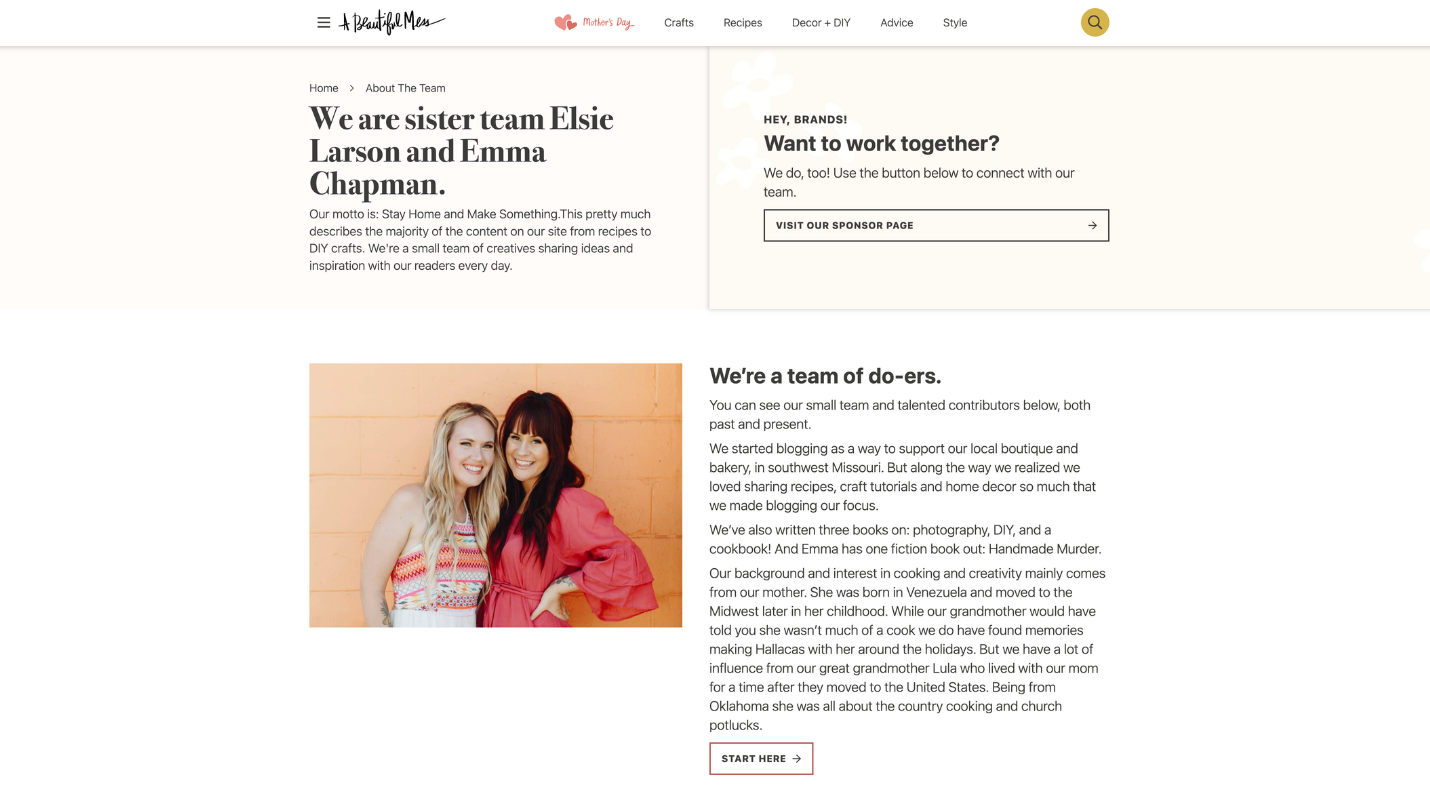
Sisters Elsie and Emma of A Beautiful Mess have turned their "About Page" into a high-converting entry point. Many bloggers treat the About page as an afterthought, but data shows it is often the second most-visited page on a site.
The sisters use bold photography and a catchy introduction to provide an immediate "vibe check" for new visitors. By humanizing the creators behind the DIY and lifestyle content, they transition from being a "tutorial site" to a "lifestyle brand." This shift allows for easier monetization through diverse channels, including physical products and mobile apps, because the audience is invested in the creators’ taste, not just their instructions.
Case Study 6: Cross-Platform Brand Consistency (Chris Ducker)
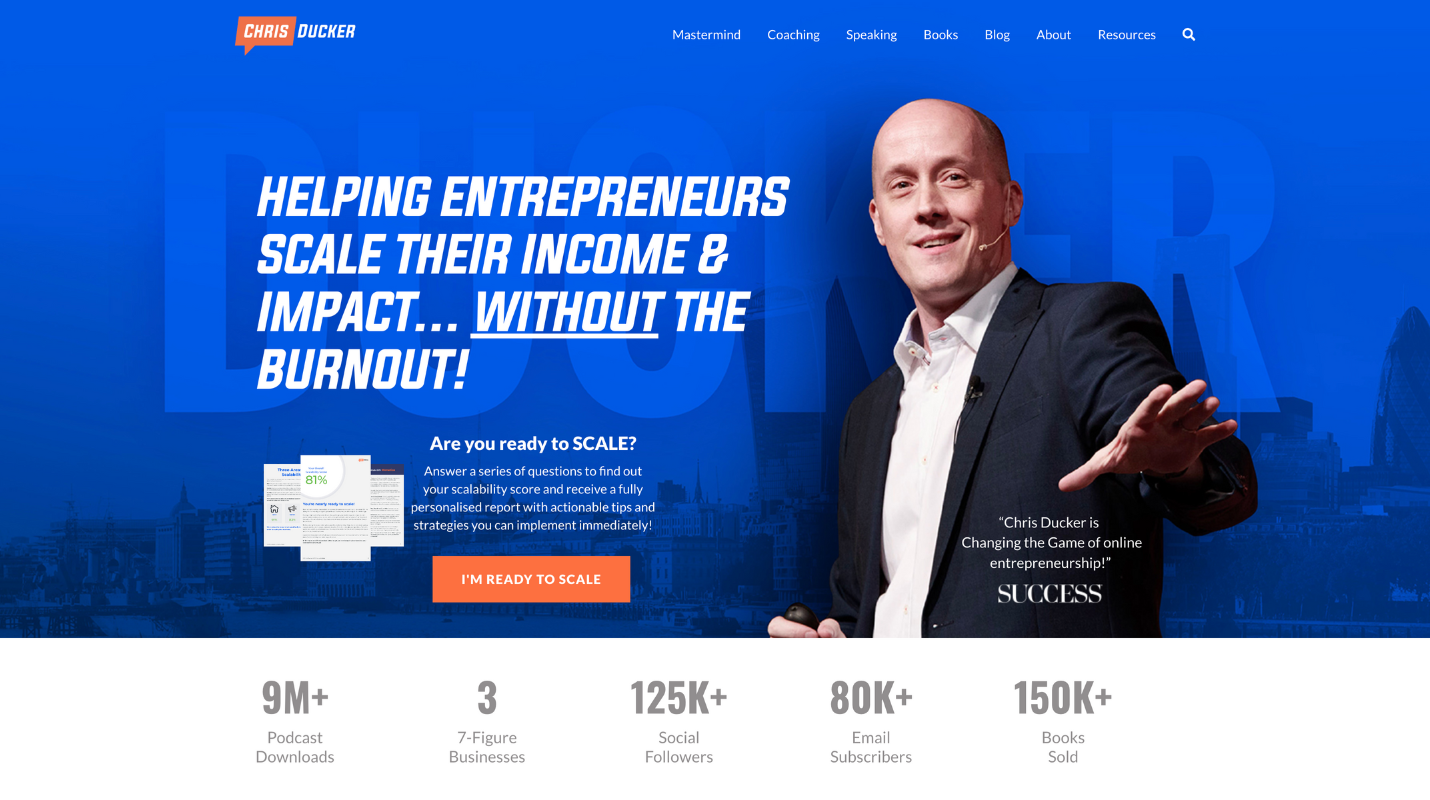
Chris Ducker’s strategy centers on "Omnichannel Personalization." By using the same high-quality headshots across his blog, Twitter, Facebook, and LinkedIn, Ducker reduces the "cognitive load" on his audience. When a user sees his face on a different platform, the brain recognizes the brand instantly, reinforcing the connection.
In an era of fragmented attention, consistency is a form of professional currency. Ducker’s approach highlights the importance of the "Personal Brand Ecosystem," where the blog serves as the home base, but the personality remains unchanged across the digital landscape.
Case Study 7: Color Theory and Aesthetic Cohesion (Jadah Sellner)
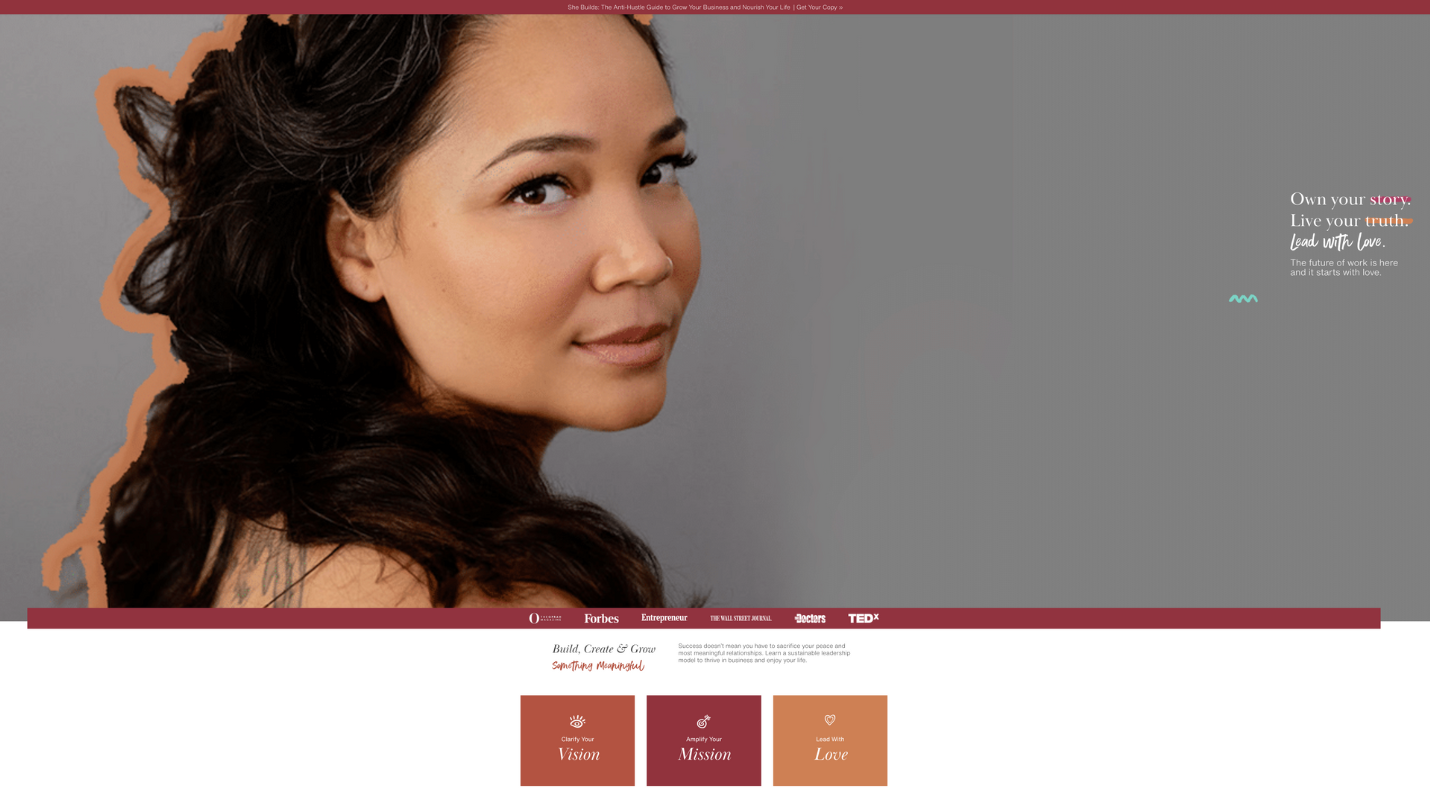
Jadah Sellner utilizes color psychology to enhance her personal brand. Her site features a warm, earthy palette that extends to the clothing she wears in her professional photography. This creates a "Halo Effect," where the aesthetic beauty of the site is subconsciously transferred to the perceived quality of the content.
Research in the Journal of Business Research suggests that color influences 90% of sub-conscious judgments about a product. Sellner’s intentional use of color makes her blog feel like an extension of her physical presence, creating a calming, professional atmosphere that resonates with her coaching audience.
Case Study 8: The Brand Statement as a Value Proposition (SuperFastBusiness)
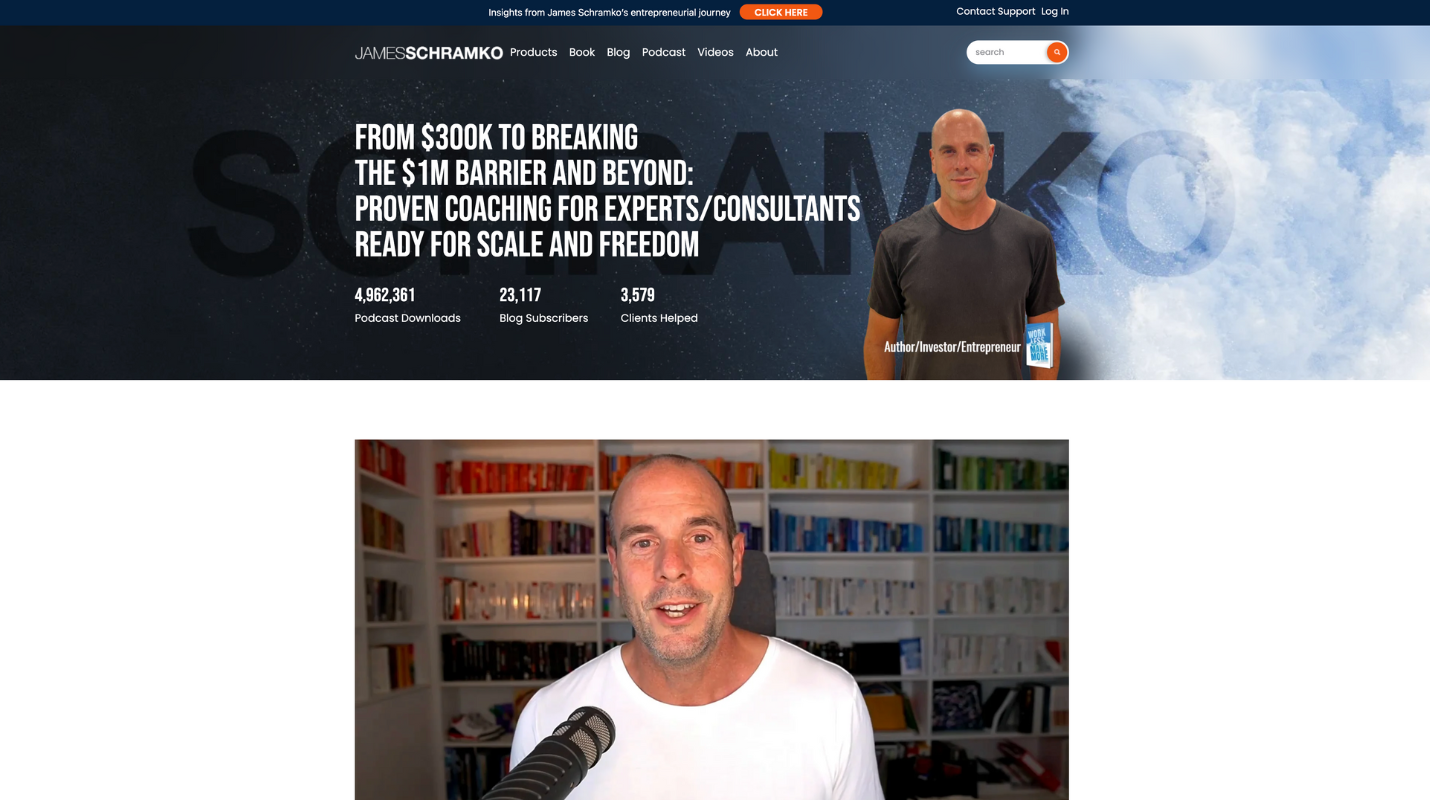
James Schramko of SuperFastBusiness focuses on "Strategic Clarity." His blog features a prominent brand statement that identifies exactly who he is and who he helps. This is a form of "functional personalization."
While other bloggers use personality to entertain, Schramko uses it to qualify. By being explicit about his services and target audience, he reduces "bounce rates" from irrelevant visitors and increases the "quality of lead" for his coaching business. This demonstrates that personality can be a tool for efficiency as much as for engagement.
Case Study 9: The Direct-to-Action Tagline (Kelly Exeter)
Kelly Exeter’s personalization strategy involves a "No-Nonsense" approach to user experience. Her blog features a tagline and a call-to-action (CTA) that "cuts straight to the chase." This reflects a personality trait of efficiency and directness.
In modern web design, "friction" is the enemy of conversion. Exeter’s personality—as expressed through her site’s layout—values the reader’s time. This creates a brand image of a "trusted advisor" who provides solutions without unnecessary fluff.
Case Study 10: Audience Definition through Identification (Puttylike)
Emily Wapnick of Puttylike has achieved a unique form of personalization: she personalized the reader. By coining and popularizing the term "Multipotentialite," she provided her audience with a new identity. Her "Are You a Multipotentialite?" quiz serves as a lead magnet that forces the visitor to interact with the brand’s core philosophy.
This is the highest level of personalization, where the blogger’s personality creates a mirror for the reader. When a reader says, "This blogger understands me because they are like me," the bond becomes nearly unbreakable.
Broader Impact and Market Implications
The success of these ten bloggers highlights a critical shift in digital strategy. As Artificial Intelligence (AI) becomes capable of generating "perfect" technical content, the value of human personality is expected to rise. In what economists call the "Identity Economy," the ability to project a unique, relatable, and consistent personality is becoming the primary differentiator for digital publishers.
Furthermore, the data suggests that personalized blogs have higher "Lifetime Value" (LTV) per reader. A reader who connects with a personality is more likely to subscribe to newsletters, purchase products, and advocate for the brand on social media.
Chronology of Strategy Implementation
To achieve the level of personalization seen in these examples, a chronological approach is typically observed in the growth of top-tier blogs:
- Foundation (Months 1-6): Establishing a unique tone and linguistic style (The Shannon Kelly White model).
- Visual Anchoring (Months 6-12): Developing a consistent visual identity through photography or illustration (The YTravel and Blog Tyrant models).
- Authority Building (Year 1-2): Refining the "About" page and brand statements to align the personality with professional goals (The A Beautiful Mess and James Schramko models).
- Ecosystem Expansion (Year 2+): Ensuring cross-platform consistency and deepening reader identification through interactive tools (The Chris Ducker and Puttylike models).
Conclusion
The evidence from these ten case studies suggests that personality is not a "soft" asset but a hard commercial requirement in the modern blogging landscape. Whether through the use of humor, visual consistency, polarizing language, or audience identification, top bloggers use their humanity to bridge the gap between a digital screen and a loyal community. As the volume of global content continues to grow, the bloggers who survive and thrive will be those who recognize that their most valuable asset is not their knowledge of SEO, but their willingness to be seen as a person.