Putri Inara
The digital publishing landscape has undergone a seismic shift over the last decade, transitioning from a collection of personal online journals to a highly competitive multi-billion dollar industry where technical proficiency is now considered the baseline rather than the ceiling. As search engine optimization (SEO), mobile responsiveness, and high-quality syntax become standardized across the web, industry analysts have identified a critical "personality gap" that distinguishes market leaders from the millions of stagnant domains. Recent data from digital marketing firms suggests that while technical SEO can drive initial traffic, brand personality is the primary driver of reader retention and long-term conversion. In an era dominated by algorithmic content and burgeoning artificial intelligence, the human element—often referred to in marketing circles as "Human-to-Human" (H2H) connection—has become the most valuable currency for independent publishers.
The Evolution of the Blogging Identity
To understand the current emphasis on personalization, one must examine the chronology of the blogging medium. In the early 2000s, blogging was defined by its raw, unpolished nature. However, as the 2010s ushered in the era of "Professional Blogging," many creators prioritized corporate-style authority over individual voice, leading to a homogenization of content. By 2017, a counter-movement emerged among top-tier creators who realized that relatability was more profitable than perceived perfection. Today, personalization is no longer viewed as a vanity project but as a strategic asset used to build brand equity and trust.
Expert analysis of successful digital platforms reveals that personalization manifests through several key vectors: visual storytelling, linguistic tone, consistent cross-platform branding, and audience-specific value propositions. By examining the methodologies of ten industry-leading bloggers, publishers can derive a blueprint for standing out in a saturated attention economy.
Visual Narrative and Authentic Imagery
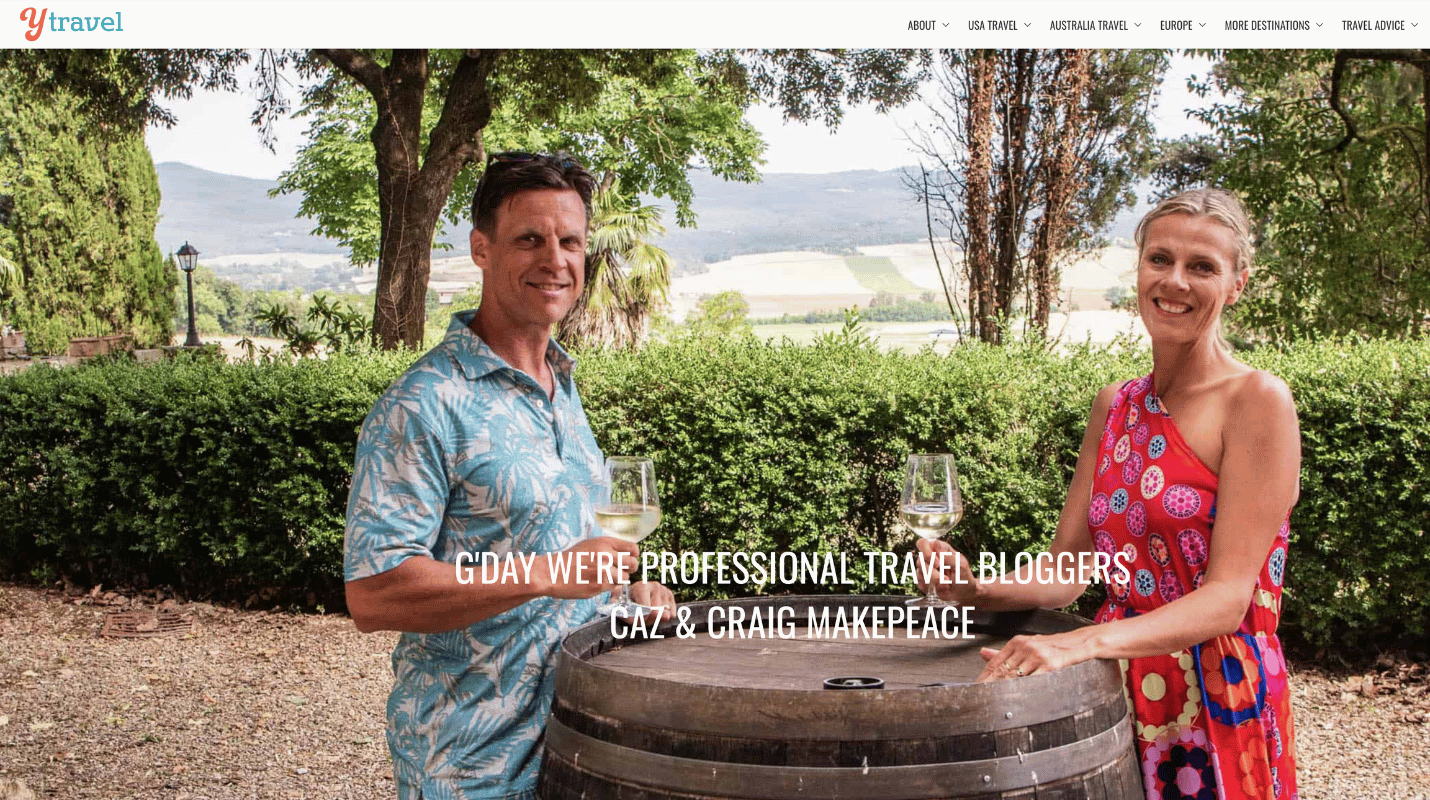
The travel and lifestyle sectors provide a primary case study for the power of original photography. Caz and Craig of YTravel have built a global brand by eschewing generic stock imagery in favor of high-resolution, candid family photography. Journalistic analysis of their platform shows that their success is rooted in the "documentation over creation" philosophy. By including their family in destination shoots, they transform a standard travel guide into a relatable narrative.
Statistics from the Visual Teaching Alliance indicate that 90% of information transmitted to the brain is visual, and visuals are processed 60,000 times faster than text. For YTravel, this translates to immediate emotional resonance. Their approach suggests that for niches such as travel, food, and fashion, the blogger is not merely a reporter but a protagonist in the story they are telling.
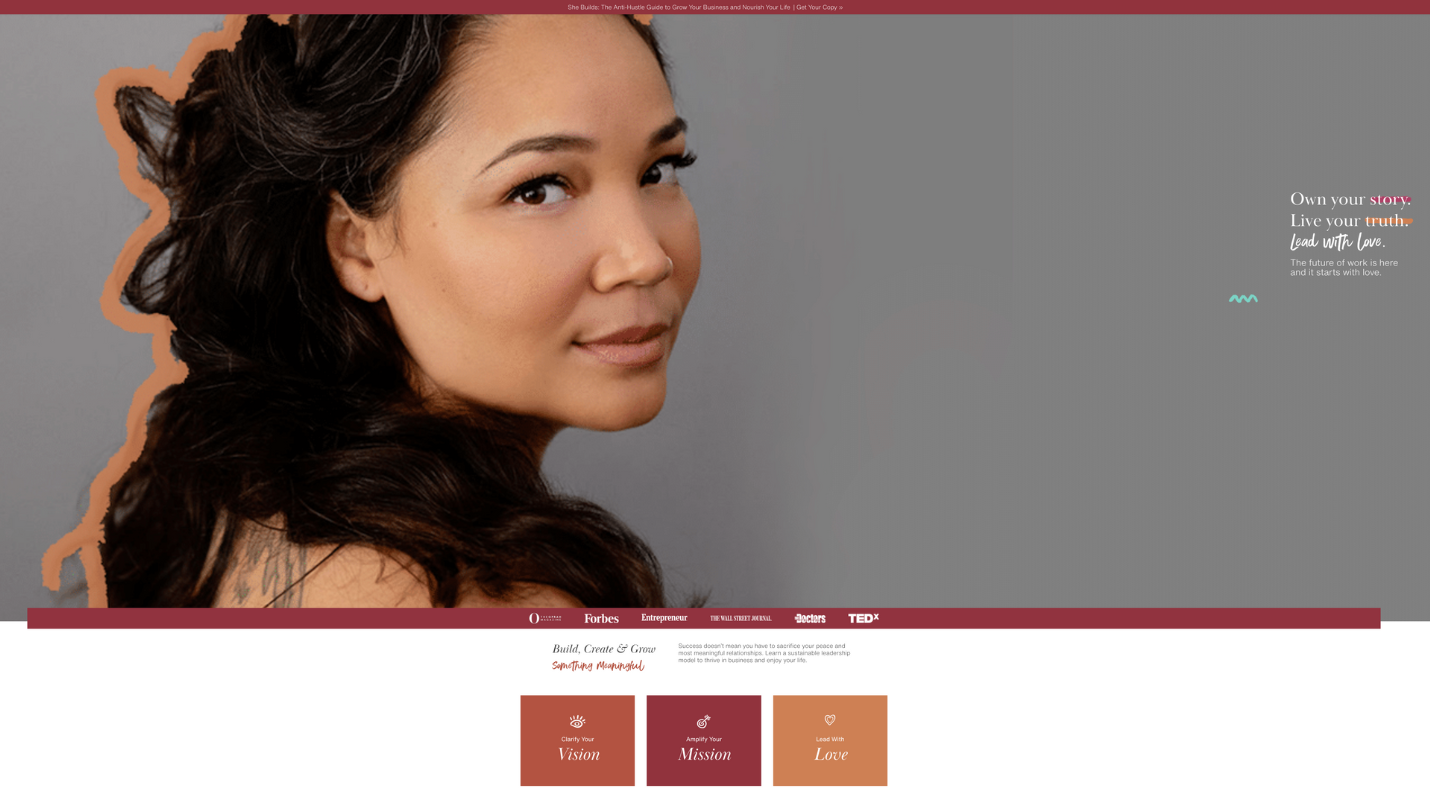
Similarly, Jadah Sellner utilizes color psychology to reinforce her brand identity. Sellner’s site employs a cohesive earthy palette that extends from the website’s user interface to the clothing she wears in her professional portraits. This level of visual synchronicity creates a "halo effect," where the aesthetic quality of the site enhances the perceived credibility of the content.
The Architecture of Voice and Tone
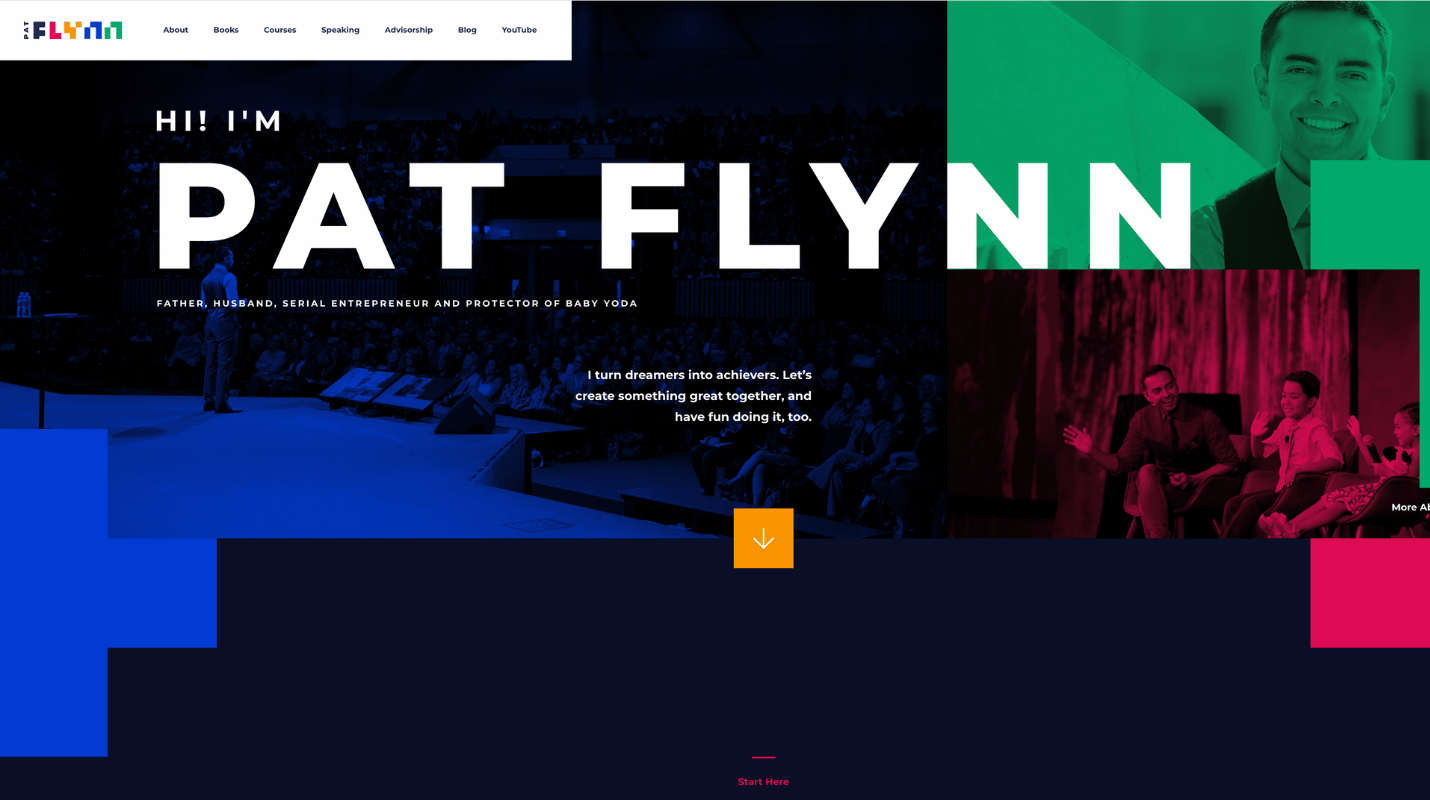
If visuals provide the first impression, the "voice" of a blog secures the long-term relationship. Pat Flynn of Smart Passive Income has pioneered the "transparent entrepreneur" persona. Flynn’s strategy involves blending high-level business acumen with "quirky humor," such as his public branding as a "protector of Baby Yoda." This juxtaposition serves a dual purpose: it humanizes a potentially intimidating subject (finance and passive income) while creating "hooks" for community engagement.
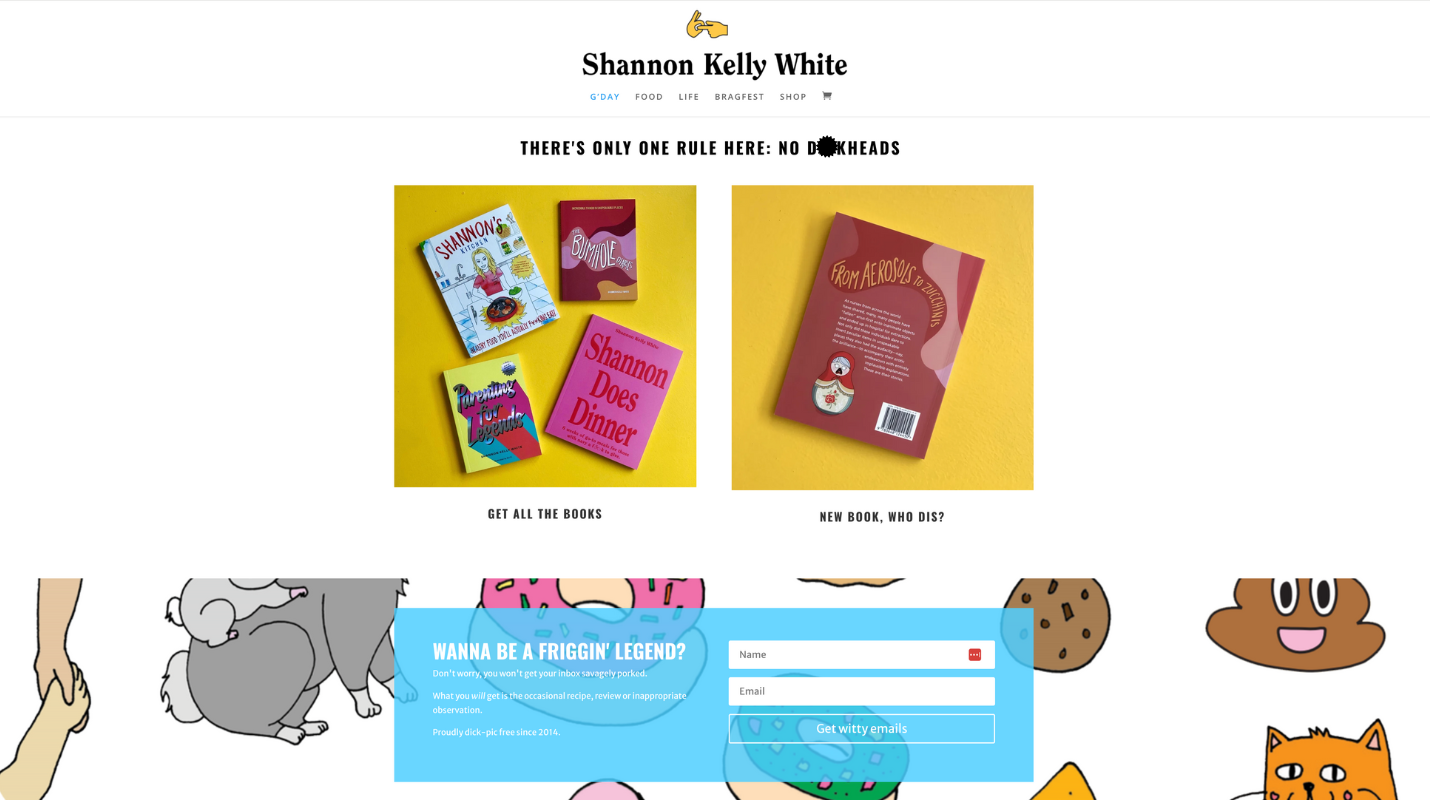
In contrast, Shannon Kelly White demonstrates the effectiveness of "polarized branding." White utilizes a bold, often profane linguistic style that serves as a filter for her audience. While traditional corporate standards might view this as a risk, market data indicates that polarizing content often results in higher engagement rates among a core loyalist base. By refusing to sanitize her voice, White creates a high-trust environment for those who resonate with her authenticity, effectively weeding out casual readers who are unlikely to convert into dedicated followers.
Strategic Branding and Custom Visual Identity
For bloggers who prefer a degree of anonymity or professional distance, custom illustrations offer a middle ground between stock images and personal photos. Ramsey of Blog Tyrant utilizes a red-shirted superhero avatar across his website, free reports, and social media. This custom illustration functions as a mascot, providing a recognizable face for the brand without requiring the constant presence of the creator.
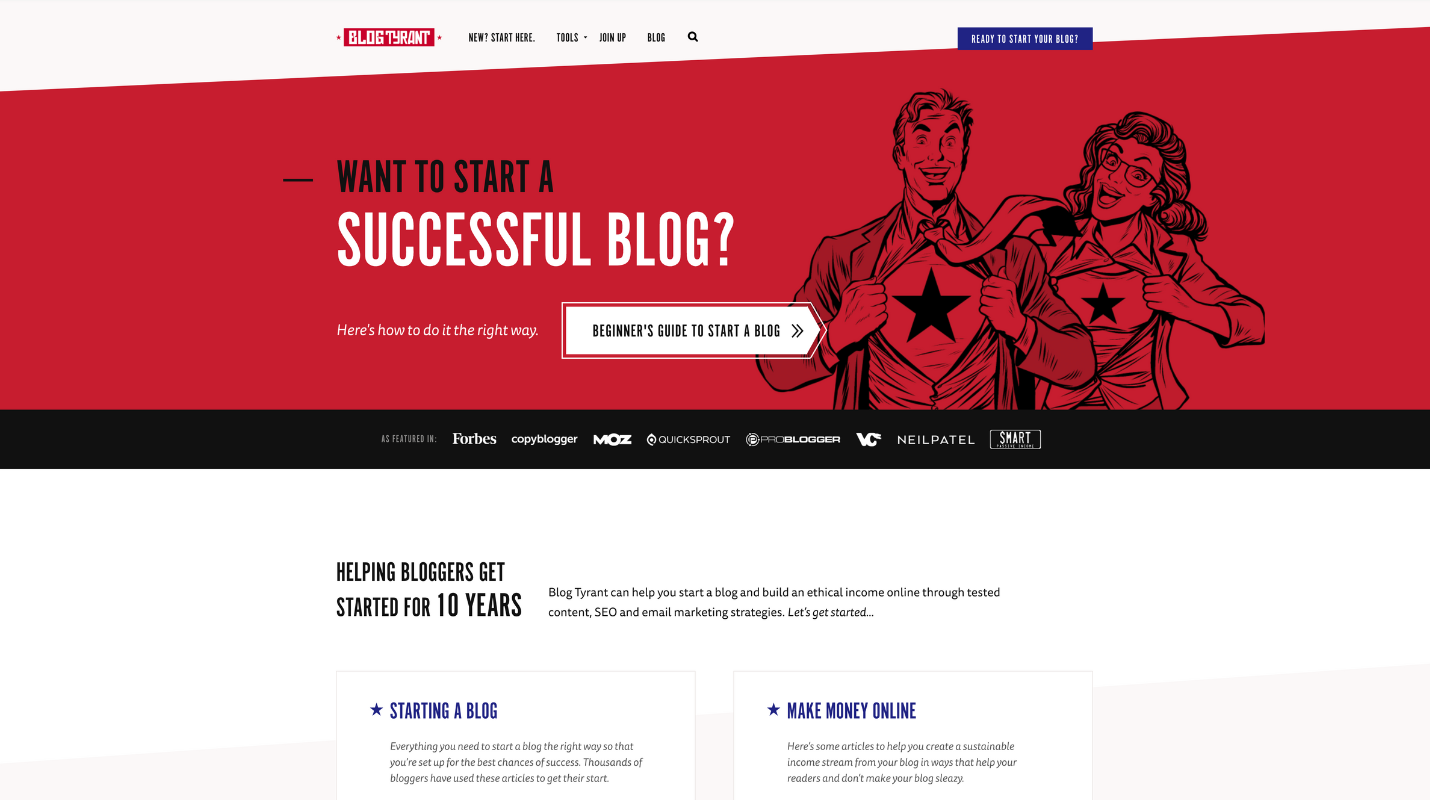
From a journalistic perspective, this approach mirrors successful corporate branding strategies used by companies like Mailchimp or Trello. It creates a "brand character" that readers can identify across various digital touchpoints, increasing the site’s "stickiness" and recall value.
The About Page as a Conversion Engine
The "About Page" is frequently the second most visited page on a successful blog, yet it remains underutilized by many creators. Elsie and Emma of A Beautiful Mess have optimized this space by treating it as a visual and textual mission statement. Rather than providing a dry resume of achievements, they use bright, bold photography and catchy introductions to establish their "why."
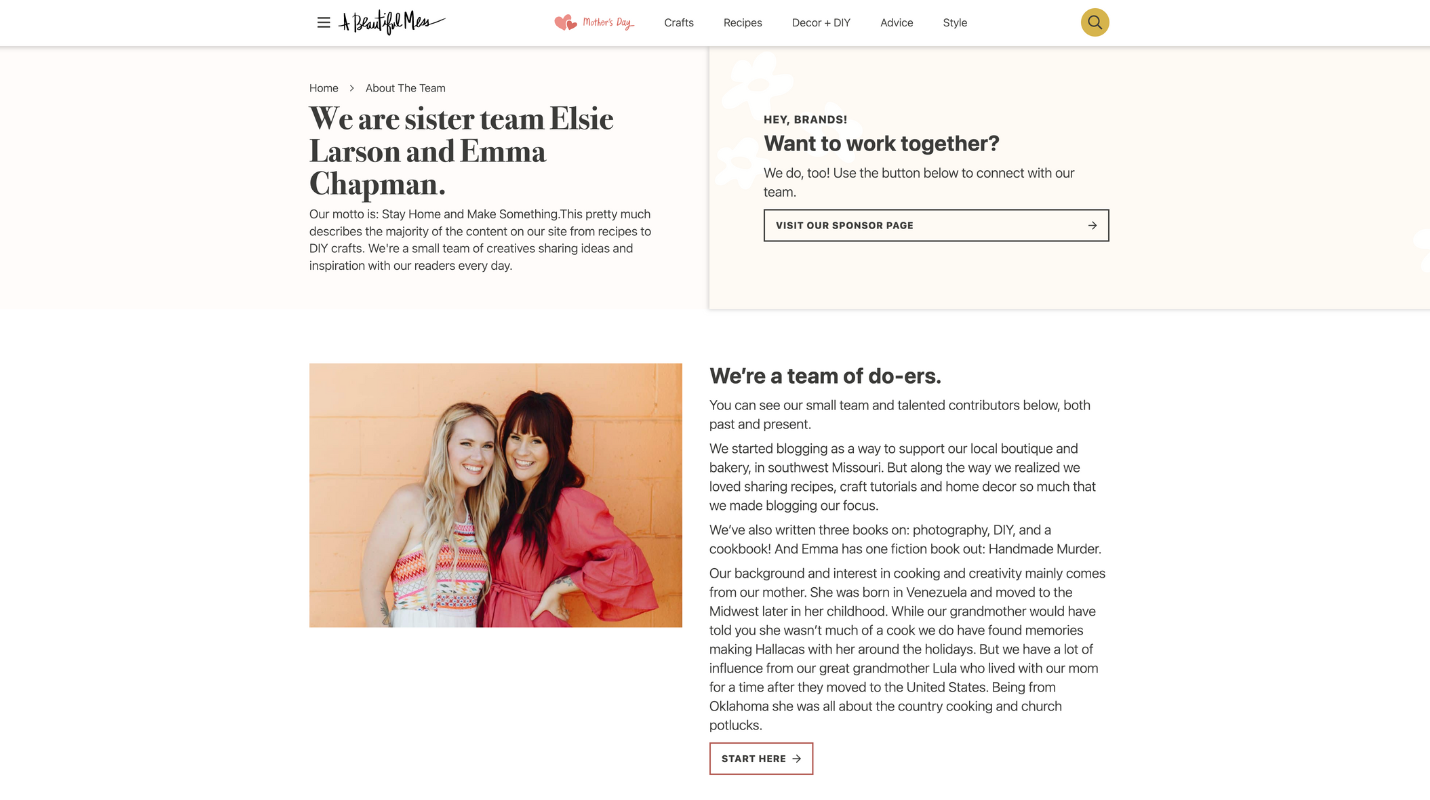
Industry experts suggest that an effective About Page should answer three questions for the reader:
- Who are you?
- Why should I listen to you?
- What is in it for me?
By answering these questions through a personalized lens, A Beautiful Mess converts curious visitors into community members.
Omnichannel Consistency and Professional Trust
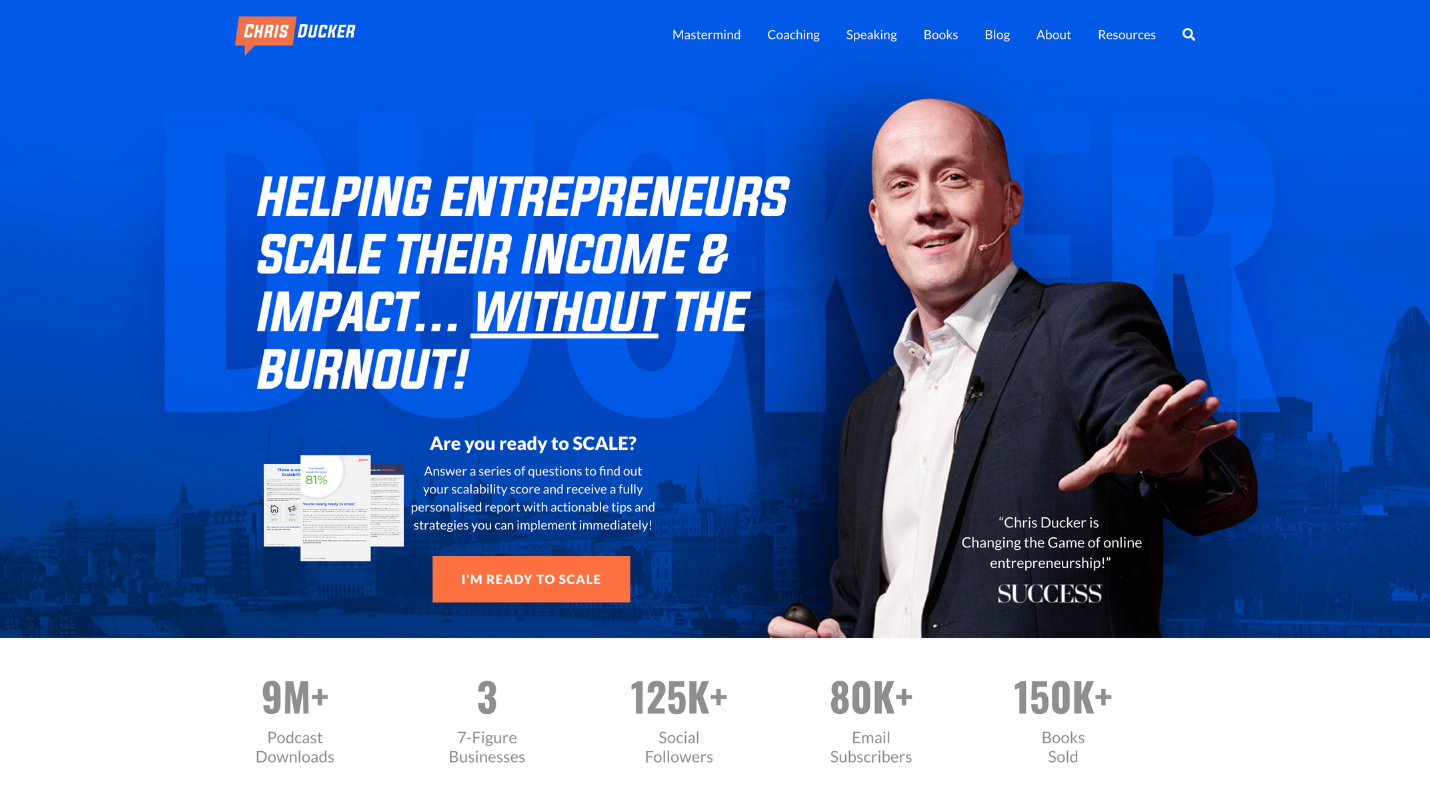
Chris Ducker, a leading authority on "Youpreneurship," emphasizes the necessity of cross-platform consistency. Ducker uses identical high-quality headshots across his blog, Twitter, Facebook, and LinkedIn. This strategy addresses the "Rule of Seven" in marketing, which posits that a prospect needs to see a brand at least seven times before they take action. When the visual representation of the blogger is consistent across all platforms, it reduces the cognitive load on the audience and accelerates the building of professional trust.
The Value Proposition and the Brand Statement
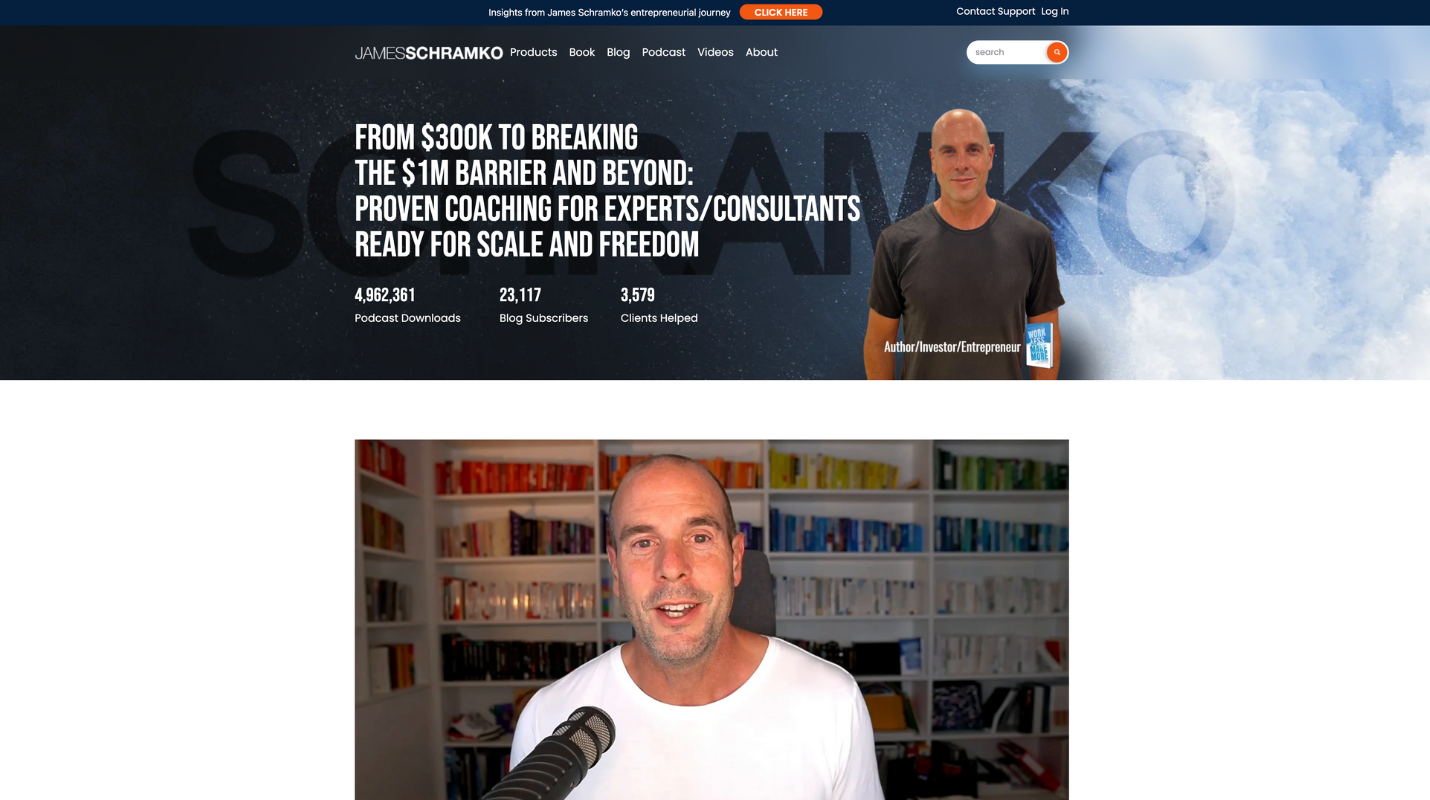
James Schramko of SuperFastBusiness utilizes a more direct, utility-based personalization. His site features a prominent brand statement that immediately identifies his target demographic and the specific problem he solves. This "surgical personalization" ensures that the right readers feel an immediate sense of belonging.
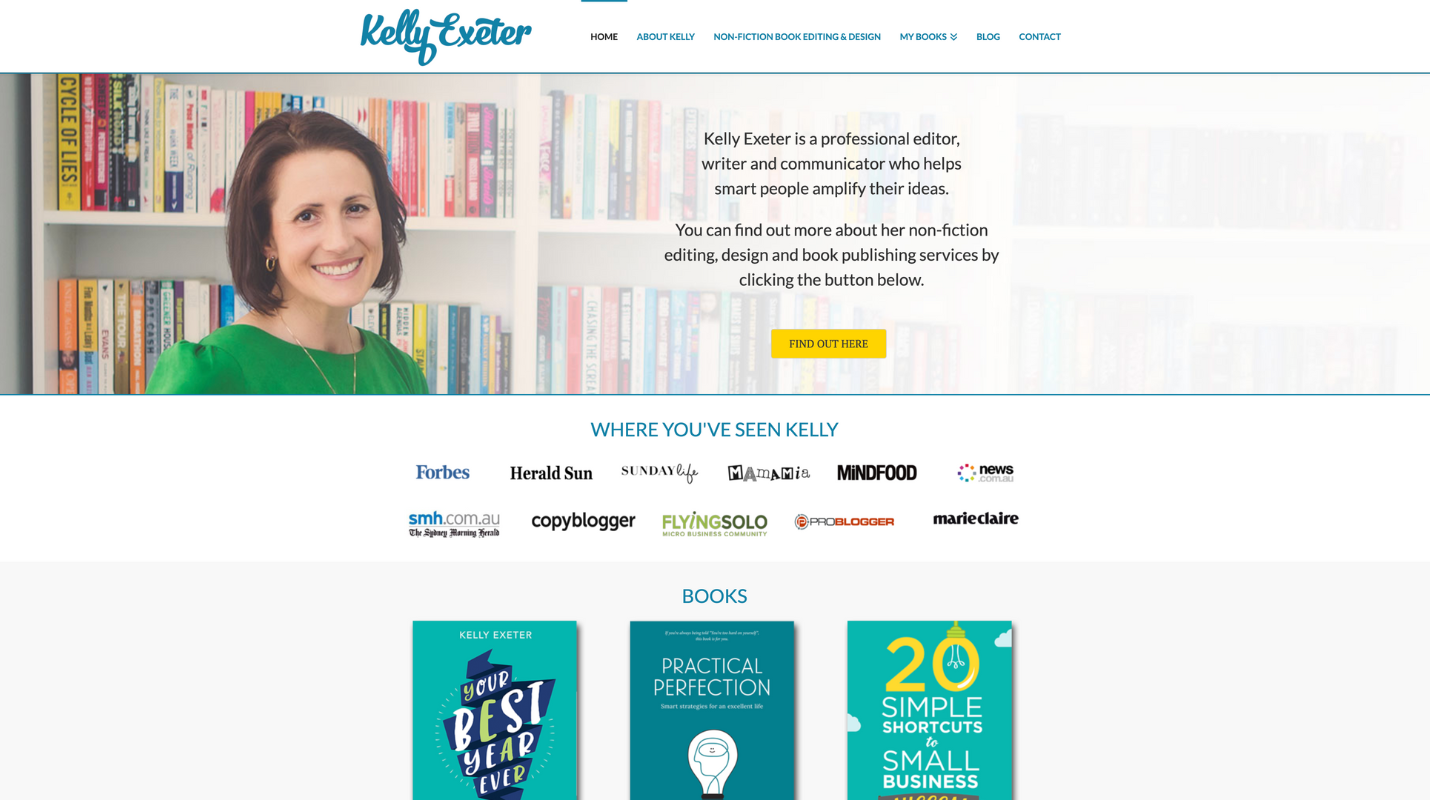
Similarly, Kelly Exeter employs a "straight-to-the-chase" tagline and Call to Action (CTA). By simplifying the user journey—moving from identification ("This is for me") to action ("Find out here")—Exeter minimizes friction. Journalistic analysis of conversion funnels suggests that the more personalized and direct a CTA feels, the higher the click-through rate (CTR).
Audience Identification and Interactive Personalization
Perhaps the most sophisticated form of personalization is helping the reader define themselves. Emily Wapnick of Puttylike coined the term "Multipotentialite" to describe her audience. By giving her community a name, she transformed a blog into a movement.
Wapnick’s use of a quiz ("Are You a Multipotentialite?") on her homepage serves as a powerful lead magnet. Data from DemandGen Report indicates that interactive content, such as quizzes, generates twice as many conversions as passive content. By allowing visitors to diagnose their own personality type through her framework, Wapnick creates an immediate, personalized bond between the reader and the brand.
Broader Impact and Industry Implications
The success of these ten bloggers highlights a broader trend in the digital economy: the shift toward the "Identity Economy." As the internet becomes increasingly crowded with AI-generated text and faceless content mills, the "human premium" is rising.
A fact-based analysis of the current market suggests several long-term implications for digital publishers:
- Trust as a Competitive Advantage: In an era of "fake news" and deepfakes, a personalized, transparent blog serves as a verified source of truth.
- Reduced Dependency on Algorithms: Blogs with strong personalities build direct relationships with their audience (via email lists and community forums), making them less vulnerable to volatile search engine algorithm updates.
- Higher Monetization Potential: Personalized brands can command higher rates for sponsorships and digital products because their recommendation carries the weight of a "friend" rather than a corporation.
In conclusion, the data is clear: the most successful bloggers of the modern era are those who treat personality as a core business strategy. Whether through the bold use of color, the development of a unique linguistic voice, or the creation of interactive audience definitions, personalization is the mechanism that transforms a website from a static information portal into a dynamic, influential brand. As the digital landscape continues to evolve, the ability to project a clear, authentic, and consistent personality will remain the primary differentiator for those seeking to achieve and sustain online success.