Putri Inara
The digital subscription economy relies heavily on the psychological principle of future utility, where readers commit to a platform not just for what they have already consumed, but for the perceived value of content yet to be published. In the competitive landscape of digital publishing, professional bloggers and content strategists are increasingly utilizing intentional design and curation techniques to foster a sense of anticipation. This strategy aims to convert casual visitors into long-term subscribers by leveraging past performance as a reliable indicator of future quality. By systematically highlighting high-quality evergreen content and archival successes, creators establish a framework of authority that encourages audiences to invest their time and attention in a continued relationship with the brand.
The Mechanism of Digital Anticipation
At its core, the decision to subscribe to a blog or newsletter is an act of faith based on evidence. When a user encounters a digital platform for the first time, they assess the immediate value of the landing page or the specific article that drew them in via search or social media. However, the conversion from a "one-off" reader to a subscriber occurs when the user perceives a pattern of excellence. Digital strategy experts note that anticipation is not merely a feeling but a calculated response to a creator’s demonstrated consistency.
Professional bloggers often operate on the premise that current and past posts serve as the most effective advertisements for future work. This approach moves away from the "publish and forget" model of early internet journals toward a more sophisticated content lifecycle management system. By placing the most impactful work at the forefront of the user experience, publishers reduce the friction of the subscription process.
Evolution of Content Discovery and Retention Strategies
To understand the current emphasis on anticipation and content curation, one must examine the chronological shift in how audiences interact with blogs.
- The Chronological Era (Early 2000s): In the early days of blogging, platforms were primarily organized in reverse-chronological order. Users followed blogs via RSS feeds, and the "newest" post was always the most important. The focus was on the "now," with little emphasis on archival value.
- The Search and Social Pivot (2010–2018): As search engine optimization (SEO) and social media sharing became the primary drivers of traffic, individual posts began to exist as silos. A reader might land on a deep-link article from Google, read it, and leave without ever seeing the blog’s homepage or understanding the broader context of the site.
- The Authority and Subscription Model (2019–Present): With the rise of newsletters (e.g., Substack) and the saturation of the content market, the emphasis has shifted back to the "creator" and the "brand." Modern strategy focuses on "authority building," where the goal is to prove that the creator is a comprehensive source of information on a specific niche. This requires a shift from showing what is new to showing what is best.
Data-Driven Curation: The Strategic Use of "Sneeze Pages"
One of the primary tools for building anticipation is the implementation of "Sneeze Pages." This term, popularized within the professional blogging community, refers to specialized landing pages or resource hubs that categorize and highlight the most popular or impactful content within a specific theme.
The logic behind a Sneeze Page is to propel the reader deeper into the site’s ecosystem. Rather than leaving the visitor to navigate a massive archive of thousands of posts, the publisher curates a "best-of" experience. Industry data suggests that the subscription rate from users who interact with these curated hubs is significantly higher than those who only view the homepage. For instance, on platforms like Digital Photography School, the use of sidebar links to these themed hubs has been shown to increase page views per session and establish immediate credibility. When a reader sees a comprehensive collection of expert tips on a single page, the perceived value of the blog’s future output increases, thereby lowering the barrier to subscription.
Visual Validation through Heatmap Analysis
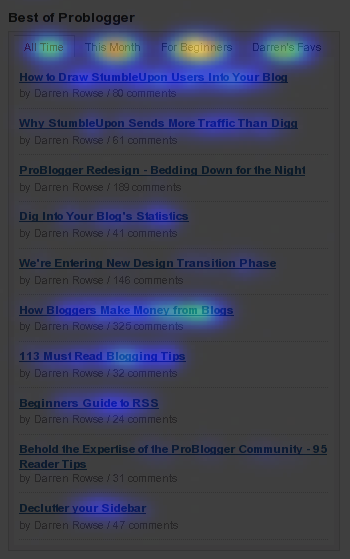
The effectiveness of highlighting top-tier content is not merely theoretical; it is backed by user behavior analytics. Heatmap tools, such as CrazyEgg or Hotjar, provide visual evidence of where users focus their attention. Data from high-traffic blogs consistently shows that "Best of" sections or "Most Popular" widgets in the sidebar or header are among the most clicked elements on a webpage.
These heatmaps reveal a "hot zone" around curated content. When readers are presented with a selection of proven high-value articles, they are more likely to engage in a "click-loop," where they consume multiple pieces of content in a single sitting. This behavior pattern is critical for building anticipation. Each subsequent high-quality article the reader encounters reinforces the belief that the next post will be equally valuable. This "hot" engagement area serves as the primary funnel for RSS and email newsletter sign-ups.
Technical Implementation: Landing Pages and Interlinking
Beyond visual curation, technical strategies play a vital role in fostering anticipation. These include:

- Dynamic Landing Pages: Utilizing plugins and scripts to detect the source of a visitor’s arrival allows bloggers to show tailored content. If a reader arrives via a search for "portrait photography," a sophisticated blog can automatically display a list of other high-quality portraiture guides. This creates a sense of "comprehensive authority," making the reader feel they have found the definitive source for their interest.
- Strategic Interlinking: Professional journalistic standards often involve linking back to previous investigations or foundational articles. In blogging, this practice serves to keep the "best" content in constant rotation. By interlinking high-quality past posts within new content, the publisher ensures that the reader is always one click away from a piece of work that demonstrates their expertise.
- The "Welcome" Experience: Modern blogs often use a "Start Here" page. This is a controlled environment where the blogger presents their mission statement alongside their five to ten most influential posts. This serves as a high-conversion gateway that sets expectations for future content.
Industry Analysis: The Authority Effect
Market analysts in the digital media space point to "The Authority Effect" as a key driver of subscription growth. In an era of AI-generated content and information overload, readers are becoming more discerning. They are looking for "signals of quality."
A blog that highlights its past successes effectively signals that it has a history of delivering on its promises. This historical data acts as a proxy for future performance. According to digital marketing analysts, a well-curated archive reduces "subscription regret," where a user signs up for a service only to find the content irrelevant. By showing the breadth and depth of past work, the publisher provides a roadmap of what the subscriber can expect in their inbox in the coming weeks and months.
Broader Impact on Brand Equity and SEO
The strategy of building anticipation through past quality content has implications beyond simple subscriber counts. It significantly impacts Search Engine Optimization (SEO) and overall brand equity.
From an SEO perspective, "Sneeze Pages" and "Best of" hubs create powerful internal linking structures. These pages act as pillars that distribute "link juice" (authority) throughout the site. Search engines like Google prioritize sites that demonstrate E-E-A-T (Experience, Expertise, Authoritativeness, and Trustworthiness). A site that organizes its content into authoritative hubs is more likely to be ranked as a topical leader.
From a brand perspective, this strategy transforms a blog from a temporary feed of information into a durable library of knowledge. This transition is essential for monetization, whether through advertising, premium subscriptions, or digital products. A reader who anticipates future value is a reader who is more likely to convert into a paying customer.
Conclusion and Future Outlook
The practice of creating anticipation is a shift from reactive publishing to proactive audience management. By treating every past post as a potential advertisement for future work, bloggers can build a sustainable growth model. The use of Sneeze Pages, heatmap-validated sidebars, and intelligent landing pages represents a professionalization of the medium, moving away from casual updates toward a structured media experience.
As the digital landscape continues to evolve, the ability to signal future value through the strategic curation of past excellence will remain a cornerstone of successful audience development. The most successful publishers will be those who recognize that a subscription is not a reward for what was written today, but an investment in what will be written tomorrow. In the coming years, we can expect further integration of AI-driven personalization to enhance these curation efforts, making the creation of anticipation more automated and precisely targeted to individual reader needs. However, the underlying principle remains unchanged: quality content, prominently displayed, is the most powerful engine for growth.