Putri Inara

In the competitive landscape of digital publishing, the conversion of a casual reader into a dedicated subscriber remains the primary metric for long-term sustainability and brand authority. Digital content strategy has shifted from mere information delivery to the sophisticated management of user expectations, a process that hinges on the psychological principle of anticipation. Industry data suggests that users do not subscribe to a digital platform based solely on the merit of a single article; rather, they commit to a relationship with a publisher because they believe the future content will consistently enhance their lives or professional capabilities. This forward-looking commitment requires a strategic approach to content architecture, where past performance serves as the primary indicator of future value.
The Strategic Foundation of Reader Anticipation
The core challenge for any digital publisher is convincing a visitor that content not yet created is worth a permanent place in their inbox or feed. While many content creators attempt to build this sense of anticipation through "teaser" campaigns or announcements, veteran analysts suggest that the most effective method is rooted in the demonstration of existing authority. By highlighting current and past quality content, a blogger provides a tangible proof of concept.
Market research into user behavior indicates that the "Rule of Seven" in marketing—which suggests a prospect needs to encounter a brand at least seven times before making a decision—applies to digital subscriptions. However, in the context of a blog, these "encounters" can be condensed into a single session if the user is guided through a high-quality archive. This methodology transforms the blog from a chronological stream of posts into a curated knowledge base, signaling to the reader that the publisher possesses a depth of expertise that warrants a long-term subscription.
A Chronology of Content Management and Conversion
The evolution of blog management has seen a transition from the "reverse-chronological" dominance of the early 2000s to a more structured, thematic approach. In the early stages of ProBlogger’s development, the platform identified that a significant percentage of traffic arrived via search engines to specific, deep-linked articles. These visitors were often "one-and-done" readers who exited the site after finding a specific answer.

To counter this, a strategic shift occurred in 2008, focusing on the intentional redirection of traffic. The implementation of what became known as "Sneeze Pages" and "Best of" sections represented a pivotal moment in content marketing. These architectural changes were designed to "sneeze" readers into the deeper layers of the site, ensuring that the highest-quality work was never buried by newer, potentially less impactful posts. By 2024, this practice has evolved into what modern SEO experts call "Topic Clusters" or "Content Hubs," which serve the dual purpose of improving search engine rankings and establishing topical authority for the human reader.
Data-Driven Insights into User Engagement
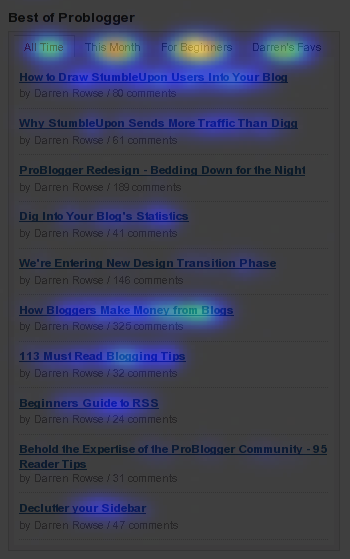
The effectiveness of these strategies is supported by heat-mapping data and click-through rate (CTR) analysis. Using tools such as CrazyEgg, researchers have observed that "Best of" sections on a homepage often constitute the highest-density areas of user interaction. In one specific case study, a "Best of ProBlogger" section displayed a high concentration of activity, indicating that users were actively seeking a curated entry point into the site’s vast archives.
Furthermore, internal data from Digital Photography School indicated that the subscription rate for users who engaged with a "Sneeze Page"—a page that aggregates top-tier content on a specific sub-topic—was significantly higher than the site-wide average. This suggests that when a reader is presented with a comprehensive resource, their perception of the site’s value increases exponentially, leading to a higher likelihood of subscription. Modern analytics further confirm that "dwell time" (the amount of time a user spends on a site) is directly correlated with subscription rates. By interlinking high-quality past posts, publishers can increase dwell time by 30% to 50%, thereby creating the "anticipation" necessary for a subscription.
Technical Implementation: Tools and Methodologies
To achieve a sense of anticipation, publishers must employ several tactical maneuvers that bridge the gap between historical content and future expectations.
1. The Hub-and-Spoke Model (Sneeze Pages)
A "Sneeze Page" acts as a central repository for a specific theme. For instance, a photography blog might have a Sneeze Page dedicated entirely to "Night Sky Photography." By linking to the ten best articles on this topic, the publisher demonstrates a comprehensive mastery of the subject. This increases the site’s authority and credibility in the eyes of the visitor.

2. Dynamic Landing Pages
The use of landing site plugins and scripts allows a blog to recognize the origin of a visitor. If a user arrives via a search for "SEO tips," a dynamic landing page can display a curated list of the blog’s most successful SEO-related content. This immediate personalization validates the user’s search intent and suggests that the blog will continue to provide relevant value in the future.
3. Strategic Internal Linking
Interlinking is not merely an SEO tactic; it is a reader-retention strategy. By regularly linking to previous "pillar" posts within new content, a publisher ensures that new readers are constantly being introduced to the best work in the archive. This creates a recursive loop of quality that reinforces the reader’s decision to stay connected to the brand.
Industry Responses and Expert Analysis
Digital marketing analysts have noted that the "anticipation" strategy is a hedge against the volatility of social media algorithms. "A blog that relies solely on the ‘newness’ of its posts is at the mercy of the feed," says one senior digital strategist. "By building a sense of anticipation through an archive of excellence, the publisher moves the value proposition from the platform (Facebook, X, LinkedIn) back to the destination (the blog)."
Critics of the chronological feed argue that the traditional blog format devalues old content regardless of its quality. The industry response has been a move toward "Evergreen Content Management," where the age of a post is secondary to its utility. Leading figures in the blogging community emphasize that the "anticipation" felt by a reader is actually a form of "trust." If a reader trusts that the past 50 posts were excellent, they will anticipate that the next 50 will be equally beneficial, leading them to provide their email address or subscribe via RSS.
Broader Implications for the Future of Digital Publishing
The move toward creating anticipation through quality archives has broader implications for the "Attention Economy." As AI-generated content begins to saturate the internet, the value of a curated, authoritative human voice increases. A blog that can prove its long-term value through a history of high-quality, well-organized content will stand out in a sea of low-effort, high-volume output.
Moreover, this strategy aligns with the evolving standards of search engines. Google’s emphasis on E-E-A-T (Experience, Expertise, Authoritativeness, and Trustworthiness) rewards sites that demonstrate deep topical knowledge. A well-organized archive that creates anticipation for future posts is, by definition, an authoritative and trustworthy source.
The transition from a "content creator" to a "knowledge curator" is essential for any publisher looking to build a loyal audience. By highlighting past successes, utilizing data to optimize site layout, and focusing on the psychological triggers of anticipation, bloggers can ensure that their platforms remain relevant and their subscriber bases continue to grow. The ultimate goal is to create a digital environment where the reader feels that missing a future post would result in a tangible loss of value, thereby making the act of subscribing an easy and logical decision.