Putri Inara
The digital publishing landscape is increasingly defined not by the immediate consumption of content, but by the strategic cultivation of long-term audience retention. In the competitive sphere of professional blogging and digital media, the act of a reader subscribing to a feed or a newsletter represents a calculated investment in future value. This decision is rarely based on a single isolated encounter; rather, it is the result of a carefully engineered sense of anticipation. To convert a transient visitor into a loyal subscriber, creators must effectively signal that their future output will consistently enhance the reader’s life or professional standing.
The psychological foundation of subscription lies in the promise of the "yet-to-be-created." However, convincing an audience of the value of future content requires a tangible demonstration of past and present excellence. This paradox—using the history of a platform to sell its future—is the cornerstone of high-conversion digital strategy. By intentionally highlighting top-tier archival material, publishers can establish the authority and credibility necessary to foster a sense of anticipation that drives growth.
The Evolution of Reader Engagement: A Chronology of Anticipation
The strategies used to build anticipation have evolved significantly alongside the technical capabilities of blogging platforms. Understanding the trajectory of reader engagement provides essential context for modern implementation.
In the early era of blogging (circa 2002–2006), anticipation was largely organic. Readers discovered blogs through blogrolls and early RSS aggregators. The primary driver of subscription was the novelty of the medium and the personal connection to the author. During this phase, the frequency of posting was the most critical factor in maintaining interest.
By the late 2000s, as popularized by industry leaders like Darren Rowse of ProBlogger, the focus shifted toward "Content Strategy." This period saw the introduction of sophisticated internal linking and the concept of the "Sneeze Page"—a central hub designed to propel readers deep into a site’s archives. The objective transitioned from merely providing updates to building a comprehensive resource.
The mid-2010s introduced the era of data-driven optimization. Tools like CrazyEgg and Google Analytics allowed publishers to see exactly how users interacted with their content. This led to the rise of "Best of" sections and curated landing pages, as data proved that new visitors were more likely to subscribe if they were immediately directed to a site’s highest-performing assets.
In the current landscape, the integration of artificial intelligence and behavioral sensing has further refined these techniques. Modern platforms now use dynamic landing pages that adjust content based on the user’s search intent, maximizing the perception of relevance and authority from the first click.
Strategic Frameworks for Highlighting Content Quality
The most effective method for generating anticipation is to present a blog’s "greatest hits" to new visitors. This strategy serves as a portfolio of capability. Several specific architectural elements are utilized by professional digital publishers to achieve this.
The Implementation of Sneeze Pages
A "Sneeze Page" is a strategic landing page or a detailed category archive that organizes a blog’s best content on a specific topic. Unlike a standard chronological archive, a sneeze page is curated for quality and logical progression. By directing a visitor to these pages, a publisher achieves two goals: they increase page views per session and they establish immediate topical authority. Data from digital photography and professional blogging niches suggest that subscription rates from users who land on curated sneeze pages are significantly higher than those who arrive via a standard homepage.
"Best of" and High-Traffic Sidebar Sections
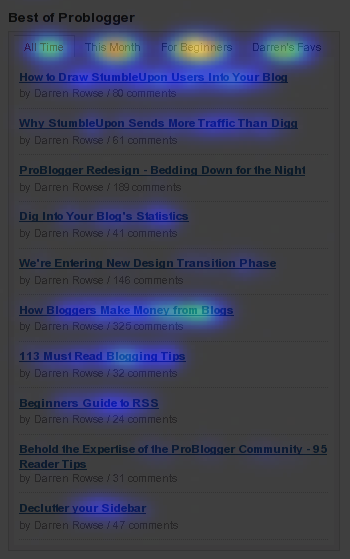
Visual hierarchy plays a crucial role in reader retention. Professional blog designs often incorporate a "Best of" or "Popular Posts" section in the sidebar or above the fold on the homepage. Heat map analysis consistently shows that these sections are "hot zones" for user interaction. By funneling new traffic toward content that has already proven its value through high engagement or social proof, publishers minimize the risk of a "bounce" and maximize the opportunity for a subscription.
Behavioral Landing Pages and Search Intent
Advanced publishers utilize plugins and scripts to detect a visitor’s referral source or search query. If a reader arrives via a search for "digital photography tips," a behavioral landing page can automatically present a curated list of the site’s most authoritative articles on that specific subject. This creates a perception of a comprehensive information source, leading the reader to conclude that the site is an essential resource for their future needs.

Strategic Interlinking and Content Ecosystems
Internal linking is not merely an SEO tactic; it is a tool for building anticipation. By regularly linking to high-quality past posts within new articles, publishers guide readers through a narrative of expertise. Each link serves as a testament to the depth of the archive, reinforcing the idea that the publisher has a long-standing history of delivering value.
Data Analysis: The ROI of Content Highlighting
The effectiveness of these strategies is supported by metrics across the digital marketing industry. According to data from Content Marketing Institute and various conversion optimization studies, the "Rule of 7" in marketing—which suggests a prospect needs to encounter a brand at least seven times before making a decision—applies to blog subscriptions as well.
Internal data from high-traffic blogs indicates that:
- Session Depth: Visitors who view three or more pages during their first visit are 40% more likely to subscribe to a newsletter than those who view only one.
- Heat Map Engagement: Sidebar sections labeled "Must Read" or "Start Here" receive up to 15% of total site clicks, making them the most valuable real estate for conversion.
- Conversion Benchmarks: Sneeze pages can see conversion rates (visits to subscriptions) of 5% to 8%, compared to the industry average of 0.5% to 2% for standard blog posts.
These figures underscore the importance of directing traffic toward "evergreen" content—articles that remain relevant and high-quality over long periods.
Industry Perspectives on Authority and Anticipation
Digital marketing experts emphasize that "anticipation" is a byproduct of perceived authority. In a statement regarding the psychology of digital subscriptions, industry analysts note that the modern consumer is overwhelmed by "content noise." Consequently, the decision to subscribe is a defensive measure; the reader is essentially saying, "I trust this source to filter the noise for me in the future."
This trust is built on the consistency of past performance. If a reader finds three consecutive articles that solve a specific problem or provide unique insight, the "anticipation" for the fourth article is created automatically. Professional bloggers are encouraged to view their archives not as a graveyard of old posts, but as a dynamic engine for future growth.
Broader Impact and Future Implications
The shift toward intentional anticipation-building has broader implications for the "Creator Economy." As social media algorithms become more volatile, the value of a direct-to-consumer relationship (via RSS or email) has reached an all-time high. Creators who rely solely on the "viral" nature of new posts are at a disadvantage compared to those who have built a robust system for highlighting their historical value.
Furthermore, search engine algorithms, particularly Google’s E-E-A-T (Experience, Expertise, Authoritativeness, and Trustworthiness) guidelines, increasingly reward sites that demonstrate a deep, well-organized archive of topical content. Sites that use sneeze pages and "Best of" sections often see a secondary benefit in the form of improved search rankings, as these structures help search crawlers understand the site’s topical depth.
In conclusion, creating a sense of anticipation is an exercise in brand building and trust. It requires a move away from the "treadmill" of constant new production and toward a more holistic view of content management. By treating past quality as the primary advertisement for future value, digital publishers can build a sustainable and loyal audience. The strategy is not complex in theory, but its execution requires a disciplined approach to site architecture and a relentless focus on maintaining high standards of quality. As the digital space continues to saturate, the ability to signal future utility through past excellence will remain the primary differentiator for successful online platforms.