Putri Inara
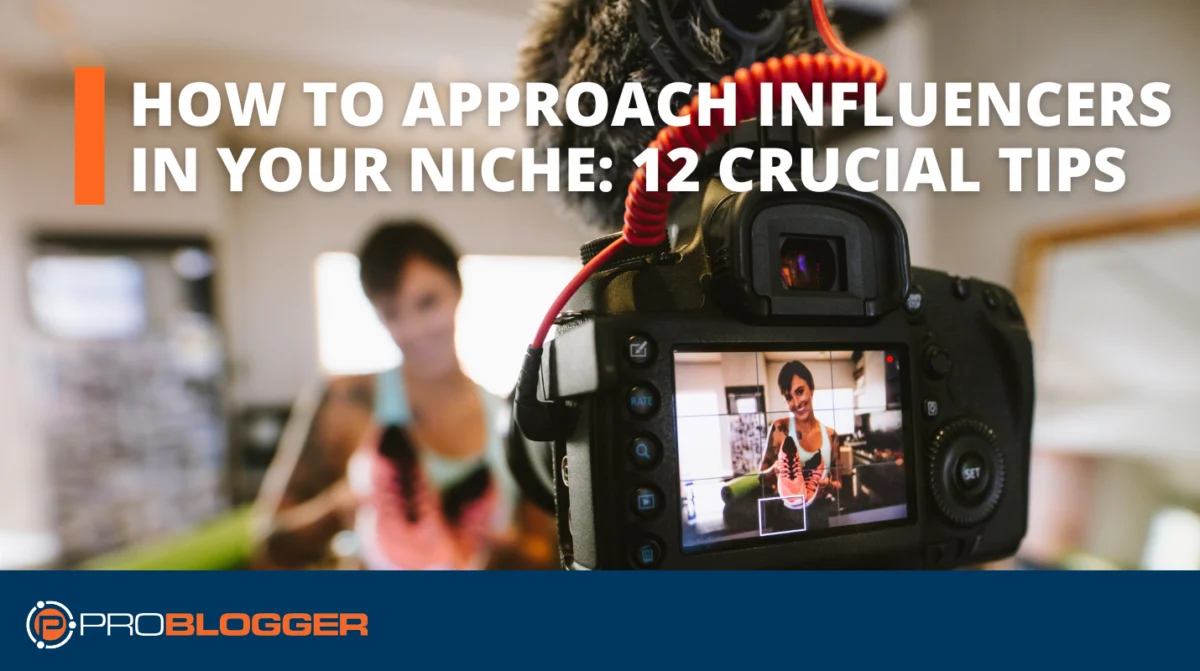
The current digital ecosystem is saturated with automated communication tools designed to streamline outreach. However, reports from high-traffic digital platforms, including ProBlogger, indicate that the efficacy of these systems is plummeting. Influencers with moderate to high visibility report receiving between 10 and 100 automated pitches daily. These emails, often generated by expensive subscription-based software, are frequently characterized by personalization errors, such as misspelled names or incorrect niche identification, leading to a high rate of immediate deletion and potential long-term damage to the sender’s brand reputation.
The Evolution of Digital Influence: A Chronology
To understand the current necessity for sophisticated outreach, one must examine the timeline of the influencer marketing sector.
- The Early Era (2004–2010): The rise of "pro-blogging" where individual creators built authority through long-form content. Relationships were often formed organically through comment sections and blog rolls.
- The Social Shift (2010–2016): The emergence of Instagram and Twitter (now X) created a new class of influencers. Brands began to recognize the ROI of "social proof," leading to the first wave of rudimentary outreach tools.
- The Automation Boom (2017–2021): The market saw a proliferation of SaaS platforms designed to automate influencer discovery and messaging. This period marked the peak of the "numbers game" approach to networking.
- The Relational Pivot (2022–Present): Due to inbox saturation and the rise of AI-generated spam, influencers have become increasingly insulated. The industry is currently witnessing a return to "high-touch" personalized networking, where credibility and mutual value outweigh sheer volume.
Strategic Framework for Professional Outreach
Professional networking in the digital age requires a departure from the "systemic" approach in favor of a human-centric strategy. Industry veterans emphasize that forming a relationship with a high-impact creator is not merely about gaining access to their audience but about establishing a long-term professional alliance.
Establishing Credibility and Presence
Before an initial approach is made, a sender must ensure their own digital footprint is professional and substantive. Influencers, when receiving a pitch, typically perform a cursory audit of the sender’s social media and website. A presence characterized by constant complaints, unprofessional conduct, or a lack of niche-relevant content serves as a significant barrier to connection. Even for emerging creators with smaller followings, maintaining a "professional-ready" aesthetic and consistent messaging is a prerequisite for being taken seriously by established figures.
Platform-Specific Research
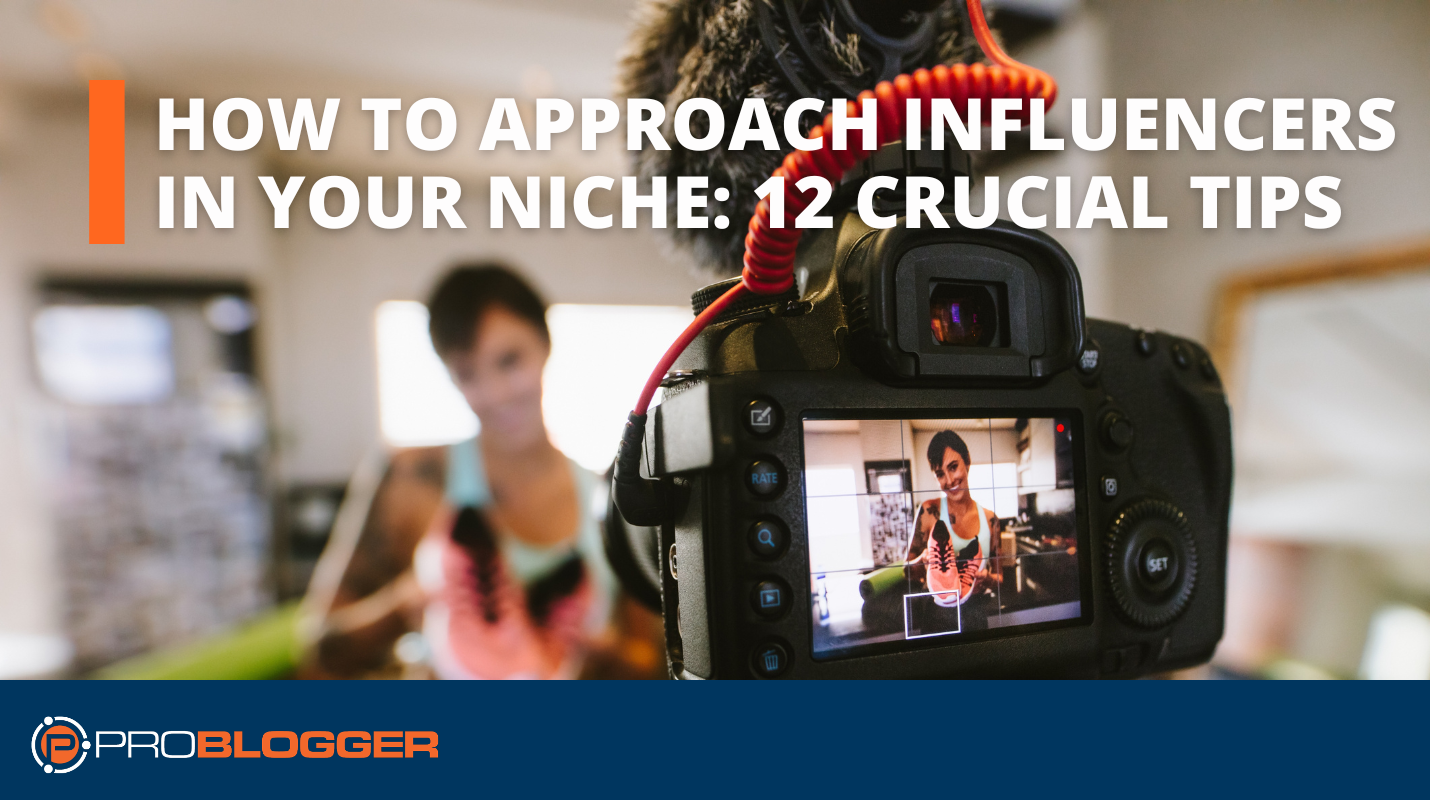
Effective outreach is predicated on identifying where an influencer is most responsive. While a creator may have accounts across all major social media platforms, their engagement levels often vary significantly. Some may utilize Instagram for visual storytelling but prefer Facebook or LinkedIn for professional discourse. Targeting the platform where the influencer actively manages their own community—rather than a platform managed by an assistant or social media team—drastically increases the likelihood of a genuine response.
Methods of Value-First Engagement
The core of a successful influencer approach lies in providing value before requesting it. This "proactive contribution" model shifts the dynamic from a request for a favor to a demonstration of professional utility.
Community Support and Engagement
One of the most effective ways to enter an influencer’s radar is by facilitating engagement on their existing content. This involves more than superficial praise; it requires constructive participation. By answering questions posed by the influencer, providing additional insights in comment sections, and welcoming new members to their community groups, a peer can establish themselves as a helpful and reliable presence. However, analysts caution against "community hijacking"—an overzealous approach that can be perceived as an attempt to divert the influencer’s audience to one’s own platforms.
Audience Growth and Brand Advocacy
Helping an influencer expand their reach is a high-value activity that rarely goes unnoticed. This can be achieved through:
- Strategic Backlinking: Referencing the influencer’s work in guest posts on high-authority websites.
- Media Advocacy: Recommending the influencer’s expertise to mainstream media outlets or journalists.
- Content Amplification: Sharing their work with a relevant audience accompanied by insightful commentary.
- Case Studies: Producing detailed analyses of the influencer’s methods or success stories, which provides them with third-party validation.
Product and Sales Support
For influencers who operate as entrepreneurs, supporting their commercial ventures is a direct way to build rapport. This includes becoming an affiliate, providing high-quality testimonials (video or audio), or offering detailed reviews of their services. A genuine testimonial is a valuable asset for a creator’s sales funnel, often serving as a more effective introduction than a standard cold email.

The Human Element and Resilience
Despite a perfect execution of outreach strategies, the reality of the digital landscape is that many influencers cannot respond to every interaction. Macro-influencers often manage millions of connections, making individual responses a physical impossibility. Professionalism dictates that silence should not be met with hostility. Publicly "calling out" an influencer for a lack of response is cited as a definitive way to terminate any future professional prospects.
Furthermore, engagement on a human level—sharing light-hearted banter, offering encouragement during public challenges, or providing private corrections for minor errors like broken links—humanizes the relationship. These "micro-interactions" build a foundation of trust that automated tools cannot replicate.
Industry Implications and Analysis
The shift toward personalized, value-driven networking has broader implications for the digital economy. As AI continues to lower the cost of producing generic content and outreach, the value of "human-verified" relationships is expected to rise.
Data from recent marketing surveys suggests that "micro-influencers" (those with 10,000 to 50,000 followers) often yield higher engagement rates than "celebrity" influencers. For those looking to build a niche brand, these mid-tier creators represent a more accessible and often more rewarding target for networking. The focus is moving away from the "reach" of the influencer and toward the "depth" of the connection.
The "long-game" strategy—building a relationship months or years before a specific favor is needed—is now considered the industry standard. This preemptive networking ensures that when a request is eventually made (such as a guest post opportunity or a product launch partnership), it comes from a recognized and trusted colleague rather than a stranger.

Conclusion and Future Outlook
The methodology for approaching influencers has come full circle. While the tools of the trade have become more sophisticated, the fundamental principles of professional networking—mutual respect, value provision, and consistent presence—remain unchanged. The digital creators who will see the most growth in the coming years are those who view influencer outreach not as a series of "growth hacks," but as the careful cultivation of a professional network.
In an era of increasing automation, the "human touch" has become a competitive advantage. Those who invest the time to research, engage, and help others within their niche are likely to find that the doors to collaboration open more easily, leading to sustainable brand growth and a more robust professional reputation. The transition from a "user" of influencers to a "partner" of influencers is the defining characteristic of successful digital entrepreneurship in the current market.