Ella Zulfa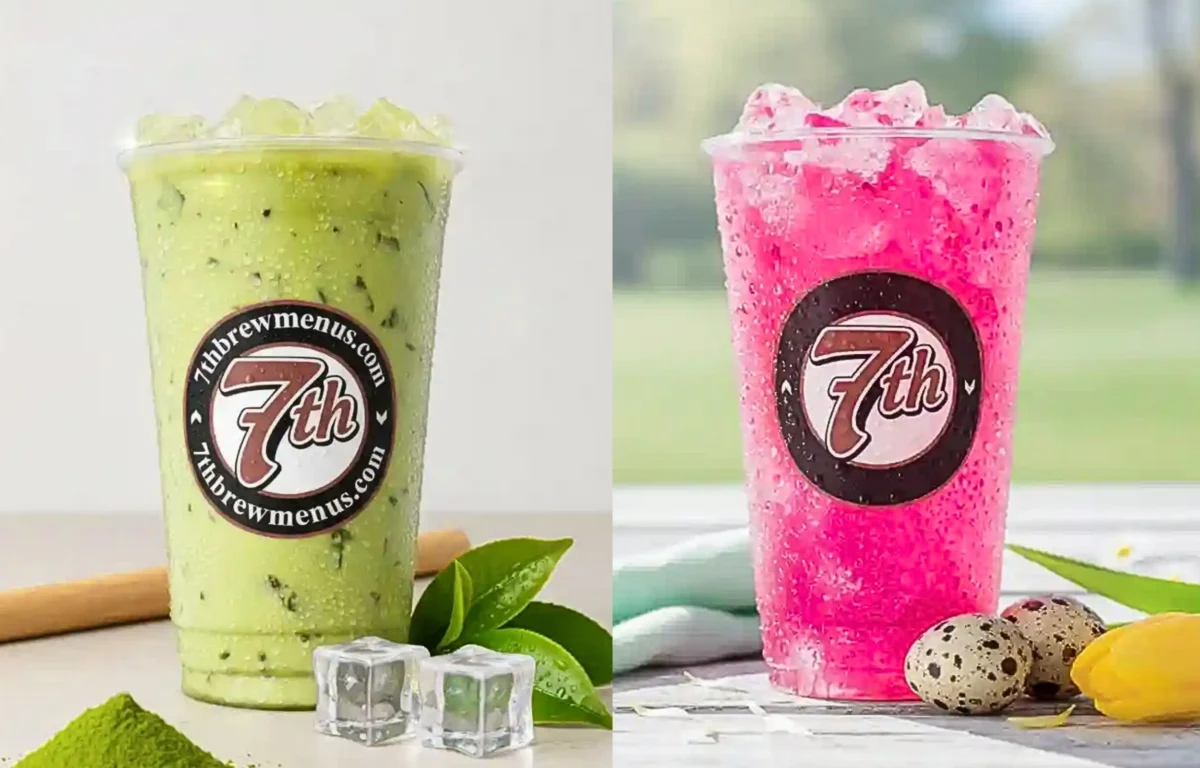
7 Brew, a beverage chain that barely existed in 2017, is on the cusp of achieving 1,000 locations nationwide. The company’s rapid expansion is characterized by what one franchisee describes as "insane" customer volume, driven by a unique menu of customizable, brightly colored drinks and an efficient operational model. This surge in growth positions 7 Brew as a significant disruptor in the highly competitive beverage market, challenging established players like Dunkin’ and Starbucks.
The Unprecedented Rise of 7 Brew
In a remarkably short period, 7 Brew has transitioned from a nascent concept to a formidable presence in the quick-service beverage industry. Brew Crew Holdings, the chain’s largest franchisee, exemplifies this trajectory. In 2025, the company operated 130 stores and generated an impressive $273 million in sales. This performance secured Brew Crew Holdings the 61st position among the nation’s largest restaurant franchisees, according to Franchise Times. The ambitious expansion plans continue, with a target of opening 100 new locations in the current year alone.
Connor Wilson, President of Brew Crew Holdings, attributes this meteoric rise to a fundamental disruption of the industry. "I think the industry hasn’t been disrupted in a long time, and that’s what’s been happening over the last few years," Wilson stated. This sentiment is echoed by the operational successes within the franchise network. Franchised 7 Brew stores are now averaging an outstanding $2.65 million in annual sales, a significant increase from the $1.9 million reported the previous year. This substantial revenue growth is directly linked to the chain’s innovative product offerings and streamlined service model.
A Menu Designed for Modern Palates
At the heart of 7 Brew’s appeal lies its diverse and customizable menu, which caters to evolving consumer preferences for unique and visually appealing beverages. Popular items like the "Pink Mermaid 7 Fizz" and "Cereal Milk Matcha" have become signatures, appealing to a demographic seeking more than just traditional coffee. These drinks, often characterized by vibrant colors and novel flavor combinations, are served efficiently through dual drive-thrus, a design element that significantly boosts throughput and customer satisfaction.
Matt Martinkovic, operations director for Brew Crew Holdings, highlighted the exceptional customer traffic, describing weekly volumes as "insane." This high demand underscores the success of 7 Brew’s strategy in capturing market share by offering differentiated products and a convenient, high-volume service experience. The operational efficiency, facilitated by the double drive-thru model, allows for rapid order fulfillment, a critical factor in maintaining high customer satisfaction and repeat business, especially during peak hours.
Disrupting the Beverage Landscape
7 Brew is not an isolated phenomenon; it is part of a broader wave of new beverage concepts that are fundamentally reshaping the market. Alongside established players like Dutch Bros and emerging "dirty-soda" concepts such as Swig and Fiiz Drinks, 7 Brew is compelling traditional coffee giants to re-evaluate their strategies. The shift in consumer preference is undeniable: iced beverages have surpassed hot coffee sales at major chains like Dunkin’, which reported this trend two years ago. Starbucks, recognizing this market evolution, has seen its "refresher" platform grow into a formidable $2 billion business, demonstrating the significant commercial potential of non-traditional coffee beverages.
This competitive pressure forces established brands to innovate and adapt. The success of concepts like 7 Brew, with their focus on customization, unique flavor profiles, and efficient service, indicates a strong consumer appetite for novelty and personalization in their daily beverage choices. The rapid growth of these newer chains suggests a potential saturation of the traditional coffee market and a move towards more specialized and experiential drink offerings.

A Timeline of Rapid Expansion
The narrative of 7 Brew’s growth is one of accelerated development, distinguishing it from the more gradual expansion patterns of legacy beverage brands.
- Pre-2017: The 7 Brew brand did not exist. The market was dominated by established coffee chains and a burgeoning fast-casual restaurant sector.
- 2017-2020: The foundational years of 7 Brew. The company began establishing its initial locations and refining its operational model and menu. This period was crucial for market testing and brand development.
- 2021-2023: A phase of significant acceleration. With a proven concept, 7 Brew began to expand more aggressively, particularly through franchising. This period saw the emergence of large-scale franchisees like Brew Crew Holdings, which began to scale rapidly. The appeal of the customizable drink menu and efficient drive-thru model started to gain traction.
- 2024: The year marked a period of sustained high growth. Franchisees like Brew Crew Holdings continued to add locations, and the brand’s national presence expanded significantly. The company’s innovative marketing and product development began to attract wider consumer attention.
- 2025: As reported, Brew Crew Holdings concluded the year with 130 stores and $273 million in sales, solidifying its position as a major player within the franchise landscape. This year also saw a notable increase in average store sales, indicating improved operational efficiency and customer demand.
- 2026 (Current Year): The target of opening 100 new locations underscores the ongoing commitment to rapid expansion. The company is actively pursuing new markets and seeking to capitalize on the momentum generated in previous years. Projections indicate that 7 Brew is on track to approach 1,000 locations by the end of this year or in the immediate future, a testament to its successful business model and market penetration strategy.
Supporting Data and Market Insights
The financial performance data for Brew Crew Holdings offers a quantifiable measure of 7 Brew’s success. The jump in average annual sales per store from $1.9 million to $2.65 million is a critical indicator of market demand and operational effectiveness. This represents a nearly 40% increase in revenue per location within a single year, a rate of growth that is exceptional in the fast-casual dining sector.
Furthermore, the ranking of Brew Crew Holdings at No. 61 among the largest restaurant franchisees by Franchise Times places it alongside well-established brands and demonstrates the significant scale it has achieved. This ranking is not merely based on the number of stores but also on the substantial revenue generated, highlighting the profitability and economic viability of the 7 Brew franchise model.
The broader market trends provide crucial context for 7 Brew’s ascent. The shift towards iced beverages is a well-documented phenomenon. According to industry reports, the demand for cold coffee drinks has consistently outpaced that of hot beverages in recent years. This trend is driven by a confluence of factors, including changing consumer lifestyles, a preference for refreshing beverages throughout the day, and the influence of social media in popularizing visually appealing iced concoctions. Starbucks’ $2 billion refresher business is a prime example of how effectively a company can capitalize on this trend with targeted product development. Similarly, Dunkin’s acknowledgment of iced drinks overtaking hot coffee sales signifies a fundamental recalibration of consumer preferences within even the most traditional coffee chains.
The rise of "dirty sodas"—carbonated beverages mixed with cream, flavored syrups, and other additions—further illustrates a consumer desire for novelty and customization. Concepts like Swig and Fiiz Drinks have successfully tapped into this niche, proving that consumers are willing to explore non-traditional beverage options beyond coffee and tea. 7 Brew’s menu, which often incorporates elements of these popular trends, positions it to capture a broad segment of this evolving market.
Analysis of Implications and Broader Impact
The rapid expansion of 7 Brew carries significant implications for the beverage industry and the broader retail landscape.
- Increased Competition: The proliferation of 7 Brew locations intensifies competition, forcing existing players to innovate more rapidly and potentially leading to price adjustments or enhanced loyalty programs to retain market share.
- Franchisee Opportunity: The success of large franchisees like Brew Crew Holdings demonstrates the viability of the 7 Brew model, likely attracting further investment and fueling continued expansion. This creates opportunities for entrepreneurs seeking to enter the booming beverage market.
- Consumer Choice and Preferences: 7 Brew’s growth reflects a shift in consumer preferences towards customizable, visually appealing, and often non-traditional beverage options. This trend could influence product development across the entire food and beverage sector.
- Operational Efficiency Models: The emphasis on double drive-thrus and streamlined service highlights the importance of operational efficiency in high-volume environments. This model may be adopted or adapted by other quick-service businesses aiming to improve throughput and customer experience.
- Market Saturation Concerns: While growth is currently robust, the rapid pace raises questions about potential market saturation in certain regions. The long-term sustainability of such aggressive expansion will depend on maintaining product quality, brand relevance, and operational excellence.
The success of 7 Brew is a compelling case study in rapid market penetration and adaptation. By identifying and capitalizing on evolving consumer tastes for unique, customizable, and conveniently accessible beverages, the company has carved out a significant niche. Its strategic focus on operational efficiency, particularly through its drive-thru model, further enhances its competitive edge. As 7 Brew continues its ambitious expansion, its impact on the beverage industry is likely to be profound, reshaping consumer expectations and competitive dynamics for years to come. The company’s ability to maintain its growth trajectory while adapting to market nuances will be key to its sustained success in this dynamic and increasingly crowded marketplace.