Ena Muazin
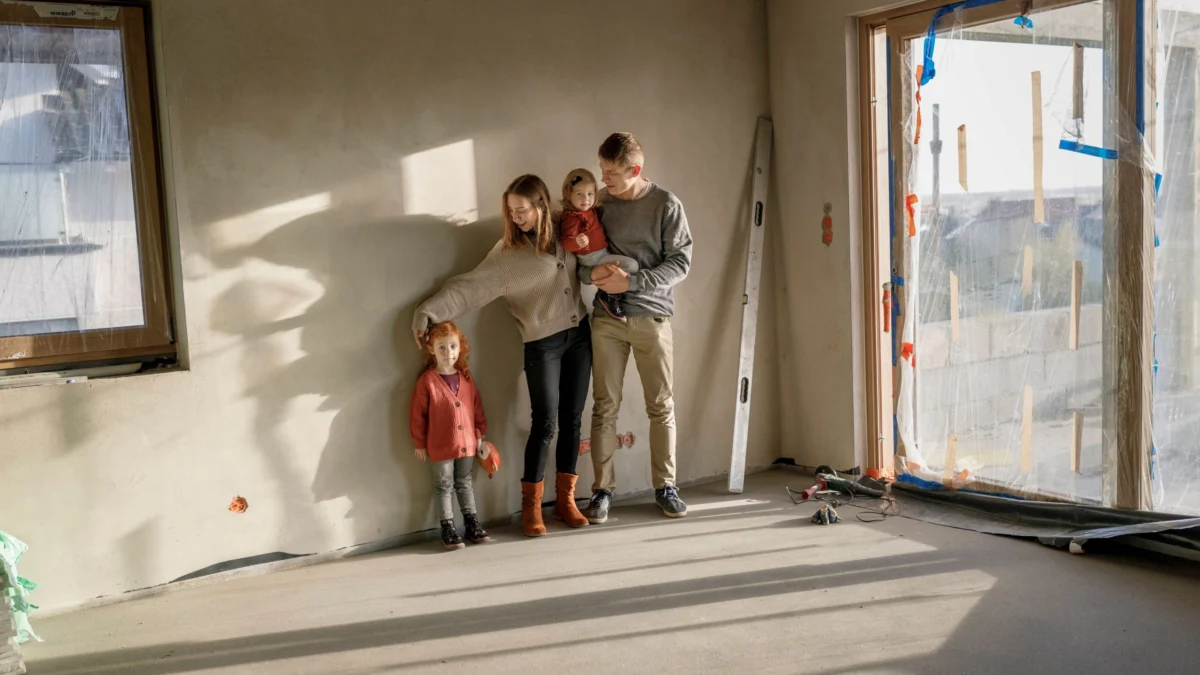
Munich – The looming winter is poised to bring significantly higher heating costs for most homeowners compared to previous years, a trend driven by the dramatic surge in prices for natural gas and heating oil. In response to these escalating expenses, many are seeking effective ways to reduce their energy consumption. Contrary to the assumption that substantial cost savings necessitate expensive heating system replacements, experts emphasize that even budget-friendly interventions can yield considerable reductions in a household’s energy usage.
Carsten Herbert, an expert in building renovations and energy efficiency, operating under the moniker "The Energy Saving Commissioner" on his six-year-old YouTube channel, has authored the book "Einfach sanieren" (Simply Renovate) published by Stiftung Warentest. He asserts that "even with affordable measures, it is possible to reduce existing thermal energy consumption by several dozen percent." His insights offer a practical roadmap for homeowners grappling with the financial pressures of rising energy prices.
The Escalating Energy Landscape: A Statistical Overview
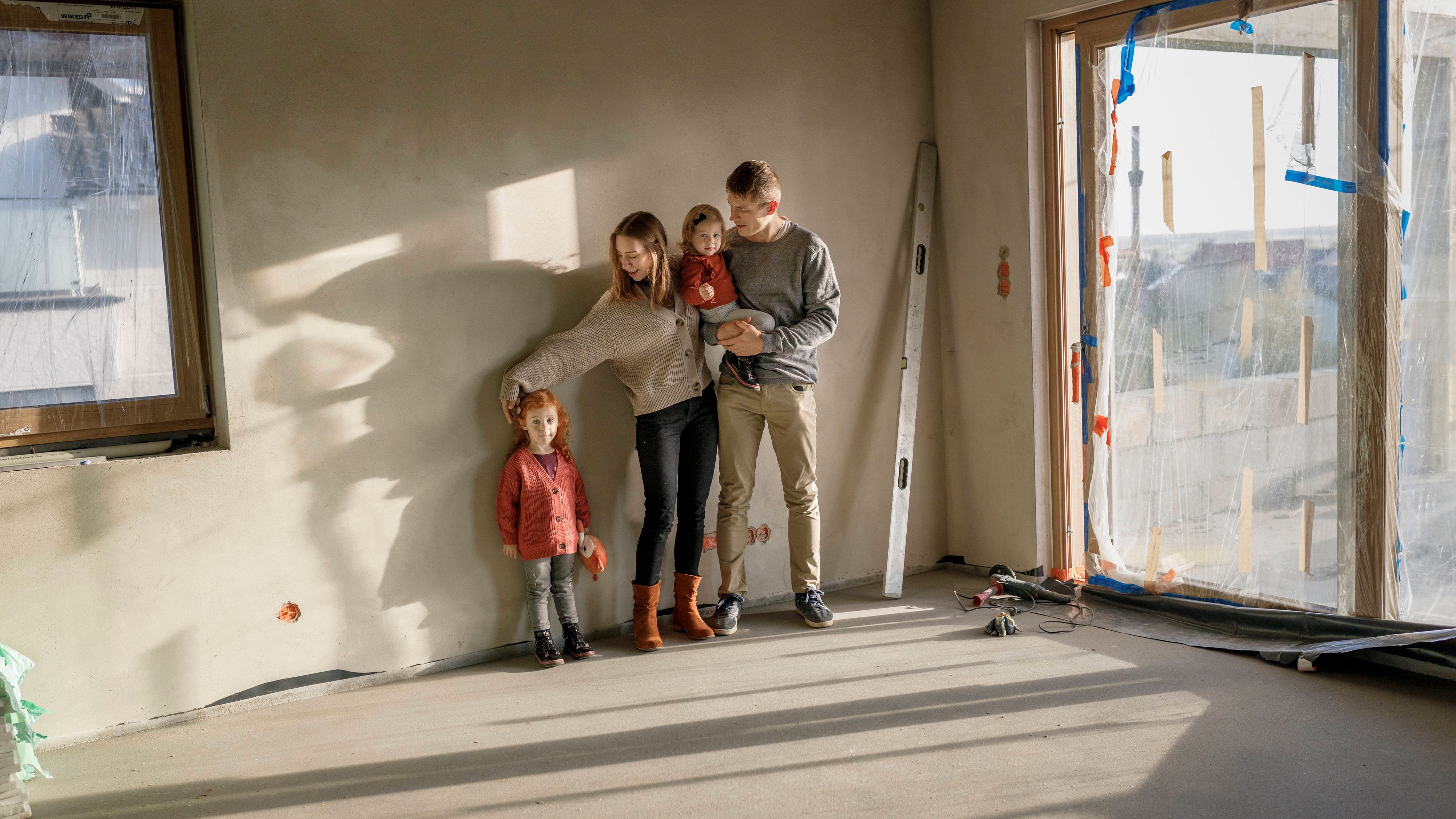
The current market conditions present a stark reality for consumers. As of recent data, new natural gas customers face an average cost of 13 cents per kilowatt-hour, a notable increase from the nine cents recorded a year prior. Heating oil prices have nearly doubled, exceeding 170 euros per 100 liters. This significant price hike directly impacts household budgets, prompting a reassessment of energy consumption habits and investment strategies.
The German housing market reflects this shift, albeit with a continued reliance on fossil fuels. According to the real estate portal Immowelt, 41.3 percent of currently offered residential properties are heated by gas, and 17.5 percent utilize oil heating systems. While the proportion of these fossil fuel-based heating methods has decreased over the past three years, they remain a substantial presence in the market. "Nevertheless, fossil heating types are still strongly represented in offers," notes Theo Mseka, head of the Immowelt portal. This persistence highlights the ongoing challenge of transitioning to more sustainable heating solutions.
Strategic Interventions for Enhanced Energy Efficiency
For homeowners looking to curb energy consumption before the onset of winter, a focused approach on specific areas of their property can yield significant results. Herbert’s expertise, disseminated through his online presence and his recent publication, points towards a series of actionable steps that prioritize cost-effectiveness and impact.

Insulation: The Foundation of Energy Savings
One of the most impactful, yet often overlooked, areas for energy efficiency improvement is insulation. This encompasses a multi-faceted approach targeting various parts of the building envelope:
-
Attic Insulation: Heat rises, making the attic a prime area for energy loss. Properly insulating the attic can prevent a substantial amount of heat from escaping the home. This can involve adding insulation to the attic floor or the rafters, depending on the attic’s structure and usage. Materials such as mineral wool, cellulose, or rigid foam boards are commonly employed, with varying R-values (thermal resistance) dictating their effectiveness. A well-insulated attic can reduce heating costs by as much as 20-30%.
-
Wall Insulation: The thermal performance of external walls is crucial. Depending on the construction type, options range from injecting insulation into hollow cavities in brickwork to applying external insulation systems (EIFS) or internal insulation boards. The choice of method depends on factors like building regulations, architectural aesthetics, and budget. Properly insulated walls can contribute to a 15-25% reduction in heating demand.
-
Basement and Cellar Insulation: Uninsulated basements and cellars can act as significant thermal bridges, drawing heat from the living spaces above. Insulating basement ceilings or walls can prevent this heat loss. This is particularly important for basements that are used for living or storage. Improvements in basement insulation can lead to a 10-15% decrease in overall heating costs.
Window and Door Upgrades: Sealing the Gaps
Windows and doors, often perceived as aesthetic elements, play a critical role in a home’s energy efficiency. Older, single-glazed windows or poorly sealed doors can be a major source of drafts and heat loss.
-
Window Replacement: Replacing old windows with modern, double or triple-glazed units featuring low-emissivity (low-E) coatings and insulated frames can drastically improve thermal performance. These windows reduce heat transfer, minimize condensation, and enhance sound insulation. The payback period for new windows can vary, but the long-term savings on heating bills are substantial.
-
Door Sealing and Replacement: Ensuring exterior doors are well-sealed with weatherstripping is a simple yet effective measure. For doors that are old or in poor condition, replacement with insulated, energy-efficient models is recommended.
Heating System Optimization and Alternatives
While a complete overhaul of a heating system can be a significant investment, several optimizations and alternative solutions can be explored.

-
Heat Pumps: As mentioned in the original article, installing a heat pump is a prominent option for homeowners seeking to move away from fossil fuels. Heat pumps work by transferring thermal energy from the environment (air, ground, or water) to heat the building. While the initial investment can be considerable, government subsidies and long-term operational savings can make them an attractive proposition. The efficiency of heat pumps is measured by their Coefficient of Performance (COP), which indicates the ratio of heating output to energy input. Modern air-source heat pumps can achieve COPs of 3-4, meaning they deliver three to four times more heat energy than the electricity they consume.
-
Boiler Efficiency Upgrades: For existing boiler systems, regular maintenance and potential upgrades can improve efficiency. For instance, replacing an old, inefficient boiler with a condensing boiler can significantly reduce fuel consumption. Condensing boilers recover heat from the exhaust gases, which would otherwise be lost, leading to fuel savings of up to 15%.
-
Smart Thermostats and Controls: Implementing smart thermostats allows for more precise control over heating schedules and room temperatures. These devices can learn household routines and optimize heating to reduce energy waste when the house is unoccupied or during sleeping hours.
Ventilation Systems: Balancing Fresh Air and Energy Conservation
Proper ventilation is essential for healthy indoor air quality, but it can also contribute to heat loss. Modern ventilation systems with heat recovery (HRV or ERV systems) offer a solution. These systems extract heat from the outgoing stale air and use it to preheat the incoming fresh air, significantly reducing the energy required to warm the fresh air. This can lead to energy savings of up to 70% compared to conventional ventilation methods.

Expert Endorsements and Practical Advice
Carsten Herbert’s approach, as highlighted in his book and online content, emphasizes a pragmatic and accessible path to home renovation for energy efficiency. He advocates for a systematic approach, encouraging homeowners to first identify the biggest areas of heat loss in their homes. This often involves a building energy audit or consultation with an expert.
"The goal is not to undertake every possible renovation at once, but to strategically address the most critical points first," Herbert explains. "Even small, targeted improvements can make a significant difference to your energy bills and your comfort." He also stresses the importance of understanding the specific characteristics of each building, as what works for one home may not be optimal for another. Factors such as the age of the building, its construction materials, and its orientation to the sun all play a role in determining the most effective renovation strategies.
Government Incentives and Support

Recognizing the importance of energy efficiency and the transition to renewable energy sources, governments in many regions, including Germany, offer various financial incentives and subsidies for homeowners undertaking such projects. These can include grants, low-interest loans, and tax credits for investments in insulation, window replacements, heat pumps, and other energy-saving measures. Staying informed about these programs can significantly reduce the upfront cost of renovations, making them more accessible to a wider range of homeowners.
For example, Germany’s Federal Ministry for Economic Affairs and Climate Action (BMWK) provides funding for energy-efficient building renovations through programs like the "Federal Funding for Efficient Buildings" (BEG). These programs often cover a substantial portion of the eligible costs, encouraging homeowners to invest in long-term energy solutions.
The Broader Impact: Environmental and Economic Considerations
The drive towards energy-efficient homes extends beyond immediate cost savings. Reducing energy consumption directly translates to a lower carbon footprint, contributing to climate change mitigation efforts. By decreasing reliance on fossil fuels, homeowners play a part in the broader societal transition towards a more sustainable energy future.

Economically, investments in home renovation for energy efficiency can also increase property values. Homes that are more energy-efficient are increasingly attractive to potential buyers, offering lower running costs and greater comfort. This makes them a sound financial investment in the long term.
The current energy price climate serves as a powerful catalyst for these changes. While the immediate concern is managing rising bills, the long-term implications point towards a more resilient, cost-effective, and environmentally conscious approach to homeownership. By understanding the key areas for improvement and leveraging available resources and expertise, homeowners can navigate this challenging period and build a more sustainable future for their households. The message from experts like Carsten Herbert is clear: significant energy savings are within reach, even without breaking the bank. The key lies in informed decision-making and strategic implementation of proven efficiency measures.