Ena Muazin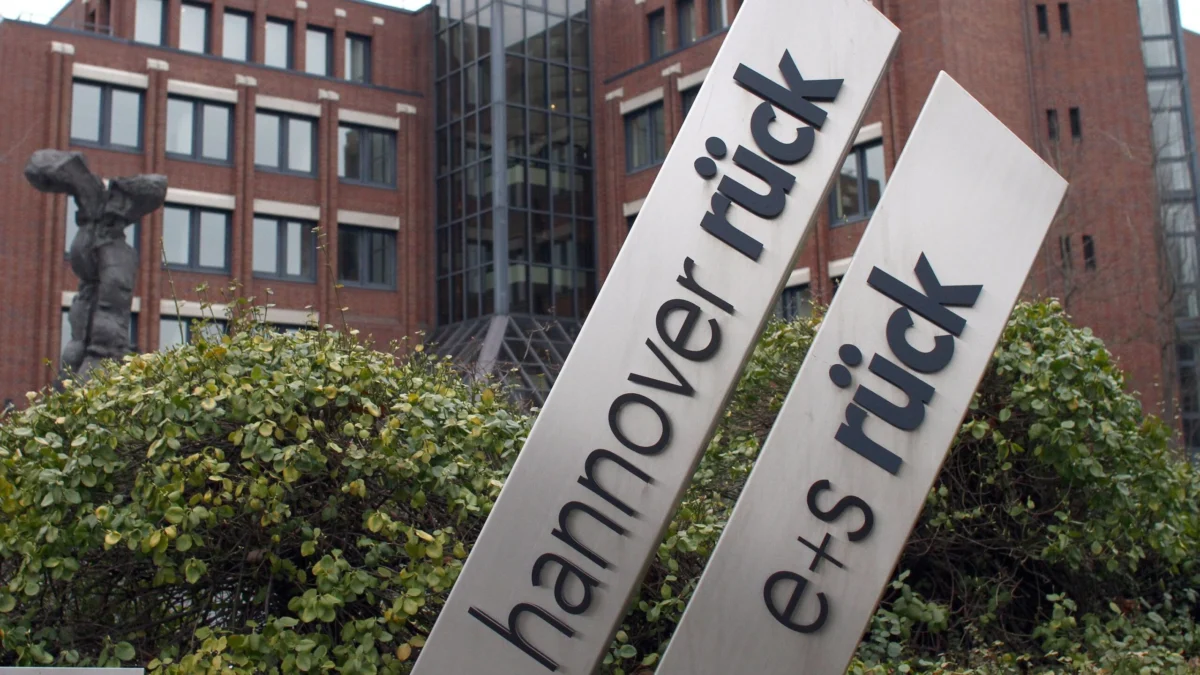
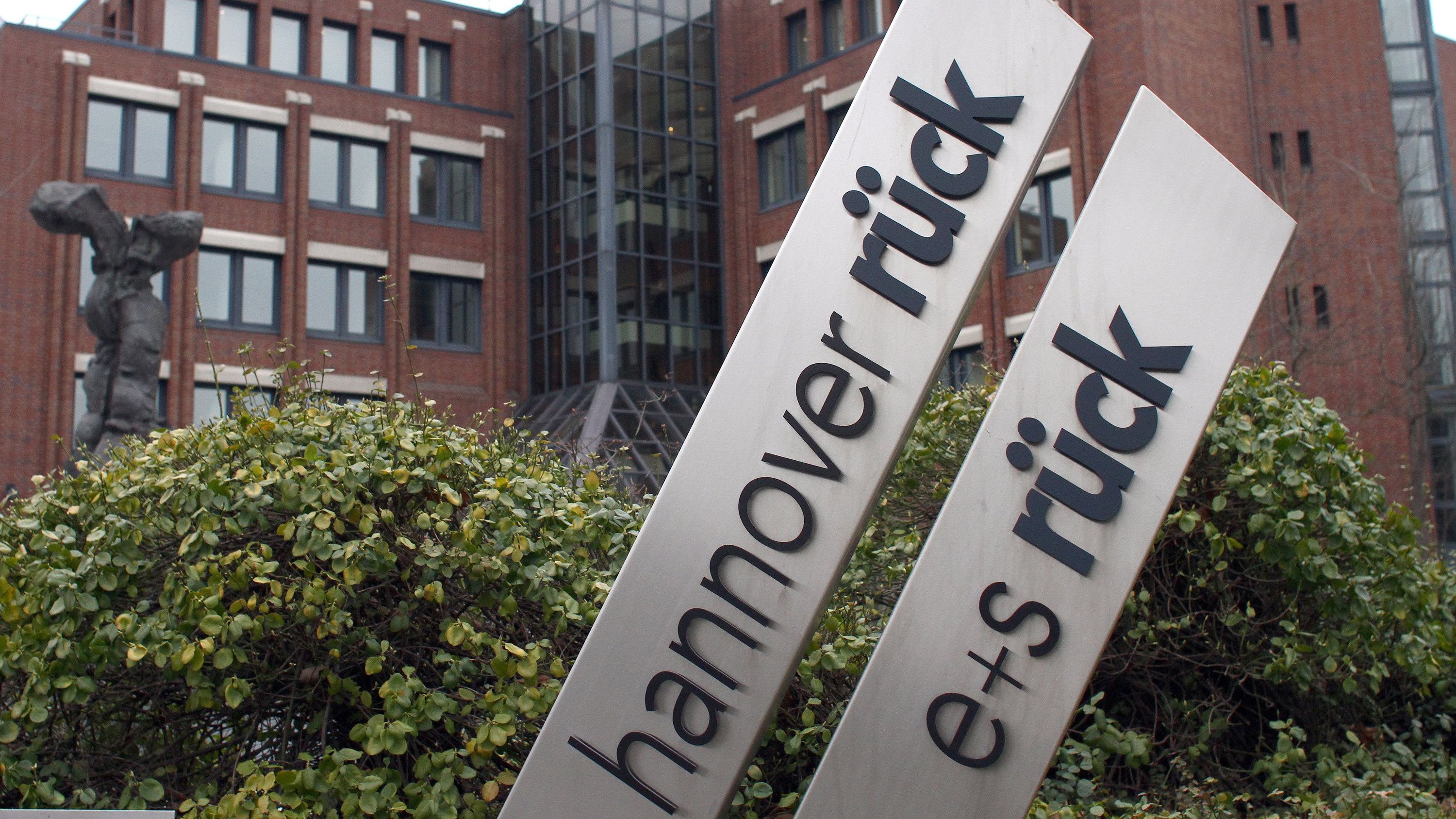
Hannover, Germany – Hannover Rueck, the world’s third-largest reinsurer, has announced a robust performance in the first half of the fiscal year, marked by a significant increase in net profit and a reaffirmation of its full-year earnings projections. The company reported a seven percent rise in net profit, reaching €1.4 billion, a testament to its strategic resilience and effective risk management in a dynamic global insurance market. This positive financial outcome stands in contrast to some of its peers, notably Munich Re, which has faced challenges including a reduced business volume and a revised earnings forecast.
Strong First-Half Performance Amidst Market Headwinds
The reinsurer’s strong financial results for the first six months of the year underscore its capacity to navigate market complexities. The reported net profit of €1.4 billion signifies a healthy increase, demonstrating the company’s ability to generate substantial returns even as the broader insurance sector experiences evolving economic conditions. In the second quarter alone, Hannover Rueck posted a profit of €695 million, a figure that slightly surpassed analyst expectations of €833 million from the previous year. This performance indicates a consistent upward trajectory and a solid operational foundation.
The company has firmly maintained its outlook for the entire fiscal year, targeting a net profit of at least €2.7 billion. Current analyst consensus projects earnings to reach approximately €2.77 billion, suggesting that Hannover Rueck is well-positioned to meet or exceed these projections. This confidence stems from a combination of factors, including prudent underwriting practices and a diversified business portfolio that can absorb sector-specific volatilities.
Strategic Growth in Treaty Renewals Despite Pricing Pressures
A key driver of Hannover Rueck’s success in the first half of the year has been its strategic approach to treaty renewals in the property and casualty (P&C) retrocession business. As of July 1st, the company successfully underwrote 12% more business during the renewal round. This expansion occurred even as market pricing in this segment experienced a decline, with risk-adjusted prices decreasing by 4.5 percent. This indicates Hannover Rueck’s ability to secure increased market share and volume through competitive offerings and a strong reputation for solvency and reliability, even when facing downward pricing trends.
The company’s ability to grow its business volume in a challenging pricing environment highlights its sophisticated risk assessment capabilities and its adeptness at identifying profitable opportunities. In the P&C retrocession market, where reinsurers provide coverage to primary insurers against large losses, pricing is a critical factor. While falling prices can compress margins, Hannover Rueck’s strategic decision to increase its underwriting volume suggests a belief in the long-term profitability of the acquired risks, potentially through superior underwriting expertise or diversification benefits.
Revenue Growth and Full-Year Outlook
Despite the challenging pricing environment impacting treaty renewals, Hannover Rueck’s overall revenue in its most significant segment saw a modest increase of 0.2 percent on a currency-adjusted basis during the first half of the year. This indicates a relatively stable top-line performance, with the growth in underwriting volume partially offsetting any potential negative impacts from price adjustments.
Looking ahead, the management board remains optimistic about achieving a growth of approximately five percent in total revenue for the full fiscal year. This projection is underpinned by the company’s robust operational performance, its strategic capacity to adapt to market fluctuations, and its ongoing commitment to disciplined underwriting. The projected revenue growth reflects confidence in the company’s ability to expand its market presence and capitalize on emerging opportunities across its various lines of business.

Comparative Market Performance: Hannover Rueck vs. Munich Re
Hannover Rueck’s strong performance provides a notable contrast to its larger competitor, Munich Re. The latter, a leading player in the global reinsurance market, has reported a less favorable business development, including a reduction in the volume of business underwritten. Furthermore, Munich Re has revised its revenue forecast downward, signaling a more cautious outlook for the remainder of the year.
This divergence in performance can be attributed to several factors, including differing strategic approaches to market challenges, variations in risk appetite, and the specific composition of their respective portfolios. While Munich Re’s decision to scale back its business and adjust its forecast might reflect a more conservative risk management strategy in response to perceived market uncertainties, Hannover Rueck’s approach suggests a greater willingness to pursue growth opportunities, backed by a strong capital position and confidence in its underwriting capabilities. The P&C retrocession market, in particular, is known for its cyclicality and sensitivity to large catastrophic events, which can significantly impact pricing and profitability. Hannover Rueck’s success in this environment indicates its adeptness at managing these cyclical dynamics.

Background and Context: The Reinsurance Landscape
Reinsurers play a critical role in the global financial system by providing insurance to insurance companies. They absorb a portion of the risk that primary insurers underwrite, thereby enabling them to offer coverage for a wider range of risks and to maintain financial stability. The reinsurance market is highly competitive and influenced by a multitude of factors, including:
- Catastrophe Events: Major natural disasters (hurricanes, earthquakes, floods) and man-made events (large industrial accidents, cyberattacks) can lead to significant claims and impact profitability. The frequency and severity of such events are closely monitored by reinsurers.
- Economic Conditions: Interest rates, inflation, and overall economic growth influence investment income and the cost of claims.
- Regulatory Environment: Reinsurance companies are subject to stringent regulatory oversight to ensure their solvency and ability to meet policyholder obligations.
- Underwriting Cycles: The market experiences periods of high pricing and abundant capacity (soft market) followed by periods of lower pricing and constrained capacity (hard market). Reinsurers must navigate these cycles effectively.
- Technological Advancements: Innovations in data analytics, artificial intelligence, and insurtech are transforming the industry, offering opportunities for efficiency gains and new product development, but also presenting challenges in terms of data security and evolving risk landscapes.
Hannover Rueck, as a significant player, operates within this complex and interconnected global ecosystem. Its ability to consistently deliver strong financial results speaks to its established expertise, robust capital base, and strategic agility. The company’s focus on P&C retrocession, while inherently volatile, also offers significant growth potential, particularly in markets where primary insurers are increasingly seeking to offload risk to manage their capital more efficiently.

Analysis of Implications: Stability and Future Growth
Hannover Rueck’s confident stance and strong first-half performance have several positive implications:
- Market Stability: The company’s consistent profitability and commitment to its targets contribute to overall stability in the reinsurance market, reassuring clients and investors alike.
- Investor Confidence: A strong financial report typically bolsters investor confidence, potentially leading to a positive impact on the company’s stock performance and its ability to access capital markets for future growth initiatives.
- Competitive Advantage: By outperforming some competitors, Hannover Rueck solidifies its position as a leading reinsurer, potentially attracting more business and talent.
- Strategic Validation: The company’s strategy of pursuing growth in treaty renewals, even amidst pricing pressures, appears to be validated by its financial results, suggesting a well-calibrated risk assessment and pricing model.
The P&C retrocession market, in particular, is crucial for global risk transfer. The ability of companies like Hannover Rueck to maintain profitability and grow their business in this segment is vital for the resilience of the broader insurance industry, enabling it to respond effectively to large-scale events and support economic development worldwide. The company’s success also highlights the ongoing importance of specialized expertise in navigating complex risk landscapes, a core competency for any leading reinsurer.

Looking Ahead: Sustaining Momentum
As Hannover Rueck moves into the second half of the fiscal year, its focus will likely remain on disciplined underwriting, efficient capital management, and strategic growth initiatives. The company’s ability to maintain its profitability and achieve its full-year targets will be closely watched by industry observers and investors. Its performance serves as a significant benchmark in the global reinsurance sector, demonstrating the resilience and strategic acumen required to thrive in an ever-evolving financial environment. The ongoing commitment to innovation and adaptation will be key to sustaining its strong market position in the years to come.