Ena Muazin
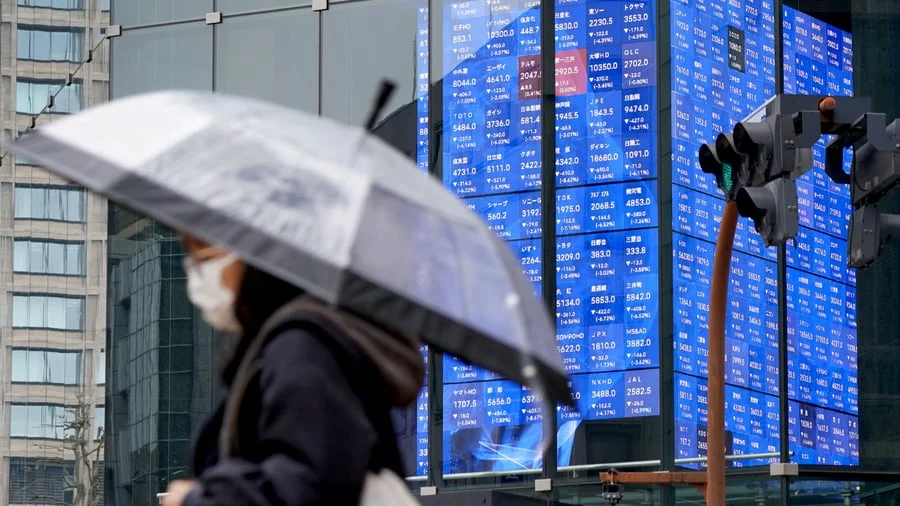
Global financial markets continued their downward trajectory this Friday, with both stock and bond indices extending their losses. The persistent oil price shock, fueled by escalating geopolitical tensions in the Middle East, is casting a long shadow over economic stability, pushing even gold prices under pressure. This interconnected web of factors is creating significant uncertainty for investors worldwide.
The Middle East Conflict: A Deepening Crisis
The current instability in the Middle East is directly linked to a significant escalation of conflict, prompting a rapid reassessment of global risk. While specific details of the latest attacks and retaliatory actions remain fluid, the recurring pattern of strikes on oil and gas infrastructure in the Gulf states has created a palpable sense of apprehension among market participants. This heightened geopolitical risk has led investors to abandon riskier assets, seeking refuge in safer havens, though even traditionally stable assets like gold are experiencing declines.
The ongoing "Iran war," as it is being colloquially referred to, has become a central driver of market sentiment. The implications of this conflict extend far beyond regional stability, directly impacting global energy supplies and, consequently, inflation rates and economic growth prospects across the globe.
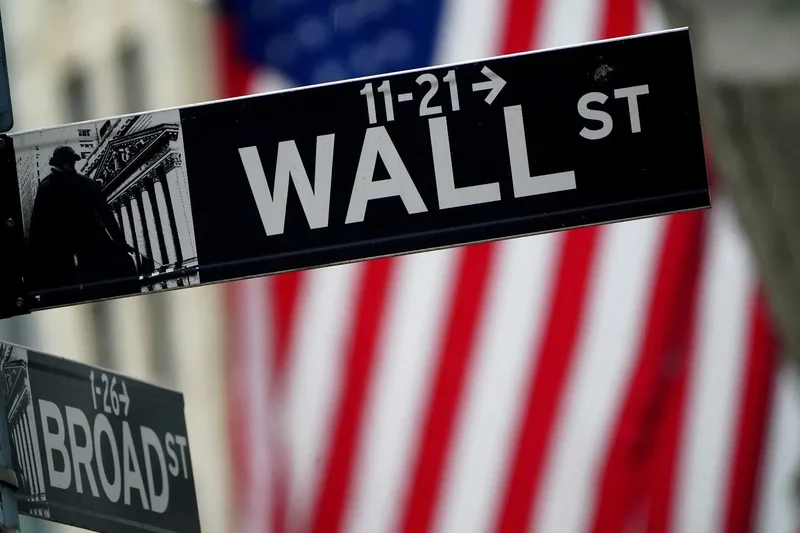
Impact on Major Indices
The repercussions of this geopolitical instability are vividly reflected in the performance of key global stock market indices. The US equity markets, often seen as a barometer of global economic health, have experienced significant downturns.
- S&P 500: Since the onset of the conflict, the broad-market S&P 500 index has fallen by approximately 5.4 percent. This decline indicates a widespread sell-off across various sectors of the US economy.
- Nasdaq Composite: The technology-heavy Nasdaq Composite, which is often more sensitive to economic shifts, has seen a decline of 4.5 percent. This suggests that investors are reducing their exposure to growth-oriented companies amid the uncertainty.
- Dow Jones Industrial Average: The Dow Jones Industrial Average, a blue-chip index comprising 30 large, well-established companies, has experienced the steepest decline, falling by nearly seven percent. This significant drop underscores the broad-based impact of the geopolitical crisis on major American corporations.
Oil Prices Surge, Gold Under Pressure
The direct consequence of the escalating conflict has been a surge in oil prices. The price of Brent crude, a global benchmark for oil, is hovering near the $111 per barrel mark. This sustained high level of oil prices exacerbates inflation concerns, as energy costs are a fundamental component of consumer and business expenses.
Ironically, even gold, typically considered a safe-haven asset during times of geopolitical turmoil, has come under pressure. This unusual market behavior could indicate a broader investor sentiment of capitulation, where even traditional safe assets are being sold off in a desperate search for liquidity or as a reaction to the pervasive nature of the current economic headwinds.
Market Reactions and Investor Sentiment
The financial markets’ response to the escalating Middle East conflict has been swift and decisive. The prevailing sentiment among investors has shifted towards risk aversion, leading to significant sell-offs across various asset classes.

A Timeline of Market Downturns
The current market slump can be traced back to the initial escalation of the conflict. While specific dates of initial attacks and retaliatory actions are part of an evolving situation, the trend of increasing tensions has been a consistent factor influencing market sentiment over recent weeks.
- Early Stages: Initial reports of conflict in the Middle East triggered a cautious sell-off, with investors monitoring the situation closely.
- Escalation: As the conflict intensified and reports of attacks on energy infrastructure emerged, market volatility increased, and the downward trend in stock markets became more pronounced.
- Current Week: The past week has seen a continuation and intensification of these losses. While there were brief periods of technical rebounds, such as on Thursday when US markets managed to reduce earlier losses and close only slightly down, the overall trend remains negative. This brief respite was attributed to investors re-evaluating their positions, but the underlying concerns about inflation and growth have persisted.
The Inflationary Spiral Fear
A primary driver of the current market sell-off is the fear of an escalating inflationary spiral. The surge in oil and gas prices directly contributes to higher costs for transportation, manufacturing, and energy consumption. This can lead to:

- Increased Consumer Prices: Businesses pass on higher energy costs to consumers, leading to a rise in the prices of goods and services.
- Reduced Consumer Spending: Higher prices can erode consumer purchasing power, leading to a slowdown in consumer spending, a critical component of economic growth.
- Central Bank Intervention: To combat inflation, central banks may be forced to implement more aggressive monetary policy tightening, such as raising interest rates. This can further dampen economic activity and negatively impact asset prices.
Broader Economic Implications and Analysis
The current market turmoil has far-reaching implications for the global economy. The confluence of geopolitical instability, surging energy prices, and rising inflation presents a complex challenge for policymakers and businesses alike.
The Impact on European Markets and Economies
While the article focuses on US markets, the impact of the Middle East crisis is global. European markets are also feeling the strain. The reliance of many European economies on imported energy makes them particularly vulnerable to oil price shocks. The European Central Bank (ECB) faces a delicate balancing act: it must address inflationary pressures without stifling fragile economic growth.

Policy Responses and Government Interventions
Governments and central banks are grappling with how to respond to the multifaceted crisis. The article mentions that European governments are considering measures to counteract the effects of the energy price shock. This could include:
- Energy Subsidies: Direct financial support to consumers and businesses to mitigate the impact of high energy bills.
- Strategic Reserve Releases: Governments might consider releasing oil from strategic reserves to increase supply and moderate prices.
- Diversification of Energy Sources: A renewed push towards alternative and renewable energy sources to reduce dependence on volatile fossil fuel markets.
- Monetary Policy Adjustments: Central banks are closely watching inflation data and may adjust interest rate policies accordingly. However, the risk of triggering a recession through overly aggressive tightening is a significant concern.
The Role of Inflation in Investor Decisions
The specter of inflation is a dominant factor influencing investor behavior. As the cost of living and doing business rises, the real return on investments diminishes. This has led many investors to:

- Sell Equities: Companies facing higher input costs and potentially lower consumer demand are less attractive investments.
- Liquidate Bonds: Rising inflation can erode the value of fixed-income investments, especially if central banks raise interest rates, causing bond prices to fall.
- Seek Real Assets: In such an environment, investors might traditionally seek real assets like real estate or commodities that are perceived to hold their value better during inflationary periods. However, the current market dynamics, with gold also under pressure, suggest a more complex and perhaps even fearful investor psychology at play.
Looking Ahead: Uncertainty and Risk
The outlook for global financial markets remains highly uncertain. The duration and intensity of the Middle East conflict, coupled with the evolving inflationary landscape, will be critical determinants of future market performance.
The article highlights the persistent fear of the war in the Middle East fueling inflation and hindering growth. This concern is well-founded, as energy prices are a foundational element of the global economy. The interconnectedness of these factors means that any significant shift in the geopolitical landscape or energy markets will likely have ripple effects across all asset classes.

Investors are closely monitoring developments in the Middle East and the policy responses from governments and central banks. The ability of these institutions to effectively manage the intertwined challenges of geopolitical risk, energy security, and inflation will be crucial in restoring confidence and stabilizing financial markets. The current market sentiment suggests a cautious approach, with a strong emphasis on risk mitigation, as global markets navigate this period of significant upheaval.