Gilang Muhammad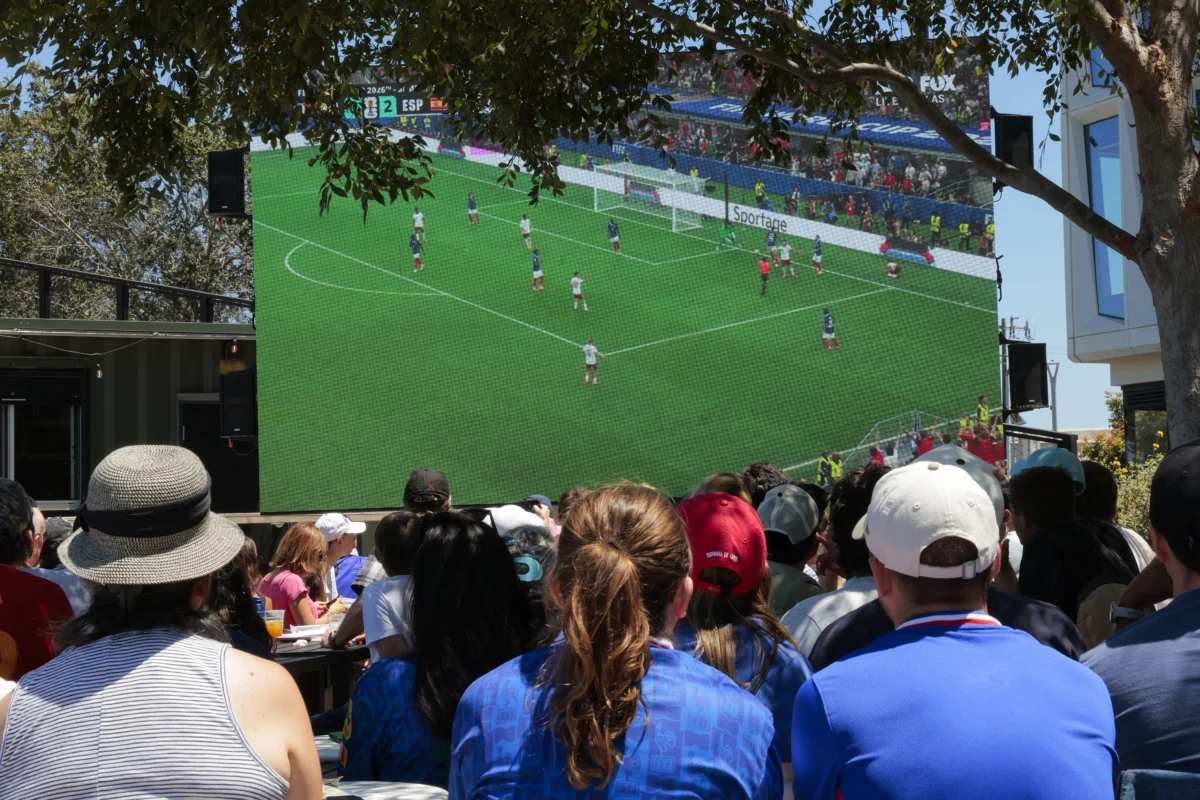
The FIFA World Cup 2026, co-hosted by the United States, was anticipated to deliver a substantial economic windfall to its host cities, yet a comprehensive report released Wednesday by the Federal Reserve indicates that while the global soccer spectacle provided a significant tourism boost in specific locales, its broader positive impact was notably tempered by prevailing economic weaknesses across the nation. This nuanced assessment, derived from the latest edition of the Fed’s Beige Book, offers a granular look at regional economic conditions, revealing a mixed bag of fortunes for businesses and consumers during one of the world’s most watched sporting events.
The Promise vs. Reality: A Mixed Economic Picture
The FIFA World Cup, a quadrennial tournament, traditionally serves as a powerful magnet for international tourism, injecting billions into local economies through spectator spending on accommodation, dining, merchandise, and transportation. The 2026 edition, spread across multiple U.S. cities, alongside venues in Canada and Mexico, was expected to be no different. With median admission prices for matches soaring to over $900, according to data from TicketData, initial projections painted a picture of robust demand and economic stimulation. Photographs from vibrant watch parties, such as the one at China Basin Park in San Francisco for the Spain-France semifinal on July 14, 2026, and enthusiastic fans reacting at Lion Sports Bar in Philadelphia for a France-Paraguay match on July 4, 2026, underscored the palpable excitement. Similarly, images of on-field action, like Folarin Balogun of the United States taking a shot against Belgium in Seattle on July 6, 2026, highlighted the sporting fervor that gripped the nation.
However, the Federal Reserve’s Beige Book, a crucial summary of economic conditions across its twelve districts, compiled eight times a year based on interviews with business contacts, economists, and market experts, presented a more complex reality. While the tournament undeniably drew crowds and boosted specific sectors in host cities, it largely failed to act as a catalyst for widespread, sustained economic growth. The report’s findings suggest that underlying economic challenges, including rising inflation and shifting consumer spending patterns, significantly mitigated the anticipated broad-based benefits.
Understanding the Beige Book’s Insights: A Regional Breakdown
The Beige Book serves as an anecdotal complement to hard economic data, offering qualitative insights into the nation’s economic pulse. Its latest release meticulously documented the varied experiences of different regions affected by the World Cup.
New England’s Experience: Initial Softness and Price Adjustments
The Boston Federal Reserve district, encompassing states like Massachusetts, Maine, and Vermont, reported a dynamic interplay of expectations and realities. Initially, hotel bookings related to the World Cup were softer than projected. This initial hesitancy might be attributed to various factors, including the high expectations set by tourism boards, potentially leading to inflated early pricing, or perhaps a segment of international travelers adopting a wait-and-see approach. However, as the tournament progressed, hotels adapted by strategically lowering room prices, which subsequently saw occupancy levels rebound to meet initial forecasts. This suggests a price sensitivity among travelers, even for a marquee event like the World Cup, and highlights the responsiveness of the hospitality sector.
Beyond accommodation, the social hubs of Boston, particularly its bars and pubs, experienced a surge in activity directly attributable to the tournament. Proprietors reported significantly higher beer sales, with some establishments facing an unexpected, albeit welcome, challenge: running out of popular brews. This phenomenon was particularly acute when large contingents of Scottish fans, known for their enthusiastic support and camaraderie, descended upon the city, demonstrating the immediate and concentrated economic impact that specific fan bases can generate.
Despite these localized boosts, the Boston Fed’s report noted a broader regional concern regarding overall tourism. While the region did observe an increase in visitors from Canada compared to the previous summer, these levels remained substantially below historical averages. This trend disproportionately affected traditional tourist destinations in coastal Maine and northern Vermont, which typically rely heavily on cross-border Canadian tourism. The decline signals a persistent shift in travel patterns, impacting regions not directly hosting matches.
New York City: A Tale of Two Economies
Further south, the New York Federal Reserve district painted a picture of contrasts within the bustling metropolis. Restaurants and bars in specific areas of New York City, particularly those near designated fan zones or popular viewing venues, reported "strong" sales performance, directly attributing this success to match-viewing events and the influx of soccer enthusiasts. The city’s iconic status and robust entertainment infrastructure made it a natural magnet for both local and visiting fans eager to soak in the World Cup atmosphere. Hotel occupancy rates in New York City also saw an uptick, accompanied by higher average prices per room, reflecting increased demand during the tournament period.
However, this positive trend was not universal. Other eateries across the city noted a concerning decrease in international visitors, with Canadian foot traffic specifically cited as being down. This mirrors the observations from the Boston Fed, pointing to a broader trend impacting Canadian travel to the U.S. Furthermore, the New York Fed reported softness in some mid-tier attractions, suggesting that while high-profile events like the World Cup can boost certain sectors, they might not uniformly lift all segments of the tourism and entertainment industries. Even department stores, despite observing an increase in foot traffic from tournament-related visitors, did not translate this into higher sales, indicating that many visitors were perhaps more focused on the matches and peripheral entertainment rather than extensive retail therapy.

The Northern Border’s Chill: A Political Undercurrent
The consistent decline in Canadian visitors across multiple U.S. regions, particularly New England and New York, points to a significant geopolitical factor. The Canadian government has officially reported fewer citizens crossing the U.S. border following President Donald Trump’s rollout of specific tariff policies and repeated statements perceived as "sovereignty threats." These policies, which in previous years included Section 232 tariffs on steel and aluminum imports from Canada and other trade disputes, coupled with rhetoric surrounding border security and trade imbalances, have evidently fostered a climate of apprehension and disincentivized cross-border travel for many Canadians. This decline is part of a broader, more deliberate push among residents of "the Great White North" to prioritize spending on services and products within their own country, fostering domestic economic growth and expressing national solidarity. This trend represents a substantial deviation from historical norms, where the U.S. border was often considered the world’s longest undefended border, facilitating easy movement and robust economic exchange.
West Coast’s High Hopes and Local Contractions
On the opposite side of the continent, the San Francisco Federal Reserve district, which includes several major World Cup host cities, also experienced a dichotomous economic impact. Tourist volumes in cities directly hosting matches, such as San Francisco and Seattle, were indeed high, fulfilling many of the optimistic projections for visitor numbers. The vibrant atmosphere of watch parties and match days undoubtedly created a festive and economically active environment in these specific urban centers.
However, the report highlighted a critical caveat: in other markets within the San Francisco Fed’s vast coverage region, local residents paradoxically pulled back their spending on restaurants, hotels, and entertainment. This phenomenon, often referred to as a "crowding out" effect or a shift in discretionary spending, suggests that while visitors flocked to World Cup events, local populations might have either avoided crowded areas, deferred their usual leisure spending, or redirected their budgets to accommodate other rising costs. Overall, the San Francisco Fed concluded that demand for consumer and business services "slowed somewhat on net," indicating that the World Cup’s positive effects were localized and did not necessarily translate into a net increase in regional economic activity.
Broader Economic Headwinds: Consumer Spending Under Pressure
The Federal Reserve’s comprehensive analysis across all districts underscored a pervasive theme: growth in overall consumer spending was significantly capped by broader economic pressures. A primary culprit identified in the report was the persistent rise in oil prices. Elevated fuel costs act as a regressive tax, disproportionately affecting household budgets and forcing consumers to make difficult choices about their discretionary spending. Several regions observed a tangible shift in consumer behavior, with individuals actively seeking cheaper alternatives for products and services or, more broadly, decreasing their discretionary spending to conserve money and manage rising living costs.
This overarching trend of consumer caution and budget-consciousness provides a crucial context for understanding the World Cup’s uneven economic impact. Even with a globally celebrated event drawing millions of eyeballs and significant tourism, the underlying economic conditions—inflationary pressures, higher energy costs, and a general tightening of household budgets—meant that the anticipated economic stimulus could not overcome these systemic headwinds. Businesses, while appreciating the World Cup-related boost, simultaneously grappled with customers cutting back elsewhere, leading to a net effect that was far from uniformly positive.
Implications for Future Mega-Events and Economic Policy
The Federal Reserve’s Beige Book report on the FIFA World Cup 2026 offers valuable insights for urban planners, policymakers, and organizers of future mega-events. While the allure of hosting such global spectacles remains strong, promising prestige and economic uplift, the report emphasizes the importance of tempering expectations with a realistic assessment of prevailing economic conditions.
Firstly, the experience of the World Cup 2026 highlights the potential for a localized, rather than universal, economic boom. Host cities might see significant activity, but peripheral regions or non-directly related sectors could experience stagnation or even decline due to shifting consumer patterns or external factors. This suggests a need for more targeted economic strategies that go beyond simply attracting visitors to match venues, focusing on ensuring a broader distribution of benefits.
Secondly, the impact of geopolitical factors, as seen with the decline in Canadian tourism, cannot be underestimated. Trade policies, diplomatic rhetoric, and international relations can have tangible effects on cross-border travel and spending, significantly influencing the overall economic success of international events. Future planning must account for these complex dynamics and consider strategies to mitigate potential negative impacts from such external pressures.
Finally, the report serves as a stark reminder that even the most anticipated events cannot fully insulate an economy from fundamental challenges like inflation and rising energy costs. Consumer behavior, driven by personal financial constraints, ultimately dictates the depth and breadth of economic activity. For policymakers, this reinforces the ongoing need to address macroeconomic stability, control inflation, and support consumer purchasing power, as these foundational elements ultimately determine the success of any economic stimulus, whether from a major sporting event or other initiatives.
In conclusion, while the FIFA World Cup 2026 brought moments of intense excitement and localized prosperity, the Federal Reserve’s analysis provides a sobering, nuanced perspective. It underscores that even the global appeal of soccer’s premier tournament is subject to the complex interplay of regional dynamics, international relations, and prevailing economic headwinds, resulting in an economic legacy that is, at best, a mixed and uneven success story.