Gilang Muhammad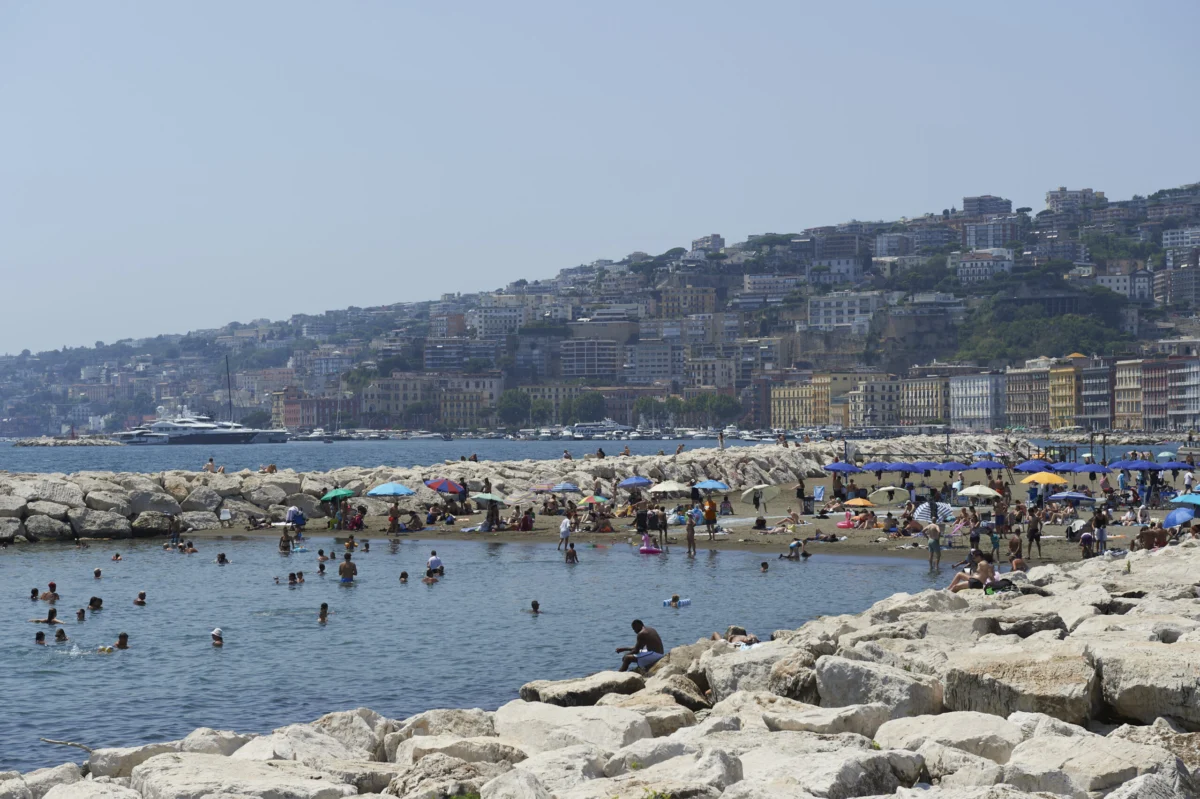
Eurozone headline inflation has unexpectedly rebounded, surging to 3.3% in August from 2.9% in July, marking its highest level since September 2024. This unwelcome acceleration, primarily driven by escalating energy prices, places renewed pressure on the European Central Bank (ECB) to continue its aggressive monetary tightening campaign, with markets now pricing in a near-certain interest rate hike at its upcoming meeting. The confluence of geopolitical instability, particularly the ongoing conflict involving Iran and its impact on vital shipping lanes, and persistent disruptions in the natural gas market, has ignited fears of a prolonged period of elevated living costs and a potential economic slowdown across the 20-nation bloc.
The flash estimate, released by Eurostat on Tuesday, revealed a significant jump in energy inflation, which accelerated to 14.3% in August from 10.3% the previous month. This sharp increase overshadows a slight dip in core inflation, which excludes the volatile components of energy, food, alcohol, and tobacco, easing marginally to 2.4% from 2.5%. While the core figure offers a glimmer of hope that underlying price pressures might be moderating, the sheer force of energy price increases underscores the Eurozone’s vulnerability as a net importer of energy, leaving households and businesses bracing for a challenging autumn and winter.
The Geopolitical Roots: Iran Conflict and Energy Supply Shocks
The primary catalyst for this latest inflationary spike is the escalating conflict involving Iran and its direct repercussions on global energy markets. Since its intensification in late 2023, the conflict has steadily eroded stability in the Middle East, a region critical for global oil and gas supplies. The most significant economic consequence has been the intermittent blockage and severe disruption of shipping through the Strait of Hormuz. This narrow waterway, nestled between Iran and Oman, is a chokepoint through which approximately 20% of the world’s total petroleum liquids consumption, and a substantial portion of global liquefied natural gas (LNG), transits daily.
The imposition of blockades and the heightened risk of maritime incidents in the Strait of Hormuz have sent crude oil and refined product prices spiralling upwards. Shipping costs have soared due to increased insurance premiums and rerouting efforts, adding layers of expense to an already strained supply chain. Brent Crude, the international benchmark, briefly touched $120 a barrel in early August, a level not seen since the initial shocks of the wider global energy crisis in 2022. This surge directly translates into higher prices at the pump for consumers and increased operational costs for industries across Europe.
Compounding this crisis, Europe has been particularly impacted by sustained disruptions in the natural gas market. While partially linked to the broader geopolitical instability, these disruptions also stem from a complex interplay of reduced pipeline flows from traditional suppliers, exacerbated by geopolitical tensions, and increased competition for global LNG cargoes. The benchmark Dutch TTF natural gas futures contract, a key indicator for European wholesale gas prices, has seen volatile spikes, reaching over €80 per megawatt-hour in August, a significant uptick from earlier summer lows. This environment has prompted concerns about the adequacy of gas storage levels ahead of the colder months, despite concerted efforts by EU member states to replenish reserves. The combination of these factors creates a formidable challenge for an energy-intensive continent still reeling from the energy crisis of the preceding years.
A Chronology of Economic and Geopolitical Turbulence
The current inflationary landscape in the Eurozone is the culmination of several years of unprecedented economic and geopolitical turbulence.
- Early 2022: The initial surge in global energy and commodity prices, exacerbated by the conflict in Ukraine, began to manifest as significant inflationary pressures across Europe.
- Mid-2022 – Early 2023: Eurozone inflation peaked at over 10% in late 2022, prompting the ECB to embark on a rapid and aggressive interest rate hiking cycle, beginning in July 2022.
- Late 2023: After a period of easing inflation, the geopolitical situation in the Middle East began to deteriorate sharply. The onset of the "Iran conflict" – a complex and multifaceted regional confrontation – started to directly threaten key shipping lanes and oil infrastructure. This marked a renewed upward pressure on energy prices.
- Early 2024: As the Iran conflict intensified, global crude oil prices began a steady ascent, breaking through key psychological barriers. The Eurozone briefly saw inflation re-accelerate, reaching 3.5% in September 2024, before a temporary moderation in early 2025 due to a global economic slowdown.
- Mid-2025 – Early 2026: A period of relative calm in inflation figures saw the ECB pause its rate hikes, holding its key rate steady at 2.0% as the Eurozone economy showed tentative signs of recovery. However, underlying energy market vulnerabilities persisted.
- June 2026: Reacting to renewed signs of global inflationary pressures, particularly from the resurfacing energy price concerns linked to the persistent Iran conflict, the ECB raised its key interest rate for the first time since 2023, increasing it to 2.25%. This move signalled the central bank’s commitment to its price stability mandate, even amid a fragile economic recovery.
- July 2026: Eurozone headline inflation unexpectedly edged up to 2.9%, hinting at the brewing pressures.
- August 2026: The flash estimate confirms the significant acceleration to 3.3%, driven by the pronounced rise in energy costs. This data was released on a Tuesday, setting the stage for the ECB’s crucial Governing Council meeting on September 10, where markets are now overwhelmingly anticipating another rate hike.
Diving Deeper into Economic Indicators
While energy prices dominate the headline, a closer look at other components of the inflation basket provides a more nuanced picture of the Eurozone’s economic health. Food, alcohol, and tobacco inflation, though not explicitly detailed in the flash estimate, are expected to remain elevated, likely hovering around 6-7% in August, as higher energy costs filter into agricultural production, processing, and transportation. Services inflation, a key indicator of domestic demand and wage pressures, has shown resilience, estimated at 3.9% in August, marginally down from 4.0% in July. This persistent stickiness in services suggests that while core inflation may have dipped, underlying domestic price pressures remain a concern for policymakers. Non-energy industrial goods inflation also continues to contribute, albeit at a slower pace, estimated at 2.1% in August, down from 2.3% in July, reflecting some normalisation of global supply chains outside of energy.
The broader economic landscape of the Eurozone reflects growing apprehension. Recent Gross Domestic Product (GDP) growth figures indicate a sluggish expansion of just 0.1% quarter-on-quarter in Q2 2026, teetering on the brink of recession. Unemployment, while historically low at around 6.5%, could face upward pressure as businesses contend with higher financing and operational costs. Consumer confidence surveys released in late August painted a bleak picture, with sentiment indicators falling to their lowest levels in six months, as households grapple with the dual burden of rising prices and increasing borrowing costs. Similarly, business sentiment, particularly within the manufacturing sector, has deteriorated, with purchasing managers’ indices (PMIs) signalling contraction in several key Eurozone economies. This environment of low growth and high inflation, often referred to as stagflationary pressures, presents a significant policy challenge.
The European Central Bank’s Tightrope Walk
The latest inflation figures have solidified market expectations for a robust response from the European Central Bank. According to LSEG data on Tuesday morning, traders are now placing a 98.9% probability on a 25 basis point increase in the ECB’s key interest rate at its Governing Council meeting on September 10, which would bring the main refinancing rate to 2.5%. This aggressive stance underscores the ECB’s unwavering commitment to its primary mandate of price stability, aiming to bring inflation back to its 2% target over the medium term.
However, the path ahead for the ECB is fraught with peril. As Joe Nellis, head of economic research at MHA, aptly commented, "The ECB faces a dilemma: a trade-off between higher interest rates and economic cost." The central bank will be acutely aware of the risk that short-term inflation pressures, particularly from energy, could become structural, feeding into wage demands and broadly impacting services inflation. If workers demand higher wages to offset rising living costs, a wage-price spiral could ensue, making inflation much harder to tame.
ECB President Christine Lagarde, while not commenting directly on the August flash estimate, has consistently reiterated the bank’s data-dependent approach and its resolve to act decisively against persistent inflation. "We will do what is necessary to return inflation to our 2% target in a timely manner," she stated in a recent address, "but we are also mindful of the impact of our policies on the broader economy and the livelihoods of European citizens." This statement encapsulates the delicate balancing act facing the Governing Council: tightening monetary policy sufficiently to curb inflation without inadvertently tipping the already fragile Eurozone economy into a deep recession. Some dissenting voices within the Governing Council, particularly from countries facing higher debt burdens, have reportedly expressed concerns about the cumulative impact of aggressive rate hikes on economic growth and financial stability.
Ripple Effects Across the Eurozone Economy
The consequences of persistently high inflation and rising interest rates are far-reaching, touching every corner of the Eurozone economy.
Households Under Pressure: Heavily indebted households, especially those with variable-rate mortgages, are already feeling the pinch of increased borrowing costs. The average monthly mortgage payment in several Eurozone countries has reportedly risen by 15-20% over the past year. Coupled with the soaring cost of essentials like food and energy, disposable incomes are being severely squeezed. Consumer spending, a vital engine for economic growth, is expected to contract further as households prioritise necessities. Even leisure activities, such as holiday travel or dining out, are becoming increasingly unaffordable for many. The image of people sunbathing and swimming during an "African heatwave" in Naples on August 4, 2026, while seemingly innocuous, serves as a stark reminder of the dual challenge of climate change and energy demand; increased reliance on air conditioning during extreme weather events further strains electricity grids and adds to household utility bills, exacerbating the cost-of-living crisis.
Businesses Grapple with Rising Costs: For businesses, particularly Small and Medium-sized Enterprises (SMEs) which form the backbone of the European economy, another increase in financing costs could be devastating. "For SMEs in particular, another increase in financing costs could mean investment plans being indefinitely postponed or abandoned altogether," Nellis warned. Higher interest rates make it more expensive to borrow for expansion, innovation, or even day-to-day operations. This translates into reduced competitiveness, slower job creation, and a potential wave of corporate insolvencies. Supply chain vulnerabilities, already exposed during the pandemic, are again under strain due to elevated energy and transportation costs, forcing businesses to absorb higher expenses or pass them on to consumers, further fuelling inflation.
Housing Market Cooling: The cumulative effect of rising interest rates is already evident in the Eurozone housing market. After years of booming prices, demand is now cooling rapidly. Mortgage approvals are down, and property transactions have slowed significantly. Analysts are predicting a period of price corrections, particularly in previously overheated markets, as affordability deteriorates for prospective buyers and investors face higher financing burdens. While a controlled correction might be healthy, a sharp downturn could pose risks to financial stability, especially for banks heavily exposed to real estate.
Fiscal Challenges for Governments: National governments across the Eurozone also face a difficult balancing act. High inflation increases the cost of public services and places pressure on governments to introduce support packages or subsidies for vulnerable households and businesses. However, rising interest rates simultaneously increase the cost of servicing public debt, which for many Eurozone countries, remains elevated from the pandemic era. This fiscal squeeze limits governments’ room for manoeuvre, potentially leading to difficult choices between supporting citizens and maintaining fiscal discipline.
The Path Ahead: Risks and Outlook
The outlook for the Eurozone economy remains clouded by significant uncertainty. The immediate future hinges critically on the evolution of the Iran conflict and its impact on global energy supplies. Any further escalation or prolonged disruption in the Strait of Hormuz could send energy prices even higher, making the ECB’s inflation-fighting task exponentially more difficult. The risk of stagflation – a period of high inflation coupled with low or negative economic growth – is a tangible threat that policymakers are desperately trying to avert.
In the long term, Europe’s energy security strategy will be paramount. Accelerated investment in renewable energy sources, diversification of natural gas suppliers, and improvements in energy efficiency are critical to reducing the continent’s vulnerability to geopolitical shocks. However, these are long-term solutions that will not provide immediate relief from the current crisis.
The European Central Bank, alongside national governments and EU institutions, faces a monumental challenge. Navigating the treacherous waters of geopolitical conflict, energy supply shocks, and persistent inflation, while attempting to steer the Eurozone economy towards sustainable growth, will require deft policy-making and potentially painful trade-offs. The September 10 ECB meeting will be a crucial indicator of the central bank’s resolve and its assessment of the economic path ahead for the 20-nation bloc.