Gilang Muhammad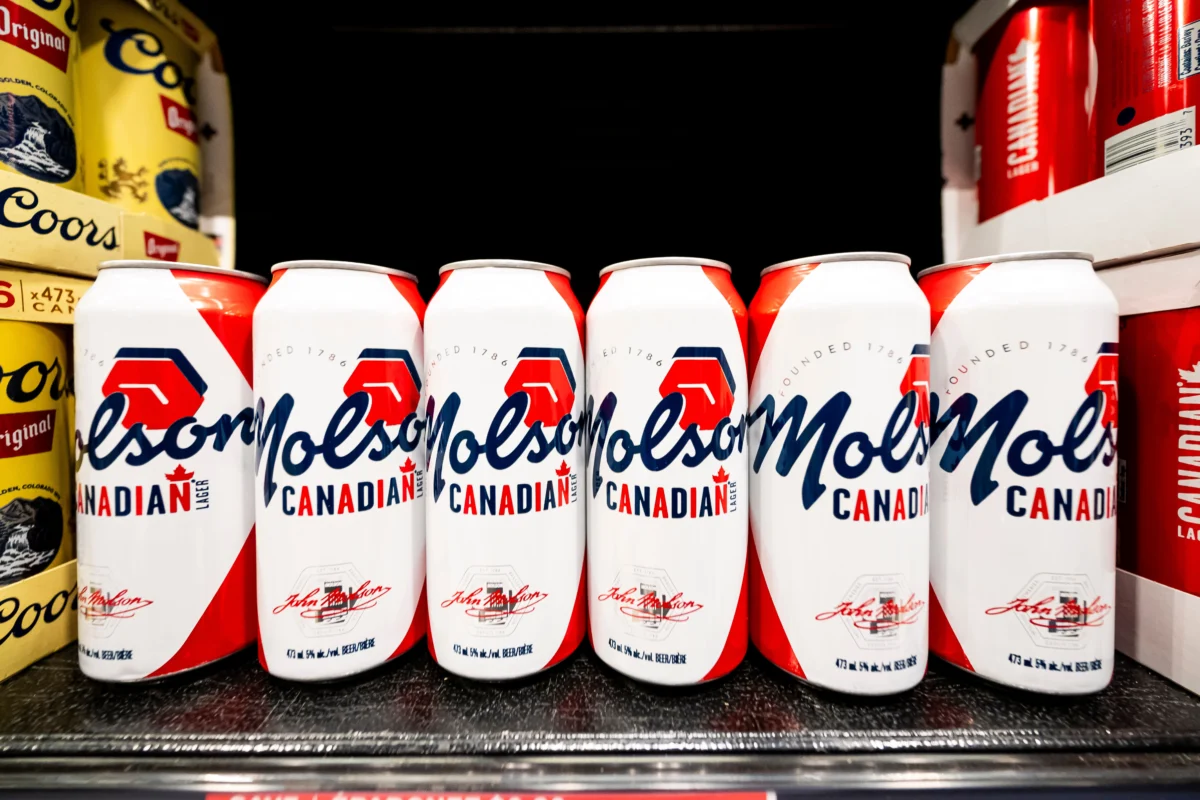
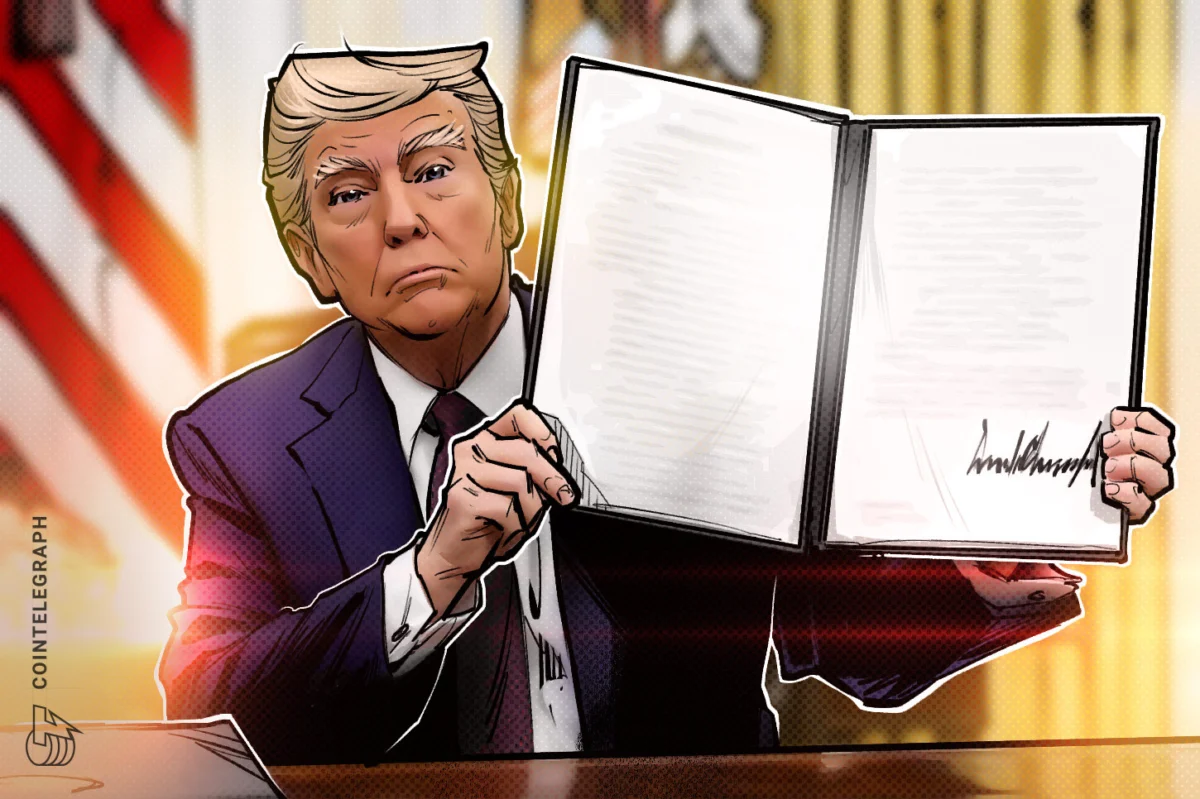
The White House has announced a significant escalation in its trade dispute with Ottawa, imposing comprehensive bans on Canadian motorbikes, non-alcoholic beer, a wide array of alcoholic beverages, whey products, and molasses, effective later this month. This decisive move, detailed in executive orders signed by U.S. President Donald Trump on Tuesday, marks a deepening rift in diplomatic and trade relations between the two historically close allies. The import restrictions, which largely supersede previous 50% tariffs, are slated to take effect on September 29, 2026, targeting an extensive list of goods including malt beer, wines, cider, whiskies, vodka, other spirits, and larger-capacity motorcycles and mopeds.
This latest round of restrictions comes amidst a contentious period of tit-for-tat trade measures. Concurrently, the U.S. Trade Representative’s office revealed modifications and extensions to existing tariffs on other Canadian products, effective September 15, 2026. Notably, all-terrain vehicles and animal hides have been added to the tariff list, while rock salt and cement have been removed. U.S. Trade Representative Jamieson Greer characterized these actions as a "natural consequence of Canada’s continued discriminatory treatment of crucial American exports," underscoring the administration’s resolve to address perceived trade imbalances.
A Chronology of Escalation: The Trade War Unfolds
The current state of heightened tension is the culmination of a series of escalating actions and retaliations that have defined the U.S.-Canada trade relationship over the past two years. What began as targeted disputes in specific sectors has metastasized into a broader economic confrontation.

- Early Tensions (Pre-2026): While the most significant escalations are dated to 2026, underlying tensions, particularly concerning alcohol, have simmered for longer. Reports indicate that U.S. spirits exports to Canada had already seen a precipitous decline of over 70% year-on-year from March 2025 through December 2025, following earlier retaliatory measures and provincial boycotts. This suggests that certain provincial actions or informal trade barriers were already impacting specific U.S. industries prior to the federal-level tariff announcements.
- July 20, 2026: Initial U.S. Tariffs: The U.S. initiated the current phase of the dispute by imposing 50% duties on various Canadian goods, including hockey sticks, wine, and other products. These tariffs were justified by Washington as a response to Ottawa’s alleged trade discrimination, particularly in the auto, alcohol, and dairy sectors.
- August 22, 2026: Trade Talks Collapse and Tariffs Take Effect: Hours after a crucial round of trade talks between the two nations broke down without resolution, the initial U.S. tariffs officially came into effect. Both sides blamed each other for the failure to reach a deal, hardening their respective stances. President Trump reiterated threats to impose a 50% tariff on Canadian cars, trucks, and auto parts starting January 1, 2027, a move that would represent a seismic shift in continental supply chains.
- August 2026: Provincial Retaliation: In a significant provincial-level response, Saskatchewan Premier Scott Moe announced a 50% tariff on American imports of alcohol. This measure was explicitly framed as a "reciprocal measure" aimed at supporting local businesses and pressuring for a "fair and balanced trade resolution," demonstrating a unified Canadian front against U.S. trade policies. Stores in several other Canadian provinces also removed U.S. alcohol from their shelves, and public campaigns advocated for boycotts of American goods.
- September 8, 2026: Canada’s Counter-Tariffs: Canada officially implemented its own "dollar for dollar" retaliatory tariffs on CAD $27.6 billion (approximately USD $20 billion) worth of U.S. imports. These tariffs targeted a broad spectrum of over 700 goods, including steel, dairy products, farm equipment, pulp and paper, and electronics, signaling Canada’s readiness to absorb economic costs to protect its sovereignty and industries.
- September 8, 2026: White House Announces New Bans: On the same day as Canada’s retaliatory tariffs took effect, the White House unveiled its latest and most expansive measures: outright bans on specific Canadian imports, along with adjustments to other tariffs. These bans, scheduled for late September 2026, represent a qualitative escalation from tariffs, effectively shutting out Canadian access for targeted products to the U.S. market.
The Economic Landscape: Data and Dimensions of Disruption
The U.S. and Canada share one of the world’s largest bilateral trade relationships, with goods trade alone amounting to $715.5 billion annually. This intricate web of commerce supports millions of jobs on both sides of the border, making any disruption profoundly impactful.
President Trump has frequently cited the U.S.’ trade deficit in goods with Canada as a key driver for his administration’s actions, accusing Canada of disadvantaging U.S. exports through policies in the auto, alcohol, and dairy sectors. Canadian Prime Minister Mark Carney, however, has countered this narrative, arguing in an August address that any "narrow merchandise trade deficit only exists because the U.S. buys so much of its energy from us." He also highlighted Canada’s significant role as the largest consumer of U.S. cars and steel, emphasizing the integrated nature of their economies.
The "alcohol wars" have emerged as a particularly visible flashpoint. The Distilled Spirits Council of the United States, through its President and CEO Chris Swonger, has reported that American distillers have "shouldered the brunt of this trade dispute," evidenced by the dramatic 70% fall in U.S. spirits exports to Canada between March 2025 and December 2025. This sector, often seen as a bellwether for consumer sentiment, illustrates the direct and immediate economic consequences of the escalating tensions. The bans on Canadian alcoholic beverages, from malt beer to whiskies, are expected to similarly impact Canadian producers, forcing them to seek alternative markets or face significant revenue losses.
While the existing tariffs apply to a relatively small portion of the overall trade volume, economists have consistently warned of the immediate blow to small- and medium-sized businesses. These enterprises often lack the resources of larger corporations to absorb tariff costs, navigate complex compliance regulations, or pivot to new markets. The cumulative effect of tariffs and outright bans creates significant "tariff-, compliance-, and uncertainty-related costs," as noted by Justin Angotti, an associate in the international trade and national security group at law firm Reed Smith. He stressed the precarious position businesses face, awaiting clarity on whether these measures will hold, escalate further, or lead to de-escalation.

The potential 50% tariff on Canadian cars, trucks, and auto parts, threatened for January 1, 2027, looms large over the dispute. The automotive sector represents a critical pillar of both economies, with highly integrated supply chains that span the border. Such a tariff would be catastrophic, likely leading to widespread job losses, increased vehicle costs, and a fundamental restructuring of North American auto manufacturing.
Official Reactions and the Blame Game
The rhetoric surrounding the trade dispute has grown increasingly sharp, with leaders on both sides firmly entrenched in their positions and blaming the other for the impasse.
President Trump’s administration maintains that its actions are necessary to level the playing field. USTR Jamieson Greer’s statement regarding Canada’s "discriminatory treatment of crucial American exports" reflects a long-standing U.S. grievance that Canadian trade practices, particularly in supply-managed sectors like dairy and the provincial liquor board monopolies, unfairly restrict market access for American products.
Prime Minister Carney, on the other hand, has steadfastly defended Canada’s measures as essential to protect its national interests. On Tuesday, he acknowledged that Canada’s tariffs would "come with a cost" but asserted their necessity to safeguard Canadian businesses, workers, and communities from what Ottawa perceives as unjustified U.S. protectionism. The "dollar for dollar" nature of Canada’s retaliatory tariffs signals a commitment to proportional response, aiming to demonstrate that Canada will not yield to pressure without consequence. Premier Moe’s similar justification for Saskatchewan’s alcohol levy reinforces this narrative at the provincial level.

From the U.S. industry perspective, Chris Swonger of the Distilled Spirits Council voiced appreciation for President Trump’s recognition of the harm to U.S. distillers. However, he also issued a plea for a negotiated solution, urging leaders on both sides to restore U.S. spirits to Canadian retail shelves and reinstate a "permanent zero-for-zero tariff framework" for the spirits sector, highlighting the industry’s desire for stability and open markets. This sentiment underscores the internal pressures within the U.S. to resolve the dispute, even as the administration pursues aggressive tactics.
Broader Implications and Geopolitical Shifts
Beyond the immediate economic fallout, the escalating trade war carries significant geopolitical implications. The deterioration of relations between the U.S. and Canada, two of the world’s closest allies and NATO partners, sends concerning signals globally. It challenges the traditional understanding of North American solidarity and raises questions about the future of multilateral trade agreements.
In response to the fraying relationship with Washington, Ottawa is reportedly exploring closer trade and security ties with the European Union. Bloomberg reported Tuesday that Canada and the EU are planning a far-reaching alliance to strengthen their partnership, a strategic pivot that could reshape Canada’s global trade orientation. Such a move would allow Canada to diversify its economic dependencies and reduce its vulnerability to U.S. protectionism, but it also represents a significant shift from its historical reliance on its southern neighbor.
The current trajectory of the U.S.-Canada trade dispute suggests a prolonged period of uncertainty and economic disruption. While some experts, like former U.S. Ambassador to Canada, maintain that "there’s a path to a resolution," the hardening positions and the increasing scope of retaliatory measures make a quick resolution appear increasingly unlikely. The impact on small- and medium-sized businesses on both sides of the border is already tangible, and the risks to broader economic growth are significant. As the September deadlines approach, businesses, consumers, and policymakers alike brace for the full impact of these latest measures, underscoring a challenging chapter in one of the world’s most vital bilateral relationships.