Ena Muazin
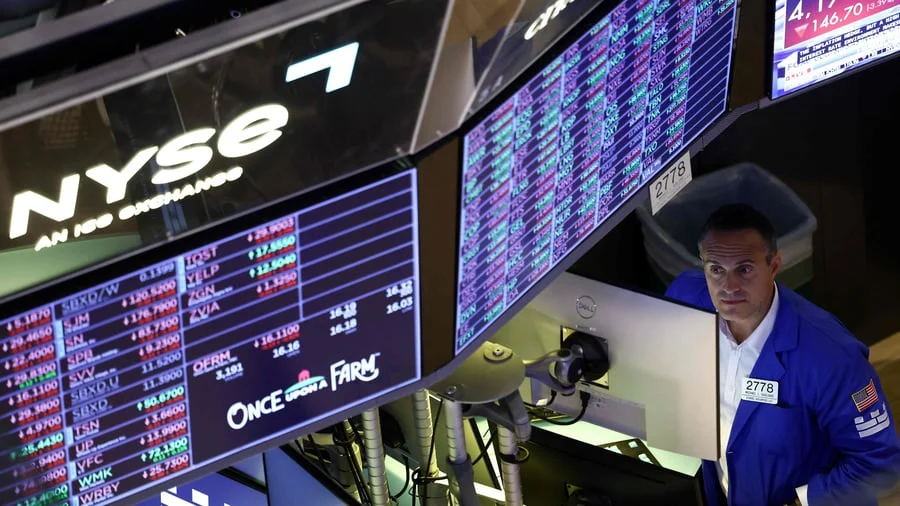
Hopes for a resolution in the Iran conflict are bringing about a sense of calm in the oil market. However, the sentiment among German consumers continues to deteriorate. The German stock market’s benchmark index, the Dax, experienced a positive uptick on Friday, closing 0.6 percent higher at 25,426 points. This recovery follows a slight decline of 0.6 percent on Thursday, when the Dax ended the trading day at 25,267 points. The gains are largely attributed to emerging diplomatic efforts aimed at de-escalating the protracted conflict in the Persian Gulf, a region critical to global energy supplies.

Diplomatic Overtures and a Fragile Peace
Reports from various media outlets suggest that American and Iranian negotiators are engaged in discussions in New York, exploring a phased withdrawal from the ongoing conflict. These potential breakthroughs include provisions for Tehran to reopen the Strait of Hormuz, a vital chokepoint for oil transit, and for Washington to lift its economic sanctions against Iran. The Iranian Foreign Minister, speaking on the sidelines of the UN General Assembly, indicated that a new proposal has been presented to the United States for the resumption of negotiations concerning a potential end to the war.
The conflict, which has been a significant destabilizing factor in the global geopolitical landscape, has had far-reaching consequences, including disruptions to international trade and significant volatility in energy markets. The potential for a diplomatic resolution, however nascent, has been met with cautious optimism by market participants and international observers alike. The Strait of Hormuz, through which approximately 30 percent of the world’s seaborne oil passes, has been a focal point of tensions, with any closure or threat to its passage directly impacting global oil supply and prices.

Impact on Global Oil Markets
The prospect of de-escalation has had a tangible effect on global oil prices, which have seen a notable decline. Brent crude, the international benchmark, and West Texas Intermediate (WTI), the U.S. benchmark, both experienced price drops at the start of Frankfurt trading. Brent crude for November delivery fell by 1.2 percent to $105.32 per barrel, while WTI saw a steeper decline of around two percent, trading at just under $92.74 per barrel.
This downward trend in oil prices is a direct consequence of reduced geopolitical risk premiums. Investors and traders, anticipating a more stable energy supply, are adjusting their positions. The previous weeks had seen a heightened sense of urgency in oil markets, with prices reflecting concerns over potential supply disruptions due to the Iran conflict. The current price levels, while still subject to fluctuations, indicate a shift towards a more balanced market sentiment, contingent on the sustained progress of diplomatic initiatives.
Historical Context of the Iran-Related Conflict and Oil Prices
The current situation is not without historical precedent. The geopolitical relationship between the United States and Iran has been fraught with tension for decades, marked by periods of severe diplomatic strain and, at times, direct or proxy conflicts. These tensions have consistently had an impact on global energy markets. For instance, in previous instances of heightened tensions, particularly around the Strait of Hormuz, oil prices have surged, sometimes by as much as 10-20% in a matter of days, driven by fears of supply shortages. The economic sanctions imposed by the U.S. and its allies have also played a significant role in shaping Iran’s oil export capabilities and, consequently, global supply dynamics. The current negotiations, therefore, represent a critical juncture, with the potential to reshape the energy landscape significantly.
Consumer Confidence in Germany: A Divergent Trend
While the international stage offers glimmers of hope for geopolitical stability and easing energy costs, the domestic economic sentiment in Germany presents a contrasting picture. Data indicates a continued erosion of confidence among German consumers. This divergence suggests that while global supply-side factors related to oil are showing signs of improvement, broader economic concerns, such as inflation, interest rate hikes, and the general economic outlook, are weighing heavily on household spending intentions.

The GfK Consumer Climate Index, a widely watched indicator of consumer sentiment in Germany, has been on a downward trajectory for several months. This decline is often linked to factors such as rising energy bills, the persistent effects of inflation on purchasing power, and uncertainty about future economic growth. A sustained dip in consumer confidence can have a dampening effect on domestic demand, potentially impacting corporate earnings and overall economic performance within Germany.
Analysis of Consumer Sentiment
The continued decline in consumer sentiment, despite potential easing of global oil prices, highlights the complex interplay of factors influencing economic well-being. While lower oil prices can theoretically translate to lower transportation costs and reduced inflation in certain sectors, other inflationary pressures may persist. For example, the cost of goods produced using energy, or those with supply chains heavily reliant on transportation, may not see immediate or proportional price reductions. Furthermore, the psychological impact of prolonged economic uncertainty and the perceived risk of recession can lead consumers to adopt more cautious spending habits, saving rather than spending, even when some cost pressures begin to recede. This precautionary behavior is a key driver of declining consumer confidence and can create a feedback loop, impacting business investment and job creation.

Market Reactions and Future Outlook
The stock market’s positive response to the diplomatic overtures underscores the sensitivity of financial markets to geopolitical stability, particularly in regions that are critical to global commodity flows. The Dax’s upward movement suggests that investors are pricing in a reduced risk premium associated with the Iran conflict. However, the sustainability of this positive trend will depend on the concrete outcomes of the ongoing negotiations.
Key Factors to Watch
Several key factors will shape the future trajectory of both oil prices and the stock market:

- Progress in Diplomatic Talks: The depth and durability of any agreement between the U.S. and Iran will be paramount. Superficial agreements or a return to heightened rhetoric could quickly reverse current market trends.
- Strait of Hormuz Security: The effective reopening and sustained security of the Strait of Hormuz are crucial for ensuring stable oil supply and preventing price spikes.
- Global Economic Conditions: Broader economic headwinds, including inflation rates in major economies, interest rate policies of central banks, and the risk of a global recession, will continue to influence investor sentiment and corporate performance.
- German Consumer Confidence: The trend in German consumer sentiment will be a key indicator of domestic demand and the health of the German economy. A continued decline could offset some of the positive impacts of easing global commodity prices.
- Energy Transition: The long-term shift towards renewable energy sources and away from fossil fuels will also play an increasingly significant role in shaping energy markets, although this is a more gradual and structural shift.
The current market movements reflect a cautious optimism driven by potential diplomatic breakthroughs. However, the situation remains fluid, and investors and analysts will be closely monitoring developments to gauge the true impact on global energy security and economic stability. The divergence between international geopolitical developments and domestic consumer sentiment in Germany serves as a reminder that economic recovery is often a multifaceted process, influenced by a complex web of global and local factors.