Farhan Pambudi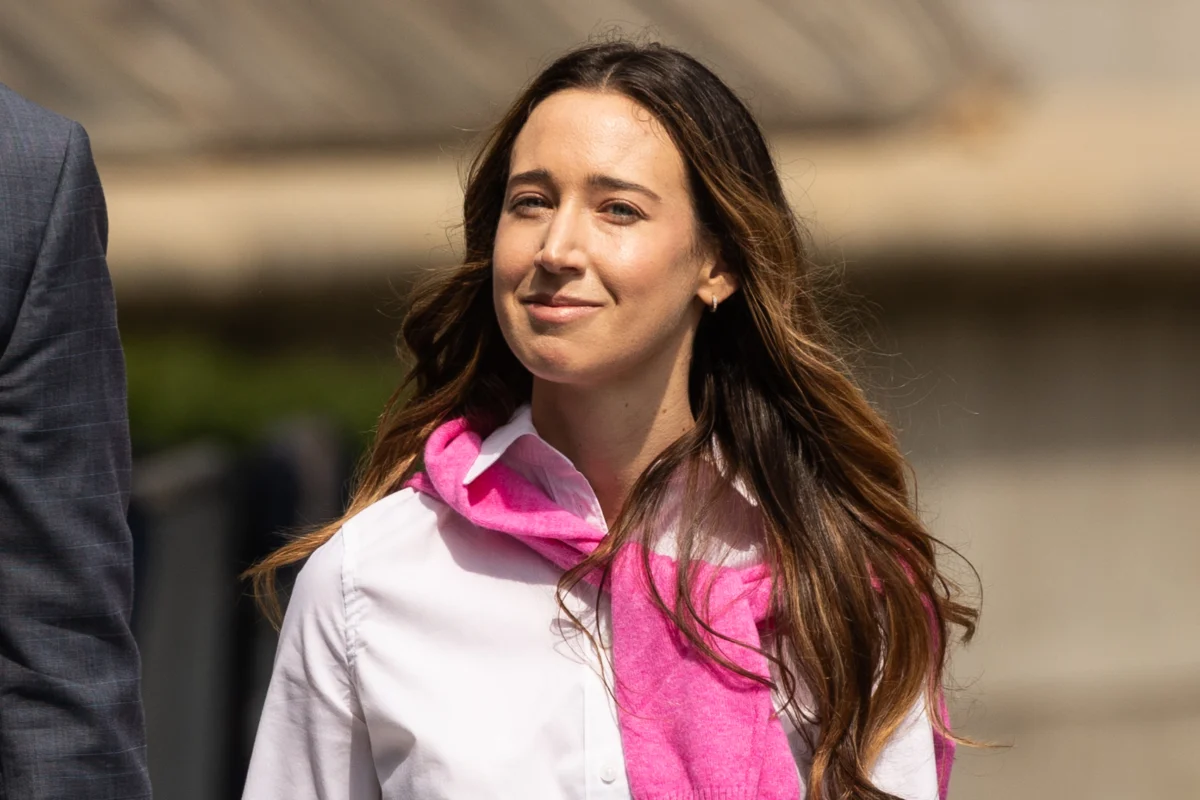
Charlie Javice, the founder of the now-defunct college financial aid startup Frank, is reportedly mounting a quiet but strategic campaign to secure a presidential pardon from the Trump administration. According to reports from the Wall Street Journal, Javice’s representatives and associates have been courting individuals close to the administration in hopes of securing clemency for her role in a massive fraud case involving JPMorgan Chase. While her name has not yet appeared on the formal clemency request lists maintained by the Department of Justice, sources indicate that her camp is positioning her as a candidate for the wave of pardons expected to be issued during the summer of 2026.
This push for executive intervention comes as the administration reportedly considers a significant slate of pardons—numbering as many as 250—to coincide with the 250th anniversary of the United States. Javice is not the only high-profile figure in the technology and finance sectors seeking such relief. Reports indicate that several white-collar defendants, including Sam Bankman-Fried, the convicted founder of the collapsed cryptocurrency exchange FTX, are also exploring avenues for presidential clemency. The intersection of high-stakes corporate fraud and political influence has placed Javice’s case at the center of a broader debate regarding the use of the pardon power for financial crimes.
The Rise and Fall of Frank
Founded in 2016, Frank was marketed as a revolutionary platform designed to simplify the Free Application for Federal Student Aid (FAFSA) process. Javice, a young and charismatic entrepreneur who was once featured on the Forbes 30 Under 30 list, claimed that Frank was the "Amazon of higher education," helping millions of students navigate the complexities of financial aid. The startup’s rapid growth caught the attention of JPMorgan Chase, the largest bank in the United States, which was looking to expand its reach among younger demographics and college students.
In September 2021, JPMorgan Chase acquired Frank for $175 million. At the time of the deal, Javice represented that Frank had a user base of more than 4.25 million customers. This massive database was the primary driver of the acquisition’s value, as JPMorgan intended to cross-sell banking services to these students. However, the relationship soured quickly. Following the acquisition, the bank attempted to send a marketing test to a segment of Frank’s customer list. The results were disastrous: of the 400,000 emails sent, only 28% were delivered, and only 1.1% were opened—rates far below what would be expected from a legitimate user base.
Internal investigations by JPMorgan later revealed that the vast majority of the customer list provided by Javice was fabricated. Prosecutors alleged that when JPMorgan asked for proof of Frank’s user base during the due diligence process, Javice and her Chief Growth Officer, Olivier Amar, paid a data science professor $18,000 to create a synthetic database of millions of fake names, addresses, and birthdays. The actual number of users on the platform was estimated to be closer to 300,000.
Legal Proceedings and Conviction
The legal fallout was swift and severe. In early 2023, the Department of Justice charged Javice with multiple counts of wire fraud, bank fraud, and securities fraud. During the trial, prosecutors presented a mountain of evidence, including internal emails and testimony from the data science professor who helped generate the fake data. The government argued that Javice’s actions were a calculated effort to defraud one of the world’s most sophisticated financial institutions.
In September 2025, a jury found Javice guilty on all counts. She was subsequently sentenced to more than seven years in federal prison and ordered to pay millions in restitution. Despite the conviction, Javice has maintained her innocence, launching an appeal that argues the prosecution’s case was fundamentally unfair and that JPMorgan failed in its own due diligence responsibilities. Her legal team has contended that the bank was looking for a "scapegoat" after realizing it had overpaid for a startup during a period of market exuberance.
The Political Context: Trump vs. JPMorgan Chase
The effort to secure a pardon for Javice is complicated by the fraught relationship between President Trump and JPMorgan Chase’s leadership. In early 2021, following the events of January 6 at the U.S. Capitol, JPMorgan was among several major financial institutions that moved to sever ties with Donald Trump and his associated businesses. The bank closed several accounts, a move that Trump has frequently cited as an example of "political debanking."

In early 2026, Trump filed a $5 billion lawsuit against JPMorgan Chase and its CEO, Jamie Dimon, alleging that the bank engaged in discriminatory practices by targeting his accounts for political reasons. JPMorgan has steadfastly denied these allegations, maintaining that its decisions were based on standard risk management protocols and internal policies.
Analysts suggest that Javice’s camp may be attempting to leverage this animosity. By framing her case as one where a powerful, "politically motivated" bank targeted an entrepreneur, her supporters hope to align her cause with the President’s own grievances against the financial establishment. If the administration views the prosecution of Javice as an extension of JPMorgan’s influence over the legal system, the likelihood of a pardon could increase.
Influential Backing and Financial Ties
Javice’s quest for clemency is bolstered by a network of powerful and well-connected supporters. Among her most prominent advocates is Marc Rowan, the CEO of Apollo Global Management and an early investor in Frank. Rowan, a titan of the private equity world, testified on Javice’s behalf during her trial, speaking to her character and the challenges faced by young founders in the fintech space.
Rowan’s influence extends into the political sphere. He has been a significant donor to Donald Trump’s campaigns and, following the 2024 election, reportedly contributed millions of dollars to Republican congressional groups and political action committees. The involvement of a figure like Rowan, who has direct lines of communication with the administration, provides Javice with a level of access that most federal inmates lack. This "quiet courting" of the administration is a hallmark of high-level clemency efforts, where personal relationships and political contributions often play a role in which cases reach the President’s desk.
The Broader Landscape of White-Collar Clemency
The news of Javice’s pardon request comes at a time when the Department of Justice is reportedly being flooded with similar petitions. The rumored plan to issue a large number of pardons for America’s 250th anniversary has created a "gold rush" for defendants convicted of financial crimes.
The inclusion of names like Sam Bankman-Fried in these discussions highlights a potential shift in how the administration views corporate crime. Critics of the pardon process argue that granting clemency to individuals who have defrauded investors of millions—or billions—of dollars undermines the integrity of the financial markets and sends a message that the wealthy can buy their way out of justice. Proponents, however, often argue that many of these prosecutions are examples of government overreach or that the sentences handed down are disproportionate to the non-violent nature of the crimes.
Timeline of the Frank-JPMorgan Case
- 2016: Charlie Javice founds Frank to simplify the student financial aid process.
- September 2021: JPMorgan Chase acquires Frank for $175 million based on claims of 4.25 million users.
- Late 2022: JPMorgan discovers the user data is largely fabricated and shuts down the Frank website.
- January 2023: JPMorgan sues Javice and Olivier Amar for fraud.
- April 2023: Federal prosecutors arrest Javice, charging her with conspiracy and fraud.
- September 2025: Javice is found guilty in a federal court.
- Early 2026: Javice begins serving a sentence of over seven years and files an appeal.
- June 2026: Reports emerge that Javice is seeking a presidential pardon amid the 250th-anniversary clemency window.
Implications for the Fintech Industry
The Javice case has already had a profound impact on the venture capital and fintech sectors. It served as a stark warning to both founders and investors about the consequences of the "fake it till you make it" culture that has permeated Silicon Valley for decades. Since the Frank scandal, major banks and VC firms have significantly tightened their due diligence processes, requiring more rigorous third-party verification of user metrics and financial data.
If Javice were to receive a pardon, it could further complicate the regulatory environment. A pardon might be interpreted by some as a validation of Javice’s defense—that the case was a civil dispute overplayed by a powerful bank—while others would see it as a blow to corporate accountability. For the fintech industry, which relies heavily on trust and data integrity, the resolution of this case will likely influence how future startups are evaluated and how the legal system treats founders who cross the line between marketing puffery and criminal fraud.
As the summer of 2026 approaches, all eyes will be on the White House to see if Charlie Javice’s name appears on the final list of those receiving executive grace. For now, she remains in federal custody, awaiting the outcome of both her legal appeal and her political gamble.