Ena Muazin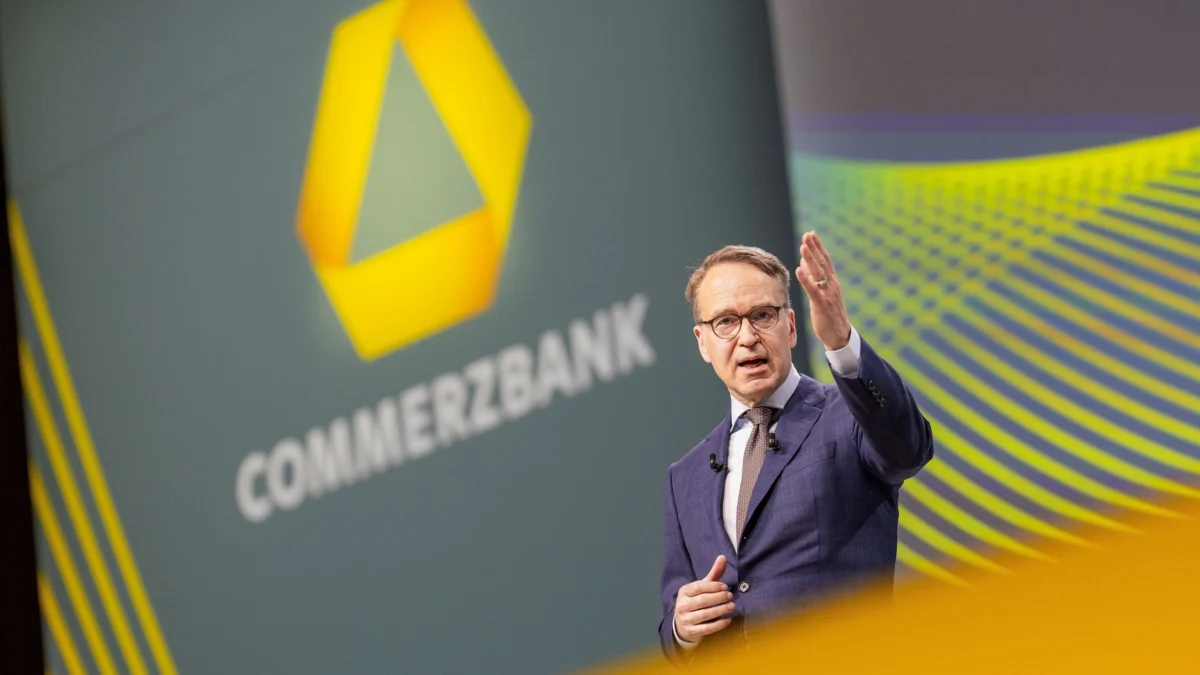
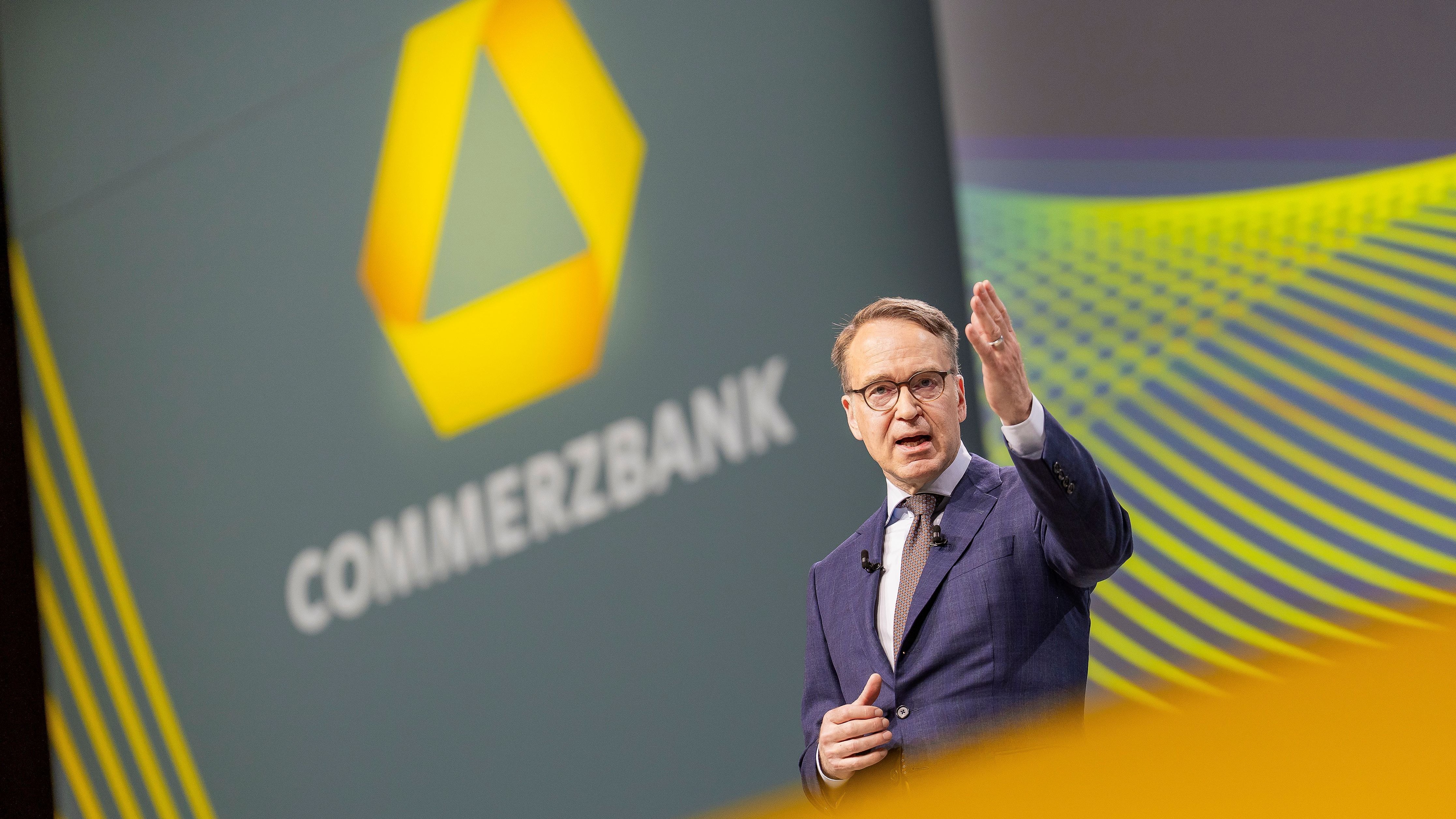
Jens Weidmann, the Chairman of the Supervisory Board of Commerzbank, has publicly stated his opposition to the German federal government divesting its stake in the bank during the ongoing takeover efforts by Italian banking giant UniCredit. In a significant interview with the Süddeutsche Zeitung, Weidmann urged the federal government to remain a shareholder for the time being, emphasizing the strategic importance of maintaining German influence in this critical phase. UniCredit has been steadily increasing its shareholding in Commerzbank, bringing its stake close to 50 percent, leading many to believe that Commerzbank’s struggle for independence is effectively over.
Background of the Federal Involvement in Commerzbank
The German federal government’s stake in Commerzbank traces back to the tumultuous financial crisis of 2008-2009. During this period of global economic turmoil, Commerzbank, like many other financial institutions, faced severe liquidity issues. To prevent a collapse and ensure the stability of the German financial system, the government intervened, injecting taxpayer money and acquiring a significant shareholding. This stake, currently hovering around 13 percent, was initially intended as a temporary measure to stabilize the bank and protect the broader economy. The rationale behind the federal government’s involvement was multifaceted: to safeguard depositors, maintain confidence in the banking sector, and prevent systemic risks from cascading through the economy.
UniCredit’s Ascendancy and the Shifting Landscape
UniCredit’s persistent accumulation of Commerzbank shares has fundamentally altered the dynamics of the German banking sector. The Italian bank’s strategic acquisitions have placed it in a dominant position, raising questions about the future autonomy and operational direction of Commerzbank. As UniCredit’s influence grows, the German government’s role as a minority shareholder becomes increasingly scrutinized. The prospect of a foreign entity taking a controlling interest in a major German bank has sparked debate regarding national economic interests and the strategic direction of the country’s financial infrastructure.
Weidmann’s Strategic Rationale for Continued Federal Shareholding
Despite acknowledging that the federal government should "spectively withdraw" from its role as a shareholder in the long term, Jens Weidmann’s current stance emphasizes a pragmatic approach. He argues that the government’s initial investment was a rescue measure, and in principle, the state is "not the better entrepreneur." However, he stresses that "in the current phase, it makes sense for the federal government to remain a shareholder in order to actively represent the interests of Germany as a location." This suggests that Weidmann believes the federal government’s continued presence is crucial for navigating the complexities of the potential takeover, ensuring that German economic interests are prioritized during the integration or restructuring process.
Weidmann’s call for the federal government to refrain from selling its shares comes amidst reports that high-ranking government officials are considering such a move. A recent, unconfirmed report by Bloomberg News indicated that government representatives are contemplating the sale of the federal stake in Commerzbank. This potential divestment, if it were to occur, could be interpreted as a signal of the government’s willingness to step back from direct involvement in the bank’s affairs, potentially accelerating UniCredit’s path to full control.
The Federal Government’s Key Role
The German federal government, a coalition of the CDU/CSU and SPD parties, holds a pivotal position in the unfolding scenario. Its ~13 percent stake, acquired during the 2008/09 financial crisis, represents a significant block of shares that can influence the outcome of any takeover bid. The government’s decision on whether to sell its holdings or to actively use its shareholder rights to shape the future of Commerzbank carries considerable weight.
The initial bailout of Commerzbank was a substantial undertaking, involving billions of euros in taxpayer funds. The government’s objective at the time was to ensure the bank’s survival and, by extension, the stability of the German financial system. Over the years, Commerzbank has worked to repay these funds and strengthen its financial position. However, the current takeover bid by UniCredit has brought the question of the government’s residual stake back into sharp focus.

Analyzing the Implications of Federal Withdrawal
A federal withdrawal from Commerzbank could have several implications. Firstly, it would signal a definitive end to the government’s direct involvement in the bank’s strategic decisions. This could lead to a faster integration process with UniCredit, potentially resulting in significant restructuring, job losses, and a reorientation of the bank’s business model to align with UniCredit’s broader European strategy.
Secondly, the sale of the federal stake could be a significant financial transaction for the government. Depending on the market valuation at the time of sale, it could represent a recouping of some of the initial investment or a loss, depending on the terms of the deal.

Thirdly, the perception of German economic sovereignty could be affected. The presence of a significant state-owned stake in a major bank is often seen as a safeguard of national interests. Its divestment, especially during a period of foreign acquisition, might be viewed by some as a concession of control over a critical sector of the economy.
Weidmann’s Vision for Commerzbank’s Future
Jens Weidmann, a former President of the Deutsche Bundesbank, brings a wealth of experience and a reputation for a cautious, principled approach to financial matters. His current position suggests a belief that the federal government’s continued, albeit passive, role as a shareholder can provide a degree of stability and strategic oversight during the transition. By remaining invested, the government can, in theory, ensure that the integration process considers the broader implications for the German economy, employment, and financial services landscape.

The "interests of Germany as a location" that Weidmann wishes to represent likely encompass several key areas:
- Employment: Ensuring that any restructuring or integration plan adequately addresses the impact on Commerzbank’s workforce in Germany.
- Financial Stability: Maintaining the stability of the German financial market and ensuring that Commerzbank continues to fulfill its role in lending to German businesses and individuals.
- Competitive Landscape: Preventing a scenario where the German banking market is dominated by foreign players to the detriment of domestic competition and innovation.
- Strategic Assets: Protecting key financial infrastructure that is deemed strategically important for the German economy.
The Current Status and Future Outlook
The situation remains fluid, with reports of potential government sales of its Commerzbank stake contrasting with Weidmann’s plea for continued federal shareholding. The German government’s final decision will likely be a carefully considered one, balancing economic imperatives with strategic national interests.

UniCredit’s aggressive pursuit of Commerzbank signals a significant shift in the European banking landscape. The potential merger or acquisition could create a more formidable European financial powerhouse, capable of competing more effectively on a global scale. However, the integration process is often fraught with challenges, including cultural differences between the organizations, regulatory hurdles, and the complex task of merging diverse IT systems and operational frameworks.
As the situation evolves, market observers will be closely watching the German government’s response to Weidmann’s appeal. The decision will not only impact the future of Commerzbank and UniCredit but will also provide insights into Germany’s approach to foreign investment in its strategic industries and its commitment to maintaining a degree of control over its financial sector. The coming weeks and months will be crucial in determining the final chapter of this significant banking saga.