Clara Shinta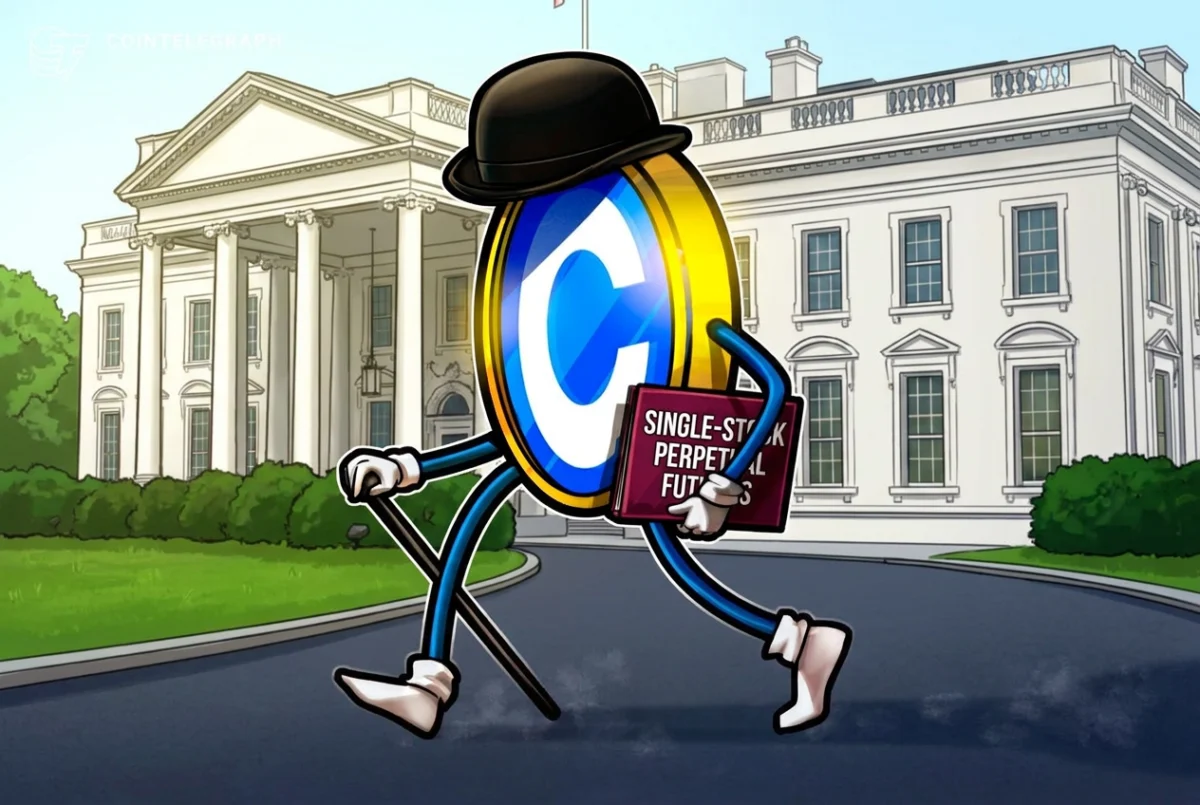
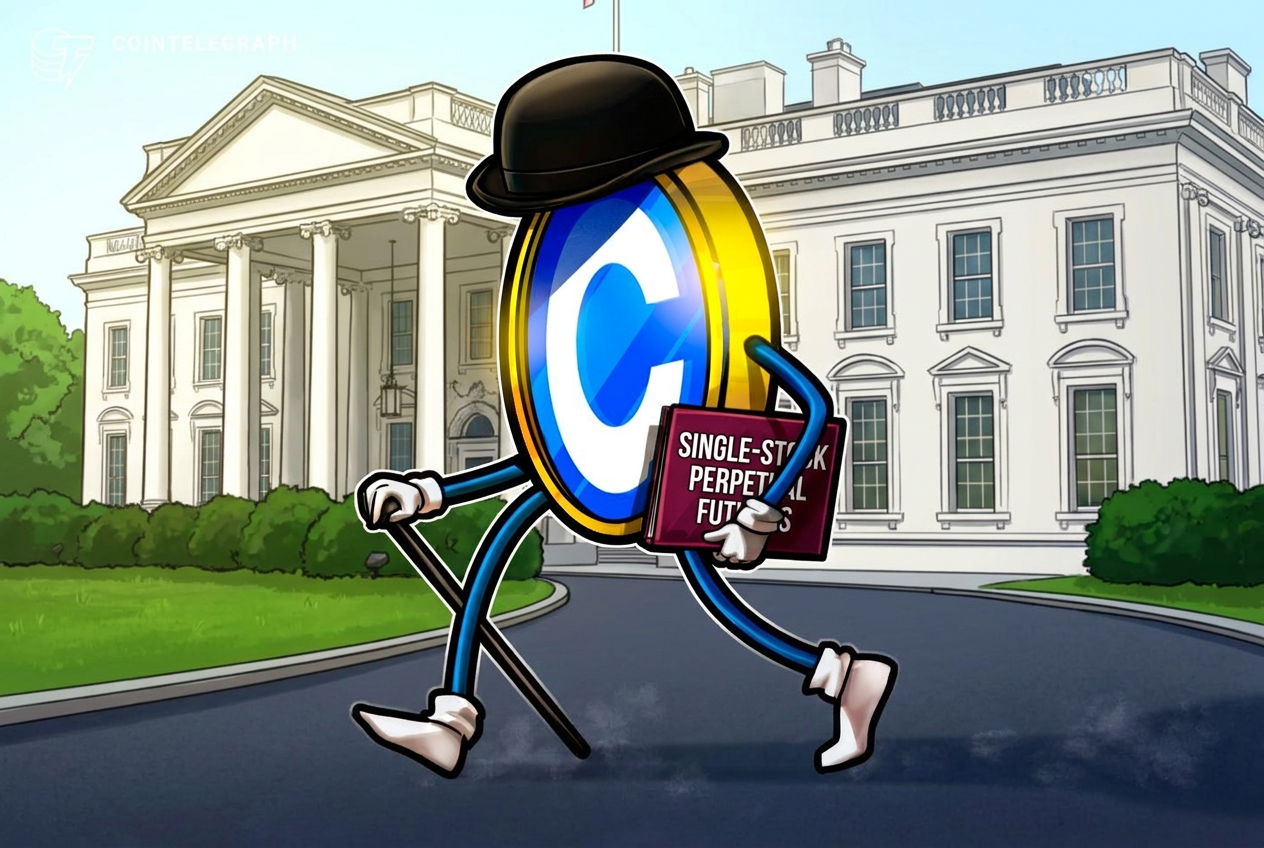
Coinbase, a leading cryptocurrency exchange, has filed a significant application with the Commodity Futures Trading Commission (CFTC) to list single-stock perpetual futures in the United States. This strategic move aims to bridge the gap between widely adopted crypto derivatives products and traditional U.S. individual equities, potentially reshaping the landscape for retail and institutional traders seeking exposure to the stock market. The filing, submitted through Coinbase Derivatives on a recent Friday, represents a bold attempt to bring an innovative trading instrument to a new asset class within a tightly regulated environment.
The core of Coinbase’s proposal centers on obtaining regulatory approval for contracts that would offer U.S. traders 24/5 exposure to the price movements of individual stocks without necessitating ownership of the underlying shares. Unlike conventional futures contracts, which are characterized by a defined expiration date, perpetual futures are designed to roll over indefinitely, providing continuous exposure as long as margin requirements are met. This structure, a cornerstone of crypto derivatives markets, offers enhanced flexibility and liquidity, which Coinbase is keen to extend to the equity space. The proposed contracts are classified by the CFTC as single-stock futures, and their availability to the public remains contingent upon comprehensive regulatory review and approval.
Understanding Perpetual Futures and Their Market Context
Perpetual futures contracts are a type of derivative that allows traders to speculate on the future price of an asset without holding the asset itself. Their primary distinguishing feature is the absence of an expiration date, which contrasts sharply with traditional futures contracts that obligate parties to buy or sell an asset at a predetermined price on a specific future date. This "perpetual" nature is maintained through a funding rate mechanism, where traders holding positions pay or receive small payments, typically every eight hours, to ensure the perpetual contract price remains anchored to the spot price of the underlying asset. If the perpetual price is above the spot price, longs pay shorts; if below, shorts pay longs. This mechanism is crucial for preventing significant divergences between the derivative and its underlying.
The introduction of such a product for individual U.S. equities could unlock new avenues for market participation, offering tools for hedging, speculation, and arbitrage that are currently more prevalent in the crypto and certain international equity derivatives markets. For retail traders, the ability to gain leveraged exposure to stocks like Apple, Microsoft, Tesla, or Nvidia without directly purchasing shares could lower capital requirements and increase accessibility, albeit with heightened risk. For institutional players, it could provide more sophisticated tools for portfolio management and risk mitigation.
Coinbase’s Strategic Trajectory and Regulatory Engagements
This latest CFTC filing is not an isolated event but rather a crucial step in a carefully orchestrated strategy by Coinbase to expand its derivatives offerings and solidify its position at the intersection of traditional finance and the digital asset economy. The company has been methodically building out its derivatives infrastructure and navigating the complex U.S. regulatory landscape for some time.
-
September 1, 2026: SEC Filing for National Securities Exchange Status: Prior to the CFTC application, Coinbase Derivatives filed a Form 1-N with the Securities and Exchange Commission (SEC). This filing sought to register as a national securities exchange specifically for the purpose of offering security futures. This earlier move indicated Coinbase’s intent to engage with both primary U.S. financial regulators – the SEC, which typically oversees securities, and the CFTC, which regulates commodities and certain derivatives. The dual engagement highlights the jurisdictional complexities surrounding single-stock futures, which straddle the traditional definitions of both securities and commodities derivatives.
-
March 2026: International Launch of Stock Perpetual Futures: Coinbase already offers stock perpetual futures to eligible traders outside the United States. The company launched this product in March, providing contracts tracking major U.S. stocks and indexes, including high-profile names like Apple and Nvidia. At the time of its international debut, Coinbase explicitly stated that these products were unavailable to U.S. persons but signaled its ambition to expand the offering to additional regions. This international rollout served as a proving ground, allowing Coinbase to refine its product, test market demand, and demonstrate operational capabilities before seeking U.S. regulatory approval. The success and uptake of these international offerings likely provided valuable data and confidence for the current domestic application.
The Wall Street Journal reported on the filing, noting that Coinbase initially plans to offer perpetual futures tied to approximately 50 to 60 prominent stocks. This initial basket is expected to include highly liquid and widely followed companies such as Apple, Microsoft, Tesla, and Nvidia – names that consistently attract significant investor interest and trading volume. Starting with a select group of blue-chip and high-growth stocks minimizes immediate market fragmentation and allows for a controlled rollout, likely focusing on established liquidity pools.
Navigating the U.S. Regulatory Labyrinth
The U.S. regulatory environment for derivatives, particularly those tied to equities, is stringent and multifaceted. The CFTC is responsible for regulating futures and options markets, including security futures products, which are hybrids subject to joint regulation by both the CFTC and the SEC. Single-stock futures were initially introduced in the U.S. in the early 2000s but faced challenges related to liquidity and regulatory clarity. Their reintroduction through a perpetual structure by a crypto-native firm like Coinbase presents novel questions and necessitates careful scrutiny from regulators.
The primary concerns for both the CFTC and SEC will revolve around investor protection, market integrity, and systemic risk. Perpetual futures, especially with leverage, carry significant risks. Traders can lose more than their initial margin, and rapid market movements can lead to forced liquidations, potentially exacerbating volatility. Regulators will assess Coinbase’s proposed risk management frameworks, margin requirements, trading surveillance capabilities, and investor education initiatives to ensure adequate safeguards are in place.
Furthermore, the approval process will likely involve detailed discussions on the classification of these products, ensuring they fit within existing regulatory definitions or necessitating new interpretations. The interplay between traditional securities law and commodities futures regulation is a complex area, and Coinbase’s dual filings (with both SEC and CFTC) underscore this challenge. The CFTC filing specifically classifies the proposed contracts as single-stock futures, indicating Coinbase’s belief that they primarily fall under the CFTC’s purview, even as the SEC also has a role in overseeing security futures.
Market Implications and Potential Impact
Should Coinbase receive the necessary approvals, the introduction of single-stock perpetual futures could have profound implications across several dimensions:
- Democratization of Derivatives Access: For individual investors, this could significantly lower the barriers to entry for sophisticated derivatives trading. While current options exist through brokerages, the perpetual structure and Coinbase’s user-friendly interface could attract a new demographic of traders, particularly those already familiar with crypto derivatives. This access comes with the caveat of inherent risks, making robust investor education paramount.
- Competition for Traditional Exchanges: This move positions Coinbase as a direct competitor to established exchanges like the CME Group, Nasdaq, and NYSE, which offer various equity derivatives. While the product structure is distinct, it could draw trading volume and innovation into a new segment of the market, potentially spurring other exchanges to innovate or adapt their offerings.
- Increased Market Liquidity and Efficiency: A new venue for trading single-stock derivatives could enhance overall market liquidity, potentially leading to tighter spreads and more efficient price discovery for the underlying equities, especially for those highly demanded stocks.
- Convergence of Crypto and Traditional Finance: This initiative further blurs the lines between the cryptocurrency ecosystem and traditional financial markets. Coinbase, a company born out of crypto, is increasingly pushing into mainstream financial products, demonstrating the growing maturity and ambition of digital asset firms to integrate with broader financial services.
- Regulatory Precedent: The approval of these products would set a significant precedent, potentially paving the way for other crypto exchanges or fintech firms to introduce similar innovative derivatives products tied to traditional assets. This could accelerate the evolution of financial markets and regulatory frameworks.
- Enhanced Risk Management Tools: For professional traders and institutions, single-stock perpetual futures could offer additional tools for hedging existing equity portfolios, executing complex arbitrage strategies, or managing directional exposure more dynamically without the constraints of expiration dates.
Potential Challenges and Criticisms
While the potential benefits are numerous, the initiative is not without its challenges and potential criticisms. The inherent leverage associated with perpetual futures amplifies both potential gains and losses, making them unsuitable for all investors. Critics might raise concerns about retail investor protection, arguing that such complex and risky products should be restricted or offered with extremely stringent safeguards. Past instances of market volatility in crypto derivatives have often been linked to cascade liquidations, a risk that regulators will be keen to mitigate in the equity space.
Moreover, the operational complexities of managing a 24/5 market for equity derivatives, including real-time risk assessment, margin calls, and settlement mechanisms, will be under intense scrutiny. The technology and infrastructure required to maintain market integrity and prevent manipulation will need to be robust.
Statements and Industry Reactions (Inferred)
While official statements from the CFTC or industry competitors are pending the outcome of the review, one can infer potential reactions.
- Coinbase (Inferred): "Our filing with the CFTC represents a pivotal moment in our mission to bring greater innovation and accessibility to financial markets. We believe single-stock perpetual futures, a product proven in other markets, can offer U.S. traders efficient, 24/5 access to gain exposure to leading U.S. equities. We are committed to working closely with regulators to ensure these products are introduced responsibly, with robust investor protections and market integrity at their core. This is about democratizing access to sophisticated trading tools and fostering a more dynamic financial ecosystem."
- Regulatory Bodies (Inferred): "The Commodity Futures Trading Commission acknowledges receipt of Coinbase Derivatives’ application for single-stock perpetual futures. We are undertaking a thorough and comprehensive review to ensure that any new financial products offered in the U.S. market adhere strictly to regulatory standards, prioritize investor protection, maintain market integrity, and mitigate systemic risks. Our evaluation will consider the unique characteristics of these products and their potential impact on the broader financial landscape."
- Traditional Exchanges (Inferred): "We continuously monitor market developments and the introduction of new products. The U.S. equity derivatives market is robust and highly regulated. Any new entrant or product must meet the highest standards of regulatory compliance and market oversight to ensure fair and orderly trading."
- Investor Advocacy Groups (Inferred): "While innovation in financial products can be beneficial, regulators must exercise extreme caution with highly leveraged derivatives, especially for retail investors. Adequate education, clear risk disclosures, and robust consumer protections are non-negotiable to prevent significant financial harm."
The Road Ahead
The filing with the CFTC marks the beginning of a potentially lengthy and rigorous approval process. Regulators will meticulously examine Coinbase’s proposal, considering its technical specifications, operational resilience, risk management protocols, and broader implications for market structure and investor welfare. The outcome will depend on Coinbase’s ability to demonstrate a comprehensive and compliant framework for offering these complex products within the highly regulated U.S. financial system.
The potential approval of single-stock perpetual futures could represent a landmark achievement for Coinbase, solidifying its role as a bridge between the innovative, fast-paced world of digital assets and the established, regulated domain of traditional finance. It underscores a broader trend where the methodologies and products pioneered in the crypto space are increasingly finding application and acceptance in conventional markets, signaling a future where financial services are more integrated, dynamic, and globally accessible. However, the journey will be closely watched by market participants, regulators, and the public alike, as it navigates the delicate balance between innovation and investor protection.