Lina Wu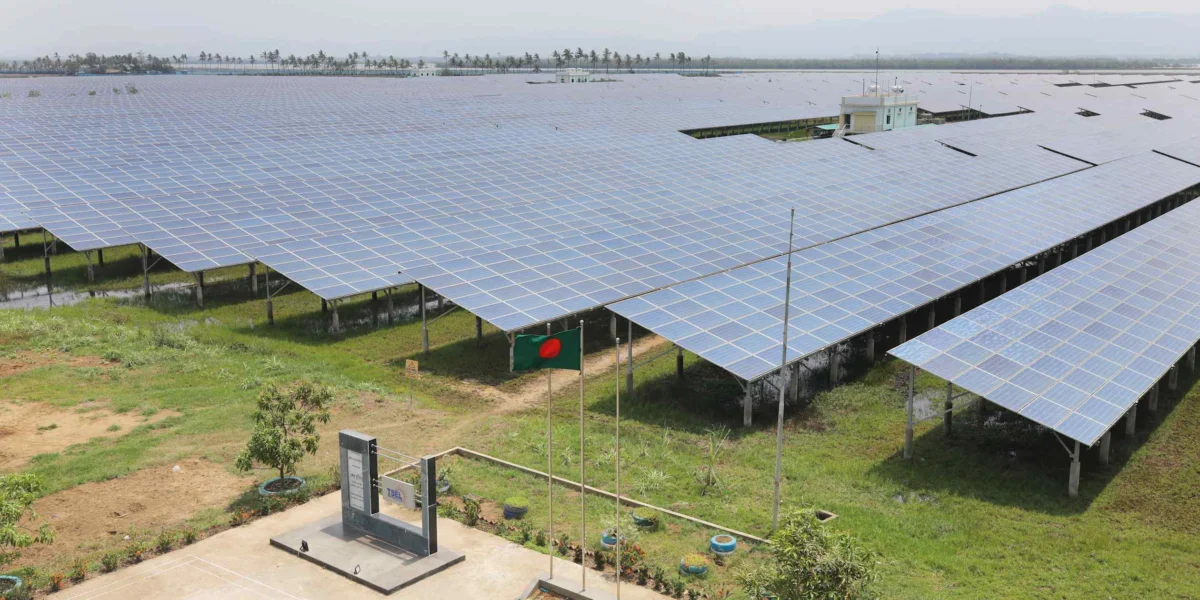
China has significantly amplified its footprint in Bangladesh’s energy landscape, now representing just over one-third of foreign investment in the sector. This substantial influx of capital is largely driven by the nation’s burgeoning solar and wind power projects, which are gaining momentum as Bangladesh grapples with persistent energy shortages impacting its industrial output and economic stability. The total investment stock in the country’s renewable energy sector has reached an impressive $1.18 billion, with Chinese enterprises playing a pivotal role.
The Growing Role of Chinese Investment in Bangladesh’s Energy Sector
According to the Centre for Policy Dialogue (CPD), a prominent Bangladeshi think tank, China contributes more than 50% of the total investment channeled into Bangladesh’s renewable energy sector. This dominance underscores a strategic alignment between China’s global renewable energy ambitions and Bangladesh’s urgent need for diversified and reliable power sources. The surge in investment comes at a critical juncture for Bangladesh, a nation heavily reliant on imports for its energy needs and facing increasing pressure from volatile global energy markets.
The escalating foreign investment in renewable energy is a direct response to the nation’s chronic power deficits. These deficits have had tangible consequences, including factory closures, disruptions in production cycles, and significant financial strain on businesses across various sectors, particularly the vital garment industry. The government’s commitment to increasing the share of renewable energy in its national grid, coupled with attractive investment policies, has created a fertile ground for international players, with China emerging as the most prominent.
Background: Bangladesh’s Energy Dilemma and the Rise of Renewables
For decades, Bangladesh has been striving to meet its rapidly growing energy demands, driven by its expanding population and industrialization. Historically, the country has relied heavily on natural gas and imported fossil fuels, making it vulnerable to price fluctuations and supply chain disruptions. The challenges have been compounded by the environmental implications of fossil fuel reliance and the global push towards decarbonization.
In response to these pressures, the Bangladeshi government has set ambitious targets for renewable energy integration. The country aims to achieve a significant portion of its electricity generation from renewable sources by 2041. This policy direction has been a key catalyst for attracting foreign direct investment (FDI) into the solar, wind, and other renewable energy sub-sectors. However, the path has not been without its hurdles, including land acquisition challenges for large-scale projects, grid integration issues, and the need for robust regulatory frameworks.
Timeline of Key Developments in Renewable Energy Investment
The increasing involvement of China in Bangladesh’s renewable energy sector is not a sudden development but rather a culmination of years of growing engagement.
- Early 2010s: Initial Chinese interest in Bangladesh’s energy sector was primarily focused on traditional power generation, including coal and gas-fired plants. However, with global shifts towards cleaner energy, Chinese state-owned enterprises and private companies began exploring opportunities in renewables.
- Mid-2010s: The Bangladeshi government began actively promoting renewable energy through policy incentives and tenders. This period saw the initial significant investments from Chinese firms in solar power projects, often facilitated by concessional loans and export credits from Chinese financial institutions.
- Late 2010s: The scale of Chinese investment in solar parks and individual solar power plants began to increase substantially. Companies like PowerChina, China National Machinery Industry Corporation (SINOMACH), and others started to secure major project contracts. The development of large-scale solar farms, often in rural or less developed areas, became a hallmark of this phase.
- Early 2020s: Amidst the global energy crisis triggered by geopolitical events and supply chain disruptions, the urgency for energy diversification in Bangladesh intensified. This led to a renewed focus on renewable energy, and Chinese companies were well-positioned to capitalize on this demand due to their established presence and competitive pricing. The reported $1.18 billion investment figure reflects the momentum gained in recent years, particularly in solar and emerging wind projects.
- Present (August 2026): The latest figures indicate that China’s share in foreign investment has solidified, with over 50% of renewable energy investments originating from the country. This sustained commitment is crucial for Bangladesh’s energy transition goals.
Supporting Data: The Scale and Scope of Investment
The $1.18 billion investment figure represents a significant portion of Bangladesh’s total FDI in the energy sector. While precise breakdowns for the entire sector are complex, the renewable energy component is clearly dominated by Chinese capital.
- Solar Dominance: The vast majority of Chinese investment has been directed towards solar photovoltaic (PV) projects. This includes utility-scale solar farms, rooftop solar installations, and even off-grid solar solutions for remote communities. Bangladesh’s abundant sunshine makes solar energy a natural fit, and Chinese companies have brought the technology, financing, and project management expertise to scale these developments.
- Emerging Wind Power: While solar remains the primary focus, there is a growing interest and investment in wind power projects. Bangladesh’s coastal regions offer potential for wind energy development, and Chinese firms are reportedly exploring and undertaking initial wind farm projects, indicating a diversification of renewable energy investments.
- Project Scale: Chinese investments have facilitated the development of some of the largest renewable energy projects in Bangladesh. These include multi-megawatt solar parks that contribute significantly to the national grid. The scale of these projects is often enabled by the financial backing and technological capabilities of Chinese entities.
- Comparison with Other Investors: While other countries and international financial institutions also invest in Bangladesh’s energy sector, Chinese investment in renewables stands out in its volume and pace. This is partly due to China’s strategic focus on exporting its renewable energy technologies and manufacturing capacity.
Official Responses and Strategic Partnerships
The Bangladeshi government has consistently welcomed foreign investment in its energy sector, recognizing its crucial role in achieving energy security and economic growth.
- Government Endorsement: Officials from the Ministry of Power, Energy and Mineral Resources have often lauded the contributions of foreign investors, including Chinese companies, in bolstering the country’s energy infrastructure. They highlight the importance of these investments in meeting national development goals and transitioning to a cleaner energy future.
- Policy Frameworks: Bangladesh has implemented various policies, such as the Renewable Energy Policy and the National Solar Energy Policy, to attract and facilitate investments. These policies include tax incentives, land leasing provisions, and feed-in tariffs or competitive bidding mechanisms for renewable energy projects.
- Bilateral Cooperation: The growing investment is often framed within the broader context of bilateral cooperation between Bangladesh and China. Chinese initiatives like the Belt and Road Initiative (BRI) have also provided a framework for energy infrastructure development, though specific renewable energy projects may operate independently or under different arrangements.
- Challenges and Due Diligence: While welcoming investment, the government also faces the challenge of ensuring that projects are sustainable, environmentally sound, and adhere to national regulations. Due diligence on project financing, technology, and environmental impact assessments are crucial aspects of managing these large-scale investments.
Broader Impact and Implications
The substantial Chinese investment in Bangladesh’s renewable energy sector carries significant implications for both the country and the region.
- Energy Security and Diversification: The influx of renewable energy projects directly contributes to Bangladesh’s efforts to diversify its energy mix and reduce its over-reliance on imported fossil fuels. This enhances energy security and shields the economy from global price volatility.
- Economic Growth and Job Creation: The development and operation of these renewable energy projects create employment opportunities, both directly in construction and maintenance, and indirectly through associated industries. This contributes to economic growth and poverty alleviation.
- Environmental Benefits: A higher share of renewable energy in the national grid leads to a reduction in greenhouse gas emissions and other pollutants associated with fossil fuels, contributing to environmental sustainability and climate change mitigation efforts.
- Technological Transfer and Capacity Building: Chinese investments often bring advanced renewable energy technologies and project management expertise. This can lead to a transfer of knowledge and skills within Bangladesh, fostering local capacity in the renewable energy sector.
- Geopolitical Considerations: The significant role of Chinese investment in a strategically important South Asian nation like Bangladesh also has geopolitical dimensions. It reinforces China’s growing influence in the region’s energy infrastructure development.
- Challenges in Implementation: Despite the positive momentum, challenges remain. Ensuring the long-term financial viability of projects, managing grid integration of intermittent renewable sources, and addressing land acquisition issues will be critical for sustained success. Furthermore, as the CPD report indicates, the heavy reliance on a single source of investment can also present its own set of economic and geopolitical considerations for Bangladesh.
In conclusion, the substantial and growing investment from China in Bangladesh’s renewable energy sector, now reaching $1.18 billion, is a pivotal development. It signifies a strategic response to Bangladesh’s energy needs and a testament to the global expansion of China’s renewable energy industry. While this trend offers significant opportunities for energy security, economic growth, and environmental sustainability, careful planning and management will be essential to navigate the associated complexities and ensure that these investments contribute to Bangladesh’s long-term developmental aspirations.