Lina Wu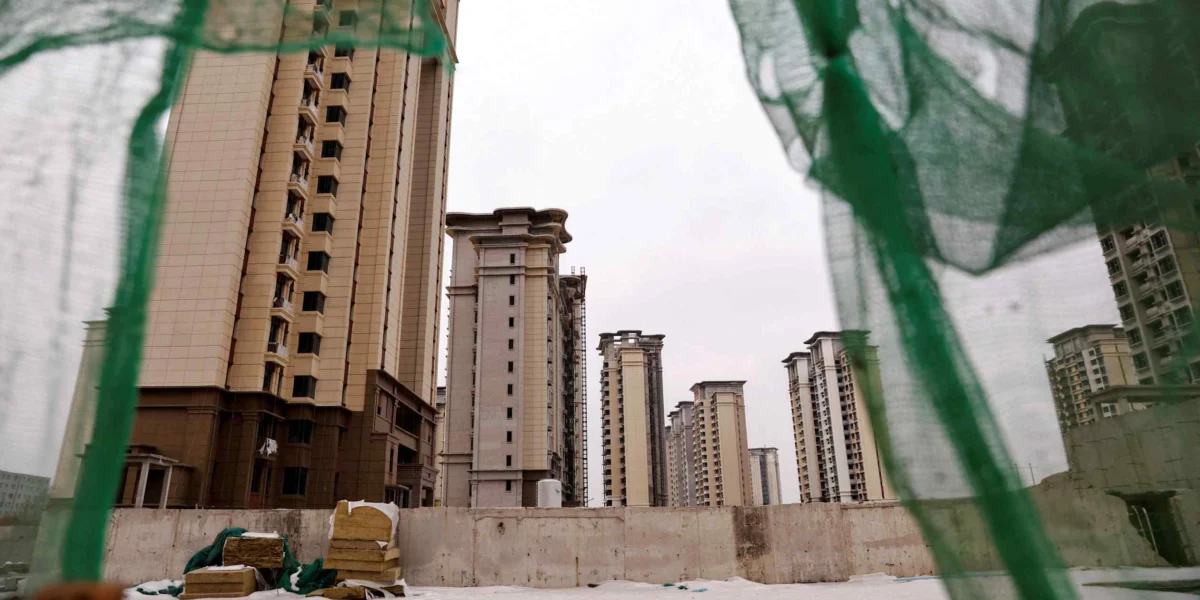
HONG KONG — Slower consumption and a sharper fall in property investment in August pushed the Chinese economy deeper into a quagmire, underscoring pressure on policymakers to deliver more stimulus. The latest economic data, released on September 15, 2026, paints a somber picture of a nation grappling with persistent headwinds, prompting renewed urgency for decisive action from Beijing. Industrial production, while showing some resilience, was insufficient to offset the drag from these critical sectors, casting a long shadow over China’s growth prospects for the remainder of the year and beyond.
Economic Indicators Signal Broadening Weakness
The August figures reveal a deepening of existing economic vulnerabilities. Retail sales, a crucial barometer of domestic demand, grew by a mere 2.5% year-on-year, a significant deceleration from the 3.1% expansion observed in July. This sluggishness in consumer spending reflects a confluence of factors, including subdued household confidence, ongoing concerns about employment, and the lingering impact of a protracted property market downturn. Consumers, facing an uncertain economic future, appear to be prioritizing savings over discretionary spending, a trend that directly constrains the engine of China’s economic growth.
The property sector, long a pillar of the Chinese economy, continued its precipitous decline. Property investment contracted by a stark 8.5% in August, marking a further acceleration of the downward trend from the 7.5% decline recorded in the previous month. This sharp contraction is symptomatic of the ongoing liquidity crisis faced by many of China’s leading developers, a situation that has rippled through the broader economy, impacting related industries such as construction, steel, and cement, and leading to a significant slowdown in new housing starts and sales. The ripple effects are also felt in the financial sector, with banks increasingly exposed to non-performing loans tied to the real estate market.
While industrial production offered a glimmer of hope, expanding by 4.5% in August, this figure was below expectations and insufficient to counterbalance the weakness in consumption and property. This indicates that while factories are still producing, the demand for those goods, both domestically and internationally, is not robust enough to drive a significant acceleration in overall economic activity. The disparity between production capacity and actual demand is a growing concern, suggesting potential oversupply issues in certain sectors and a need for more targeted demand-side stimulus.
Background: A Lingering Property Crisis and Shifting Economic Landscape
The current economic predicament is deeply intertwined with the unresolved crisis in China’s property sector. Beginning in late 2021 with the liquidity crunch at Evergrande, one of the nation’s largest developers, the sector has been in a state of prolonged distress. Numerous developers have defaulted on their debts, leading to unfinished projects, a decline in property values, and a loss of confidence among homebuyers and investors. The government’s efforts to deleverage the sector through measures like the "three red lines" policy, aimed at curbing developer debt, have had the unintended consequence of triggering a sharp contraction.
This property downturn has had far-reaching consequences. It has not only impacted household wealth, as a significant portion of Chinese savings is tied up in real estate, but has also curtailed local government revenues, which are heavily reliant on land sales. The slowdown in construction has also led to job losses in the real estate and related industries, further dampening consumer sentiment.
Beyond the property sector, China’s economy is also navigating a complex global environment. Geopolitical tensions, including trade disputes and technological decoupling efforts, are impacting export demand. Furthermore, the global economic slowdown, driven by high inflation and rising interest rates in major economies, is also a factor contributing to weaker external demand for Chinese goods.
Chronology of Economic Weakness and Policy Responses
The current economic headwinds have been building for some time, with several key milestones marking the escalation of concern:
- Late 2021 – Early 2022: The liquidity crisis at Evergrande and other major developers intensifies, signaling the start of a significant downturn in the property market.
- 2022: China’s GDP growth slows to 3.0%, significantly below its pre-pandemic trajectory, largely due to the impact of zero-COVID policies and the escalating property crisis.
- Early 2023: Following the relaxation of zero-COVID measures, there is an initial surge in economic activity, particularly in consumption. However, this recovery proves to be short-lived.
- Mid-2023: Economic data begins to show signs of slowing momentum. Retail sales growth moderates, and property investment continues to decline. Concerns about youth unemployment also begin to surface.
- Late 2023 – Early 2024: The property market crisis deepens with further developer defaults and a persistent drop in sales and investment. The government announces a series of targeted stimulus measures, including interest rate cuts and increased infrastructure spending, but their impact is limited.
- Mid-2024: Economic growth figures remain sluggish, with persistent weakness in both domestic consumption and the property sector. International agencies begin to revise down China’s growth forecasts.
- August 2024: The latest data reveals a significant worsening of the situation, with retail sales growth decelerating sharply and property investment experiencing a steeper contraction, pushing the economy into a deeper quagmire.
Supporting Data and Sectoral Analysis
To understand the depth of the current economic challenge, a closer look at the supporting data is crucial:
- Retail Sales: The 2.5% year-on-year growth in August is a stark contrast to the average growth rates seen in previous years. For instance, in 2021, retail sales grew by an average of over 12% annually. The current trend suggests a structural shift in consumer behavior, potentially driven by income uncertainty and wealth effects from declining asset prices.
- Property Investment: The 8.5% decline in August represents a significant acceleration of the downward trend. In 2021, property investment saw positive growth. The sustained and deepening contraction indicates a severe loss of confidence in the real estate market, both from developers and potential buyers. This has a cascading effect on construction materials, manufacturing, and related services.
- Industrial Production: The 4.5% growth in August, while positive, masks underlying sector-specific challenges. Some sectors, such as automotive and high-tech manufacturing, may be performing well, but others, particularly those linked to real estate and construction, are likely experiencing significant slowdowns. The widening gap between production capacity and actual demand is a key concern.
- Fixed Asset Investment: Beyond property, overall fixed asset investment, which includes infrastructure and manufacturing, also showed signs of weakness. While government-led infrastructure projects may provide some support, private sector investment is likely subdued due to the uncertain economic outlook and regulatory environment.
- Unemployment: While official unemployment figures may not fully capture the nuances of the labor market, reports of rising youth unemployment and job insecurity in sectors heavily reliant on the property market suggest underlying labor market pressures that are impacting consumption.
Official Responses and Policy Implications
The worsening economic data has amplified pressure on Chinese policymakers to act decisively. While the People’s Bank of China (PBOC) has already implemented several interest rate cuts and eased some lending restrictions, the market is anticipating more substantial stimulus measures. These could include:
- Fiscal Stimulus: Increased government spending on infrastructure projects, tax cuts for businesses and households, and direct subsidies to boost consumption are all potential avenues. However, the government’s capacity for large-scale fiscal stimulus may be constrained by its existing debt levels.
- Monetary Policy Easing: Further reductions in interest rates and reserve requirement ratios for banks could be implemented to encourage lending and investment. However, the effectiveness of monetary policy may be limited if confidence remains low.
- Property Sector Support: More targeted measures to support distressed developers, such as asset purchases, debt restructuring programs, and direct financial assistance, are likely to be considered. The challenge lies in providing support without reigniting speculative excesses.
- Structural Reforms: In the longer term, policymakers may need to accelerate structural reforms to diversify the economy away from its reliance on property and exports, fostering innovation and domestic consumption.
Broader Impact and Future Outlook
The persistent economic slowdown in China has significant implications not only for the domestic economy but also for the global landscape.
- Global Growth: As the world’s second-largest economy, a sustained slowdown in China can have a dampening effect on global growth, reducing demand for commodities, manufactured goods, and services from other countries.
- Supply Chains: Disruptions or slowdowns in China’s manufacturing sector can have ripple effects across global supply chains, impacting production and pricing for businesses worldwide.
- Geopolitical Dynamics: Economic challenges in China can also influence its geopolitical posture and its relationships with other nations.
The path ahead for the Chinese economy remains uncertain. While policymakers have a range of tools at their disposal, the effectiveness of these measures will depend on their scale, timing, and ability to restore confidence among consumers and businesses. The current economic quagmire underscores the complexity of navigating a transition away from a growth model heavily reliant on investment and exports towards a more sustainable, consumption-driven economy. The coming months will be critical in determining whether Beijing can successfully steer the economy back towards a path of stable growth or if the current downturn will prove more protracted and challenging.