Gilang Muhammad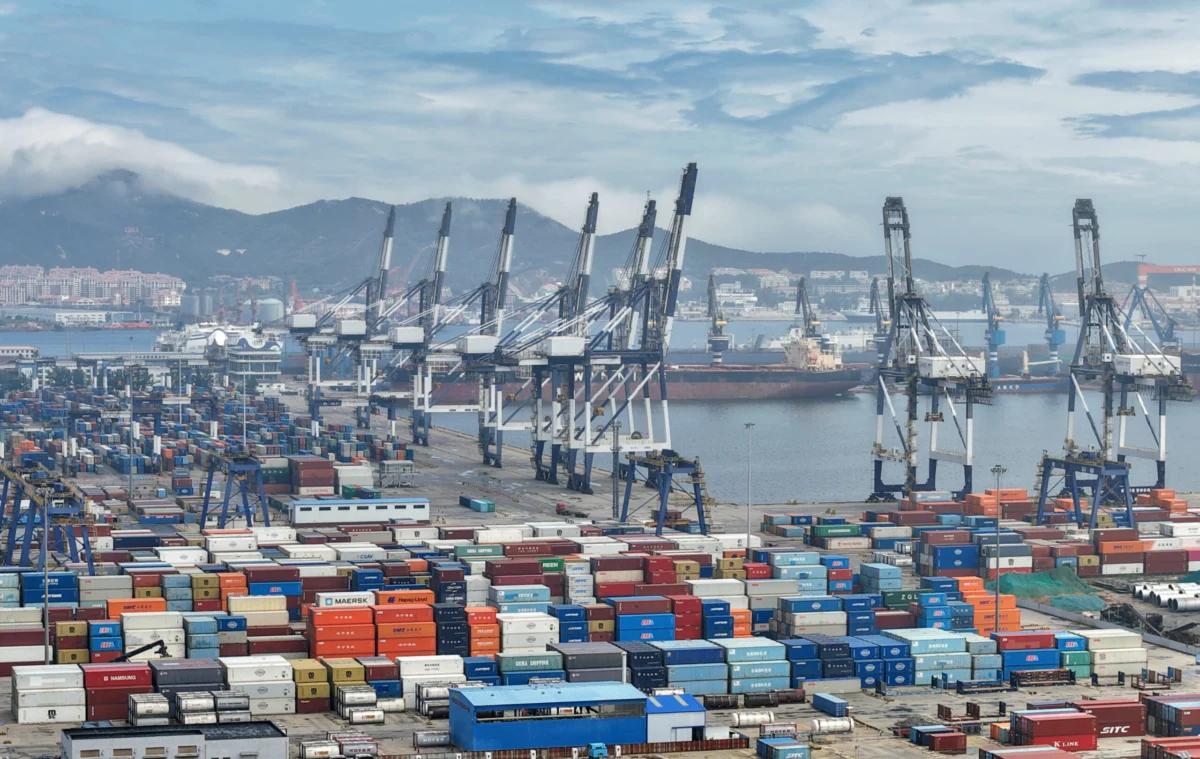
YANTAI, CHINA – China’s economic expansion in the second quarter of 2026 decelerated to its weakest pace since the fourth quarter of 2022, reigniting urgent calls for robust policy stimulus. Official data released on Wednesday revealed that Gross Domestic Product (GDP) grew by a modest 4.3% in the April to June period, falling short of economists’ consensus forecast of 4.5% in a Reuters poll and marking a notable slowdown from the 5% growth recorded in the first quarter. This performance underscores escalating challenges within the world’s second-largest economy, as an accelerating decline in fixed-asset investments deepened the strain on overall growth, while consumer spending remained unexpectedly subdued.
The 4.3% growth rate for Q2 2026 notably falls below Beijing’s full-year growth target range of 4.5% to 5%. This target, already the least ambitious set by the Chinese government in decades, reflects a cautious outlook amidst persistent geopolitical tensions with key trade partners, including the United States and the European Union, coupled with lingering weakness in domestic demand. The confluence of these factors paints a complex picture for policymakers grappling with a multi-faceted economic slowdown.
Deepening Investment Woes and Structural Challenges
A primary driver of the second-quarter’s underwhelming performance was a significant contraction in fixed-asset investment. Urban fixed-asset investment, a critical barometer encompassing real estate development, manufacturing expansion, and infrastructure projects, declined by 5.7% in the first six months of the year compared to the same period last year. This figure was worse than expectations for a 4.9% drop in a Reuters poll, highlighting a severe and worsening trend.
Tianchen Xu, a senior economist at Economist Intelligence Unit, attributed the steepening investment slump to several interconnected factors. "Local governments are increasingly channeling their resources into debt restructuring efforts, a necessary but growth-constraining measure," Xu noted. "Furthermore, there’s a discernible shortage of eligible, high-quality projects in the pipeline that can attract significant investment. Boosting infrastructure investment will, therefore, be a key focus for stabilizing growth in the coming quarters." This echoes a broader concern about the sustainability of China’s past investment-led growth model, which often relied on large-scale infrastructure and property development that have now contributed to significant debt burdens.
Official data further dissected the investment landscape, revealing sharp plunges across crucial sectors. Investment in real estate, a sector historically pivotal to China’s economy, plummeted by a staggering 18%. Infrastructure investment saw a decline of 2.4%, while manufacturing investment, despite Beijing’s strategic focus on industrial upgrading, fell by 1.2%. These figures underscore the pervasive impact of a prolonged property downturn, which has eroded developer confidence, reduced land sales revenues for local governments, and dampened broader economic sentiment. Beijing’s ongoing campaign to rein in excess industrial capacity and put an end to bruising price wars across various industries, while intended to foster higher-quality growth, is also expected to weigh on private investment in the near term, according to Sarah Tan, an economist at Moody’s Analytics. This structural adjustment, though necessary, comes with short-term economic costs.
The intensity of this pullback in investment has been described as "unprecedented" by Li Daokui, a professor of economics at Tsinghua University and a former advisor to China’s central bank. Speaking at a macroeconomics seminar earlier this week, Professor Li advocated for a substantial expansion in government borrowing, suggesting that this year’s planned 12 trillion yuan ($1.7 trillion) in new debt issuance should be more than doubled to effectively stimulate the economy. Such a bold move would signify a major shift in fiscal policy, potentially accepting higher debt levels in exchange for propping up growth.
Consumption and Industrial Output: Mixed Signals
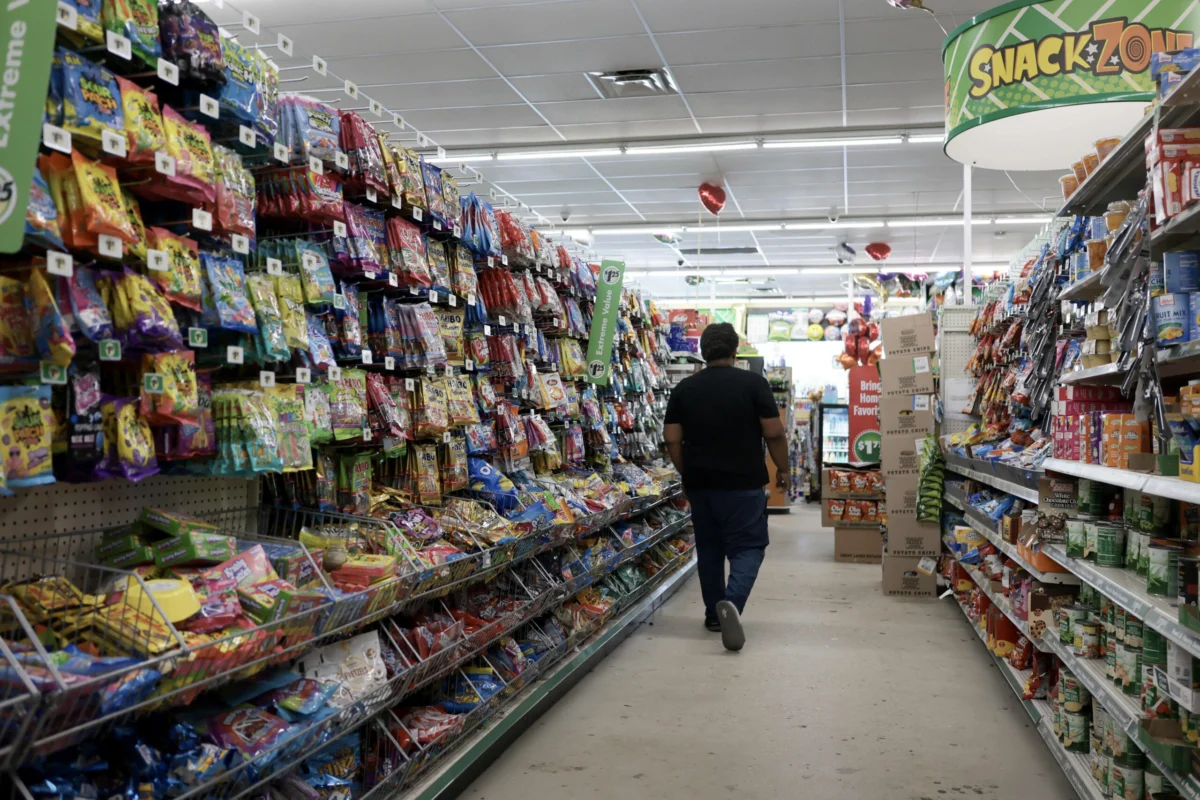
While investment presented a grim picture, other economic indicators offered a mixed bag of signals. Retail sales, a proxy for consumer spending, showed a glimmer of recovery in June, growing by 1%. This marked a rebound from a 0.6% drop in the prior month and exceeded economists’ forecasts for a 0.1% fall. The May decline was the first monthly contraction since late 2022, largely attributed to tepid demand and aggressive discounting by merchants struggling to move inventory. The June uptick, while welcome, needs to be viewed in the context of persistent consumer caution stemming from income uncertainty and the lingering effects of the property market slump, which has historically been a significant source of household wealth.
Industrial output, meanwhile, demonstrated resilience. It expanded by 5.3% in June from a year ago, surpassing the forecast of 4.7% growth and gaining pace from a 4.5% expansion in May. This robust performance in the industrial sector, particularly in manufacturing geared towards export markets, points to a dichotomy within the Chinese economy. On one hand, domestic consumption and private investment struggle; on the other, strong external demand, particularly linked to the global artificial intelligence (AI) investment boom, continues to power headline growth.
The Enduring Supply-Demand Imbalance
The National Statistics Bureau explicitly acknowledged an "acute" imbalance between excess supply and sluggish demand within the Chinese economy. This long-standing issue has been exacerbated by the robust industrial production and exports tied to the global AI buildout, which continue to fuel growth in certain sectors, even as consumption and broader private investment weaken amidst a prolonged property downturn and volatile energy prices. The bureau urged policymakers to step up "counter- and cross-cyclical adjustments," signaling a consensus within official circles that more aggressive intervention is required to rebalance the economy.
This supply-demand conundrum is not new. China’s economic model has for decades prioritized production and exports, leading to immense manufacturing capacity. However, domestic consumption has often lagged, creating a structural mismatch. The current environment, with a global tech boom driving demand for Chinese-made components and equipment, provides a temporary outlet for this capacity, but it also masks underlying weaknesses in the domestic market.
Policy Stimulus: A Contentious Debate

The disappointing growth figures have intensified the debate among economists regarding the necessity and scope of further stimulus measures. Tianchen Xu of Economist Intelligence Unit anticipates a ramp-up of stimulus in the third quarter, potentially including a policy rate cut aimed at stimulating investment demand. Such a move by the People’s Bank of China (PBOC) would lower borrowing costs for businesses and consumers, theoretically encouraging more investment and spending.
However, economists are divided on whether the current slowdown will force Beijing’s hand into a meaningful policy shift. Zhiwei Zhang, president and chief economist at Pinpoint Asset Management, suggested that the weaker headline growth might not trigger a significant policy change in the coming months. He pointed to the strong first quarter performance and resilient exports as factors that could keep the government’s annual target within reach, thus giving policymakers "more wiggle room" on near-term stimulus, as observed by David Chao, global market strategist at Invesco. The PBOC has historically been cautious about aggressive monetary easing, balancing growth imperatives with concerns about financial stability and inflation.
The proposed expansion of government borrowing by Professor Li Daokui highlights the scale of fiscal intervention some experts believe is necessary. Doubling the planned 12 trillion yuan in new debt issuance would inject substantial funds into the economy, likely targeting infrastructure projects and other public works. However, such a move would also significantly increase China’s national and local government debt, raising questions about long-term fiscal sustainability and potential risks to the financial system. The challenge for Beijing lies in crafting a stimulus package that is effective in the short term without exacerbating existing structural problems or creating new financial vulnerabilities.
Exports: A Double-Edged Sword
Exports remain a notable bright spot in an otherwise cooling economy. The global AI buildout, characterized by surging demand for advanced semiconductors, computing hardware, and related infrastructure, has helped offset headwinds from geopolitical conflicts and broader global economic uncertainties. China’s export growth beat expectations in June, clocking its strongest rise since late 2021, powered primarily by demand for chips, computers and parts, and power equipment. Surging tech-related imports also point to a deepening AI infrastructure cycle at home, further indicating China’s role in the global technology supply chain, with autos and consumer goods also adding momentum.
However, this export strength is proving to be a double-edged sword, straining ties with key trade partners. China’s trade surplus with the European Union widened by 24% in the first half of the year, according to Larry Hu, chief China economist at Macquarie. This surge was primarily driven by machinery and vehicle shipments, including electric vehicles (EVs), which have become a point of contention. "Despite a three-month trade truce, the growing surplus keeps the risk of a China–EU trade conflict elevated," Hu warned. The EU has been contemplating tariffs on Chinese EV imports, citing unfair subsidies and potential market distortions. A significant widening of the trade imbalance could accelerate such protectionist measures, posing a substantial risk to China’s export-driven growth model.
Income Squeeze and Labor Market Pressures
The dual-speed nature of China’s economic growth is distinctly reflected in its labor market. A survey by Morgan Stanley indicated that workers at companies with significant overseas revenue were considerably more optimistic about their job prospects compared to those employed by domestically focused firms. This divergence highlights the vulnerability of sectors reliant on internal demand and the comparative resilience of export-oriented industries.
Pay cuts emerged as a top concern for Chinese households, according to Morgan Stanley’s estimates. The bank lowered its forecast for income growth over the next 12 months to approximately 5% from its previous projection of 5.8%. Such an income squeeze directly impacts consumer confidence and purchasing power, further dampening the prospects for a robust recovery in domestic consumption.
The official urban unemployment rate, which excludes migrant workers who leave cities for rural areas, remained steady at 5% in June. This figure aligns with the leadership’s broader target of maintaining an unemployment rate of less than 5.5% over the current five-year period. However, a separate survey conducted by Professor Li Daokui’s team presented a starkly different picture. This survey, which meticulously counted individuals who had been jobless for the past two years and were no longer captured by the official labor force survey, indicated China’s broad unemployment rate to be a much higher 10.2%. Worryingly, more than half of the roughly 24 million long-term unemployed individuals were aged between 16 and 24, underscoring a persistent youth employment crisis.
Youth joblessness has been a particular sore point for official statistics. Beijing had controversially discontinued the publication of the youth unemployment rate in 2023 after it surged to a record 21.3%. While the rate was reinstated months later under a new methodology, which typically yields lower figures, the underlying structural challenges persist. The youth unemployment rate fell to 15.6% in May, marking its lowest level in nearly a year, but it remains significantly elevated and represents a considerable challenge for social stability and economic development. The sheer number of unemployed young people poses long-term risks, including skills degradation, reduced consumption capacity, and potential social unrest.
Outlook and Implications
China’s second-quarter economic performance underscores a critical juncture for Beijing. The confluence of a deepening property crisis, escalating local government debt, persistent weakness in domestic demand, and rising geopolitical trade tensions presents a formidable challenge. While the resilience of industrial output and exports, particularly in the tech sector, offers some reprieve, it cannot indefinitely compensate for structural imbalances within the economy.
The intensifying calls for policy stimulus reflect a growing recognition that passive measures are insufficient. Beijing faces a delicate balancing act: stimulating growth without reigniting the property bubble, managing debt without stifling local government initiatives, and boosting domestic demand while navigating an increasingly protectionist global trade environment. The decisions made in the coming months regarding monetary policy, fiscal spending, and structural reforms will be pivotal in determining whether China can stabilize its economy and achieve its modest growth targets for 2026, or if it will continue to grapple with a protracted period of slower, more challenging growth. The implications of China’s economic trajectory extend far beyond its borders, impacting global supply chains, commodity markets, and the overall health of the world economy.