Putri Inara
The digital publishing landscape has undergone a radical transformation over the past two decades, transitioning from a collection of personal online diaries into a multi-billion dollar sector known as the creator economy. As traditional media outlets consolidate, independent digital creators have emerged as significant players in the information and entertainment markets. However, the question of financial viability remains a central point of contention among industry analysts and aspiring publishers alike. Recent data and historical analysis of the blogging sector indicate that while the potential for significant revenue exists, the distribution of wealth within the industry is heavily skewed, favoring long-term persistence and diversified business models over rapid-growth strategies.
The Commercial Reality of Modern Blogging
The discourse surrounding blogging monetization is often polarized between two extremes. On one side, marketing narratives frequently suggest that million-dollar revenues are achievable with minimal effort or through the purchase of specific "get-rich-quick" programs. Conversely, skeptics often dismiss the entire profession as a "scam" or suggest that the only profitable bloggers are those teaching others how to blog. Empirical evidence suggests a more nuanced middle ground. Independent publishing has become a legitimate career path for thousands of creators globally, spanning niches as diverse as woodworking, photography, and personal finance.
The reality of the industry is that blogging is a professionalized endeavor requiring a sophisticated mix of content creation, technical SEO knowledge, community management, and sales. For those who reach a full-time income level, the blog often functions as the hub of a broader business ecosystem rather than a standalone source of passive ad revenue.
A Chronology of the Blogging Industry (2002–2024)
The evolution of blogging as a commercial enterprise can be traced through several distinct eras:
- The Early Adopter Phase (2002–2005): Early platforms like Blogger and TypePad allowed individuals to publish without coding knowledge. Monetization was largely non-existent until the launch of Google AdSense in 2003, which provided a streamlined way for small publishers to display advertisements.
- The Professionalization Era (2006–2012): This period saw the rise of "ProBloggers"—individuals who treated their sites as businesses. This era was marked by the diversification of income, moving beyond simple display ads into affiliate marketing and digital products.
- The Social Media Integration Phase (2013–2018): Blogs began to serve as the "home base" for creators who were also active on Instagram, Pinterest, and YouTube. The focus shifted from pure traffic to brand authority and multi-channel engagement.
- The Creator Economy Era (2019–Present): Today, blogging is integrated with newsletter platforms (like Substack), membership models, and high-ticket consulting. The rise of Artificial Intelligence (AI) and changes in search engine algorithms have forced bloggers to focus more on unique, "helpful" content and personal brand loyalty rather than high-volume, low-quality output.
Statistical Analysis of Blogging Revenue
To understand the financial landscape, it is necessary to examine the distribution of earnings among active publishers. A comprehensive survey of 1,500 digital creators conducted by ProBlogger provides a snapshot of the industry’s economic reality. The data reveals a significant "long tail" of low earners and a small "elite" tier of high earners.

- The Low-Income Majority: Approximately 10% of those attempting to monetize their blogs report zero earnings. A further 28% earn less than $0.30 per day. In total, 63% of the surveyed group earns less than $3.50 per day, suggesting that for the majority of participants, blogging remains a hobby or a very low-yield side hustle.
- The Mid-Tier Earners: Roughly 9% of bloggers earn over $1,000 per month. While this does not always constitute a full-time living in developed economies, it represents a significant supplement to household income or a part-time wage.
- The High-Income Elite: Only 4% of the surveyed group reported earnings exceeding $10,000 per month, placing them in a six-figure annual income bracket.
This data underscores the fact that while the "ceiling" for blogging income is high, the "floor" is where the vast majority of participants reside. Success in this field is not a statistical certainty but rather a result of specific variables including niche selection, monetization strategy, and longevity.
Diversification of Monetization Strategies
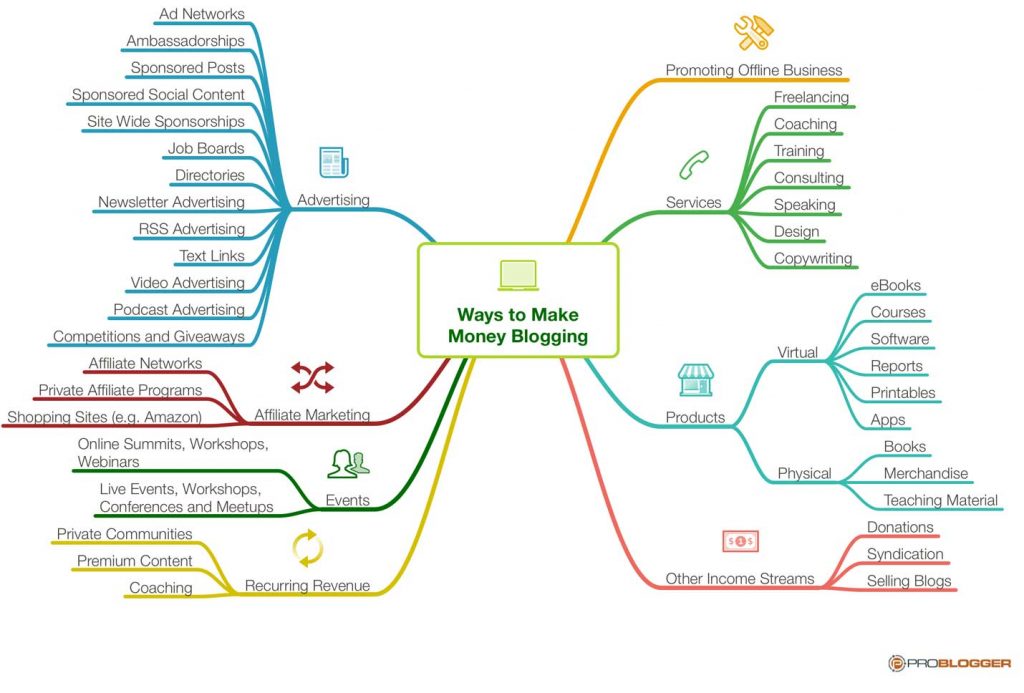
Industry experts, including those featured at major digital publishing summits like the Melbourne ProBlogger event, emphasize that there is no single "formula" for financial success. Instead, successful blogs typically utilize a "Money Map"—a combination of multiple revenue streams that provide stability against market fluctuations.
Key monetization pillars identified by successful Australian and international bloggers include:
- Direct Advertising and Sponsorships: Selling space directly to brands or through premium ad networks (e.g., Mediavine, AdThrive).
- Affiliate Marketing: Earning commissions by recommending products or services.
- Digital Products: Creating and selling ebooks, online courses, or templates.
- Memberships and Subscriptions: Offering premium content or community access for a recurring fee.
- Service-Based Income: Using the blog as a portfolio to secure speaking engagements, consulting contracts, or freelance writing opportunities.
Case studies of full-time creators like Lucy Feagins (The Design Files) and Darren Rowse (Digital Photography School) demonstrate that high-profit blogs often exist in "normal" consumer niches. For instance, Rowse has noted that his photography-focused site is significantly more profitable than his site about blogging, debunking the myth that one must "teach blogging" to make money online.
The Longevity Factor and Barriers to Entry
One of the most critical findings in recent industry analysis is the correlation between time and profit. Among the 4% of bloggers earning over $10,000 per month, 85% have been active for at least four years. This "four-year threshold" suggests that the time required to build domain authority, a loyal audience, and a robust content library is substantial.
The barrier to entry in blogging is technically low—anyone can start a site for a nominal fee—but the barrier to success is high. It requires a sustained commitment to four core areas:
- Content Excellence: Producing original, helpful, and high-quality material that stands out in an AI-saturated market.
- Audience Acquisition: Navigating the complexities of SEO and social media to find and retain readers.
- Community Engagement: Building trust and a sense of belonging among the readership.
- Strategic Monetization: Aligning revenue methods with the needs and values of the audience.
Expert Perspectives and Future Implications
Digital marketing analysts suggest that the future of blogging lies in "niche authority." As search engines like Google prioritize "E-E-A-T" (Experience, Expertise, Authoritativeness, and Trustworthiness), bloggers who have deep, firsthand knowledge of a subject are expected to outperform generalist sites.
Industry leaders argue that the term "blogging" may be evolving. Modern creators are essentially "independent media owners." They face the same challenges as traditional publishers, including the need for brand safety, technological updates, and adaptation to shifting consumer habits. The shift toward "passive income" as a marketing buzzword is being replaced by a more realistic view of blogging as an "active business" that requires daily management, content updates, and business development.
Conclusion: The Macro Impact of Independent Publishing
The rise of profitable blogging has broader implications for the global economy. It has democratized the media landscape, allowing specialized voices to find global audiences without the need for traditional gatekeepers. For the individual, it offers a path to professional autonomy, provided they are willing to treat the endeavor with the same rigor as any other startup business.
While the statistics show that a full-time living is achieved by a minority, the growth of the sector continues. As more businesses shift their marketing budgets toward influencer and creator partnerships, the opportunities for monetized blogging are likely to expand, albeit with increasing competition and a continued requirement for long-term dedication. The conclusion remains clear: making money from blogging is a verifiable reality, but it is a marathon of grit and creativity rather than a sprint to easy wealth.